



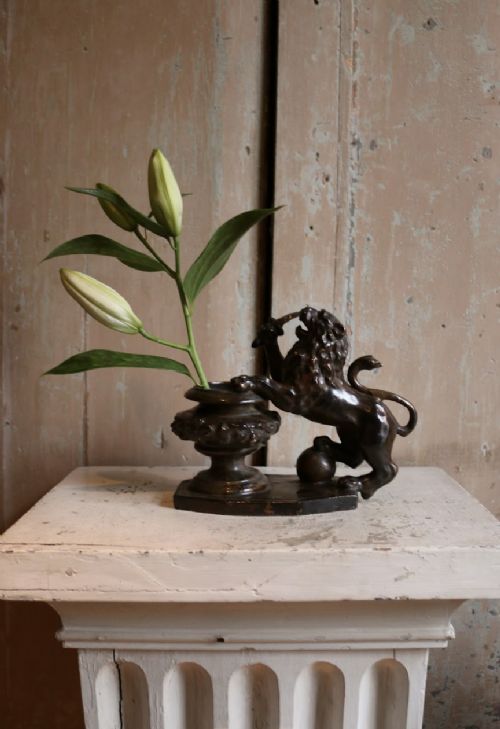


Antique Bronze Inkwell
An antique bronze inkwell brings sculptural weight and tactile character to a desk, uniting practical function with decorative art.
Antique Bronze Inkwell
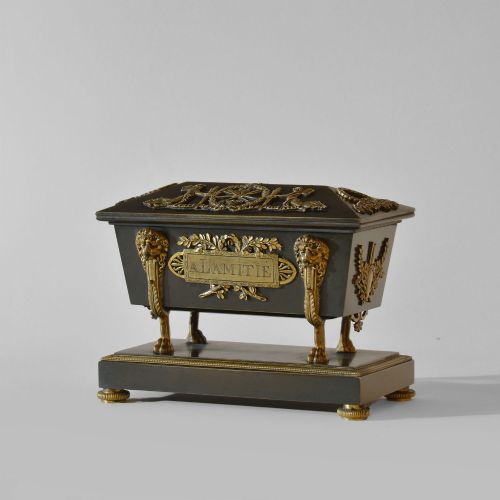
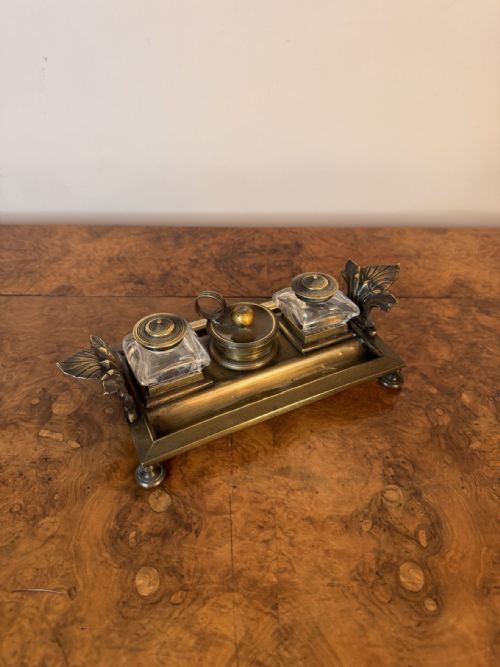
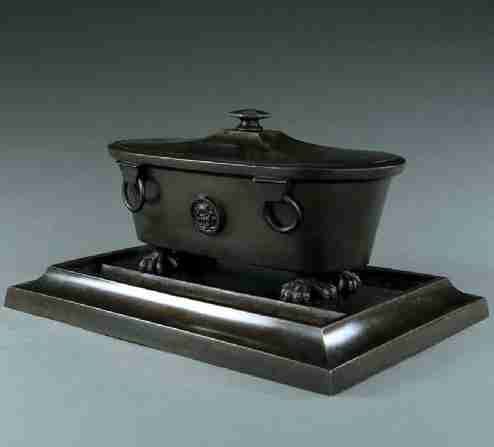
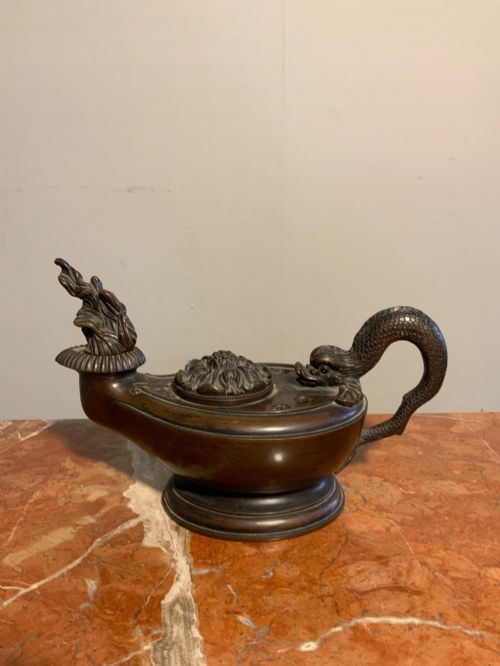
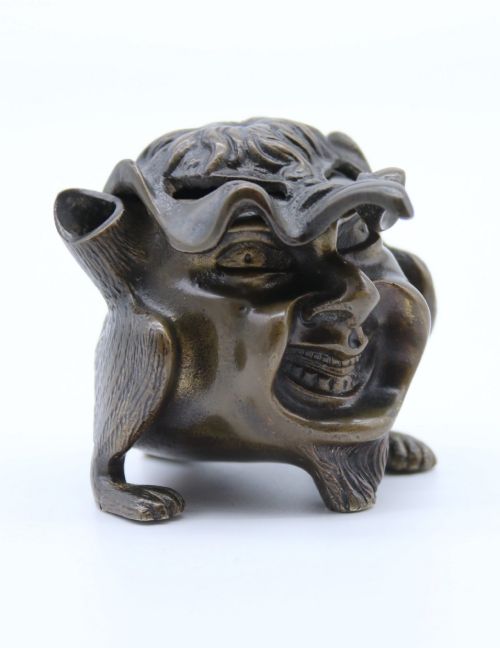
An antique bronze inkwell serves as a desk accessory designed to hold liquid ink for writing, often expanding into a larger inkstand with space for pens and stamps. These pieces range from severe neoclassical models originating from the grand tour to playful animal novelties created during the Victorian and Edwardian eras.
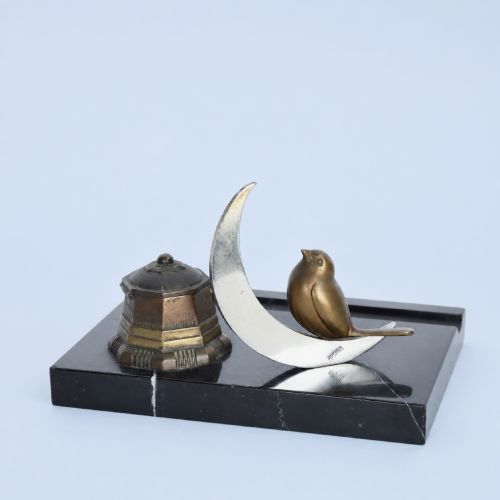
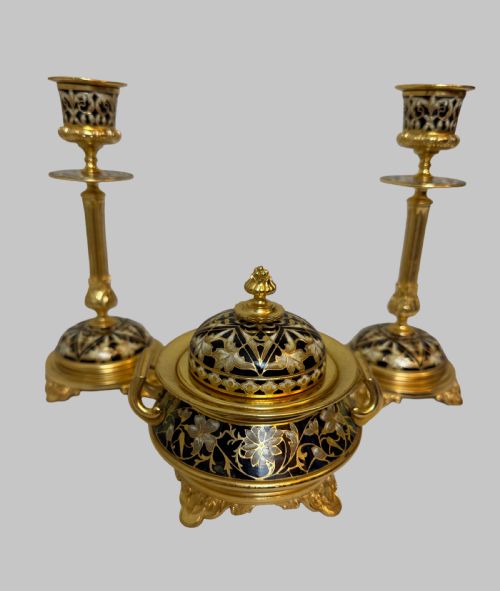
The selections span various forms including architectural models, figural animals with glass eyes, and champleve enamelled desk sets. French and Austrian pieces dominate the mid-nineteenth to early twentieth century records, showing considerable diversity in decorative styles from empire to art nouveau.
How they were made
Foundry techniques utilise lost-wax casting or sand casting to shape the bronze body, which is then finished through hand chasing and detailing. Artisans apply patination, fire gilding with ormolu, or cold-painted enamel colours to achieve surface richness.
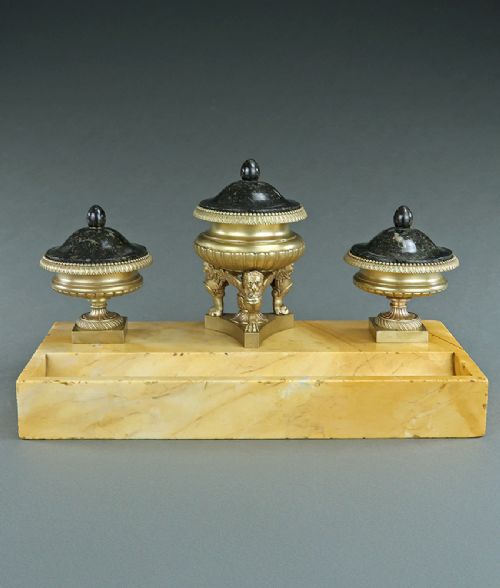
Mounts incorporate contrasting materials such as Sienna and vert marble, cut glass ink inserts, rock crystal, and walnut or mahogany bases to elevate the visual weight of the metalwork.
Antique Bronze Inkwell Retail Price Guide 2026
Typical asking prices for bronze inkwell among the pieces listed under this phrase on Sellingantiques today, from the lower quarter to the upper quarter. They describe what is for sale here now, not the wider market.
Mr Fox reads his correspondence in a nightgown while guarding the ink.
What varies in quality
The crispness of the chasing and the depth of the hand-finishing separate standard utility pieces from exceptional studio work. Superior examples retain original glass inserts, tight hinge fittings on the lids, and undamaged cold-painted or fire-gilt surfaces.
The integration of secondary materials like carved marble bases or champleve enamel panels determines the ambition of the piece, with complex figural modelling and named foundry execution sitting at the higher end.
Franz Bergmann·Lefebvre of Belgium·Albert Marionnet·Jules Dalou·Maurice Dufrene·Moser
The Antique Bronze Inkwell Glossary
- Ormolu
- Gilded bronze produced by applying a mercury and gold amalgam to the metal surface and heating it to drive off the mercury, leaving a durable golden coating.
- Champleve
- An enamelling technique where troughs or cells are hollowed out of the bronze surface, filled with vitreous enamel, and fired.
- Cold-painted bronze
- A method where enamel paint is applied to a bronze object without subsequent firing, common in Austrian novelty pieces.
- Grand tour
- Nineteenth-century travel souvenirs taking the form of miniature bronzes representing classical architecture or sculpture.
- Encrier
- The French term for an inkstand or inkwell, frequently encountered on continental desk accessories.
Antique Bronze Inkwell: Frequently Asked Questions
What is an antique bronze inkwell used for?
These pieces held liquid ink for dip pens before fountain pens and ballpoints became common. They sat on writing desks in studies and offices as both writing implements and decorative ornaments.
Larger versions included pen rests, sanders, and stamp boxes, forming a complete desktop station for correspondence.
How do I date an antique bronze inkwell?
Dating relies on stylistic markers such as neoclassical motifs from the mid-nineteenth century or sinuous organic lines from the art nouveau period around nineteen hundred. Material combinations like ormolu mounted on Sienna marble also point toward specific nineteenth-century manufacturing phases.
Makers' signatures, registry marks, and the presence of original glass ink inserts provide further chronological context.
Are original glass inserts important?
Original glass or ceramic ink inserts preserve the integrity of the piece and confirm that the interior components match the exterior housing. Finding matching liners can be difficult because glass components broke easily during daily use and cleaning.
Replacements are common, so surviving original bottles add considerable authenticity to a desk set.