





Victorian Bronze Inkwell
A victorian bronze inkwell is a heavy desk accessory designed to hold liquid ink, prized by collectors for its fine metalwork and period character.
Victorian Bronze Inkwell
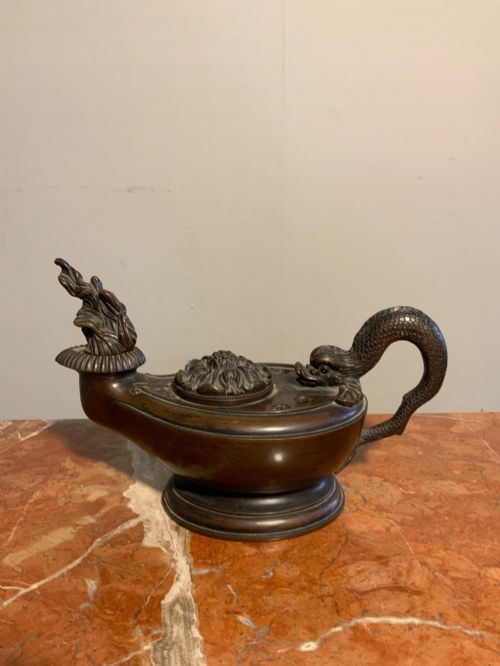
A victorian bronze inkwell is a functional desk accessory from the nineteenth century designed for writing with a dip pen. The items found here span simple desk stands to elaborate figural models and multi-piece sets.
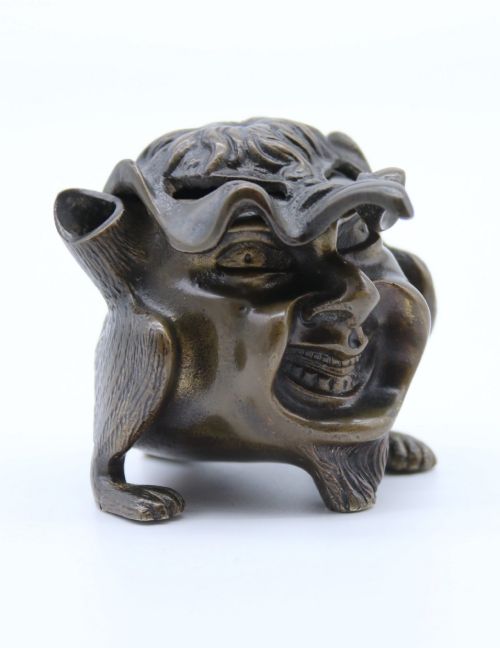
Buyers most frequently encounter French and English examples from the mid to late nineteenth century. These objects range from classical Grand Tour souvenirs to playful animal novelties.
Desk sets and standalone inkstands often incorporate compartments for pens, stamps, and blotting paper alongside the central ink reservoir. Many pieces combine metal casting with fitted glass inserts to hold the ink safely.
Materials and construction methods
Foundry work relied on bronze, gilt bronze, ormolu, and brass to form the structural bodies of the inkwells. Artisans frequently mounted these metal castings onto bases of marble, onyx, or coromandel wood.
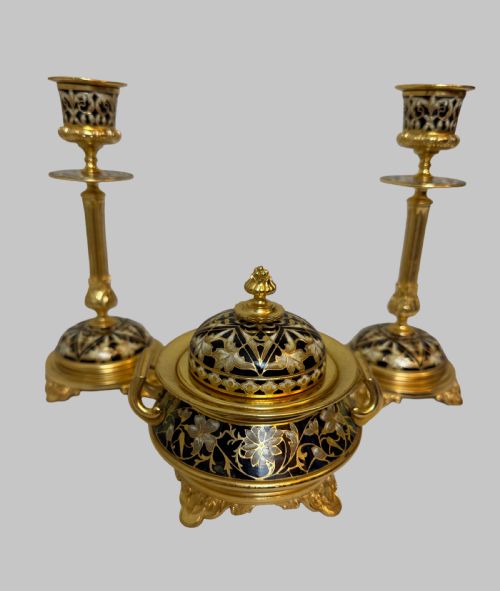
Decorative surface treatments included champleve enamel work and fire gilding to create rich colour contrast and texture. Many figural designs feature inset glass eyes to bring animals and human characters to life.
Makers integrated hinged lids and collars to seal the internal glass ink pots and prevent evaporation. Precision casting allowed for intricate detailing in styles ranging from Neoclassical to Art Nouveau.
Victorian Bronze Inkwell Retail Price Guide 2026
Typical asking prices for victorian bronze inkwell among the pieces listed under this phrase on Sellingantiques today, from the lower quarter to the upper quarter. They describe what is for sale here now, not the wider market.
Listings show materials spanning gilt bronze, ormolu, brass, glass, marble, and champleve enamel across the nineteenth century.
Distinctions in craftsmanship
The fineness of the metal chasing determines the crispness of fur, feathers, and architectural ornament on the casting. Superior pieces retain sharp detail in the tooling rather than soft, rounded edges from worn moulds.
The choice of base materials separates standard productions from luxury items, with dense marbles and heavy gilt bronze commanding greater presence. Original fitted glass liners and matching components preserve the integrity of the piece.
Signed works by known foundrymen or bronze-workers display superior articulation and finish compared to unmarked workshop pieces. The complexity of the design, such as multi-figure groups or intricate enamel work, elevates the standard of the object.
A. MARIONNET·Bergmann·Moser
The Victorian Bronze Inkwell Glossary
- Ormolu
- Gilded bronze produced by applying a mercury and gold amalgam to a bronze object and heating it. This technique creates a rich, durable golden surface seen on many nineteenth-century desk pieces.
- Champleve
- An enamelling technique where troughs are dug into the surface of the metal and filled with vitreous enamel powder before firing. The resulting coloured patterns decorate the bronze framework.
- Grand Tour
- A cultural journey undertaken by wealthy young Europeans in the nineteenth century, returning with bronze souvenirs and classical architectural models.
- Inkstand
- A complete desk tray holding one or more inkwells along with compartments for pens, sanders, and wafers. These stands formed the centrepiece of a nineteenth-century writing table.
- Novelty inkwell
- A whimsical desk piece modelled as an animal, human figure, or object rather than a traditional vessel. Examples often feature hinged heads or hidden wells.
Victorian Bronze Inkwell: Frequently Asked Questions
How were nineteenth century inkwells used?
Writers dipped steel or quill pens directly into the glass reservoir housed inside the bronze or marble body. The heavy metal base prevented the stand from tipping during daily correspondence.
Lids were kept closed between uses to prevent the ink from thickening or drying out too quickly on the desk.
What is the difference between an inkwell and an inkstand?
An inkwell is a single container for holding ink, often mounted within a decorative housing or standalone base. An inkstand is a larger desk set that incorporates one or more ink pots alongside pen rests and accessory compartments.
Both items served identical practical purposes for handwriting before the invention of the fountain pen.
Why do some bronze inkwells feature animals?
Makers produced whimsical figural designs to appeal to Victorian tastes for domestic pets and exotic creatures like ostriches, dogs, and monkeys. These novelty items brought personality and conversation value to private studies and libraries.
The hinged head or body of the animal often lifted to reveal the hidden ink pot inside.
How do I identify French versus English pieces?
French pieces frequently incorporate vert marble, onyx, ormolu mounts, and champleve enamel work reflecting Parisian luxury tastes. English models often favour heavy cast bronze with naturalistic depictions of sporting animals and domestic dogs.
Foundry marks and registration numbers stamped into the metal can also point towards the country of manufacture.
What materials accompany the bronze in these desk sets?
Foundry workers frequently combined bronze and gilt bronze with decorative stones such as marble and onyx for sturdy bases. Glass inserts were essential for holding the liquid ink safely without corroding the surrounding metalwork.
Fittings of brass, enamel, and exotic woods like coromandel appear across various periods and regional styles.