





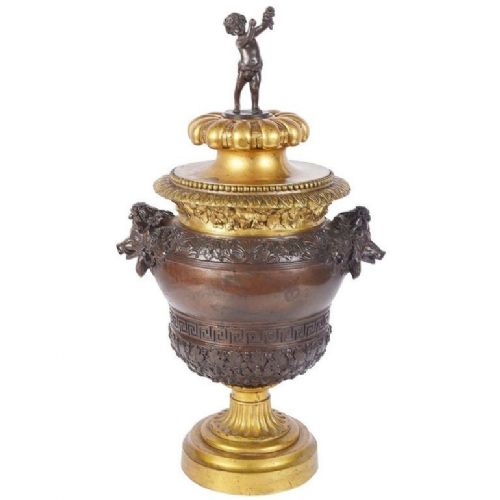

Classical Bronze Vessel
A classical bronze vessel brings the sculpture and architecture of antiquity directly into nineteenth-century interiors.
Classical Bronze Vessel
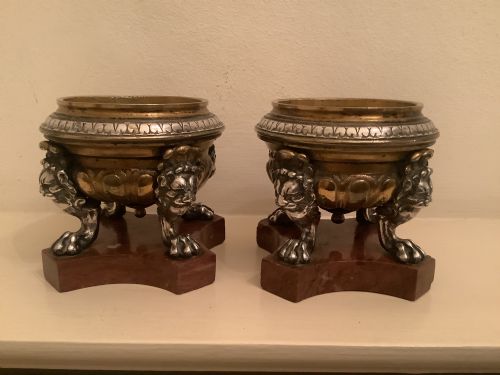
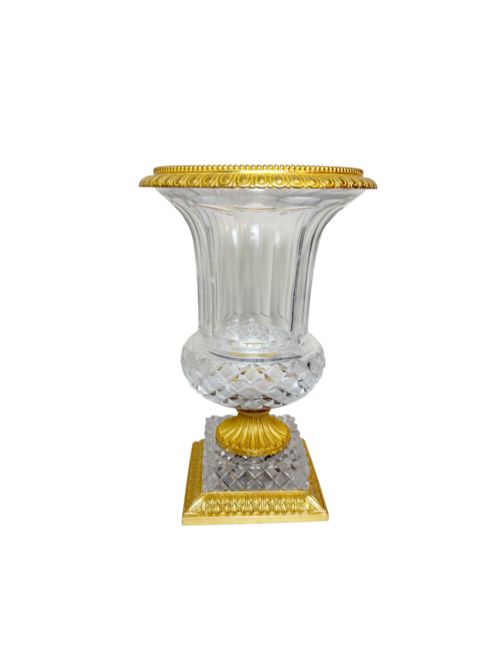
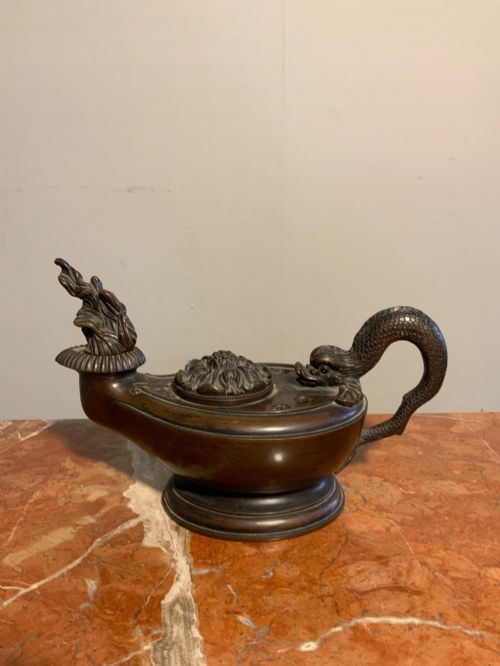
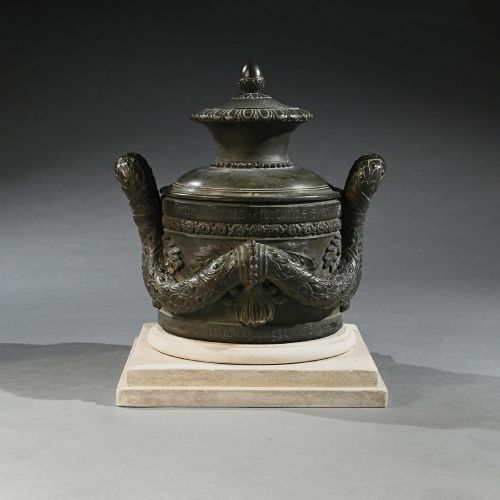
When searching for a classical bronze vessel, collectors encounter decorative objects inspired by the material culture of ancient Greece and Rome. These pieces span utility and display, taking the form of campana urns, ewers, inkwells, jardinieres, and tazzas.
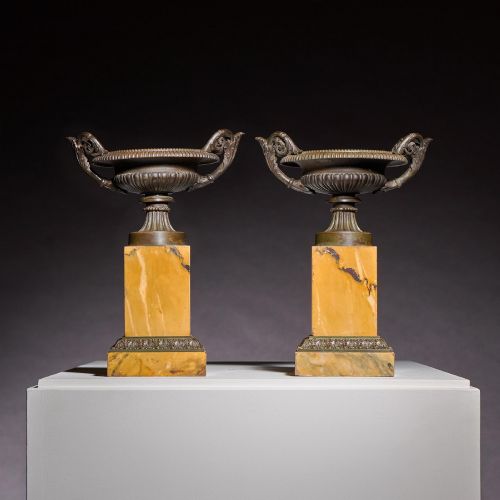
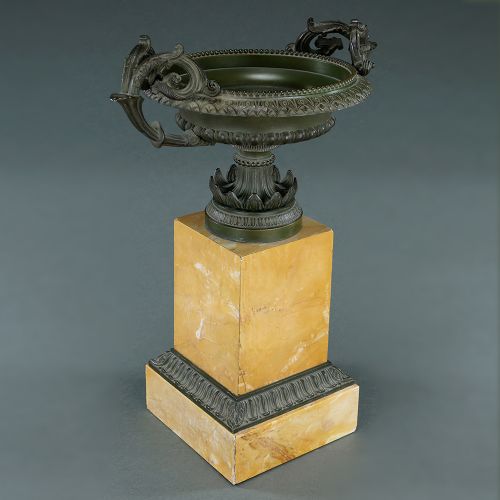
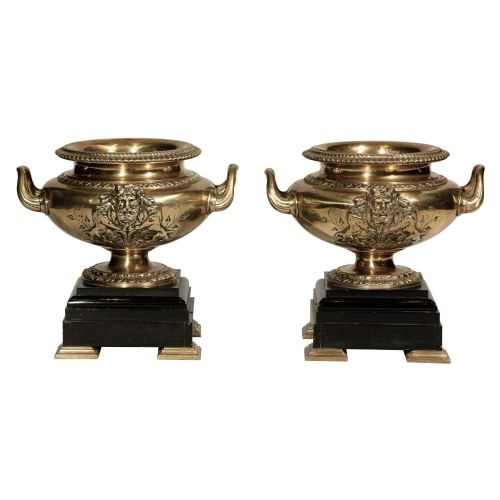
The versions most frequently met on this page originate from nineteenth-century workshops producing souvenirs for travellers on the Grand Tour, alongside French neoclassical and Victorian revival pieces. They frequently combine patinated or gilt bronze with marble bases.
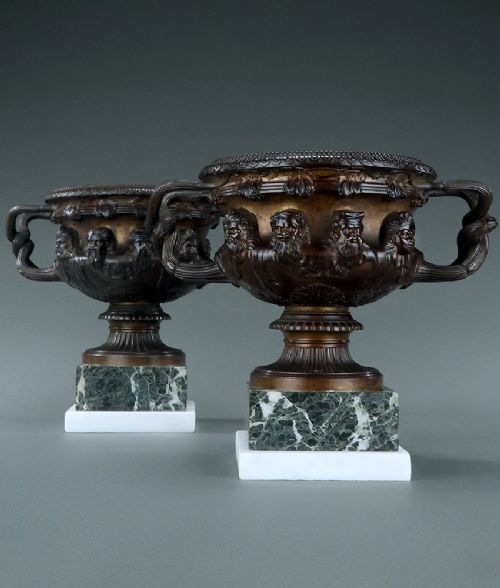
Forms follow antique prototypes closely, ranging from miniature souvenir reductions of famous monuments like the Warwick and Albani vases to large decorative jardinieres and wine coolers. They serve primarily as ornamental focal points for mantelpieces and display cabinets.
How they were made
The construction of a classical bronze vessel relies on traditional metal casting techniques, often utilising lost-wax methods to capture intricate figural handles and classical relief scenes. Artisans chased and finished the cast metal by hand to define details such as drapery, vegetation, and mythological figures.
Makers integrated contrasting materials to elevate the visual impact of the bronze. Ormolu, gilt bronze, and patinated finishes appear alongside stone and marble elements, including green marble and rouge griotte.
Classical Bronze Vessel Retail Price Guide 2026
Typical asking prices for classical bronze vessel among the pieces listed under this phrase on Sellingantiques today, from the lower quarter to the upper quarter. They describe what is for sale here now, not the wider market.
Some nineteenth-century bronzes feature handles shaped as leaping dolphins or minor deities who clearly enjoyed their wine.
What varies in quality
The standard of a classical bronze vessel is determined by the crispness of the casting and the sensitivity of the hand-finishing. Finer examples exhibit sharply rendered relief work on figures like Bacchus and Dionysus, whereas lesser pieces display soft or muddy surface details.
The quality of the patination or gilding distinguishes top-tier examples from ordinary productions. Rich, varied patination and fire gilding demonstrate superior workshop execution compared to flat, uniform modern coatings.
The choice of secondary materials marks another distinction in the range. Vessels mounted on fine marble bases with careful joins and heavy gauge metal reflect more ambitious manufacturing than those with lightweight alloy construction.
Barbedienne Paris·Auguste Cain·Vincenzo Gemito
The Classical Bronze Vessel Glossary
- Grand Tour
- A traditional trip through Europe undertaken by upper-class young men to absorb classical art and culture. Souvenirs purchased during these travels form a major category of nineteenth-century bronzes.
- Warwick Vase
- A monumental Roman marble vase discovered at Hadrian's Villa and restored in the eighteenth century. Reduced bronze copies of this famous vessel were popular decorative items.
- Campana
- A bell-shaped vessel form common in classical antiquity and widely reproduced in nineteenth-century decorative arts. These urns typically feature flared rims and footed bases.
- Ormolu
- Finely ground high-carat gold applied to a bronze object using a mercury amalgamation technique. The method creates a durable, luminous golden finish characteristic of French decorative metalwork.
- Kantharos
- An ancient Greek cup used for drinking, featuring two large vertical handles extending above the rim. Nineteenth-century examples translate this ceramic or metal form into bronze.
- Tazza
- A shallow saucer-shaped cup or vessel mounted on a stem and foot. They often appear on marble plinths as decorative display pieces.
Classical Bronze Vessel: Frequently Asked Questions
What is a Grand Tour bronze vessel?
A Grand Tour bronze vessel is a nineteenth-century souvenir created for travellers visiting archaeological sites and museums in Italy. These objects range from small inkwells to large reductions of famous ancient monuments.
They allowed collectors to bring classical antiquity into their domestic interiors as decorative sculpture.
How do I identify a neoclassical style vessel?
Neoclassical vessels display strict symmetry, architectural proportions, and motifs drawn directly from Greek and Roman art. Look for laurel wreaths, acanthus leaves, classical figures, and urn shapes.
These pieces reject Baroque exuberance in favour of archaeological restraint and dignity.
Where were these bronze vessels displayed?
In nineteenth-century homes, these vessels occupied prominent positions on mantelpieces, sideboards, and dedicated pedestals. They were chosen to demonstrate the owner's classical learning and refined taste.
Today, they function well as sculptural centerpieces in both traditional and contemporary rooms.
Why are some vessels mounted on marble?
Marble bases provide structural stability to heavy bronze castings while adding a contrasting texture and colour. Rouge griotte and green marble were favoured for their rich visual weight.
This mounting practice mimics the presentation of museum artefacts on classical plinths.