

Antique Bronze Desk Clock
An antique bronze desk clock brings architectural presence and precision engineering to a workspace, combining classical motifs with dependable mechanical movements from past centuries.
Antique Bronze Desk Clock
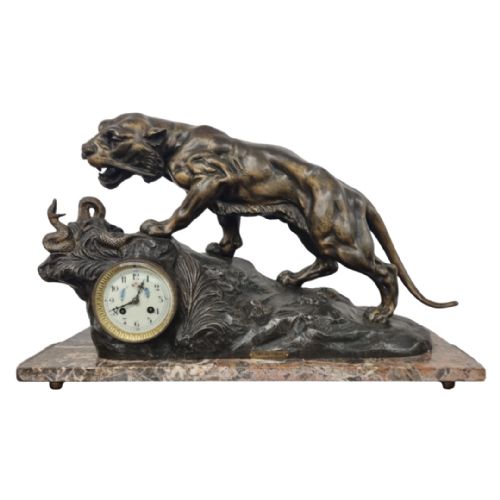
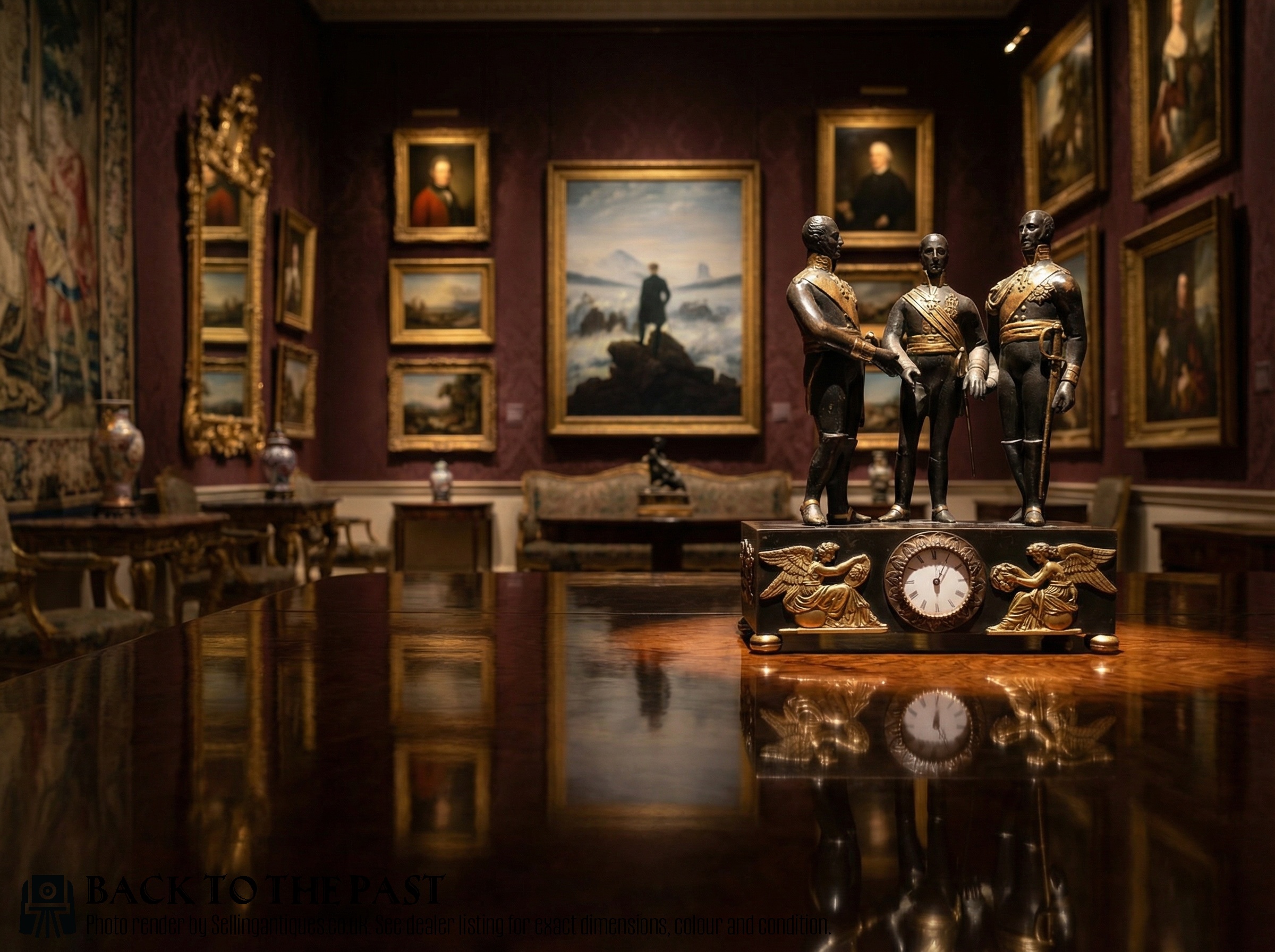
When you search for an antique bronze desk clock, you encounter substantial timepieces created primarily during the nineteenth century in France and England. These objects range from heavy architectural mantel pieces adapted for study use to smaller carriage and table clocks designed specifically for surface placement.
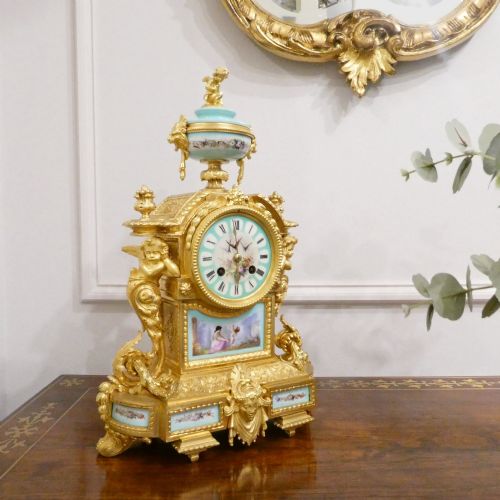
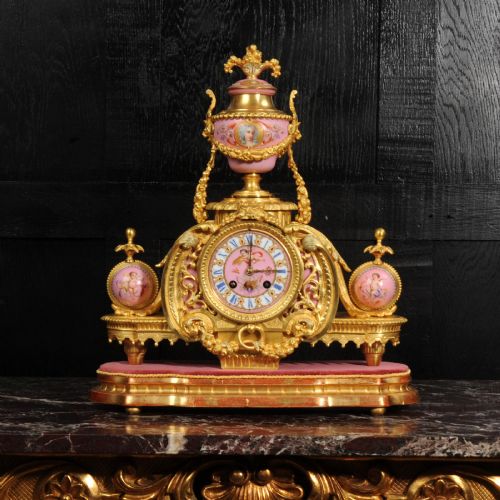
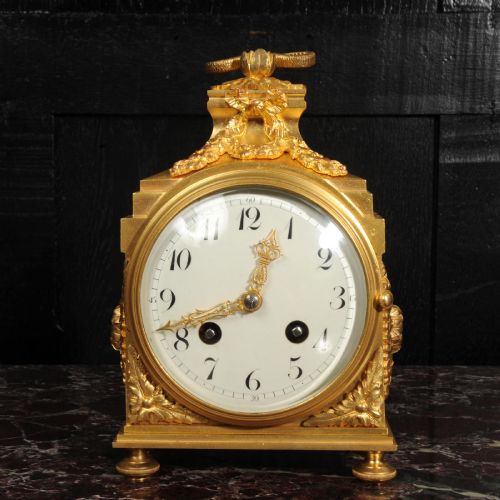
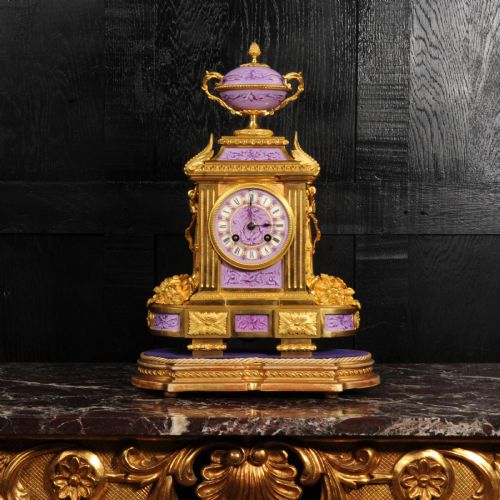
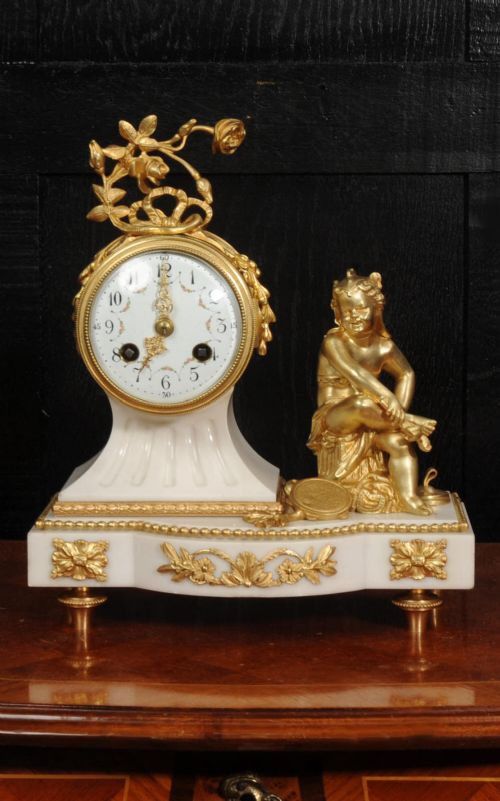
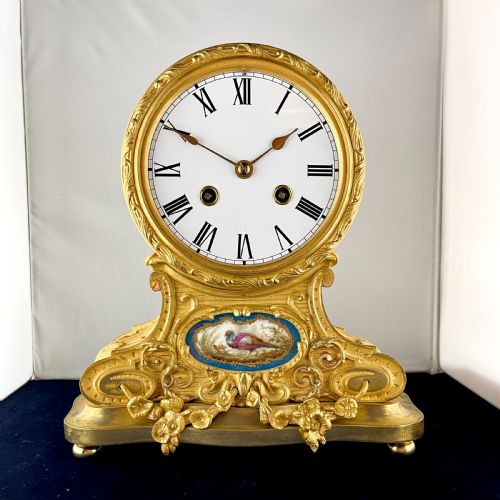
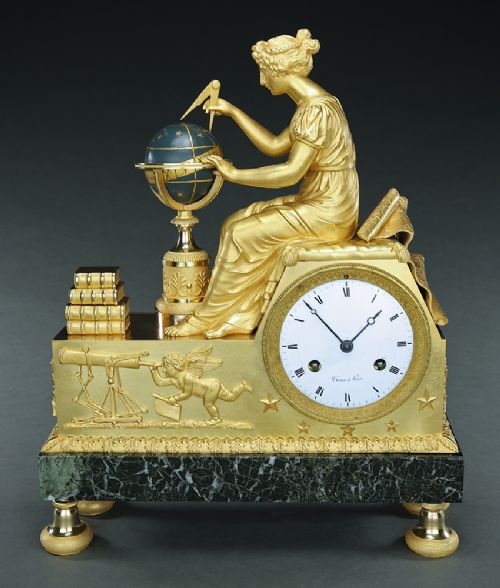
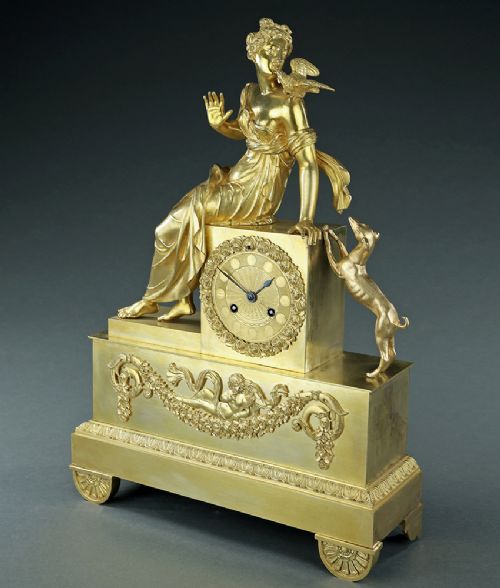
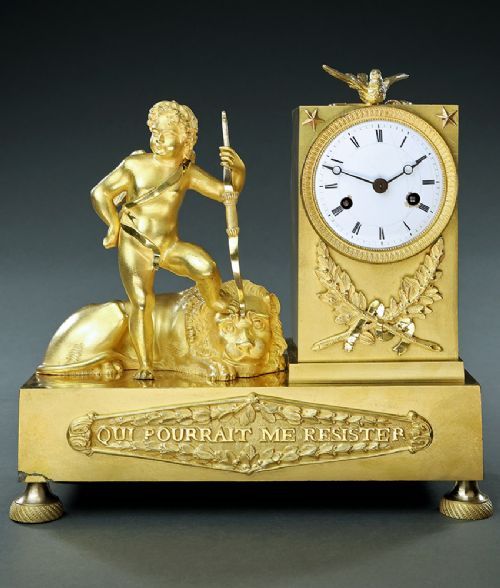
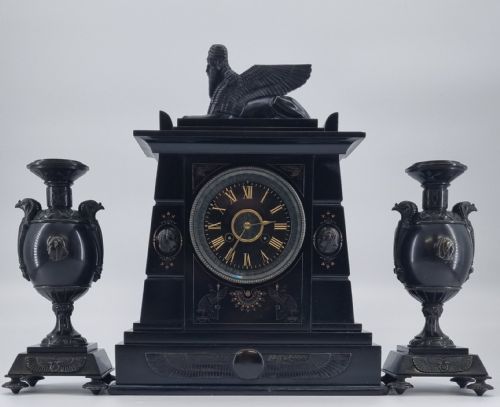
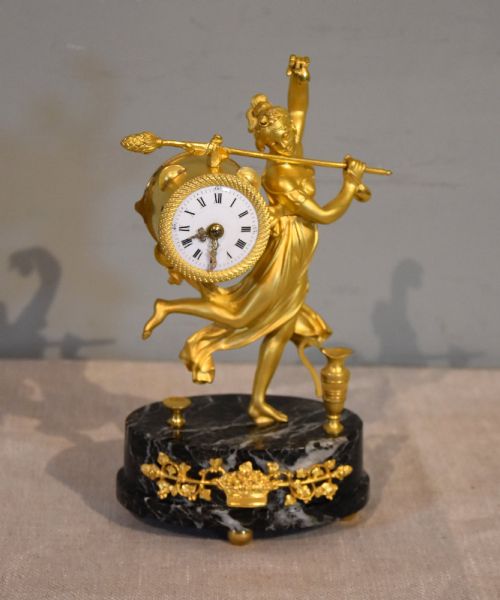
The dominant forms on this page include French Empire, Rococo Revival, and Louis XVI styles executed in gilt bronze, ormolu, and solid bronze. Makers integrated materials such as marble, porcelain, and enamel dials into heavy metal frames, creating functional sculptures for desks and writing tables.
Nineteenth-century examples frequently feature figural subjects, classical mythology, or astronomical themes alongside reliable mechanical movements. You also find occasional Regency brass pieces and later Art Deco novelties that reflect changing tastes in interior timekeeping.
Materials and construction methods
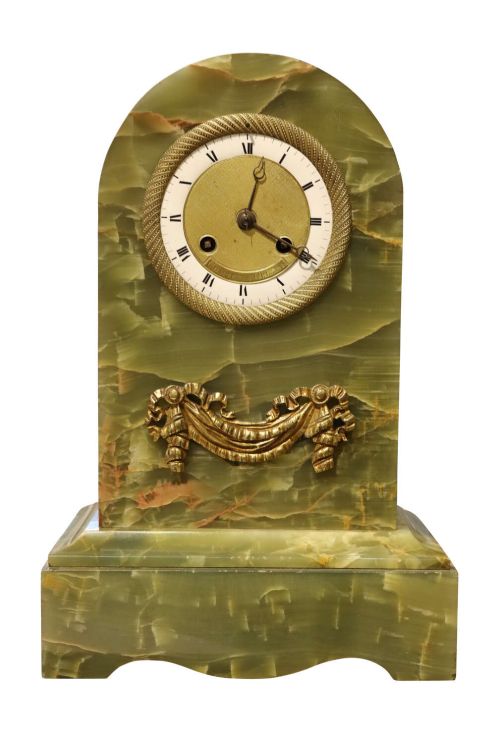
Foundry workers cast the primary frames in bronze, brass, or gilt metal before applying mercury gilding or ormolu finishes to achieve a bright, durable metallic lustre. Artisans often combined these metal mounts with contrasting natural elements like rouge marble, green onyx, mahogany, or kingwood.
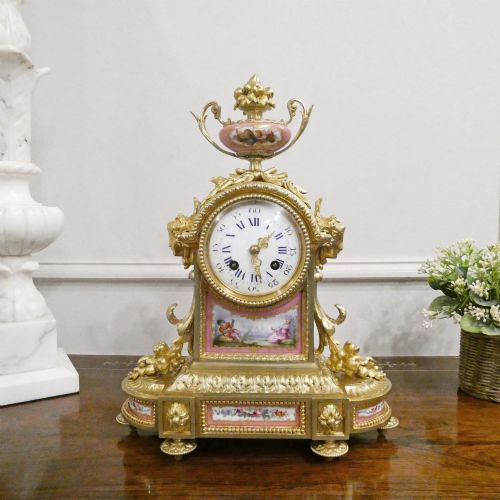
Clockmakers fitted mechanical brass gear trains behind white enamel or painted porcelain dial faces, incorporating escapements that required careful manual regulation. Cabinets frequently integrated hand-painted Sèvres porcelain panels, champlevé enamel work, or carved stone bodies to enrich the overall visual weight.
Antique Bronze Desk Clock Retail Price Guide 2026
Typical asking prices for bronze desk clock among the pieces listed under this phrase on Sellingantiques today, from the lower quarter to the upper quarter. They describe what is for sale here now, not the wider market.
Elephants, serpents, and mythological figures frequently guard the hours on these nineteenth-century desk companions.
Distinctions in manufacture and preservation
Superior examples display crisp, deeply chased bronze casting where fine facial expressions, acanthus leaves, and classical drapery remain sharp and well-defined. Lesser items exhibit softer surface details resulting from worn moulds or hurried finishing work.
The original integrity of the movement and dial dictates much of the standing within this field. Clocks retaining signed mechanisms from known makers, undamaged enamel dials, and harmonious mercury gilding represent the higher tiers of production.
Achille Brocot·Japy Freres·Charles à Orléans·R Varnier·Viner London
The Antique Bronze Desk Clock Glossary
- Ormolu
- Gilded bronze produced by applying a mercury and gold amalgam to a cast bronze base, then heating the piece to drive off the mercury. This technique creates a distinctive, rich golden finish characteristic of many nineteenth-century French clocks.
- Champlevé
- An enamelling technique where troughs or cells are hollowed out of a metal surface and filled with vitreous enamel powder before firing. The resulting coloured patterns often adorn the bezels and bezels of Victorian timepieces.
- Garniture
- A set consisting of a central clock flanked by matching decorative objects such as vases or candelabra designed to sit together on a mantel or large piece of furniture. These matched groupings share identical motifs and materials.
- Escapement
- The internal mechanical linkage that controls the release of power from the mainspring or weights to the gear train, allowing the clock to tick at a regulated rate. Different designs provide varying levels of timekeeping accuracy.
Antique Bronze Desk Clock: Frequently Asked Questions
How do I wind an antique bronze desk clock?
Most mechanical desk clocks utilise a key inserted into specific winding arbors on the dial face to tension the mainspring barrels.
Carefully turn the key in the indicated direction until you feel firm resistance, avoiding overwinding to protect the internal springs.
Why does my clock run fast or slow?
Mechanical timepieces respond to temperature changes and wear, requiring periodic adjustment of the pendulum or balance wheel regulation.
Use the small regulating square on the dial to make minor shifts toward the fast or slow indicator until the movement keeps accurate time.
Where should I place a heavy bronze clock?
Position these dense metal and stone objects on sturdy, level furniture surfaces capable of supporting substantial weight without sagging.
Ensure the placement surface remains free from heavy vibrations and direct sunlight to protect both the mechanical movement and the sensitive dial finishes.