

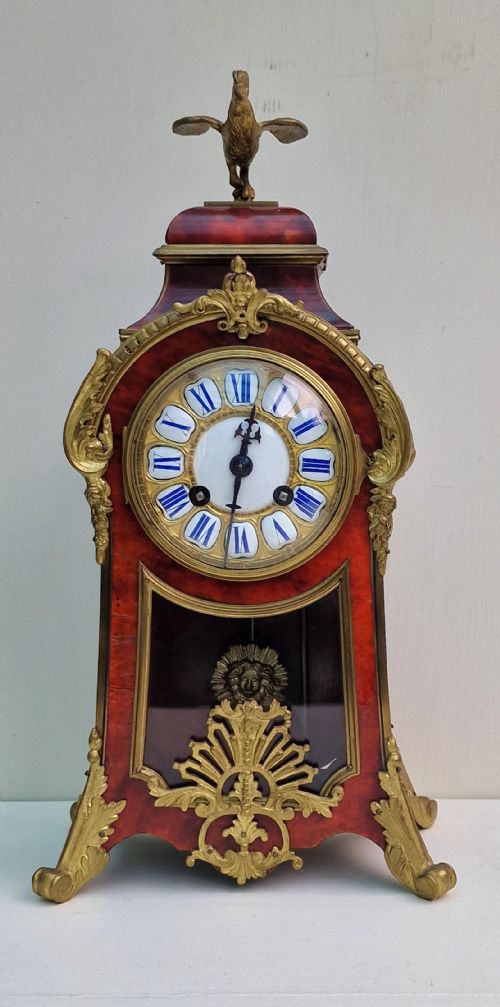
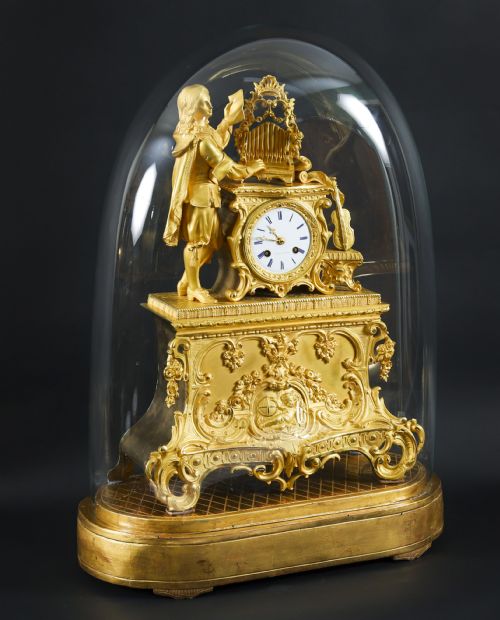


Louis XV Revival Clock
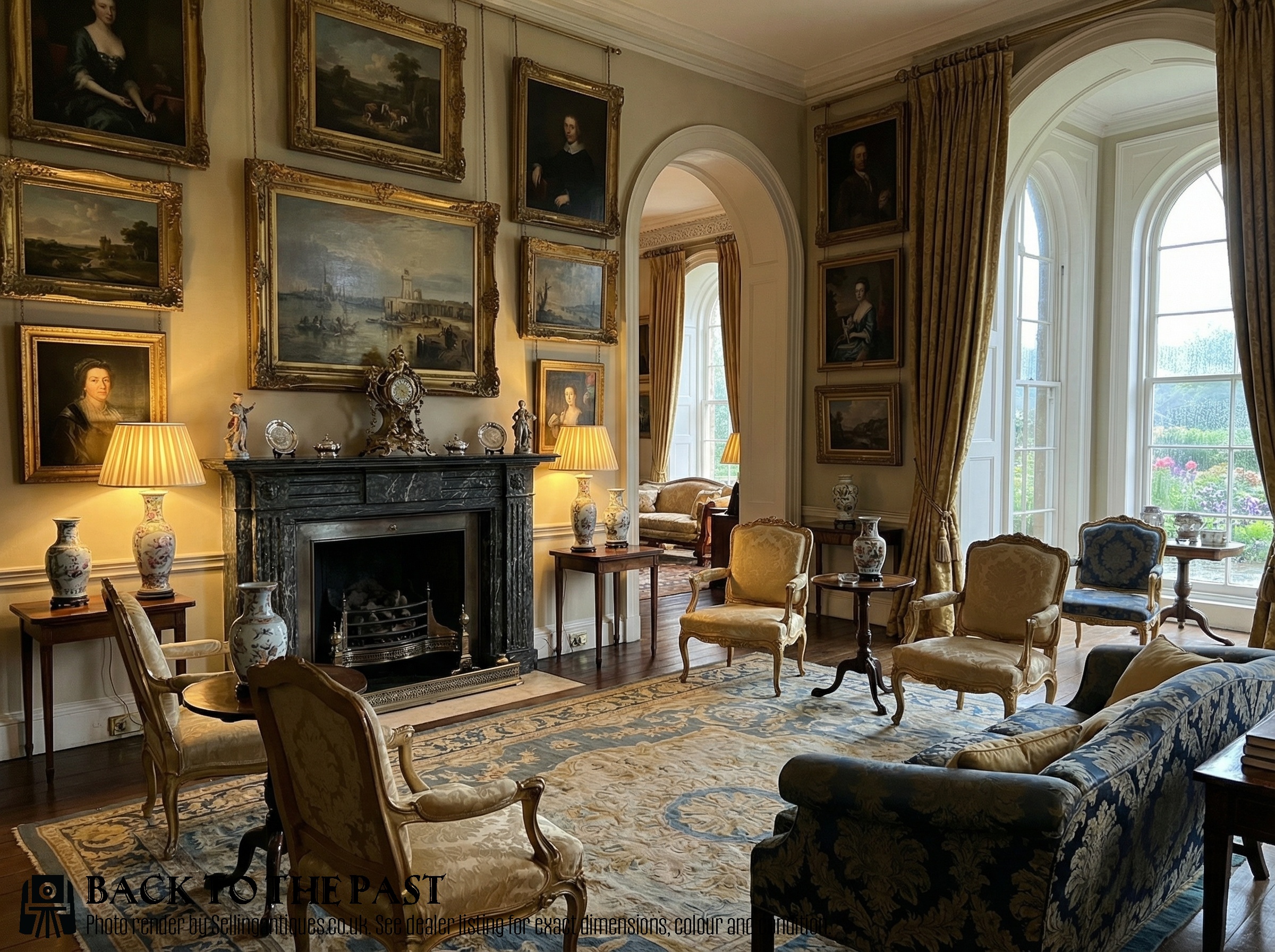
A louis xv revival clock brings sculptural gilt bronze and fluid Rococo curves straight into a room.
What a louis xv revival clock is
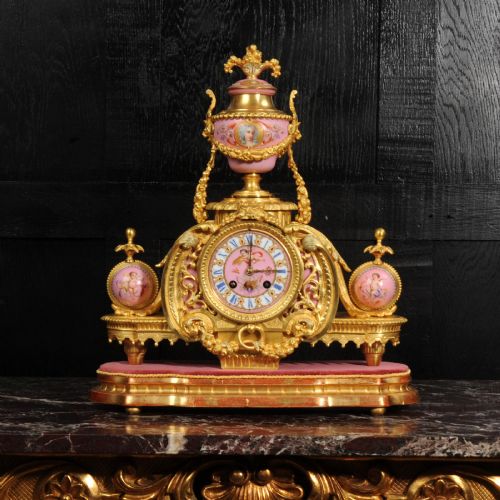
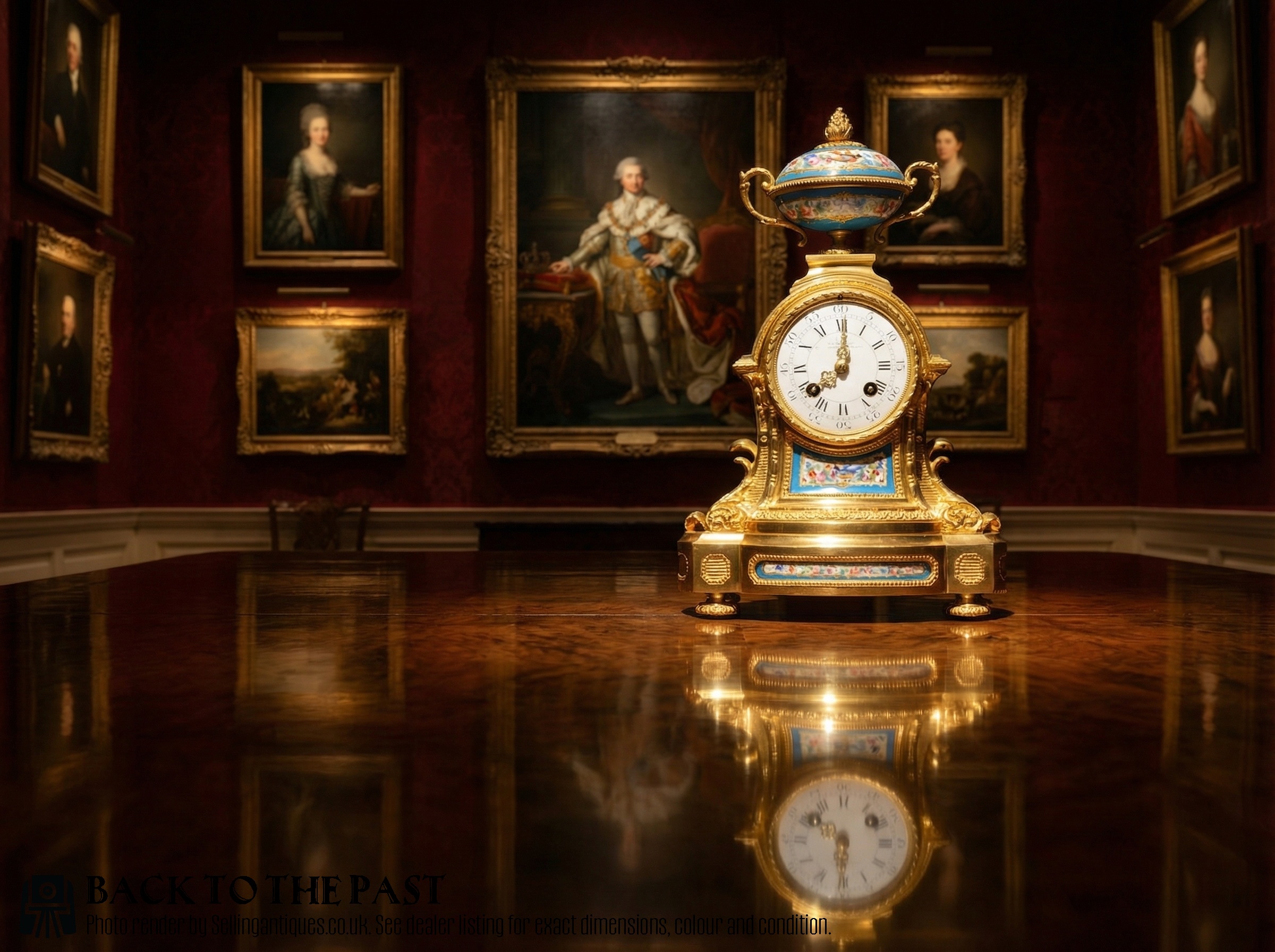
When you search for a louis xv revival clock, you are looking at ornate timepiece designs driven by nineteenth-century French tastes and Victorian aesthetics. These pieces draw heavily on eighteenth-century French Rococo style, translated through later manufacturing periods like the Second Empire.
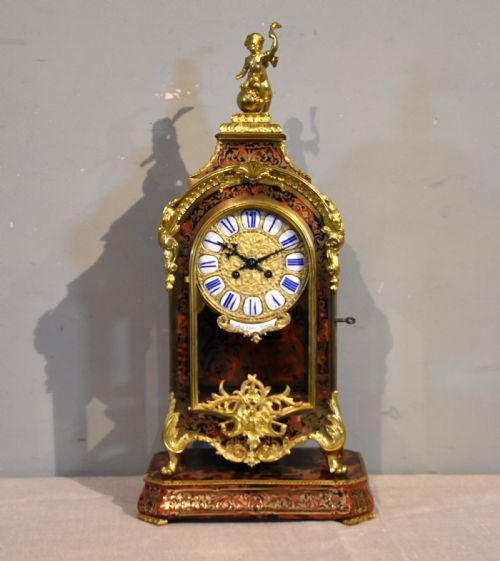
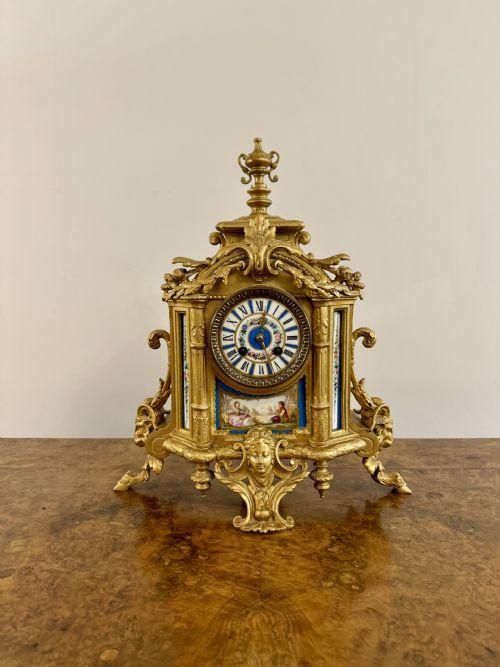
The versions you are most likely to meet on this page take the form of mantel clocks or bracket clocks. They frequently combine elaborate metalwork with porcelain panels or decorative clock faces.
Origins span nineteenth-century French workshops and Victorian production, capturing an exuberant period of decorative arts. They serve as striking mantel centrepieces that reflect historical revivalism.
How they were made
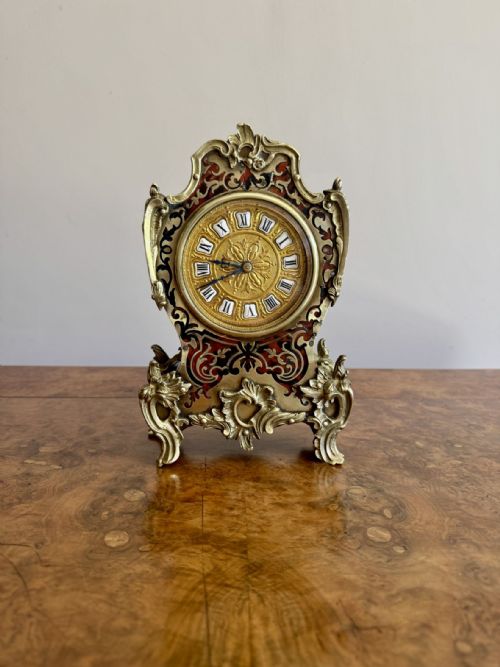
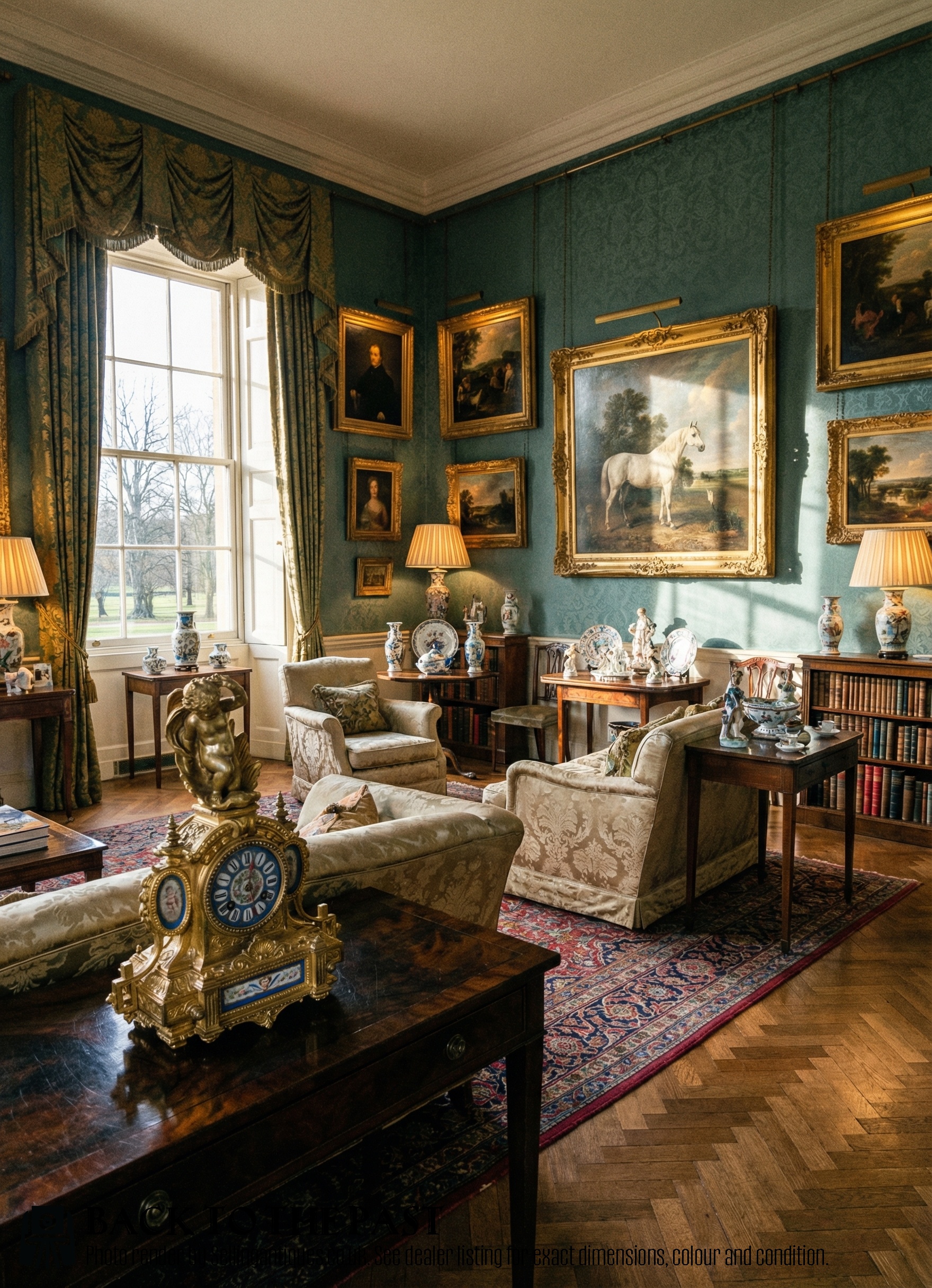
The construction of these clocks relies on cast metals such as ormolu, bronze, brass, and gilt metal, often shaped into asymmetrical scrolls and foliage. Enamel dials and painted porcelain plaques or cases provide a contrasting smooth surface against the chased metal mounts.
Cabinetwork in this group incorporates timber treated with faux tortoiseshell or traditional Boulle marquetry techniques. Clock movements were produced by specialised makers and housed within these decorative housings.
Retail Price Guide 2026
Typical UK retail prices for louis xv revival clock, calculated from the Sellingantiques database of over a million retail prices indexed since 2003. This retail price guide relies exclusively on Sellingantiques data; no external sources or auction records are used, so the figures do not describe the wider market.
What varies in quality
Quality in these clocks rests in the crispness of the metal chasing and the depth of the gilding. A finer casting displays sharp detail in the Rococo scrollwork and foliage, whereas simpler examples show softer edges and flatter surfaces.
The integration of materials also defines the tier of the piece, such as hand-painted Sevres porcelain versus plain enamel dials, alongside the reputation of the movement maker stamped on the mechanism.
Japy Freres·Miroy Freres·Vincenti And Cie
The Louis XV Revival Clock Glossary
- Ormolu
- Gilded bronze produced by applying a mercury-gilding paste to cast bronze before firing. It yields a rich, golden surface common in French decorative arts.
- Rococo Revival
- A nineteenth-century design movement that imitates the asymmetrical curves, C-scrolls, and naturalistic motifs of the mid-eighteenth-century French court style.
- Boulle
- A form of marquetry using brass inlaid into tortoiseshell or faux tortoiseshell, named after the cabinetmaker Andre-Charles Boulle.
- Sevres
- A type of porcelain associated with the historic French manufactory, frequently incorporated into nineteenth-century clock cases as decorated dial faces or side panels.
Frequently Asked Questions
What periods do these clocks come from?
The pieces span the nineteenth century, including Victorian production and specific dates through the 1840s, 1860s, 1875, and 1890s.
They reflect French Rococo revival and Second Empire design movements.
What materials were used?
Makers utilised ormolu, bronze, brass, gilt metal, enamel, porcelain, glass, and faux tortoiseshell.
These materials were combined to create decorative clock cases and intricate mantel ornaments.
Where were they made?
The pieces originate from France, produced by established clockmaking firms and foundries during the nineteenth century.
Their styling follows French design aesthetics popular across Europe during the Victorian era.
How do I display a mantel clock?
These clocks are designed to sit prominently on a mantelpiece, shelf, or dedicated wall bracket.
Their ornate gilt and porcelain cases make them natural visual focal points in a room.