

Antique Bronze Timepiece
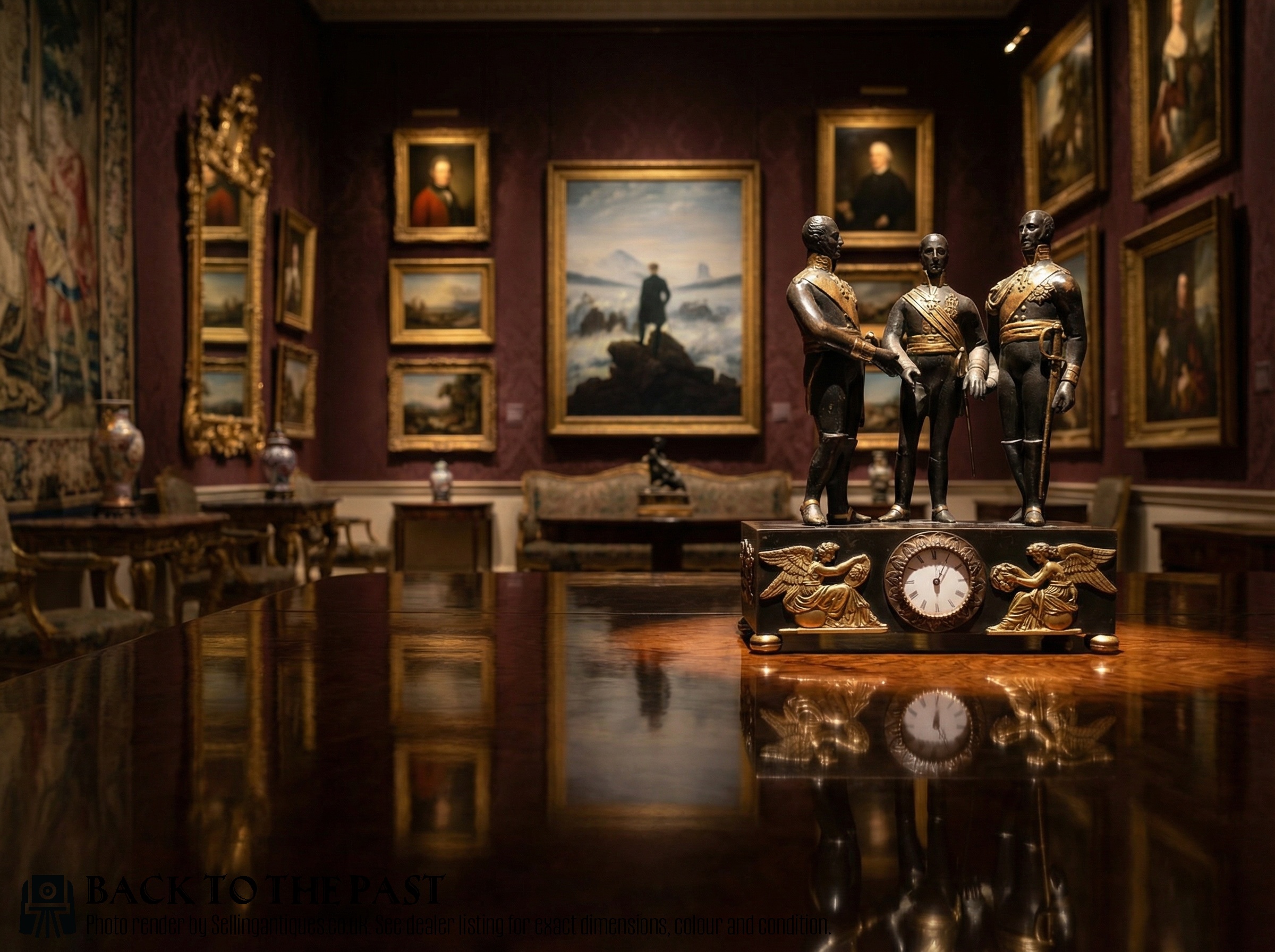
An antique bronze timepiece brings classical sculpture and precision engineering together on a mantelpiece.
Antique Bronze Timepiece
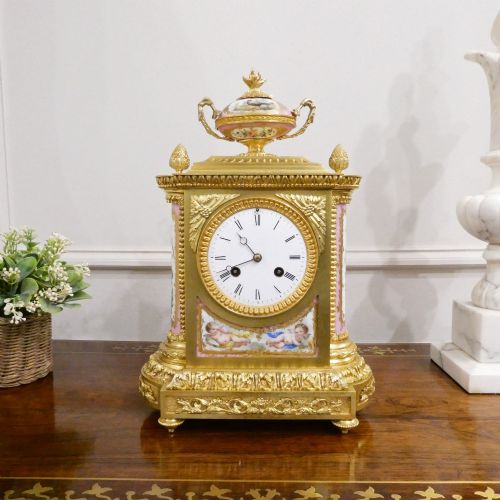
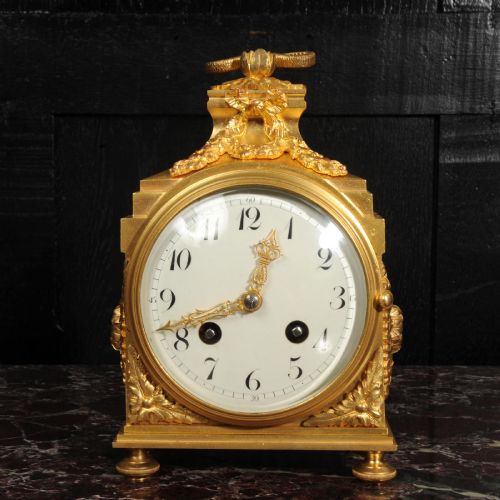
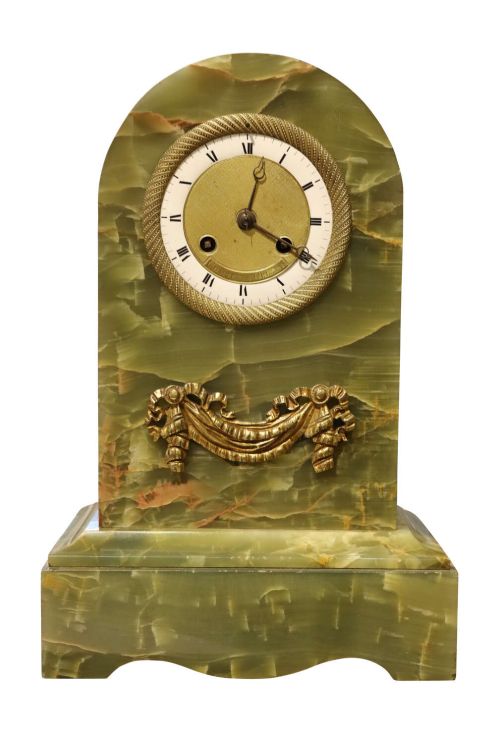
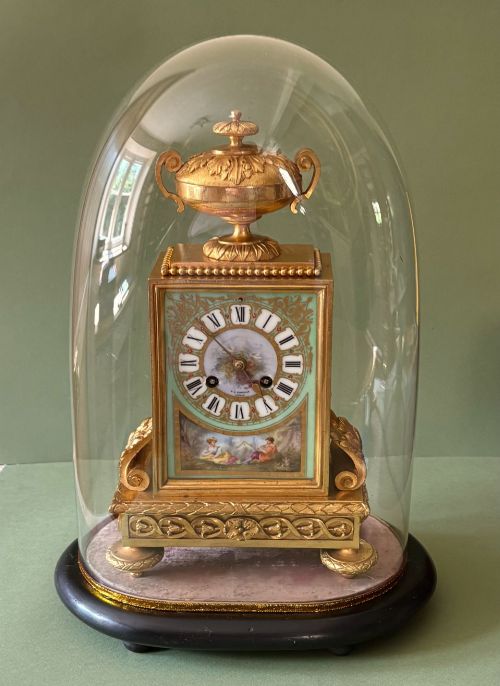
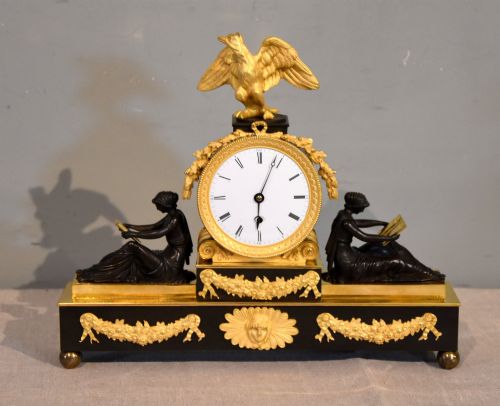
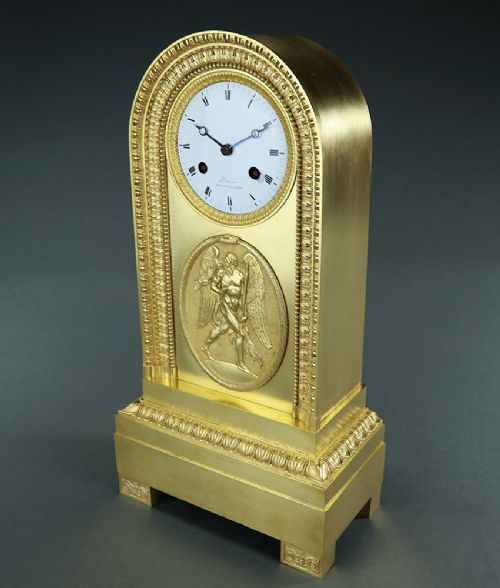
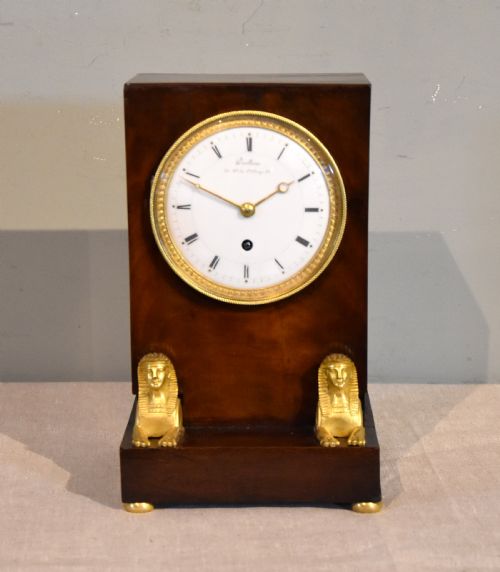
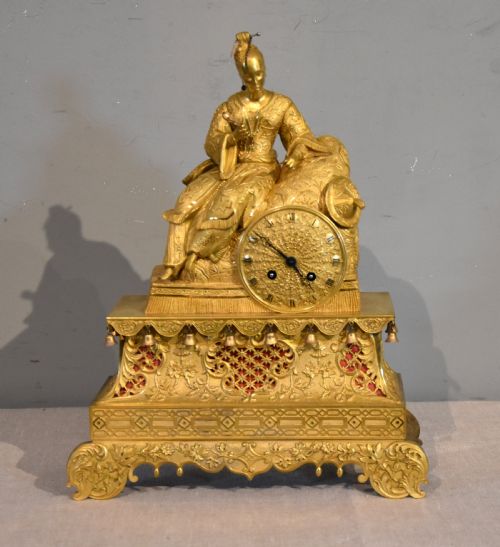
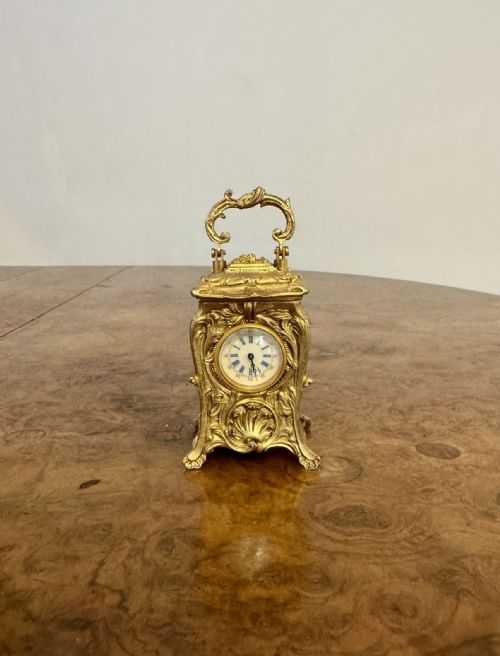
An antique bronze timepiece combines sculptural metalwork with mechanical movement, predominantly taking the form of mantel clocks and desk pieces from the nineteenth century. The selection leans heavily toward French production, featuring styles from the Empire, Rococo, and Louis XVI revivals alongside English Regency examples.
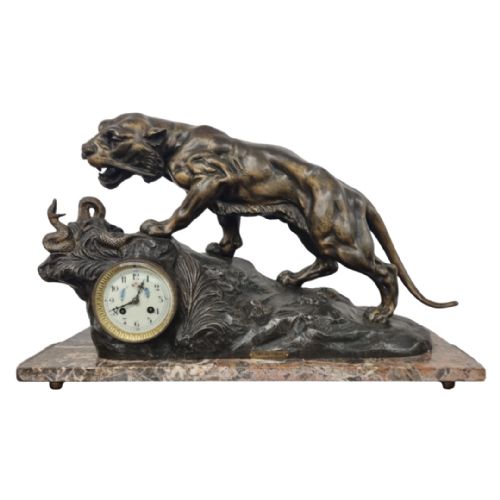
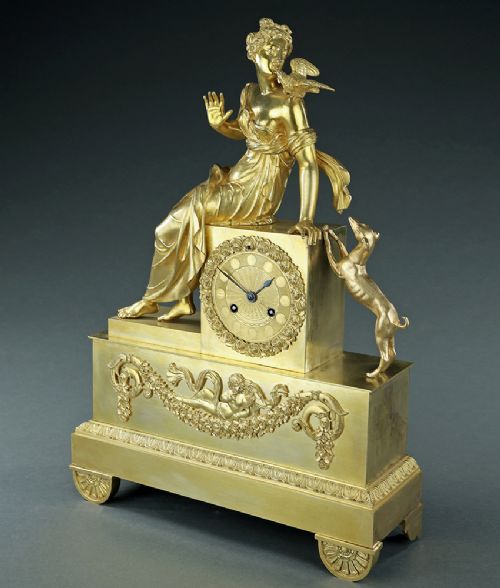
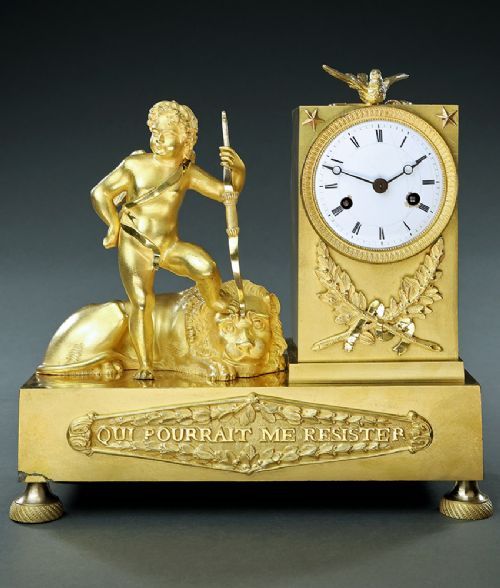
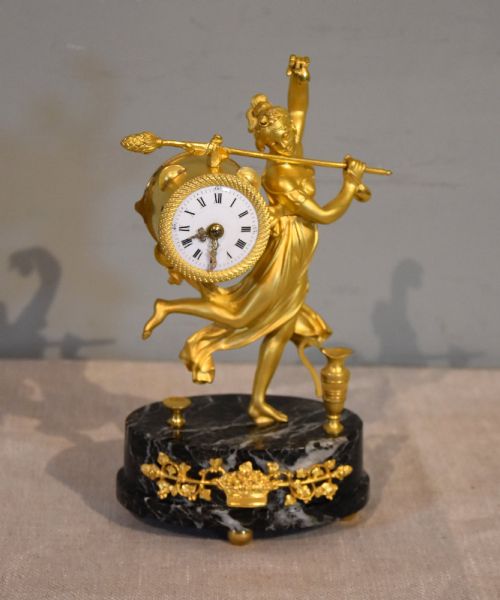
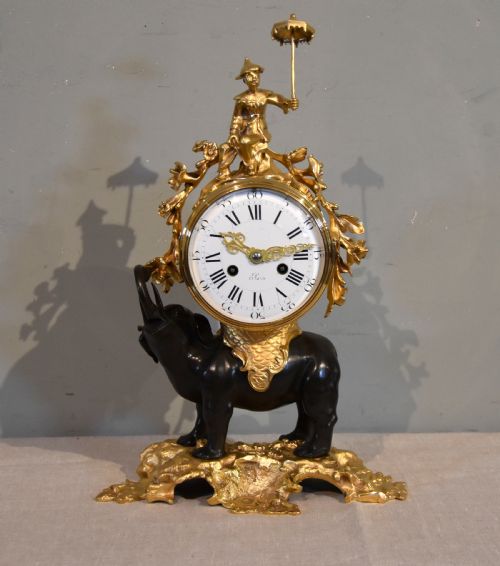
Makers housed these movements in patinated bronze, ormolu, and brass, frequently incorporating marble, porcelain, and enamel dials. Pieces range from architectural portico clocks to figural subjects depicting animals, classical figures, and allegorical scenes.
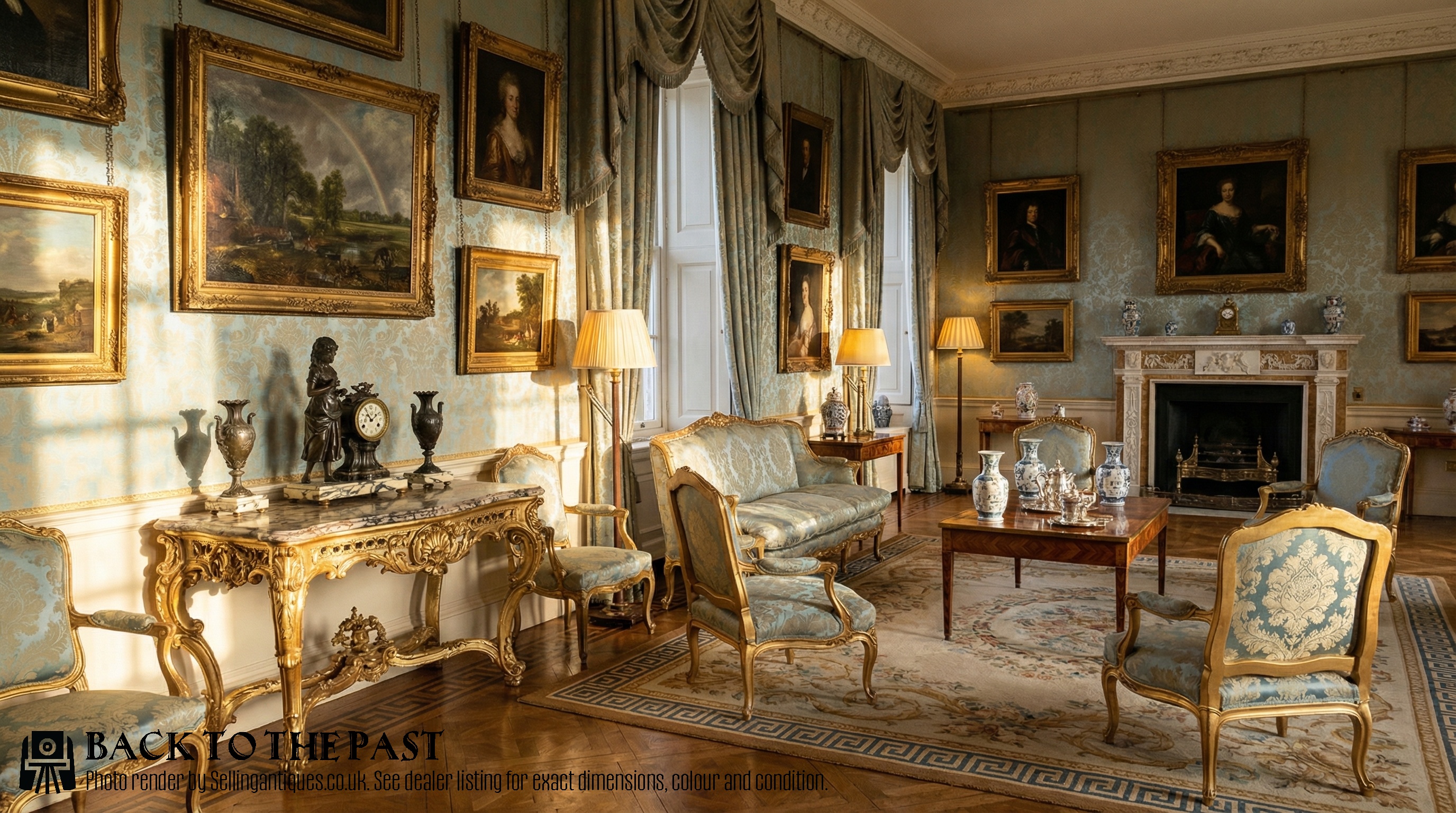
The domestic interior of the nineteenth century relied upon these objects for both timekeeping and formal decoration. Survivors from this era display mechanical complexity alongside decorative bronze casting.
Evaluating the Pieces
Quality resides in the crispness of the bronze chasing and the depth of the fire gilding. Superior castings retain sharp relief in hair, drapery, and foliage, whereas inferior examples appear soft and smoothed by worn moulds.
The sophistication of the movement and the reputation of the horologist or maker govern the mechanical standard. Signed dials and backplates by recognised Parisian or London makers indicate superior workshop execution.
Antique Bronze Timepiece Retail Price Guide 2026
Typical asking prices for bronze timepiece among the pieces listed under this phrase on Sellingantiques today, from the lower quarter to the upper quarter. They describe what is for sale here now, not the wider market.
Elephants, tigers, serpents, and stallions populate these clock cases, proving that nineteenth-century timekeeping needed a touch of the menagerie.
Jean-Baptiste Delettrez·Charles a Orleans·R Varnier·Baetens London·Rodier·Le Roy Paris·Viner London·Philippes Paris·Louis Goret Paris·Leon Message·Jollet et Cie·Samuel Marti·Cleret
The Antique Bronze Timepiece Glossary
- Ormolu
- Gilt bronze produced by applying a mercury and gold mixture to a bronze base and firing it until the mercury vaporised. This technique creates a durable, warm golden surface found on French revival clocks.
- Patinated bronze
- Bronze treated with chemical solutions to produce a controlled surface colour, typically dark brown, green, or near black. It contrasts sharply with bright ormolu mounts on figural clock cases.
- Portico clock
- A mantel clock featuring a architectural frame supported by four columns, often constructed from wood with ebonised finishes or marble. The pendulum typically swings visibly between the central supports.
- Champlevé
- An enamelling technique where troughs are dug into the metal surface and filled with coloured glass paste before firing. This method decorates the bezels and bezels of later nineteenth century table clocks.
- Boulle
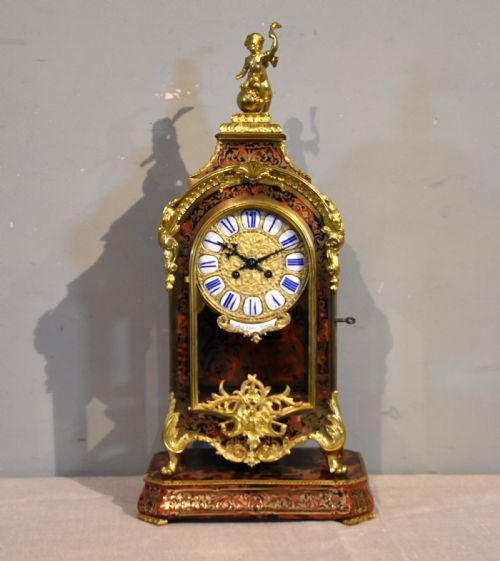
- A marquetry technique using tortoiseshell and brass inlaid in a contra-partie pattern, named after the cabinetmaker André-Charles Boulle. It appears on sophisticated waisted mantel clock cases.
Antique Bronze Timepiece: Frequently Asked Questions
How do I wind an antique bronze timepiece?
Most mechanical clocks require a specialised key inserted into the winding arbors on the enamel dial. Turn the key gently until you feel resistance, taking care not to over-wind the mainspring.
Keep the pendulum locked or stationary if you move the clock to a new mantelpiece. Setting the time should involve moving the minute hand forward rather than backward through the hours.
What is the difference between a timepiece and a clock?
In strict horological terms, a timepiece indicates the hours and minutes without possessing a striking train for bells or gongs. Many nineteenth-century examples functioned simply to tell the time in private chambers where chimes were unnecessary.
A clock, by contrast, includes an additional gear train and hammer mechanism to sound the hours on a bell or coiled wire gong. Both categories utilise similar bronze cases and escapement designs.
How can I tell a French Empire clock from a Rococo revival piece?
French Empire pieces rely on strict symmetry, classical military or mythological motifs, and dark patinated bronze contrasted with bright ormolu. Look for figures inspired by ancient Greece and Rome, such as Napoleon or classical deities.
Rococo revival clocks abandon symmetry entirely for asymmetrical C-scrolls, shell motifs, and naturalistic foliage. The bronze work on these pieces swirls organically around the enamel dial rather than following rigid architectural rules.
Where should I place a heavy marble and bronze clock?
Position these heavy objects on a sturdy, level mantelpiece or console table capable of supporting significant weight. Marble and bronze combinations require a stable surface to prevent the clock from leaning or losing its beat.
Avoid placing them in direct sunlight or near active heat sources, which can dry out antique oils and damage delicate enamel dials. Ensure the surface is vibration-free so the pendulum maintains a steady rhythm.