
Antique Bronze Bird
An antique bronze bird brings the natural world indoors, cast and finished to capture feathers, flight and posture in enduring metal.
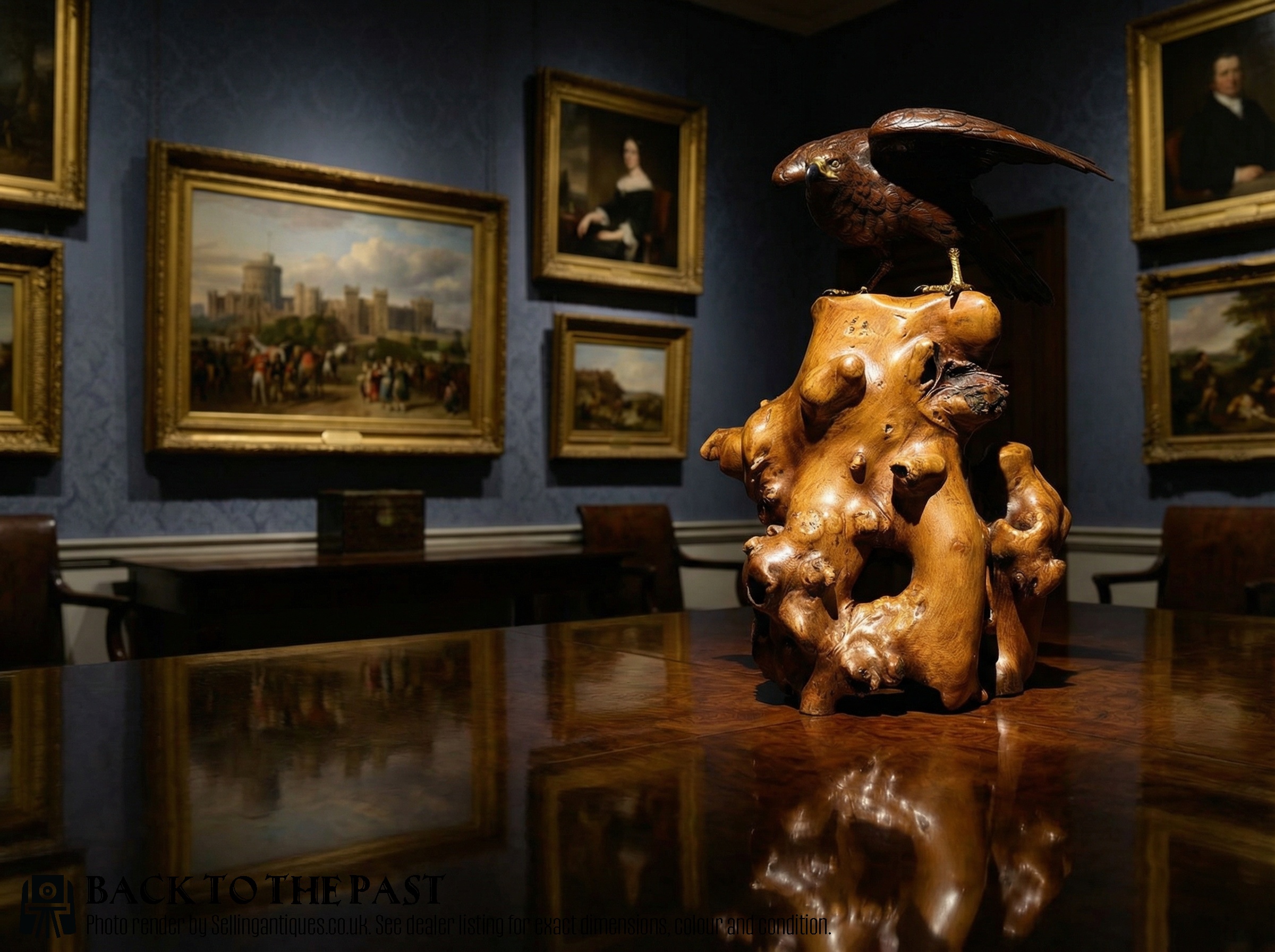
Antique Bronze Bird
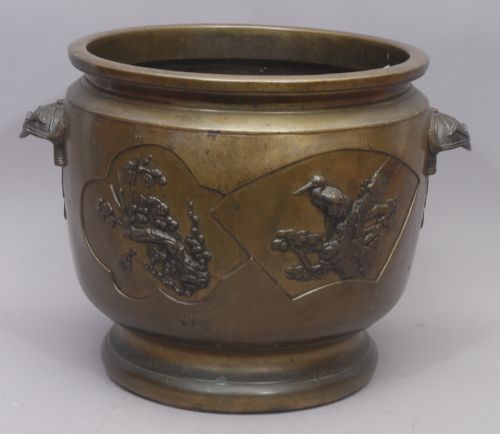
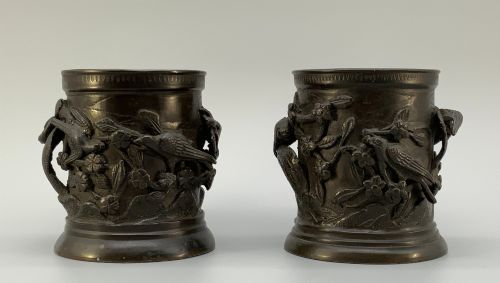
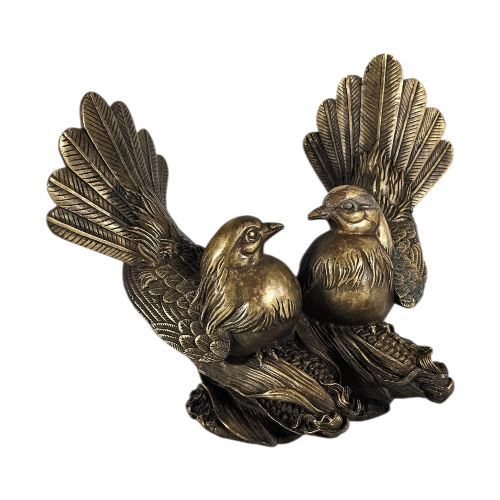
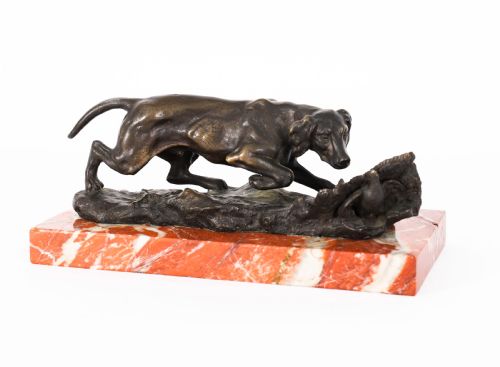
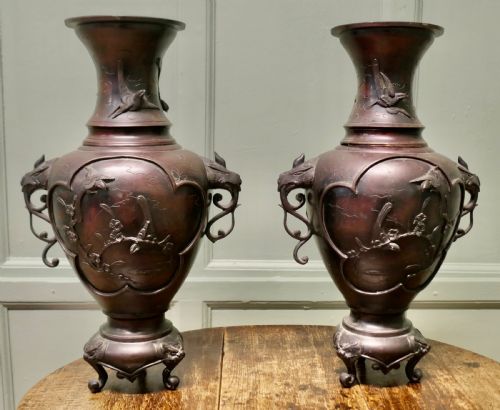
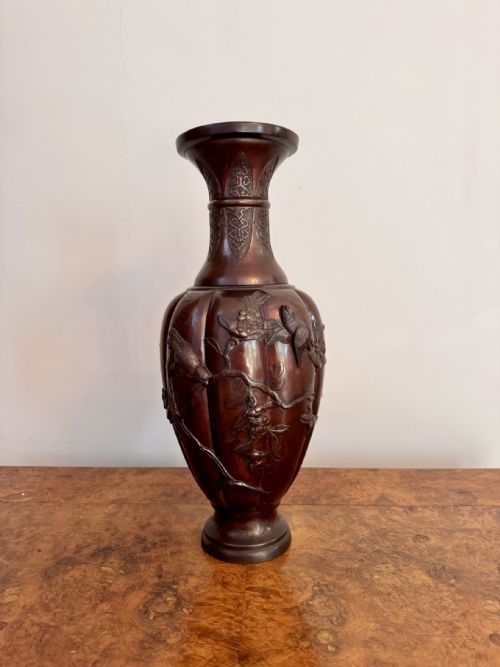
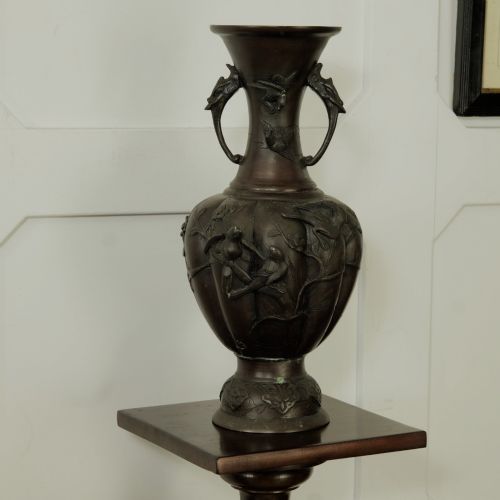
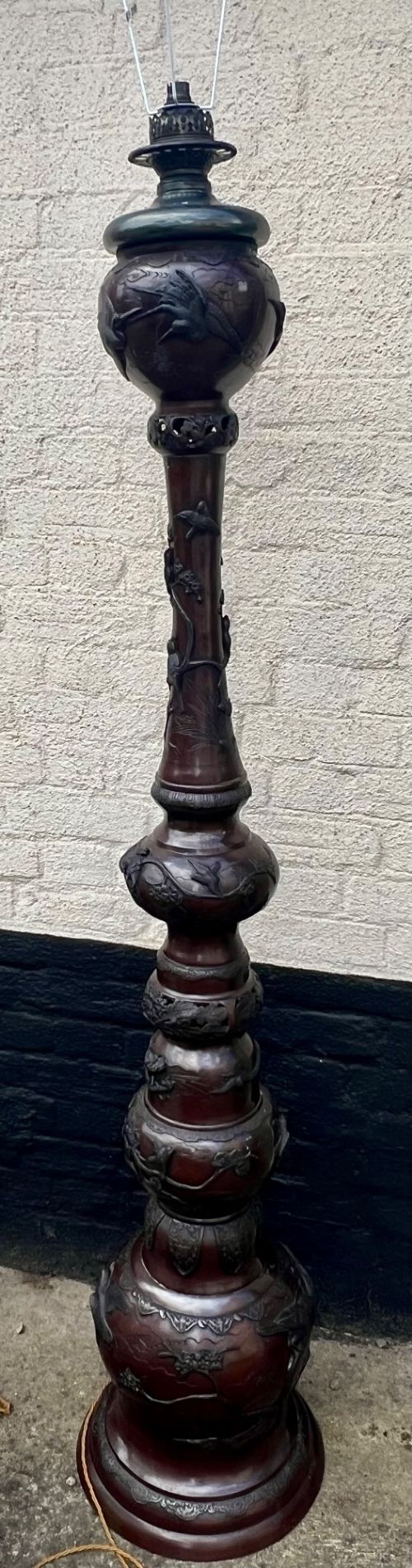
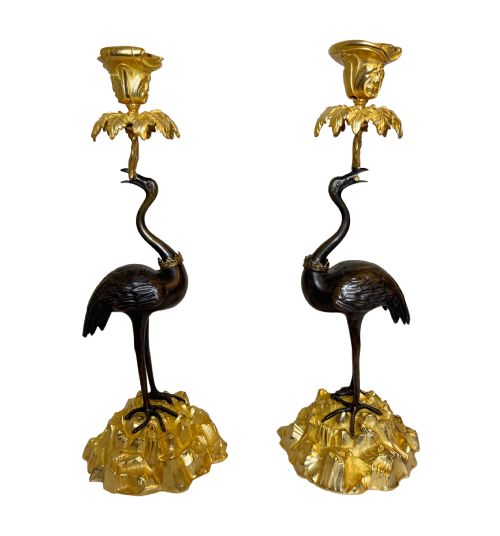
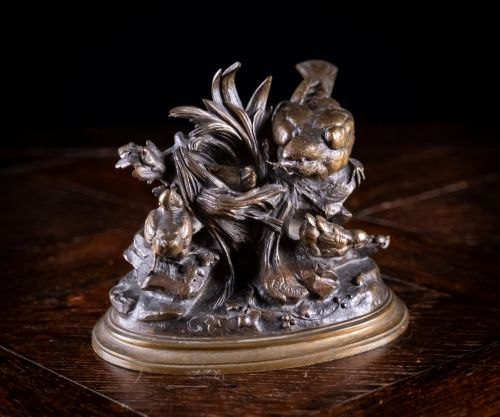
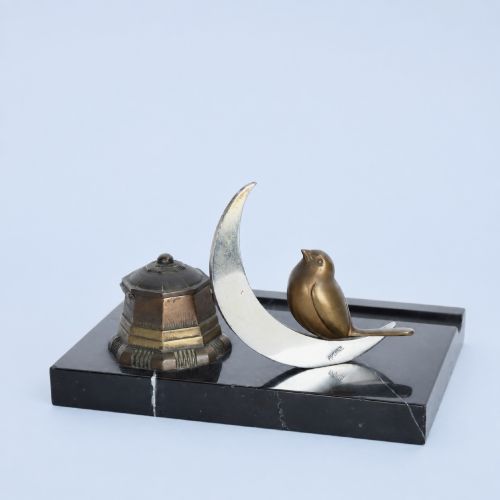
An antique bronze bird encompasses small desk sculptures, inkwells, candlesticks, floor lamps and large Japanese vases. These pieces range from European animalier figures and Austrian cold-painted models to Meiji period Japanese okimono and vessels decorated with cranes, pheasants and pigeons.
The objects span the nineteenth and early twentieth centuries, drawing heavily on Victorian, Art Nouveau and Art Deco aesthetics. Desk accessories and small animal studies dominate the selection, often pairing patinated or painted metal with marble bases.
How they were made
Foundries utilised lost-wax casting or sand casting to shape molten bronze, copper alloys and spelter into detailed avian forms. Artisans then applied patinas, gilding, enamel work or polychrome paint by hand to render realistic plumage and naturalistic colouration.
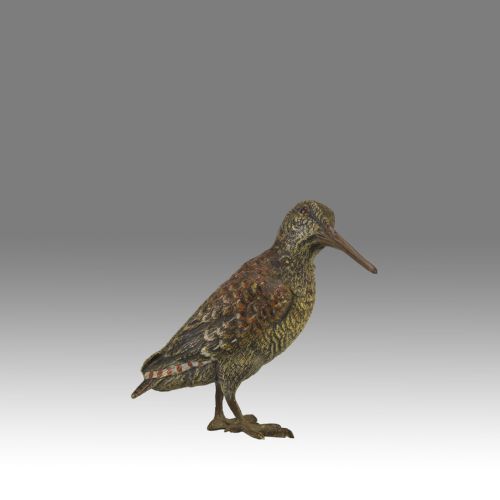
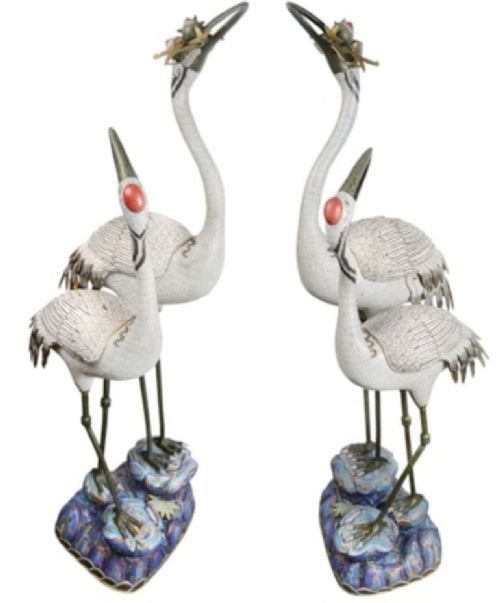
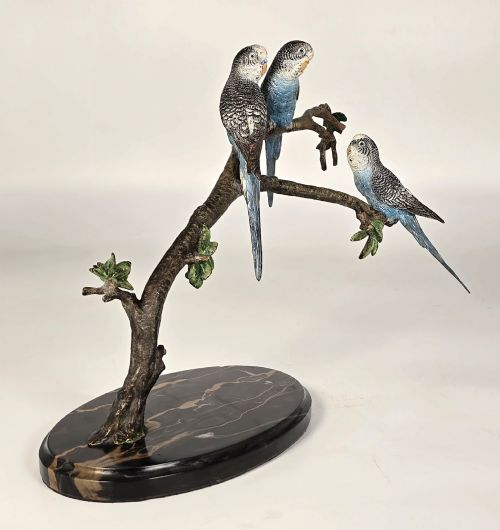
Many European and Austrian examples relied on cold-painting, where pigment was applied to the cast metal without high-temperature firing, while Japanese Meiji pieces often combined bronze with mixed metals and intricate cloisonne details.
Antique Bronze Bird Retail Price Guide 2026
Typical asking prices for bronze bird among the pieces listed under this phrase on Sellingantiques today, from the lower quarter to the upper quarter. They describe what is for sale here now, not the wider market.
The selection includes functional objects such as inkwells, floor lamps, candlesticks and jardinières alongside pure sculptural figures.
What varies in quality
The definition in feather chiselling and the naturalism of the bird's posture separate standard decorative foundry work from superior artistic sculpture. Master founders captured muscle tension and delicate wing structures without softening the contours through repeated casting.
Surface finish preservation determines the lasting appeal of a piece, particularly in cold-painted or enamelled items where original pigment retention remains vital. The quality of supplementary materials, such as heavy carved marble plinths or gilt bronze mounts, also elevates the stature of the object.
Carl Kauba·Franz Bergman·Louis Emile Cana·Frederique Cederlund-Ozanne·A.Cohen & Co Ltd London·Zoldan Kovats
The Antique Bronze Bird Glossary
- Cold-painted bronze
- A technique where bronze figures received non-fired oil paint finishes, popular in Austrian workshops during the late nineteenth and early twentieth centuries. This method allowed for vibrant depiction of bird plumage.
- Animalier
- A nineteenth-century artistic movement focused on the realistic representation of animals. Sculptors in this tradition studied anatomy closely to portray birds in motion or repose.
- Okimono
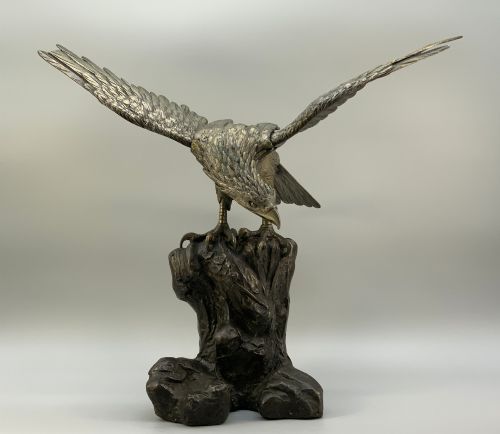
- A Japanese term for a decorative object placed on a display stand or tokonoma. These freestanding bronze sculptures often depict birds, eagles and hawks with meticulous detail.
- Cloisonne
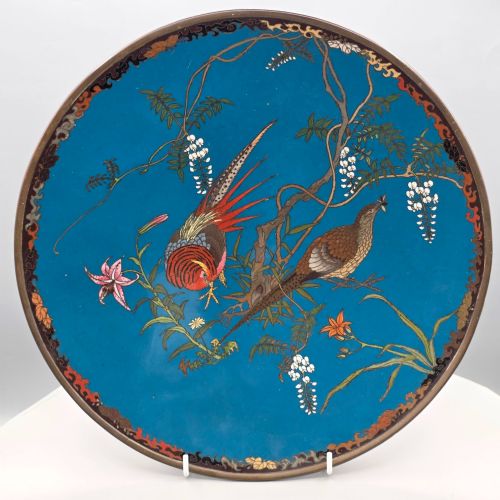
- An enamelling technique utilising metal wires to form compartments that are filled with paste and fired. On bronze vases and chargers, this created colourful backgrounds of floral and avian motifs.
- Spelter
- An alloy of zinc and copper often used as a less expensive alternative to bronze. It appears frequently in twentieth-century bookends and decorative figures.
Antique Bronze Bird: Frequently Asked Questions
What is cold-painted bronze?
Cold-painted bronze refers to metal sculptures finished with oil-based paints that were allowed to dry naturally rather than being fired in a kiln. This technique produced vivid, multicoloured finishes on small bird figures.
Over decades, handling and light exposure caused natural wear to these painted surfaces. Collectors value examples retaining their original, undisturbed colouration.
How do I identify a Meiji period bronze?
Meiji period Japanese bronzes typically date between eighteen-sixty-eight and nineteen-twelve, often featuring signature dark patinas, mixed metal accents, and precise renderings of birds like cranes, eagles and pheasants. They appear as freestanding okimono or decorative vases.
Many of these vessels and sculptures incorporated intricate cloisonne enamel or high-relief casting. Examining the base often reveals artist signatures or foundry marks from that era.
Where were these bird sculptures placed?
Smaller pieces functioned as desk accessories, inkwells, pen rests and bookends in nineteenth-century studies and offices. Larger sculptures and vases stood on mantelpieces, pedestals or floors in Victorian and Edwardian parlours.
Novelty inkwells disguised as birds in nests or game birds served both practical writing functions and decorative display purposes. They integrated animal subjects directly into everyday functional items.
How should I clean an antique bronze?
Antique bronzes require gentle dusting with a soft, dry brush to prevent dirt accumulation in detailed feather crevices. Harsh chemical cleaners must be avoided because they strip away historical patinas.
Preserving the surface sheen involves occasional light application of microcrystalline wax if the metal is bare bronze. Painted or cold-painted surfaces should only receive dry maintenance to protect the fragile pigment.