


Vienna Bronze Animal
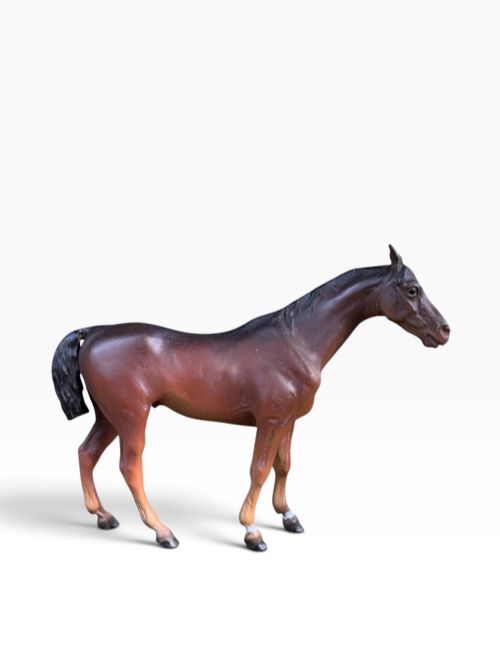
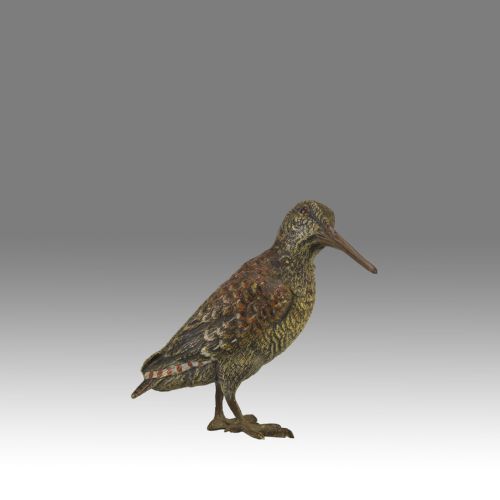
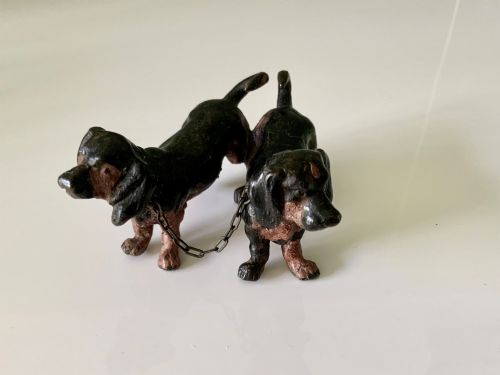
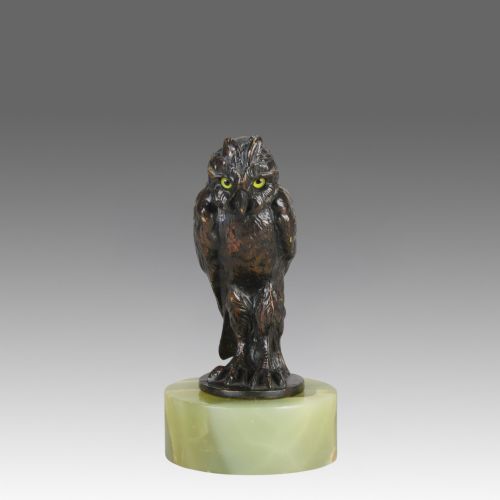
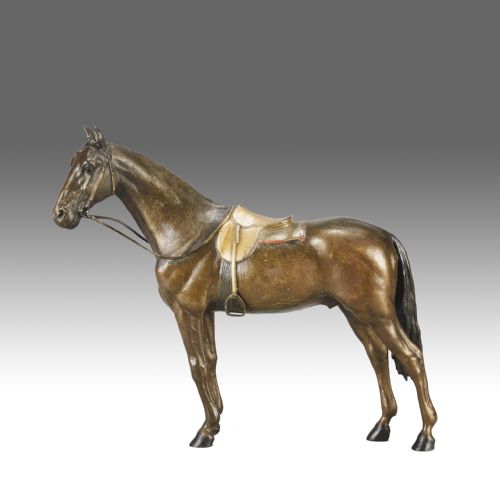
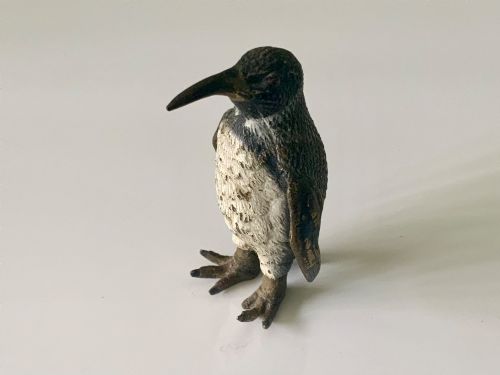
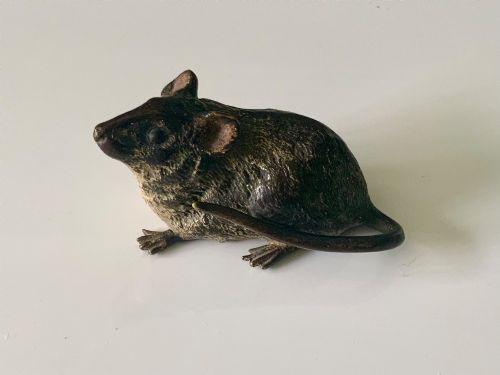
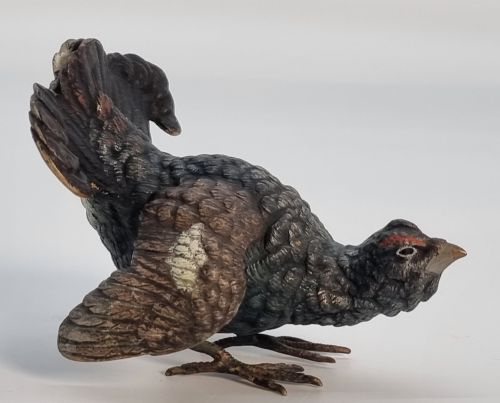
These vienna bronze animal figures capture creatures in miniature with vivid pigments and expressive detail, bringing character to any desk or shelf.
Vienna Bronze Animal
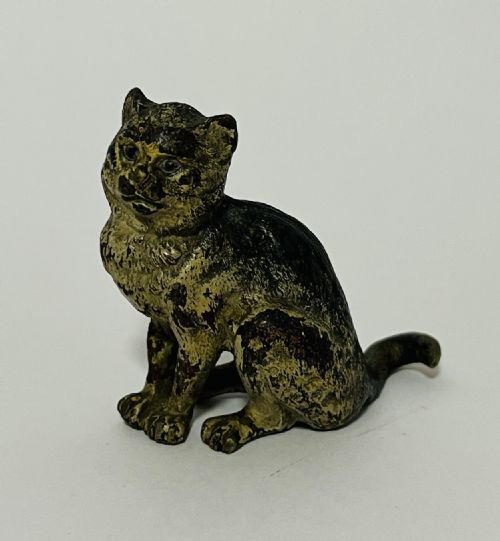
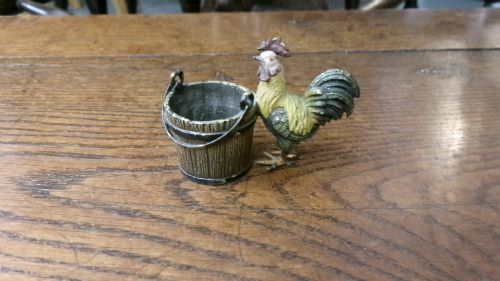
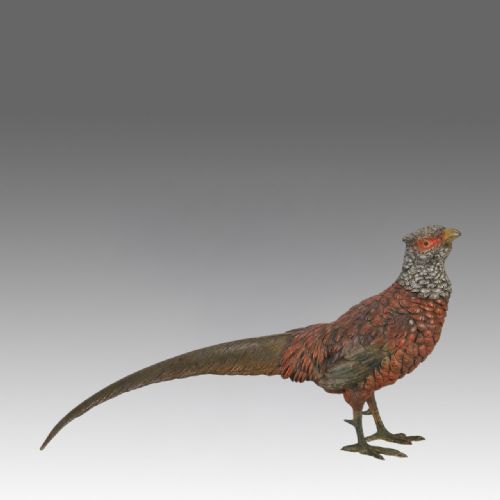
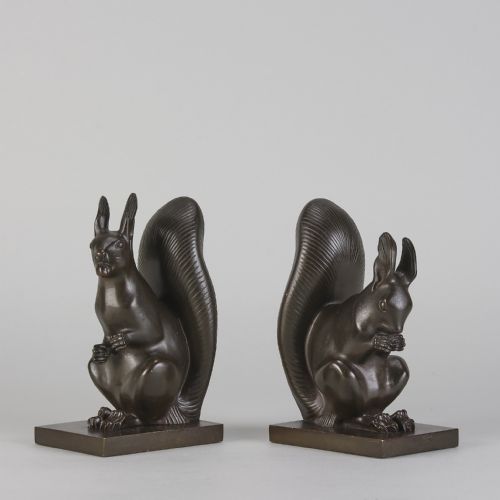
A vienna bronze animal brings domestic pets, exotic birds and wild beasts into miniature form, often doubling as functional desk accessories like inkwells and bookends. The figures range from tiny frogs and mice to larger hounds, birds and horses, reflecting a fascination with naturalism during the nineteenth and early twentieth centuries.
Most examples found here date from the early twentieth century, spanning periods from the Victorian era through Art Deco and Edwardian times. Makers produced these sculptures in Austrian workshops, shaping bronze and metal into lifelike postures that capture the specific traits of each species.
Collectors encounter diverse forms, including mounted animal studies set upon green onyx bases, miniature figurines, and practical items such as pin cushions and car mascots. These pieces display distinct regional styles, moving from traditional animalier realism to sleek modernist silvered finishes.
Materials and Techniques
Craftsmen cast these sculptures primarily in bronze or metal using traditional foundry methods, capturing fine textures such as fur, feathers and leather harness work. The metal serves as a robust base for subsequent surface decoration.
Artisans applied polychrome cold-paint by hand directly onto the unheated metal, creating detailed plumage and coats without kiln firing. This cold-painted technique allows for subtle colour gradients, though the paint remains delicate and susceptible to wear over time.
A tiny bronze frog sits patiently beside inkwells and heavy bookends, reminding collectors that even desktop utility had a sense of humour.
Judging Quality
The precision of the casting and the sensitivity of the hand-painting set individual pieces apart, separating mass production from works of artistic distinction. Artisans who achieved lifelike anatomical proportions and fine facial expressions elevated simple metalwork into engaging sculpture.
The preservation of the original polychrome paint dictates the standing of an item, as intact pigments reveal the intended vibrancy of the workshop. Secondary elements such as green onyx bases or functional mounts like inkwells and pin cushions also influence the overall character and completeness of the piece.
Franz Bergman·Franz Gruber·Karl Hagenauer
The Vienna Bronze Animal Glossary
- Cold-Painted Bronze
- Bronze or metal sculpture decorated with unfired paint applied by hand. This technique produces rich polychrome finishes on Vienna figures.
- Animalier
- A nineteenth-century artistic movement dedicated to the realistic portrayal of animals. Sculptors in this style studied living creatures closely to render accurate musculature and movement.
- Geschützt
- A German term meaning protected or registered, often stamped on Austrian metalwork. It indicates a patented design or trademark from the period.
- Vienna Bronze
- Small bronze sculptures produced in Austrian foundries during the late nineteenth and early twentieth centuries. They are renowned for naturalistic animal subjects and detailed painting.
Vienna Bronze Animal: Frequently Asked Questions
What is a vienna bronze animal?
A small cast metal sculpture of a creature, decorated with hand-applied cold paint. These pieces originated in Austrian foundries during the nineteenth and twentieth centuries.
Subjects range from domestic dogs and farmyard birds to exotic wildlife, often modelled with distinct realism or character.
How were these bronzes painted?
Artisans applied polychrome paint by hand directly onto the cold metal surface without firing it in a kiln. This method allowed for intricate shading on feathers and fur.
Because the paint was not baked on, surviving examples often show varying degrees of natural wear and patina.
How do I clean a cold-painted bronze?
Dust the surface gently with a soft, dry brush to remove particles without disturbing the delicate paint layer. Avoid liquid cleaners, water or chemical solvents entirely.
Moisture and harsh agents can strip the cold-painted pigments from the metal, permanently damaging the finish.
Where were these animal figures made?
The majority of these pieces were manufactured in Austrian workshops, particularly in Vienna, which became a centre for small bronze casting. Foundries employed skilled modellers and painters to produce diverse animal figures.
Export markets across Europe and Britain absorbed large quantities of these decorative items for homes and offices.