


Miniature Bronze Statue
A miniature bronze statue brings weighty classical presence, animal character or architectural mastery into a room on a small scale.
Miniature Bronze Statue
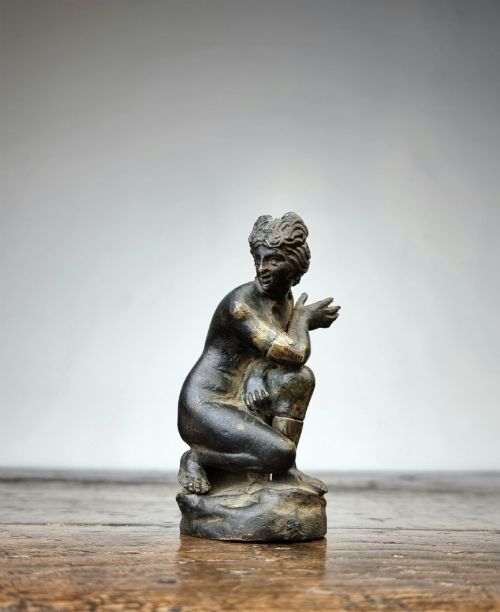
A miniature bronze statue encompasses small sculptures, statuettes, figurines and architectural models spanning several centuries of metalworking. Buyers seeking a miniature bronze statue encounter subjects ranging from classical deities and philosophers to Austrian cold painted animals and Grand Tour architectural monuments.
The pieces originate from workshops across Europe and Asia, capturing the grand aesthetics of the seventeenth, eighteenth and nineteenth centuries in compact form. Animal figurines and naturalistic studies dominate the early twentieth-century selections, alongside patinated figures from the Art Deco period.
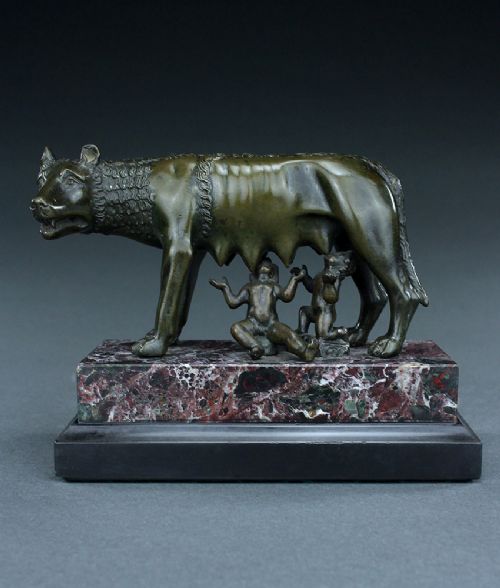
Grand Tour souvenirs form a significant group, preserving memories of ancient Rome and classical antiquity for nineteenth-century travellers. Architectural models and portrait busts sit alongside small Chinese scroll weights and provincial French figures, demonstrating the sheer breadth of scale and subject.
Materials and casting methods
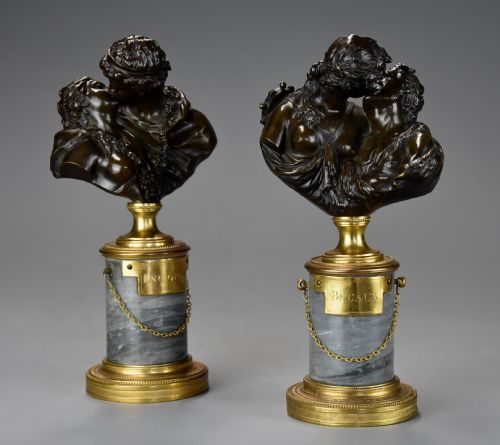
Makers cast these small sculptures primarily in bronze, sometimes combining the metal with brass or mounting the figures on marble bases. Surface treatments range from natural patination to applied paint and cold painting techniques, where colour adheres to the cold metal surface after firing.
Ornate finishes utilise ormolu and detailed paintwork to accentuate the texture of feathers, fur and drapery. The casting process relies on careful metalwork to preserve fine details in pieces measuring only a few inches across.
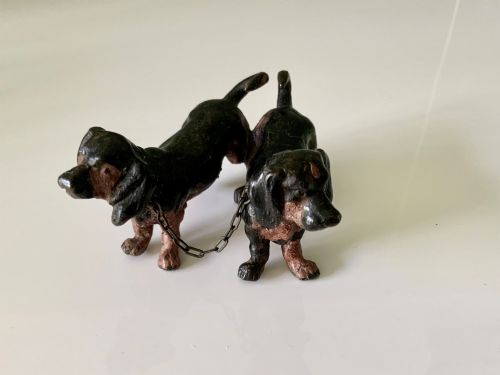
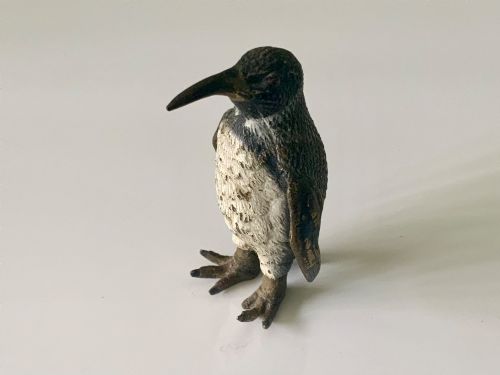
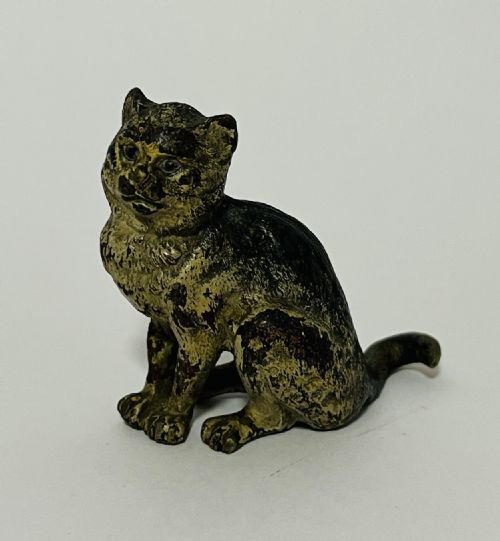
Tiny bronze frogs, dachshunds and penguins wait patiently to inhabit your bookshelf, demanding no feeding and very little dusting.
Casting fidelity and surface finish
The standard of a miniature bronze statue rests upon the crispness of the initial cast and the sensitivity of the finishing work. Superior examples retain sharp facial expressions, clean architectural lines and unblurred anatomical details without losing their textural character.
The application of cold paint or patination marks the difference between mass production and master craftsmanship. Surviving original pigment layers that remain intact without flaking indicate superior preservation and higher workshop standards.
H. Chiparus·Edith Parsons·Franz Bergman
The Miniature Bronze Statue Glossary
- Cold painted bronze
- Bronze sculpture finished with polychrome paint applied after casting rather than fired in a kiln. This technique created vibrant, lifelike animal and human figures particularly popular in Austrian workshops.
- Grand Tour
- Cultural travel undertaken by nineteenth-century Europeans to study classical antiquities, prompting the creation of miniature bronze statues representing famous statues and monuments. These souvenirs allowed collectors to display miniature copies of Roman architecture and Greek sculpture at home.
- Patination
- The surface coloration and sheen developed naturally through age or applied artificially by the maker using chemical treatments. A deliberate patina enhances the depth and visual texture of the bronze.
- Ormolu
- Finely ground high-carat gold applied to a bronze object through a mercury amalgam process or electroplating. This decorative coating yields a rich, golden lustre on metalwork.
- Geschützt
- A German term meaning protected or registered, often stamped onto Austrian bronzes to indicate a legally secured design. Its presence helps identify pieces from central European foundries.
Miniature Bronze Statue: Frequently Asked Questions
How do I clean a miniature bronze statue?
Dust the surface gently with a soft, dry brush to prevent accumulation in crevices and engraved details. Avoid using water, soap or metal polishes, as these abrasive substances strip away historic patination and delicate cold painted finishes.
Apply a very light coat of microcrystalline wax occasionally if the bare metal requires protection from atmospheric moisture. Buff the surface softly with a clean cloth to maintain a stable, matte sheen.
What is a Grand Tour bronze?
A Grand Tour bronze is a small-scale sculpture or architectural model purchased by travellers in the eighteenth and nineteenth centuries. These pieces replicated famous antiquities, buildings and statues encountered during educational tours across Italy and France.
They served as portable reminders of classical history and displayed the owner's cultural sophistication upon returning home. Common subjects included columns, temples and classical busts cast in bronze.
What does cold painted mean?
Cold painting refers to a decorative technique where a bronze sculpture is painted with non-fired pigments after casting. Austrian workshops famously utilised this method to create brightly coloured animal figurines and human subjects with high realism.
Because the paint was not fused to the metal in a kiln, surviving examples often show natural wear and loss of pigment over time. Collectors prize pieces where the original cold painted surface remains largely undisturbed.
How do I date an antique bronze?
Dating relies on examining the casting style, the nature of the patination, maker's marks and the underlying aesthetic movement. Neoclassical and Baroque examples draw upon earlier design vocabularies, while stamped words or specific foundry signatures point to nineteenth or twentieth-century production.
Material combinations, such as the type of marble used for bases or the specific hues of cold paint, provide further clues. Comparing the subject matter to known historical periods helps narrow down the decade of creation.