
Antique Brass Vessel
These antique brass vessel pieces bring centuries of metalworking history into your home through functional and decorative forms.
What these pieces are
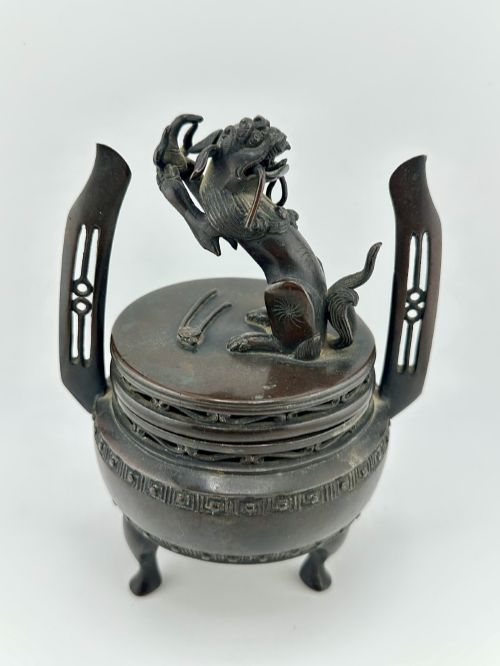
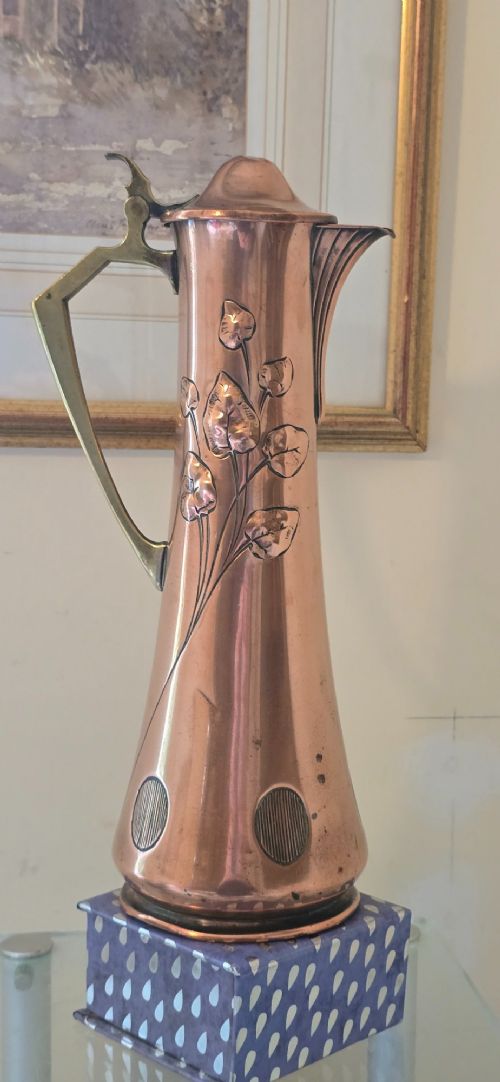
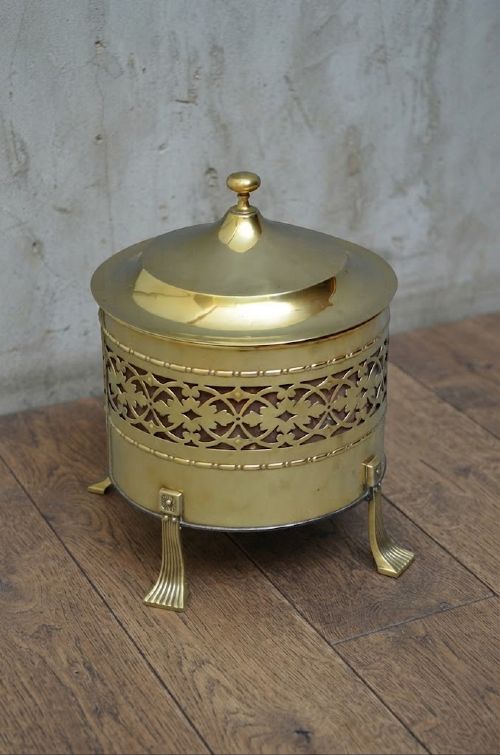
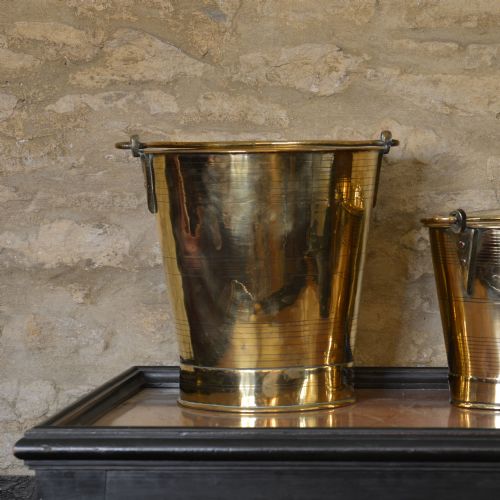
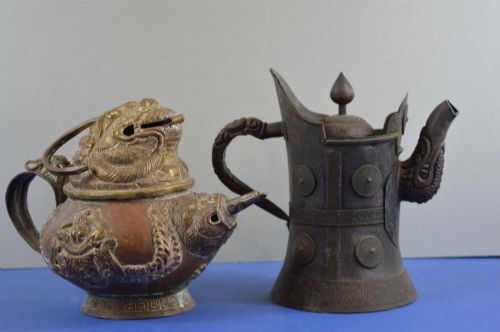
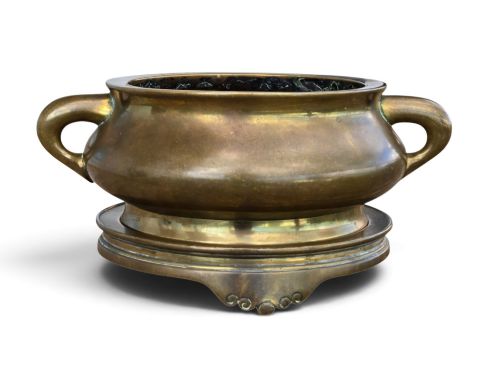
When you search for an antique brass vessel, you encounter a diverse group of metal objects spanning domestic utility and decorative display. The inventory includes planters, jardinieres, chocolate pots, basins, apothecary mortars, and wine jugs.
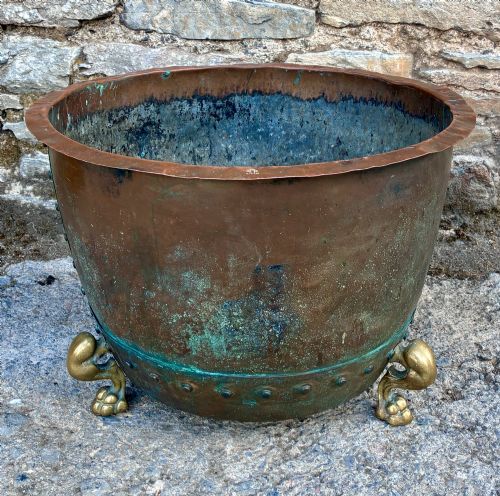
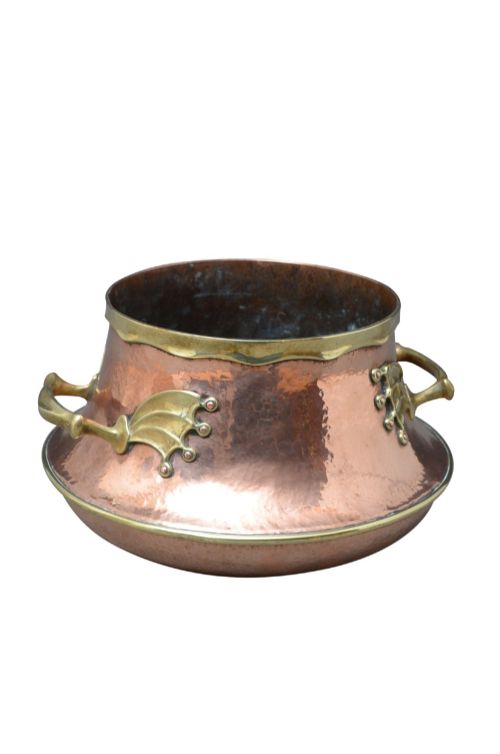
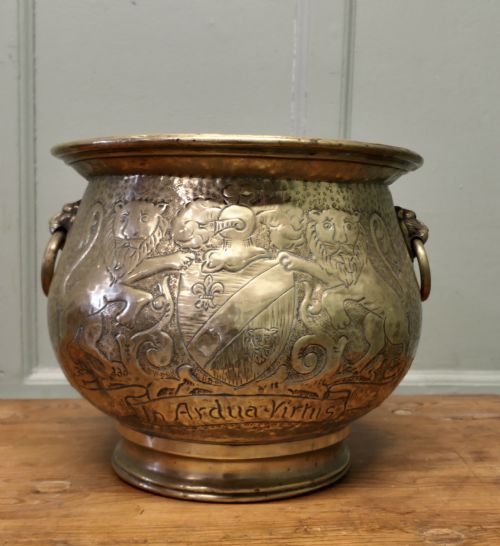
Form follows function across these items, whether intended for botanical display, pharmaceutical preparation, or table service. You are most likely to meet Victorian planters and horticultural vessels on this page.
How they were made
Construction relies heavily on cast brass, alongside standard brass sheet and occasionally wood components. Metalworkers shaped these materials through casting, hammering, and detailed surface engraving.
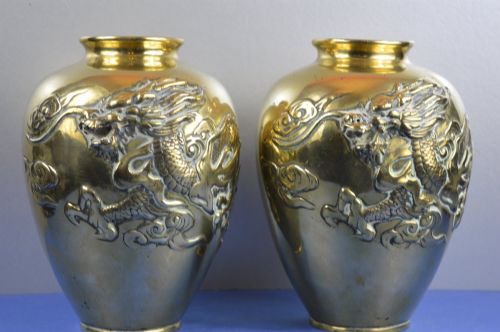
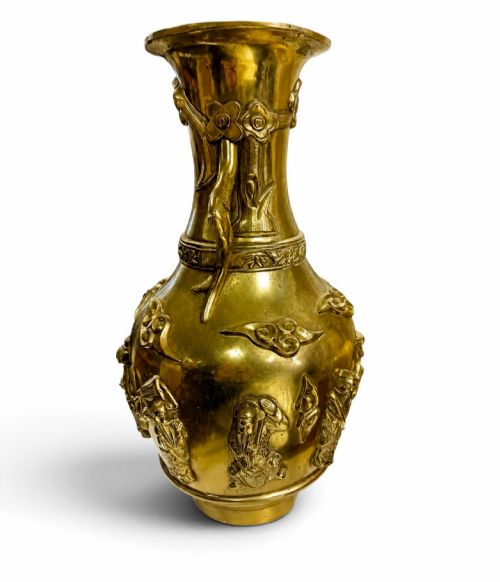
Engraved pieces utilise fine hand-chiselled lines to create intricate decorative patterns across the brass surface. Heavier domestic forms, such as mortars and planters, demonstrate robust casting techniques designed for daily utility.
Retail Price Guide 2026
Typical UK retail prices for brass vessel, calculated from the Sellingantiques database of over a million retail prices indexed since 2003. This retail price guide relies exclusively on Sellingantiques data; no external sources or auction records are used, so the figures do not describe the wider market.
What varies in quality
Quality separates plain utility items from those displaying sophisticated surface ornament and deliberate artistic intent. The depth and precision of hand engraving set finer eastern and domestic pieces apart from simpler everyday hardware.
Proportion and material weight also dictate the grade of a piece, with thicker cast brass walls and balanced forms representing superior execution. The preservation of original surface texture and honest patination further distinguish better examples.
The Antique Brass Vessel Glossary
- Brass
- An alloy of copper and zinc known for its bright golden appearance and durability. It has been utilised for centuries to create both decorative and utilitarian household items.
- Jardiniere
- An ornamental pot or stand designed to hold growing plants or flowers. These vessels often feature decorative embossing or heavy brass casting.
- Mortar and pestle
- A bowl and grinding tool used historically by apothecaries and in domestic kitchens to crush substances. Brass versions offer a sturdy, weighted construction for heavy use.
- Oinochoe
- An ancient Greek wine jug characterised by a trefoil pouring lip. Later revival pieces emulate this classical pottery form in cast metal.
Frequently Asked Questions
How do I clean an antique brass vessel?
Maintenance requires gentle dusting and occasional cleaning with a mild, non-abrasive metal cleaner if active corrosion threatens the metal. Avoid aggressive polishing that strips away the historic surface patina.
Leaving a natural aged finish is generally preferred by collectors to preserve the character and visual depth accumulated over the centuries.
Are these vessels safe for holding plants?
Many of these pieces, particularly the jardinieres and planters, were specifically designed to house greenery and floral arrangements. Placing a protective liner inside prevents moisture from directly contacting the historic metal.
Ensuring proper drainage management protects both the interior surface of the brass and any surrounding wooden furniture from water damage.
How can I tell the age of a brass vessel?
Dating relies on examining the manufacturing marks, casting seams, tool marks, and stylistic characteristics typical of periods like the Victorian era or the eighteenth century. Hand-chiselled engraving and specific forms often point towards particular centuries of origin.
Comparing the wear patterns and construction methods against documented examples helps establish a reliable timeframe for each item.
What is the difference between a planter and a jardiniere?
While both terms describe vessels intended to hold plants, a jardiniere frequently serves as a more decorative standalone ornament for interior display. Planters can encompass a broader range of utilitarian growing containers used indoors or outdoors.
On this page, both forms showcase period metalwork techniques ranging from simple Victorian shapes to elaborate Edwardian designs.