
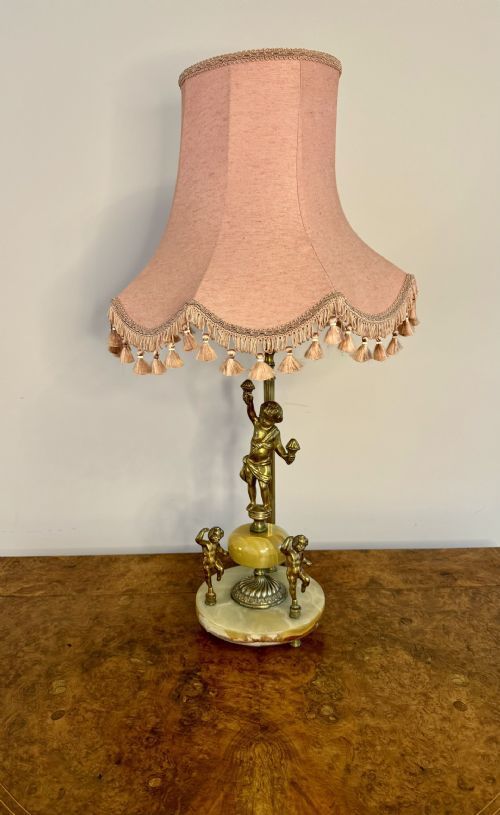
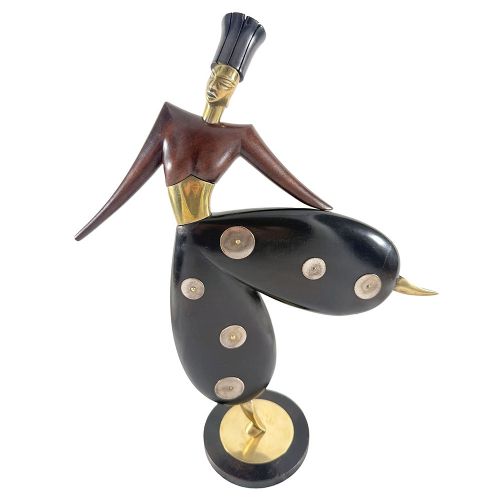

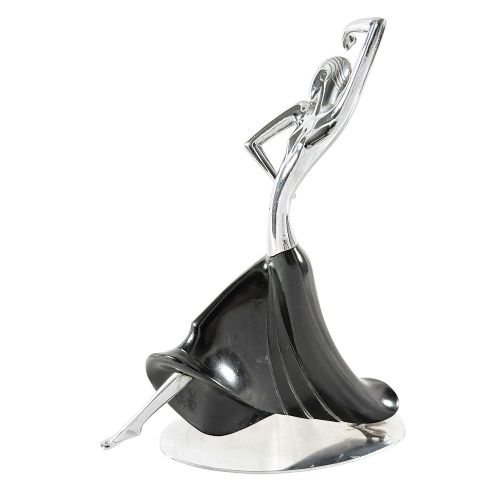
Antique Brass Statues
These antique brass statues bring historical presence into a room, spanning figures of animals, deities, soldiers, and domestic ornaments cast in metal.
Antique Brass Statues
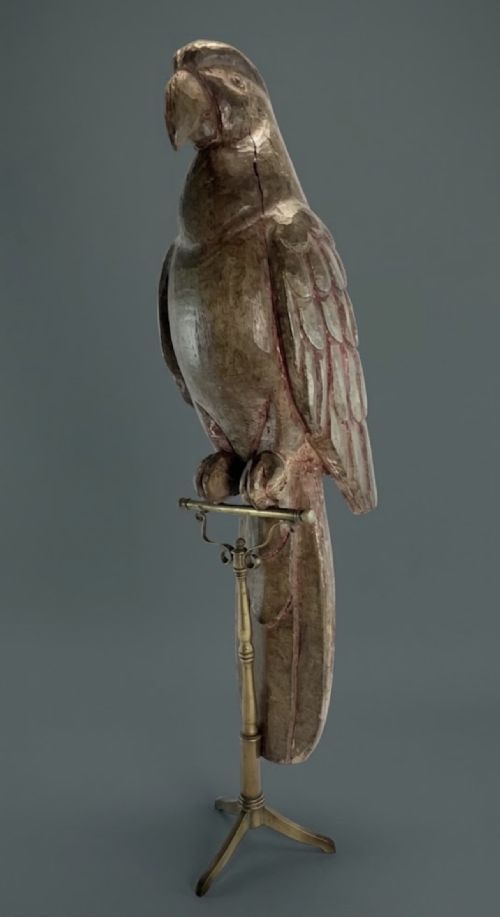
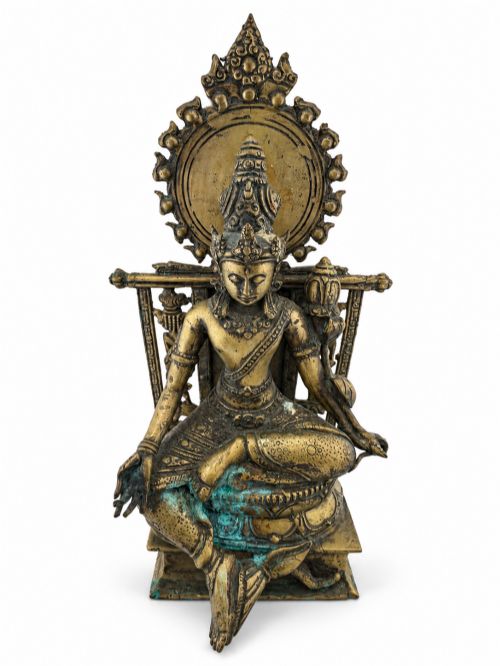
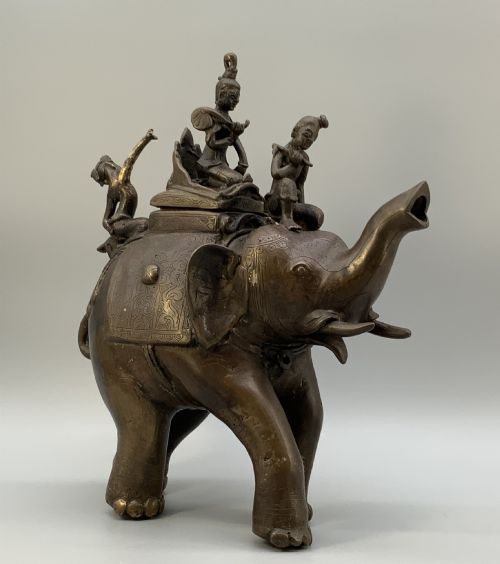
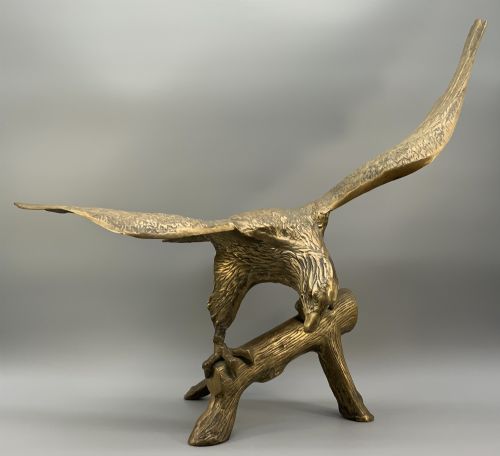
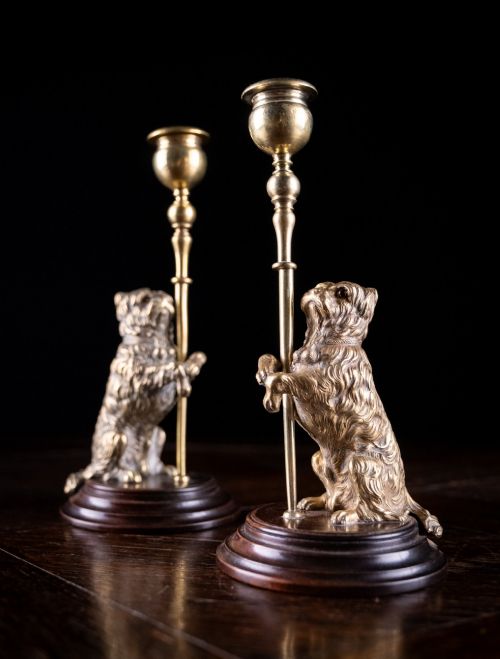
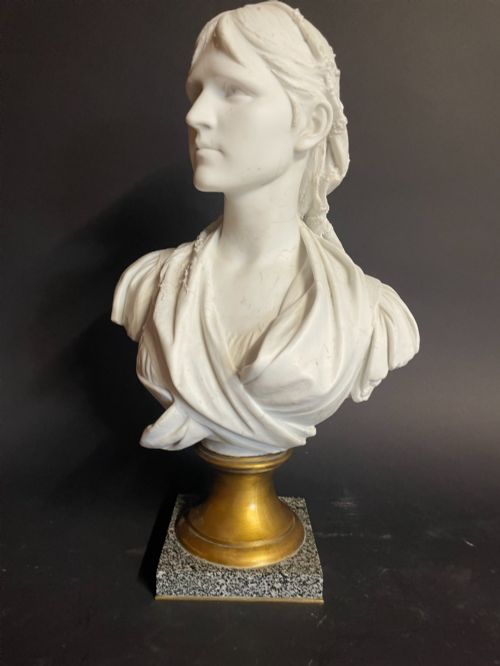
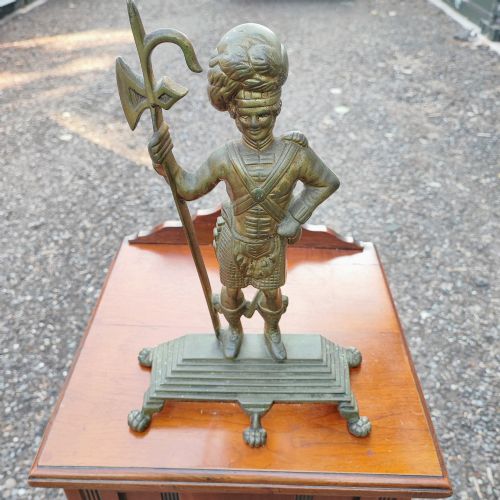
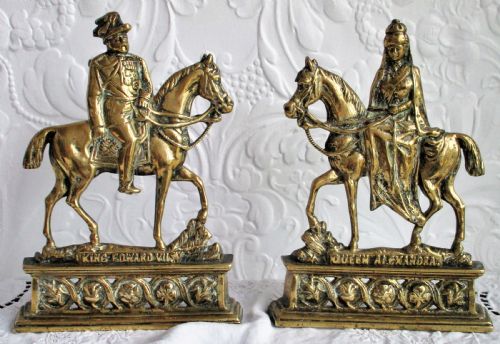
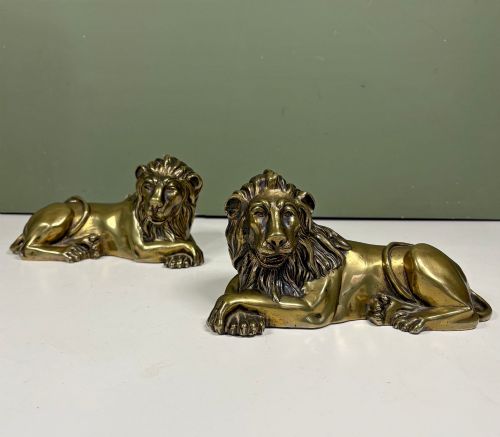
These pieces encompass sculptural metalwork ranging from British Victorian doorstops and animal table lamps to Asian bronze and brass deities, shrine figures, and equestrian statuettes. When searching for antique brass statues, collectors encounter domestic chimney ornaments alongside Continental Neoclassical bronzes, French gilt-metal figures, and carved animal studies.
The selections on this page draw from the nineteenth century through the early twentieth century, incorporating Victorian, Edwardian, and Art Deco design vocabularies. Forms vary from functional items like andirons, inkstands, and companion sets to pure decorative sculptures representing humans, animals, and mythological subjects.
How they were made
The construction relies heavily on traditional casting methods utilising brass, bronze, and copper, often enriched with fire-gilding, silver inlay, or painted details. Many items combine metal alloys with contrasting natural elements such as carved wood, marble, and onyx bases.
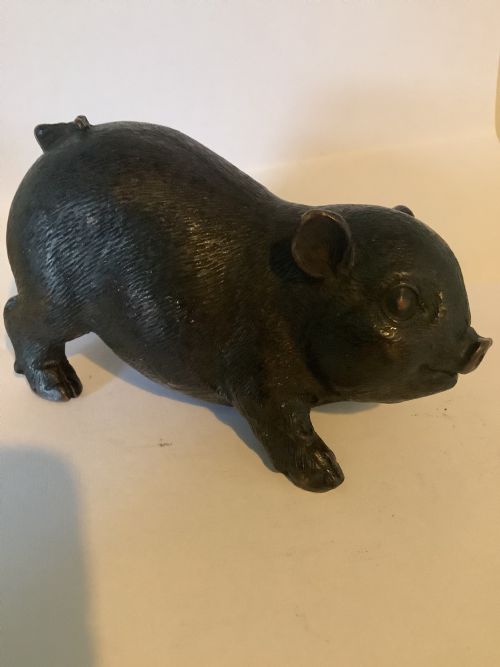
A cast brass pig stands ready to bring a touch of farmyard charm to the nineteenth-century parlour.
What varies in quality
Quality rests upon the crispness of the cast and the depth of the hand-chasing applied after the metal cools. Superior examples exhibit sharply defined facial expressions, fine textural details in fur or fabric, and substantial weight in the underlying metal.
The selection of secondary materials also dictates standard, with high-grade pieces incorporating solid marble or onyx plinths, intricate multi-part construction, and harmonious patination rather than flat, uniform factory surfaces.
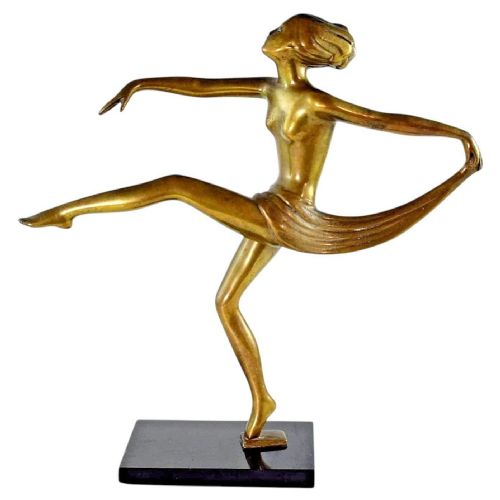
Josef Lorenzl·Emile-Coriolan Guillemin
The Antique Brass Statues Glossary
- Brass
- An alloy of copper and zinc known for its bright golden appearance. It has been utilised for centuries to cast decorative statues, doorstops, and candlesticks.
- Bronze
- A copper alloy typically containing tin, prized by sculptors for its durability and capacity to hold fine surface detail during the casting process.
- Gilt bronze
- Metal that has been coated with a thin layer of gold or gold leaf. This technique enhances decorative statues and ornamental items with a lustrous finish.
- Chasing
- The manual technique of refining a metal surface by hammering and punching with small tools. It sharpens the details of a cast statue after it leaves the mould.
- Patina
- The surface sheen and colour acquired by metal over decades of exposure to air and handling. It indicates age and distinguishes authentic older pieces from recent reproductions.
Antique Brass Statues: Frequently Asked Questions
How do I clean antique brass statues?
Maintenance requires only a soft cloth to remove dust, preserving the natural patina developed over decades.
Harsh chemical polishes remove the aged surface layer and diminish the historical character of the metal.
Are these statues solid brass?
Many figures are cast as solid metal, while larger sculptural works or lamps often utilise hollow-cast construction to manage weight.
Base materials may also incorporate weighted fillings or supportive mounts made from marble, wood, or onyx.
How do I date an antique statue?
Dating relies on stylistic clues, casting techniques, tool marks, and the specific composition of the alloy used.
Clothing styles, Victorian or Art Deco design motifs, and manufacturing methods offer clear chronological markers.
Where should I display these statues?
These pieces suit mantelpieces, desk tops, and dedicated display cabinets where their weight and metallic finish remain secure.
Placement should avoid damp environments to protect any integrated wooden bases, fabric elements, or sensitive metal patinas.