





Gold Brass Ornaments
Gold brass ornaments bring heavy, glowing character to a room, spanning weighty Victorian doorstops and sleek Art Deco desk models.
Gold Brass Ornaments
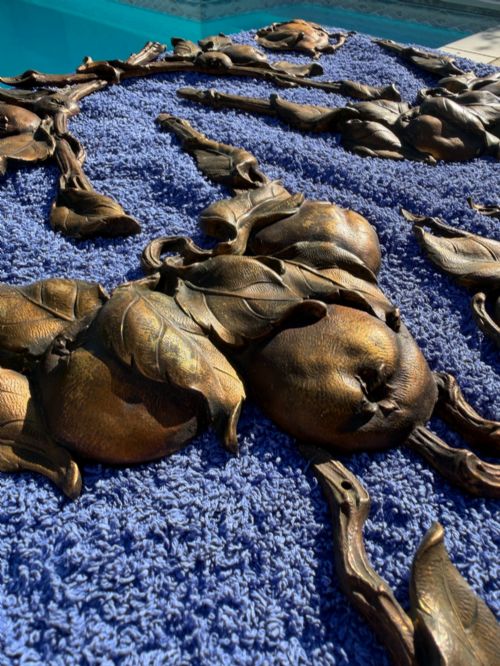
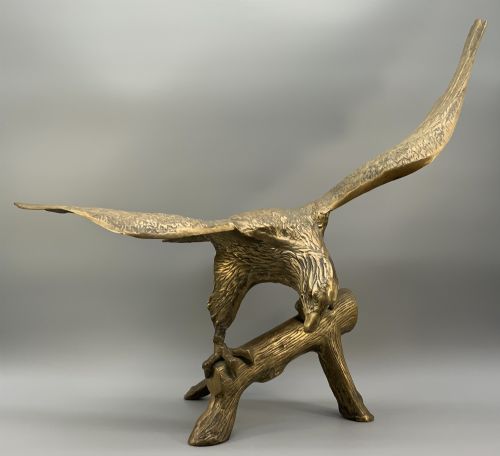
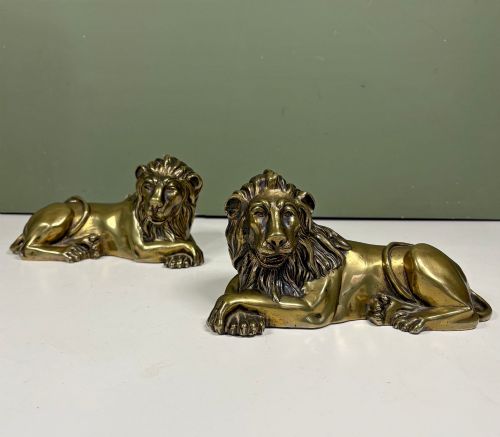
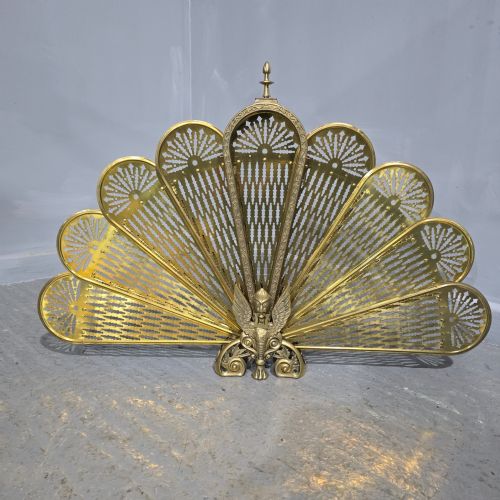
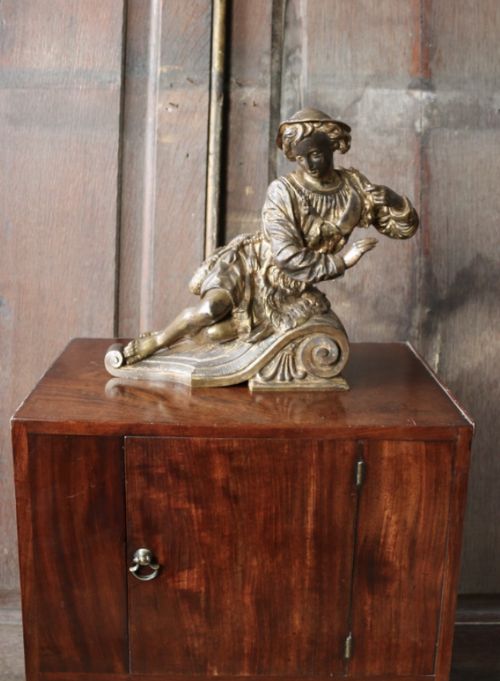
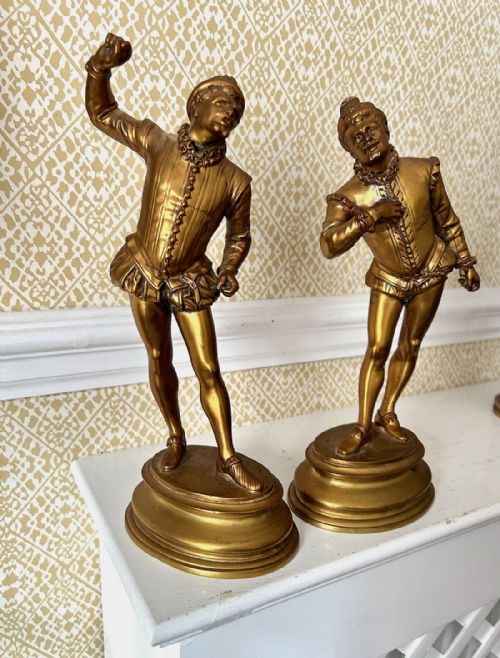
When people search for gold brass ornaments, they encounter a diverse selection of metalwork spanning the nineteenth century through the mid-twentieth century. The pieces appearing here range from utilitarian items like doorstops and inkwells to purely decorative sculptures, animal figures, and architectural mounts.
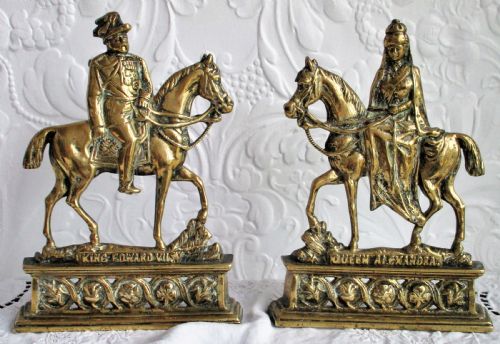
The objects most frequently met on this page belong to the Victorian and Edwardian periods, alongside Art Deco creations from the nineteen-thirties. English and French workshops dominate the selection, producing everything from cast animal figures to elaborate fireplace accessories.
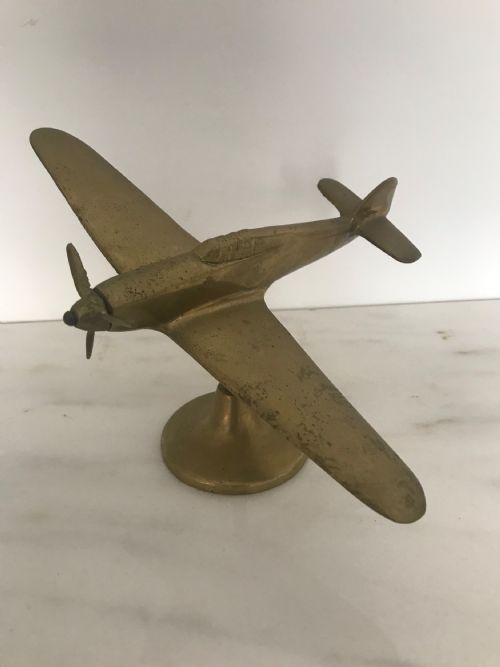
Buyers will also find novelty items and desk models, reflecting domestic interests of past eras. The assortment bridges functional household items and ornamental art without leaning exclusively into one category.
Evaluating the craftsmanship
The preservation of the original gilt or ormolu surface dictates visual appeal. Pieces retaining rich, unpolished fire-gilding stand apart from those stripped down to raw base metal or recoated with modern lacquer.
A cast brass bulldog stares through original glass eyes, ready to guard your desk from missing ink.
Poix Blin·Josef Lorenzl·The Birmingham Guild·Charles Korschann
The Gold Brass Ornaments Glossary
- Ormolu
- Gilded bronze produced by applying a mercury and gold amalgam to a bronze object and heating it. This historic French technique yields a distinctive matte golden finish that resists tarnishing.
- Champlevé
- An enamelling technique where troughs or cells are hollowed out of the metal surface and filled with vitreous enamel paste before firing. It frequently decorates late nineteenth-century desk accessories.
- Chenet
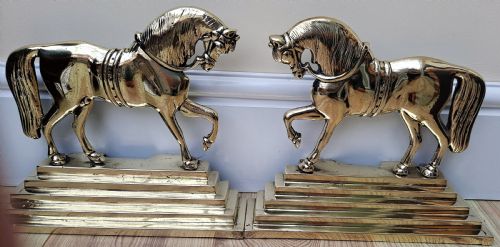
- A French term for fire dog or andiron, designed to support logs in an open hearth. Pairs of these metal ornaments often feature sculptural figures or architectural urns.
- Applique
- An ornamental metal plaque fixed to furniture, walls, or panelling. These decorative mounts are cast and chased in high relief.
- Novelty
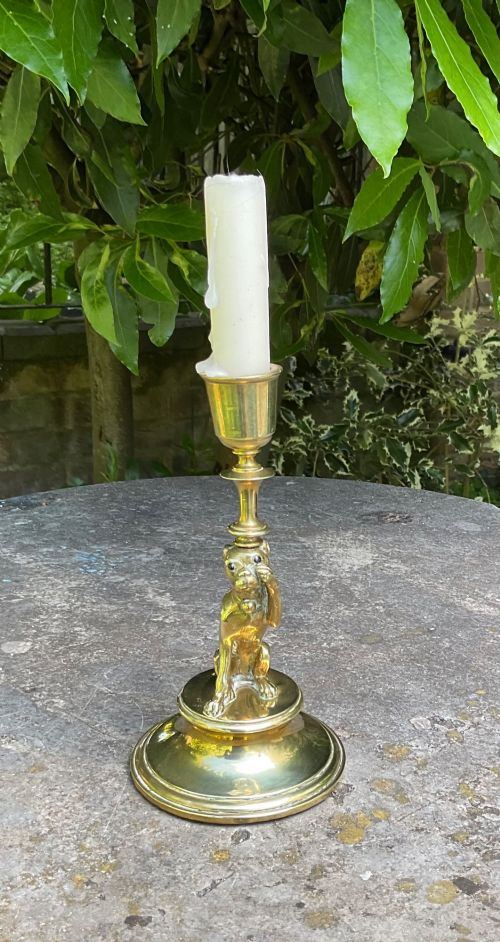
- An object designed in a humorous or whimsical shape, such as an animal inkwell or a pug dog candlestick. Victorian manufacturers produced these in large quantities for domestic use.
Gold Brass Ornaments: Frequently Asked Questions
How do I clean gold brass ornaments?
Dust gently with a soft brush to protect delicate gilt surfaces. Avoid harsh metal polishes that strip away historic gilding and expose the raw brass underneath.
Running water and chemical dips cause permanent damage to antique finishes, especially on pieces with enamel or glass components. Leave a gentle patina in the recesses to maintain historical character.
What is the difference between brass and ormolu?
Brass is an alloy of copper and zinc, solid right through and possessing a naturally warm, yellow metallic tone. Ormolu is a specific surface treatment involving gold applied to a bronze base.
Many decorative items described as gold brass ornaments actually feature fire-gilded bronze rather than solid brass. The underlying weight and colour help distinguish solid metal alloys from surface-gilded pieces.
Where were these ornaments used in the home?
Doorstops and heavy animal figures kept draughty Victorian doors open in hallways and drawing rooms. Smaller desk models, inkwells, and letter openers sat upon library writing tables.
Fireplace ornaments like andirons and companion sets decorated the hearth, while decorative vases and statuettes filled display cabinets and mantelpieces.
How can I tell a Victorian piece from a later one?
Victorian castings tend to feature heavy construction, elaborate ornamentation, and naturalistic animal or human subjects. Art Deco pieces from the nineteen-thirties lean towards stylised, streamlined geometry and sleek patination.
Examining the underside, screw types, and mounting pins provides clues regarding manufacturing methods. Nineteenth-century pieces usually show hand-finished chasing marks absent in mass-produced twentieth-century castings.