


Edwardian Royal Brass
Edwardian royal brass pieces are military, maritime and commemorative items carrying regal or service connections, offering tangible links to early twentieth century British history.
Edwardian Royal Brass
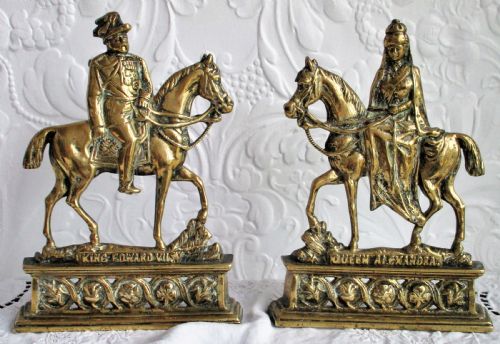
When you search for edwardian royal brass, you encounter items connected to monarchs, regiments, warships and state occasions from the early twentieth century. The selection ranges from commemorative chimney ornaments bearing King Edward VII and Queen Alexandra to military plaques and maritime fittings.
You are most likely to meet brass chimney ornaments, commemorative wall plaques and military or naval hardware on this page. These objects combine utilitarian brass construction with royal or regimental motifs that reflect the patriotic spirit of the Edwardian era.
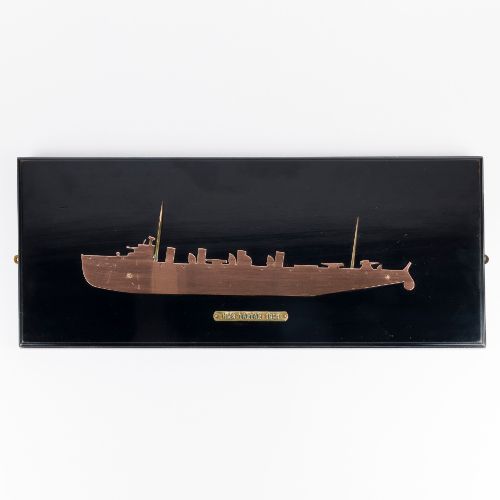
The assortment spans domestic decorative objects and service equipment, including items linked to royal yachts, destroyers and flying corps units. Each piece provides a direct physical record of British military and royal heritage from the period.
How they were made
Makers utilised cast and sheet brass frequently, often combining the metal with mahogany, oak, teak, glass and porcelain components. Several items incorporate painted metal finishes or hand painted ceramic elements alongside primary brass structures.
Techniques range from standard foundry casting for chimney ornaments and doorstops to precision engineering seen in dial wall clocks and signal practice sets. Secondary materials like turned wood and cobalt blue porcelain demonstrate varied workshop specialisms across the items.
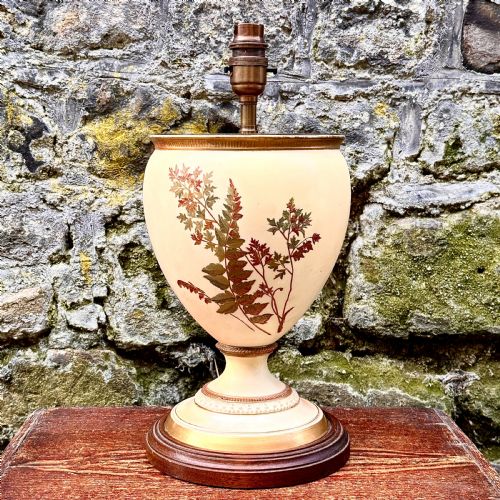
Several items started life as tobacco jars before being converted into lamps, proving that Victorian smokers had a second act.
What varies in quality
The standard of execution differs between mass produced utility hardware and fine commemorative portraiture or detailed maritime plaques. Superior examples display crisp casting details on figural brass ornaments and precise lettering on military unit plates.
Material combinations also influence the character of each piece, where well turned timber mounts or high grade porcelain inserts elevate standard brass bodies. Preservation of original painted details and surface patination distinguishes the more accomplished specimens from plain functional stock.
Royal Worcester·Royal Doulton
The Edwardian Royal Brass Glossary
- Chimney Ornament
- A decorative metal figure or pair of figures designed to sit upon a mantelpiece. These often depict prominent monarchs or military heroes from the period.
- Finger Plate
- A protective metal plate affixed to a door around the handle to prevent finger marks on the paint or wood. Military examples frequently display regimental or corps insignia.
- Signal Practice Set
- A training device utilised by naval personnel for learning Morse code or signalling procedures. They typically feature brass wiring, dials and terminals mounted in wooden boxes.
- Tobacco Jar
- A lidded container designed to keep pipe tobacco fresh, often ceramic or glass. Some instances feature brass mountings or have been converted into table lamps.
- Tufnell Box
- A specialised wooden or metal case housing electrical or signaling equipment for the Royal Navy. They represent utilitarian service gear from the early twentieth century.
Edwardian Royal Brass: Frequently Asked Questions
What is edwardian royal brass?
Edwardian royal brass encompasses decorative, maritime and military items produced around the early twentieth century that feature connections to the British monarchy or armed forces.
These objects include chimney ornaments depicting monarchs, brass plaques from warships, and hardware associated with regiments and royal yachts.
How were chimney ornaments used?
Chimney ornaments were displayed prominently on mantelpieces in British homes, often serving as patriotic displays.
Pairs depicting figures like King Edward VII and Queen Alexandra commemorated specific royals and added a formal decorative element to the hearth.
How do I identify military brass pieces?
Military brass items usually carry specific unit designations, crests, or service dates stamped or engraved onto the metal surface.
Examples include destroyer plaques, flying corps finger plates and naval signal boxes that bear the distinct markings of their parent service.
Are these items made entirely of brass?
While brass is the primary metal, many pieces incorporate other materials such as oak, mahogany, teak, glass and porcelain.
Makers frequently combined turned timber mounts or ceramic bodies with brass fittings to create functional items like lamps, tobacco jars and candlesticks.