
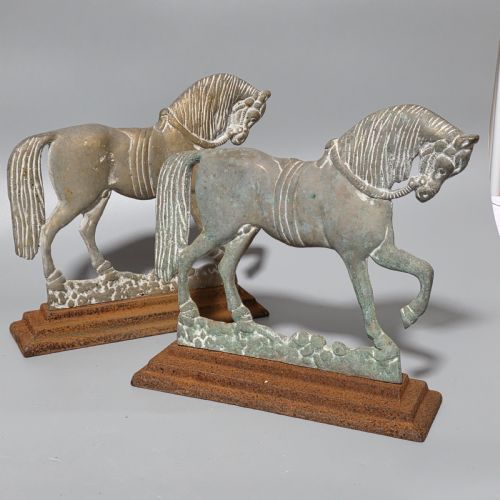


Cast Brass Equestrian
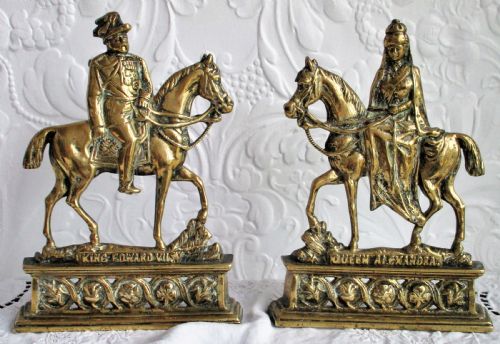
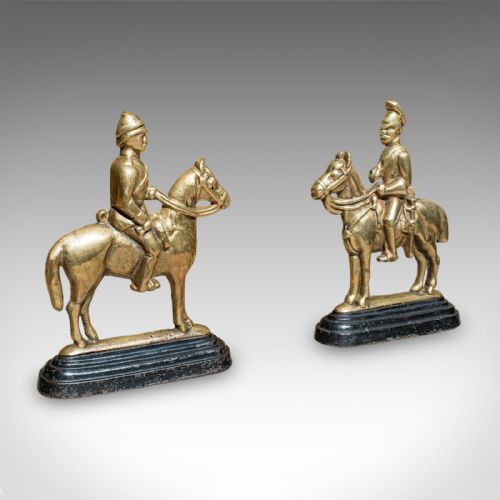
Cast brass equestrian pieces bring the weight of the stable and the hunt straight into the room.
Cast Brass Equestrian
When you search for cast brass equestrian items, you are looking at heavy metalwork dedicated to the horse, rider, and hound. These pieces serve practical household roles while celebrating the nineteenth and early twentieth century devotion to country pursuits.
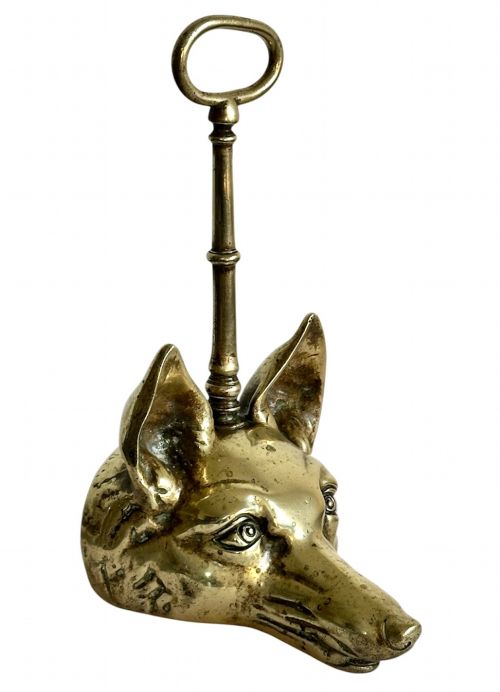
You are most likely to meet heavy doorstops, chimney ornaments, and bookends on this page. They turn everyday horse and fox motifs into substantial furnishings for the hearth and desk.
The selection ranges from English country house door keepers to French caskets and African brass statues. Victorian and Edwardian periods dominate the material, reflecting an era when equestrian imagery pervaded domestic design.
How they were made
Foundries produced these items by pouring molten metal into sand moulds to capture the crisp details of horse heads, riders, and harnesses. Solid casting gave each piece the considerable weight needed to hold open a heavy door or support a row of books.
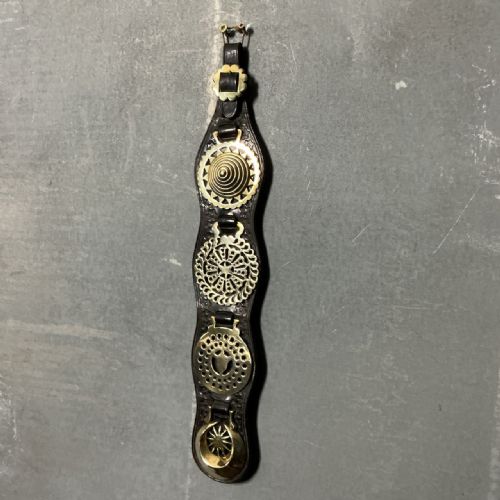
Object forms span doorstops, chimney ornaments, bookends, martingale brasses, caskets, statues, and wall hooks.
What varies in quality
The standard of modelling determines the success of the piece, separating lifelike animal anatomy from stiff or clumsy casting. Sharp definition around the eyes, bit, and harness straps shows the care taken by the foundry.
Substance and stability dictate the upper tier of these objects, particularly in doorstops and bookends where heft is essential. Pieces that retain their original weighted bases and unpolished patination command greater presence in a room.
The Cast Brass Equestrian Glossary
- Cast brass
- Molten alloy poured into a mould to form rigid decorative or utilitarian objects. It provides a durable surface that develops a deep patination over time.
- Martingale
- A strap on a horse harness that holds horse brasses in place. These decorative brass amulets are collected for their traditional equine and heraldic motifs.
- Doorstop
- A heavy utilitarian object designed to keep doors open. In equestrian forms, these utilise the weight of a horse head or figure to anchor the piece.
- Casket
- A small ornamental box or chest used for storing valuables. Cast metal versions often incorporate relief decoration matching larger sculptural works.
- Crop hook
- A wall-mounted bracket designed to hold a riding crop or whip. They combine functional timber backplates with protruding brass animal heads.
Cast Brass Equestrian: Frequently Asked Questions
What were cast brass horse doorstops used for?
These heavy items kept heavy interior doors firmly open against draughts in large country houses.
Their substantial weight allowed them to function reliably while displaying decorative equestrian themes in hallways and reception rooms.
How do I date a Victorian equestrian doorstop?
Examine the weight, casting clarity, and the nature of any iron or lead weighting on the underside.
Nineteenth-century examples typically show hand-finished surface details and heavier metal composition than later twentieth-century reproductions.
Where should I place horse brasses in a modern home?
Traditionally mounted on leather straps, individual brasses work well hung on walls or hooks.
Their reflective metal surfaces add texture to dark wood panelling or neutral painted walls in studies and hallways.
What is the difference between brass and bronze equestrian figures?
Brass is an alloy of copper and zinc, producing a brighter golden tone when polished.
Bronze contains copper and tin, generally yielding a darker, richer patination and often finer detail in sculptural castings.