


Vintage Brass Bookends
These vintage brass bookends bring heavy metal support and character to a shelf, spanning Victorian animal studies to Art Deco designs.
Vintage Brass Bookends
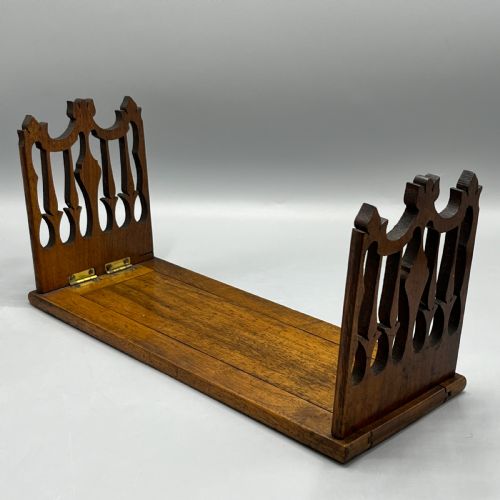
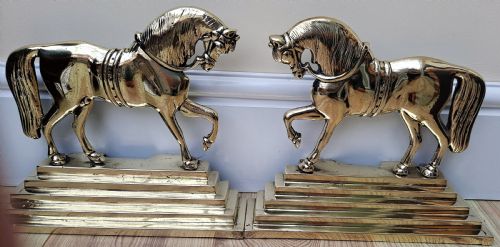
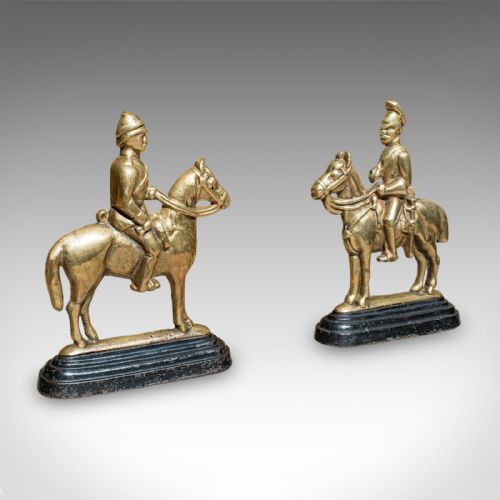
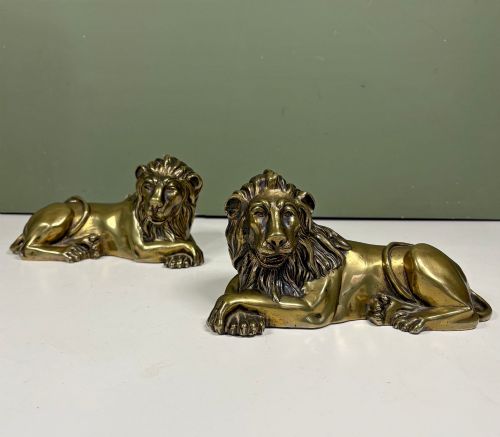
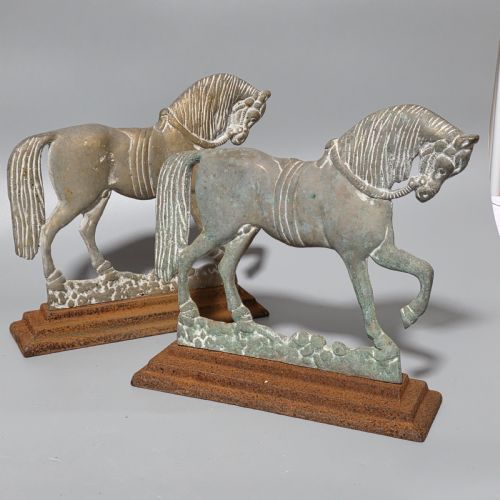
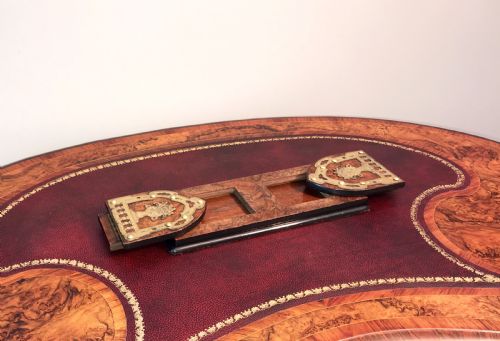
When you search for vintage brass bookends, you encounter heavy functional objects spanning the nineteenth century through the interwar decades. The selection on this page leans toward cast metal animal figures, maritime subjects, and architectural book slides.
Most examples you meet are matched pairs designed to keep volumes upright on an open shelf or desk. These pieces often cross over with doorstops and chimney ornaments, sharing the same heavy casting traditions.
The origins stretch from English workshops to Anglo-Indian studios, incorporating varied decorative styles like Victorian naturalism and Art Deco geometry. You find both solid brass constructions and pieces mounted on wooden or marble bases.
Materials and construction
The makers relied on heavy casting techniques, pouring molten brass, bronze, or cast iron into moulds to achieve solid forms. Many items combine brass with secondary materials such as wood, marble, or enamel to add weight and contrast.
Surface finish is achieved through polishing, patination, or retaining darker tones from age. Details like manes, fur, and rigging are defined directly in the casting process or sharpened through hand chasing.
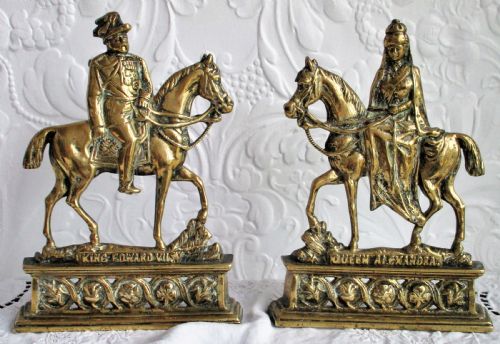
King Edward VII and Queen Alexandra once stared across a Victorian mantelpiece as heavy brass chimney ornaments before finding new life on bookshelves.
Judging quality
Weight dictates performance on the shelf; solid brass and weighted bases provide superior stability compared to hollow or thin castings. The integration between the brass figure and any wooden or stone base also marks the tier of production.
C Omin
The Vintage Brass Bookends Glossary
- Book slide
- An expanding wooden or metal frame designed to hold a varying number of upright books between two ends.
- Cast brass
- Molten brass poured into a mould to create a solid three-dimensional object with durable detail.
- Doorstop
- A heavy weighted object used to keep doors open, frequently sharing forms with heavy book supports.
- Patina
- The surface sheen and colour acquired by metal through age, handling, and oxidation.
- Chasing
- The manual finishing of a metal casting with punches and chisels to refine surface details.
Vintage Brass Bookends: Frequently Asked Questions
How heavy are vintage brass bookends?
Most pairs possess substantial weight derived from solid metal casting, designed specifically to resist the lateral pressure of heavy volumes. Some incorporate weighted iron or wooden bases to increase stability.
Lighter hollow versions rely on a wide footprint to maintain balance rather than sheer mass.
Can these hold heavy hardbacks?
Solid cast examples handle large volumes easily because their mass prevents sliding across the shelf. Pairs featuring extended bases or integrated book slides distribute the load further.
Slighter decorative castings work best with smaller octavo volumes rather than large folios.
How do I clean antique brass?
Dusting with a dry cloth preserves the darker aged patinas that collectors prefer. Avoid harsh abrasive polishes that strip away the surface character accumulated over decades.
Gentle cleaning with mild soap and water removes grime without damaging the underlying metal.
Are doorstops and bookends the same?
Foundry patterns often served multiple domestic purposes, meaning heavy animal figures functioned equally as doorstops, chimney ornaments, or book supports. Scale and base configuration usually determine the primary intended use.
Slightly smaller castings with protective felt or flat bases were tailored specifically for library shelves.
How do I date an art deco pair?
Interwar pieces from around nineteen-thirty often display streamlined geometric styling rather than Victorian naturalism. The surface finish and specific alloy content also align with twentieth-century manufacturing methods.
Stylized animals like Scottish terriers and greyhounds frequently mark this period.