



Chinese Buddha Statues
These chinese buddha statues bring centuries of devotion and craftsmanship into your home, spanning wood, bronze, and stone across multiple dynasties.
Chinese Buddha Statues
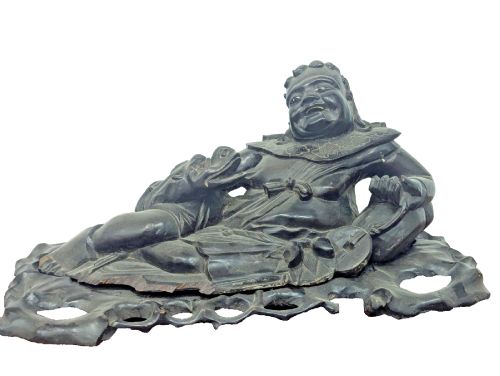
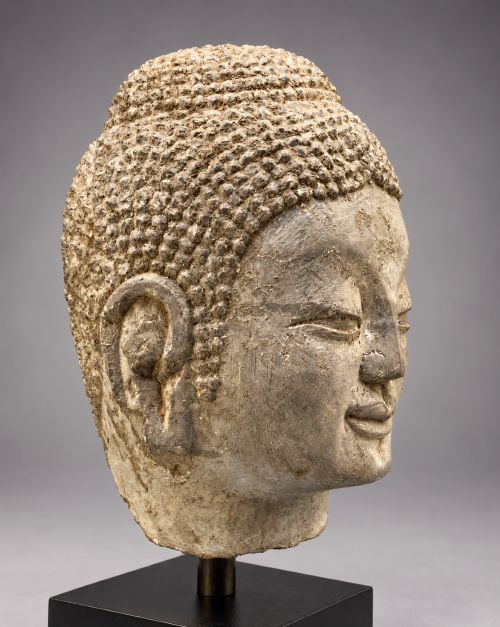
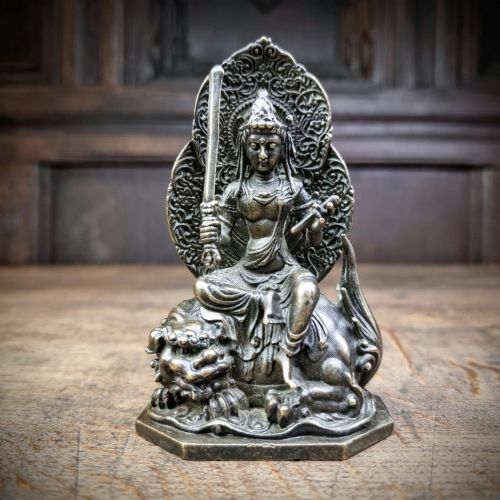
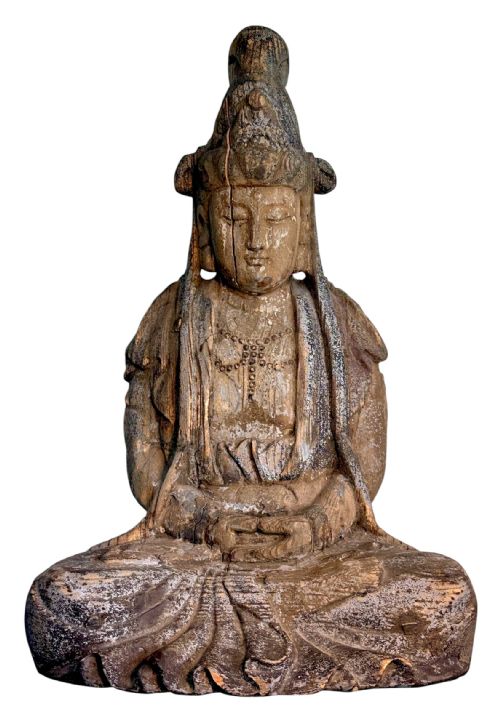
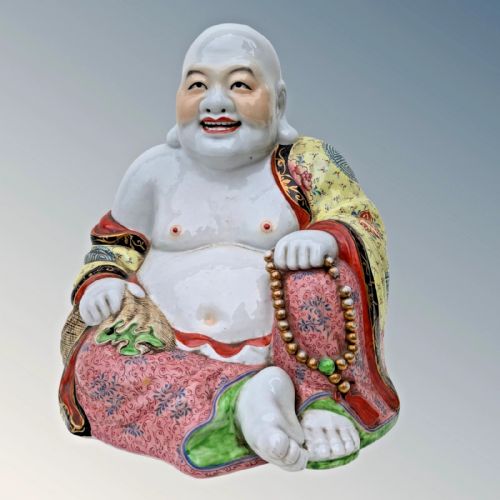
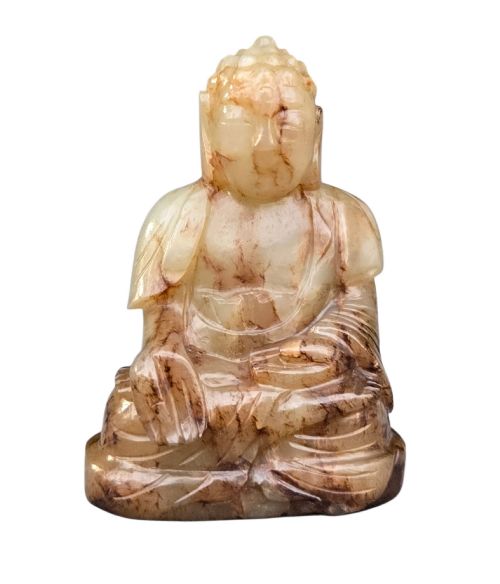
When you examine chinese buddha statues, you encounter figures carved from hardwood, cast in bronze, or moulded in porcelain representing deities such as Buddha, Guanyin, and Budai. The pieces on this page range from early limestone and sandstone heads to nineteenth-century wooden temple guardians and twentieth-century porcelain figures.
You are most likely to meet nineteenth-century wooden and bronze sculptures, alongside porcelain laughing Buddhas from the twentieth century. These objects function as ritual figures, temple pieces, and decorative works shaped by Qing Dynasty, Ming Dynasty, and Sino-Tibetan traditions.
The selection includes seated figures, standing deities, and bust forms created in traditional Chinese and export styles. Collectors find everything from monumental temple carvings to small metal scroll weights.
How they were made
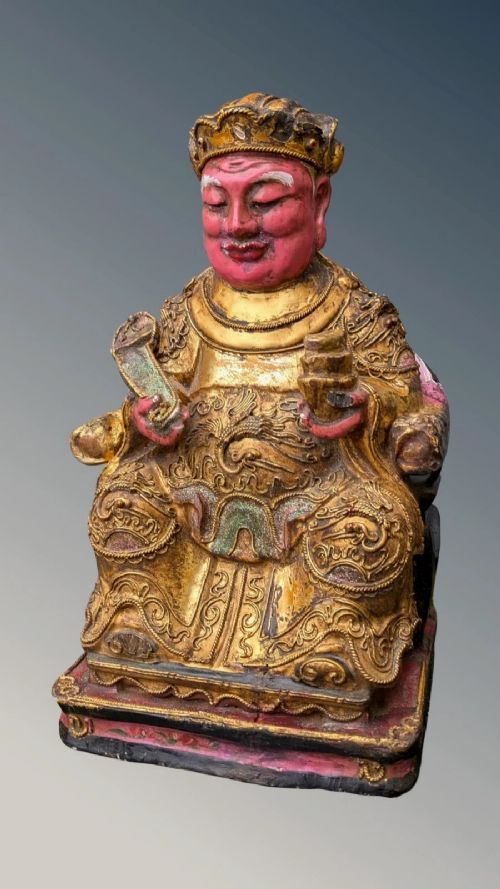
Maker workshops shaped chinese buddha statues using traditional carving, casting, and painting techniques suited to each medium. Wood carvers worked with hardwood and softwood, often applying gesso, gold leaf, and polychrome pigment to build rich surface detail.
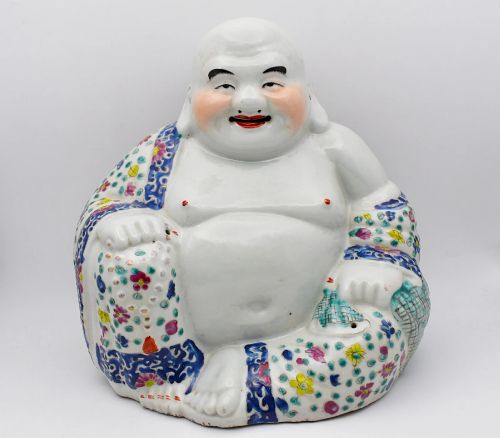
Metalworkers utilised bronze, iron, and gilt metal, employing casting methods to form durable sculptures and small figures. Ceramic artists shaped porcelain and Peking glass, finishing pieces with glazes, famille rose enamels, and vibrant colour.
Listings feature wood, bronze, gold leaf, gesso, pigment, and porcelain across periods from pre-sixteenth-century to the mid-twentieth century.
What varies in quality
Lesser examples show worn surfaces with lost pigment or crude recasting that softens the delicate details of robes and ornaments. The distinction lies in the fidelity of the maker's hand and the survival of the original surface finish.
Zhu Mao Ji
The Chinese Buddha Statues Glossary
- Guanyin
- The Bodhisattva of Compassion, frequently depicted in bronze, wood, and porcelain across various dynasties. This figure appears often in sculpture form.
- Budai
- A representation of the laughing Buddha, known for a corpulent form and jovial expression. Artists commonly rendered this figure in hardwood and porcelain.
- Polychrome
- Painted in several colours, a technique applied to wood and gesso surfaces to enhance ritual figures. This term describes the multi-coloured pigment layers found on statues.
- Gilt
- Covered thinly with gold leaf or gold paint, adding radiance to bronze and wooden temple sculptures. This finish highlights sacred garments and ornaments.
- Sino-Tibetan
- A stylistic crossover blending Chinese artistic traditions with Tibetan Buddhist iconography. Pieces in this style often feature distinct ritual ornamentation.
Chinese Buddha Statues: Frequently Asked Questions
How old are these statues?
The pieces span from pre-sixteenth-century Ming Dynasty stone heads to nineteenth-century wooden carvings and twentieth-century porcelain figures.
Dating relies on material characteristics, stylistic traits of specific dynasties, and recorded production periods.
What materials were used?
Maker workshops utilised wood, bronze, gold leaf, gesso, pigment, porcelain, limestone, sandstone, jade, and Peking glass.
Each material dictates the specific carving, casting, or glazing technique applied to the sculpture.
Who are the deities shown?
Common representations include Gautama Buddha, Guanyin as the Bodhisattva of Compassion, and Budai the laughing Buddha.
Temple guardians and anonymous Daoist or Buddhist deities also appear within the selection.
How should I display them?
Place statues on sturdy surfaces away from direct sunlight and sudden humidity changes to protect wood, pigment, and gilt finishes.
Larger floor or stand figures require stable placement that respects their weight and ritual origins.