
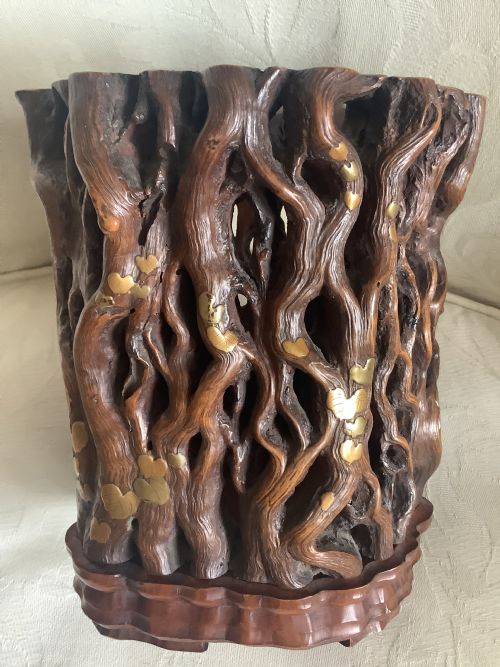
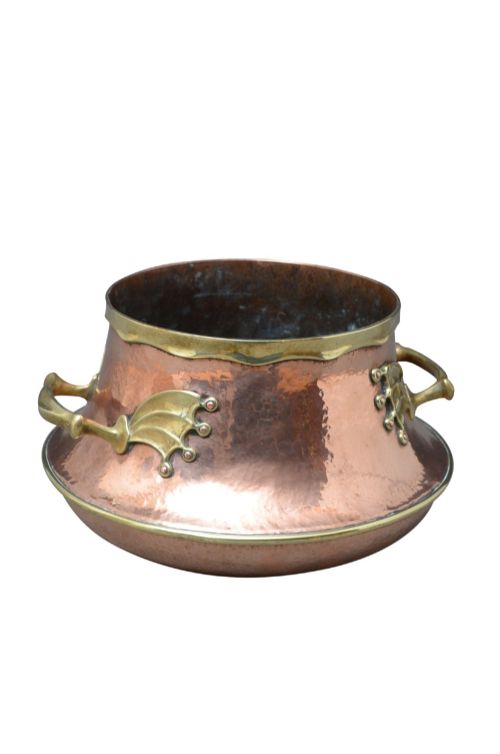
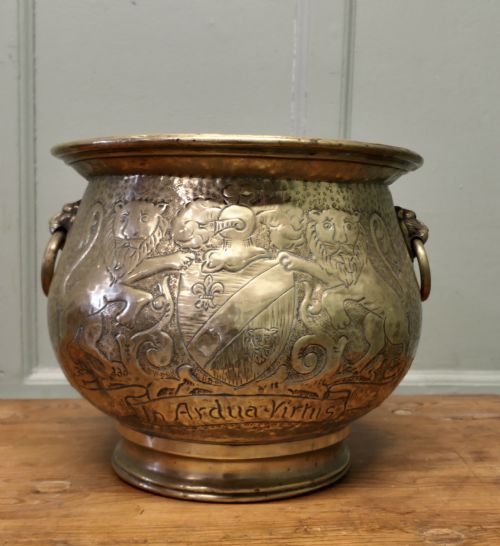
Antique Brass Pot
An antique brass pot brings warmth and weight to a room, offering functional utility through centuries of domestic history.

Identifying an antique brass pot
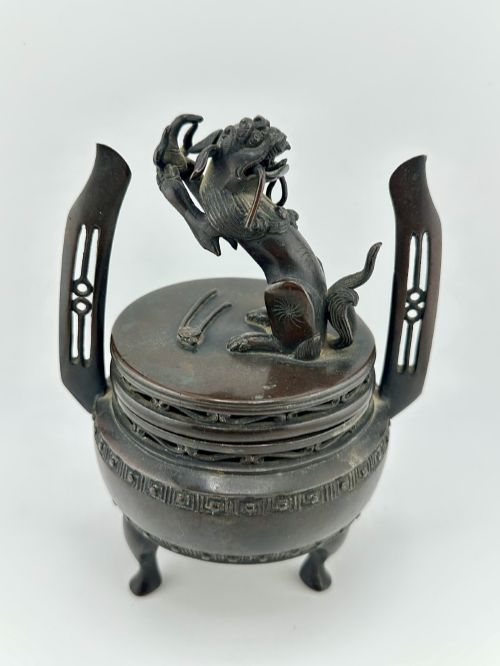
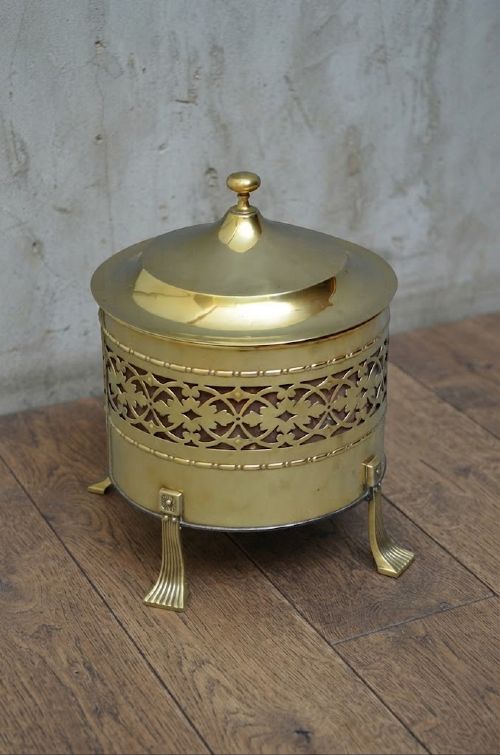
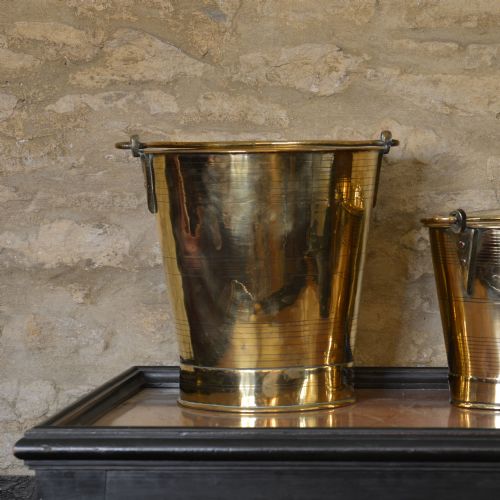
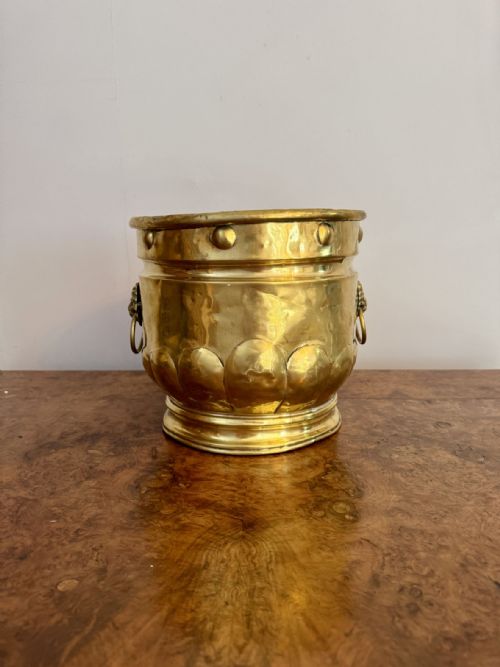
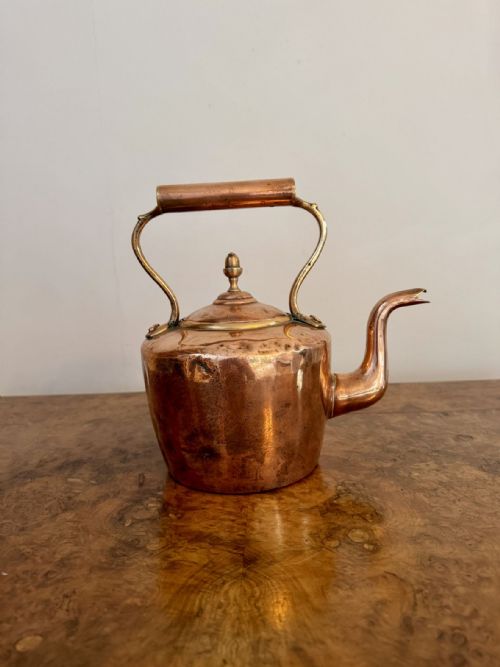
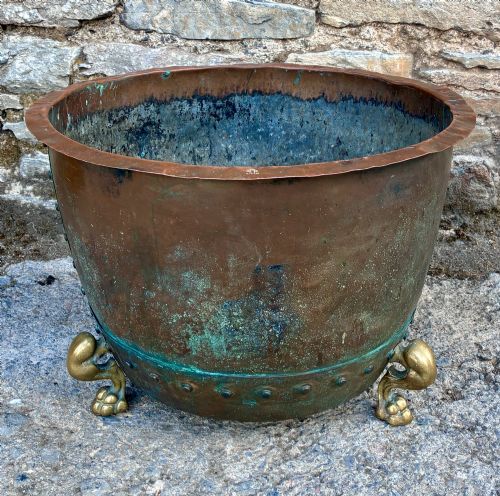
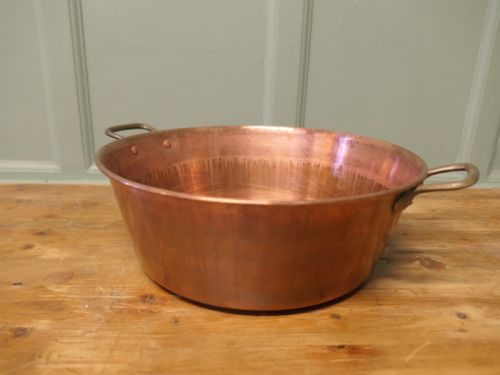
An antique brass pot encompasses a broad category of domestic vessels, from heavy jam pails and chocolate pots to large jardinieres and spice dredgers. Buyers searching for an antique brass pot often encounter sturdy Victorian examples alongside eighteenth-century kitchenware and decorative planters.
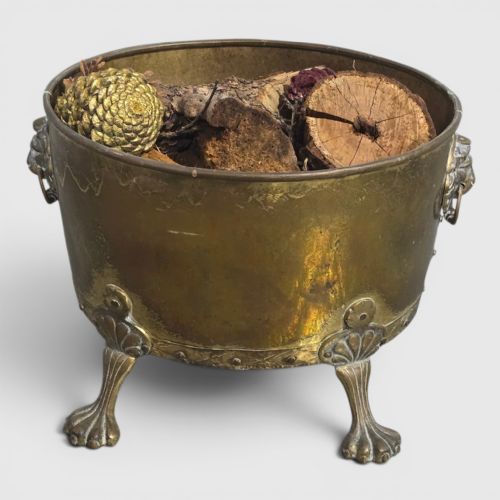
The forms vary according to their original domestic or culinary purpose, ranging from small lidded spice pots to substantial log bins and planters. Many pieces reflect specific periods such as the Victorian era or Georgian times, showing influences from Chinese export styles to British kitchen utility.
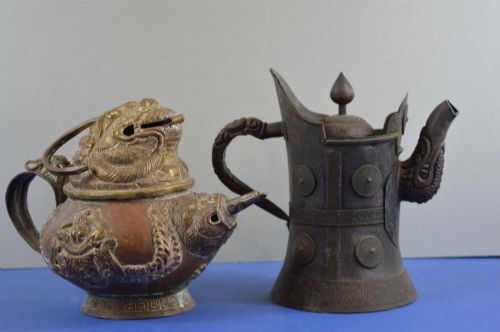
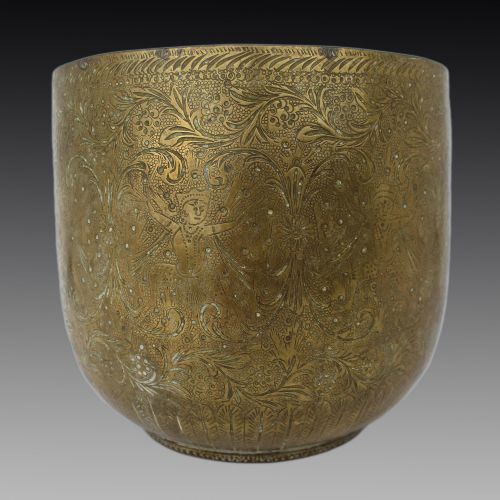
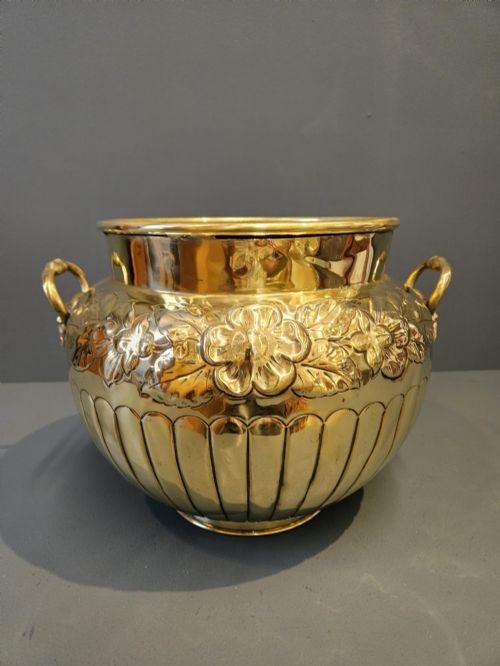
Vessels span utilitarian kitchen items to decorative Oriental jardinieres, frequently appearing in heavy cast or beaten brass. The selection demonstrates how utilitarian vessels shared space with ornamental wares in historical interiors.

Assessing quality and craftsmanship
Quality in these vessels rests upon wall thickness, weight, and the integrity of construction, particularly in heavy items like jam pails and planters. Superior examples display clean casting lines, careful hand-finishing, and harmonious proportions rather than thin, pressed sheet metal.
The distinction between standard utility items and finer decorative pieces often lies in surface embellishment, such as chased detailing or applied motifs. Well-preserved patination and original handles or lids significantly elevate the character of a piece.
Retail Price Guide 2026
Typical UK retail prices for brass pot, calculated from the Sellingantiques database of over a million retail prices indexed since 2003. This retail price guide relies exclusively on Sellingantiques data; no external sources or auction records are used, so the figures do not describe the wider market.
Object forms span chocolate pots, jam pails, apothecary scales, and Chinese export jardinieres.
The Antique Brass Pot Glossary
- Jardiniere
- An ornamental pot or stand for holding plants or flowers. These large vessels often feature decorative chased brass surfaces.
- Jam pail
- A heavy metal pot traditionally used for boiling fruit and sugar over a heat source. They are characterised by robust brass construction and sturdy carrying handles.
- Spice dredger
- A small lidded kitchen container used for sprinkling powdered spices or sugar. Eighteenth-century examples typically include perforated lids.
- Patina
- The surface sheen and colour developed through age, handling, and oxidation. This natural layer provides visual evidence of a metal object's history.
Frequently Asked Questions
How were brass pots used historically?
These pots served diverse roles in domestic life, ranging from boiling preserves and chocolate in the kitchen to dispensing spices at the table. Larger vessels functioned as planters or log bins in period sitting rooms.
Over time, utilitarian kitchen items transitioned into decorative objects prized for their warm metallic tones and historical utility.
How do I clean an antique brass pot?
Gentle dusting with a soft cloth preserves the historic surface and accumulated patina. Avoid harsh chemical cleaners that strip away the aged character accumulated over centuries.
If polishing is necessary, use a mild, non-abrasive brass cleaner applied sparingly to maintain the definition of chased or cast details.
What is the difference between a jardiniere and a planter?
A jardiniere is primarily an ornamental container designed to display potted plants rather than holding soil directly. Planters often serve a more utilitarian horticultural purpose.
In historical metalware, the terms frequently overlap, particularly in nineteenth-century Oriental and Victorian decorative brass items.
How can I date an antique brass pot?
Dating relies on manufacturing techniques, material combinations, and stylistic clues such as Georgian or Victorian design motifs. Tool marks, construction seams, and fasteners offer further clues to the period of origin.
Comparing the weight and alloy composition against documented examples from the eighteenth and nineteenth centuries helps confirm the age.