




Antique Brass Compass
An antique brass compass is a precision navigational tool combining utility and craftsmanship, prized by collectors for its historical mechanical engineering.
What an antique brass compass is
When you search for an antique brass compass, you encounter scientific and navigational instruments spanning the Georgian, Victorian, and Edwardian periods. These portable devices served explorers, military personnel, and surveyors who relied on precise orientation across land and sea.
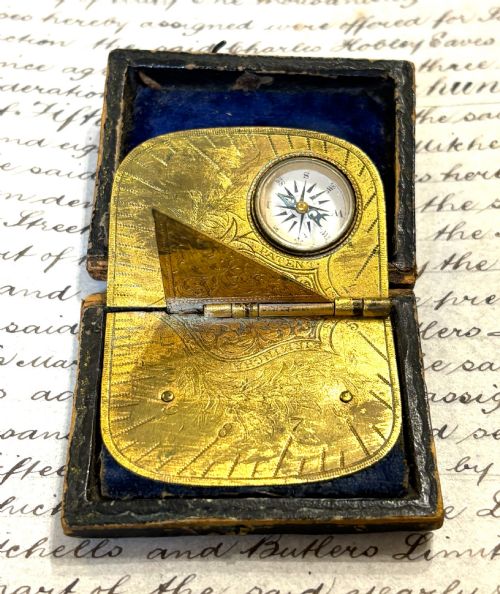
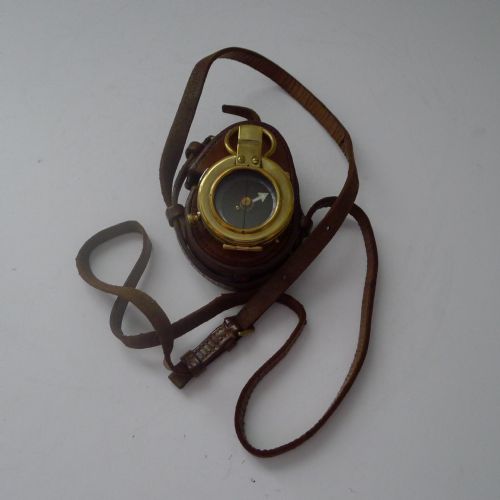
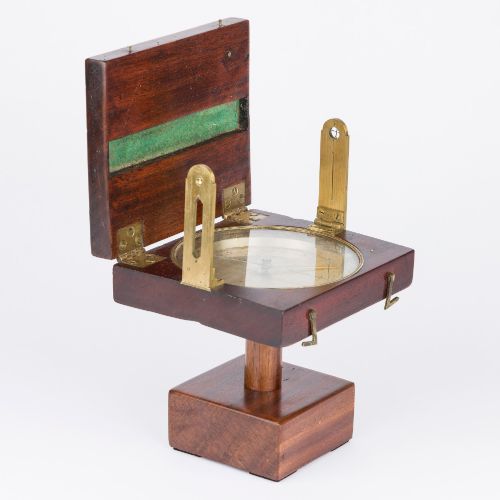
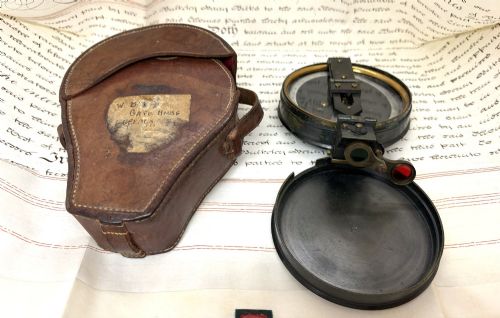
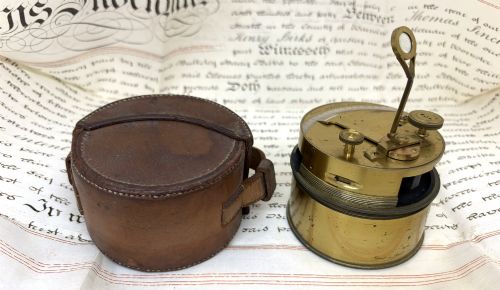
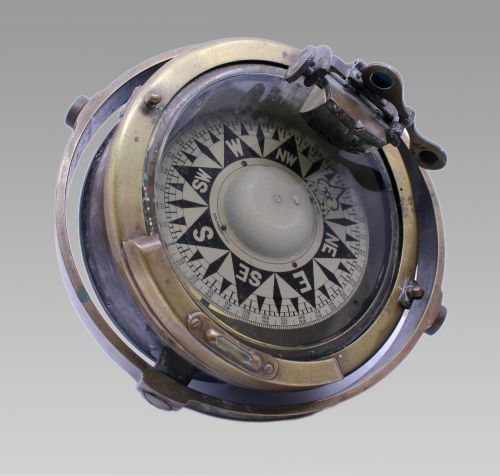
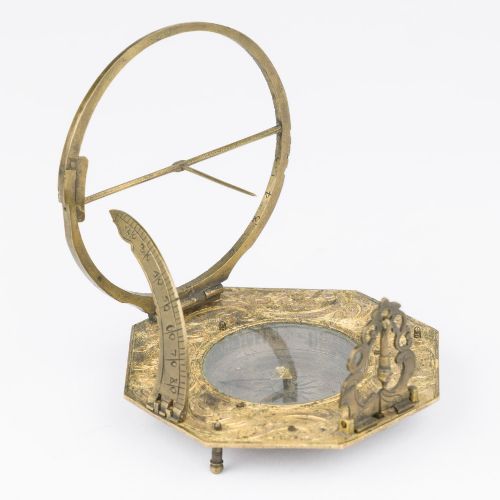
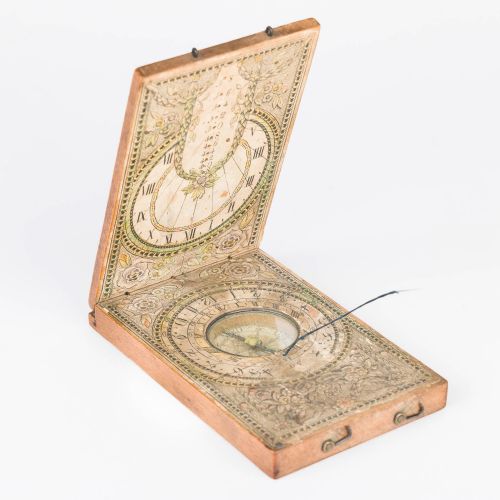
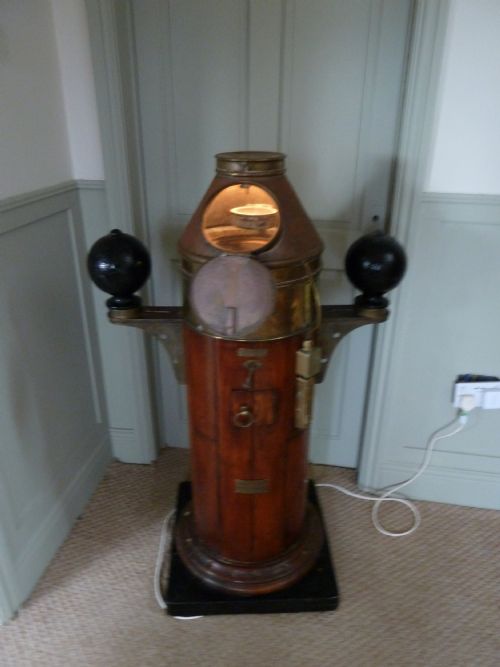
The pieces appearing here range from pocket-sized explorers' instruments and military compendiums to larger gimballed binnacle versions and specialised mine's compasses. Most examples date from the late nineteenth and early twentieth centuries, housed in heavy protective casings.
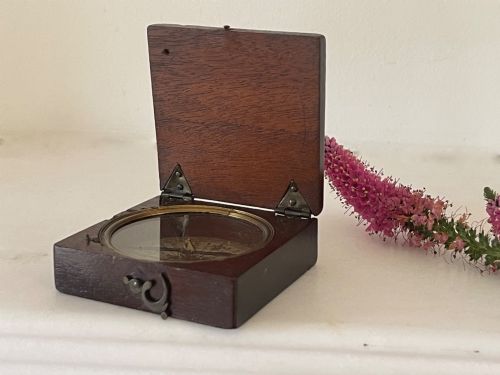
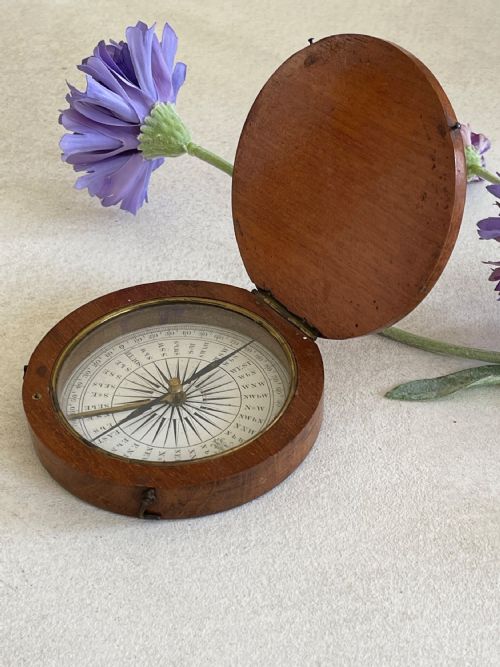
Pocket compasses with floating cards and folding designs are the most common variants encountered on this page. These everyday instruments demonstrate the industrial capability of nineteenth-century makers producing reliable tools for travellers and field workers.
Materials and construction
Makers constructed these instruments using heavy-gauge brass for durable outer cases, frequently pairing the metal with glass viewing windows and silvered dials. Interior components incorporated steel needles and delicately balanced pivots to ensure accurate magnetic response.
Many examples feature fitted wooden boxes or leather cases designed to protect the delicate internal gimbals and glass faces during transit. Skilled artisans engraved cardinal points and graduation scales onto metal dials with remarkable precision.
Retail Price Guide 2026
Typical UK retail prices for brass compass, calculated from the Sellingantiques database of over a million retail prices indexed since 2003. This retail price guide relies exclusively on Sellingantiques data; no external sources or auction records are used, so the figures do not describe the wider market.
Early explorers relied on these pocket instruments to map unknown territories while trusting their lives to a tiny floating card.
Factors of quality
Superior examples distinguish themselves through the crispness of dial engravings, the complexity of multi-part surveying compendiums, and the inclusion of original protective housing like mahogany boxes or leather sheaths. Signed pieces by established makers carry greater technical complexity.
Baker London·Watkins Clinometer J Hicks·R Field And Son Birmingham·Elliot Bros London·Francis Barker London
The Antique Brass Compass Glossary
- Binnacle compass
- A navigational compass mounted in a protective housing, traditionally positioned near a ship's steering wheel.
- Gimbal
- A pivoted support ring that allows the compass to remain horizontal regardless of the motion of a ship or vehicle.
- Clinometer
- An instrument used for measuring angles of slope or inclination, often integrated into surveying compasses.
- Theodolite
- A precision optical instrument for measuring angles between designated points in horizontal and vertical planes.
- Floating card
- A dial card attached to the magnetic needle that rotates freely beneath a glass cover to indicate direction.
Frequently Asked Questions
How do I date an antique brass compass?
Examine the style of lettering, the materials used for the case, and any registration numbers or maker signatures stamped on the dial. Victorian and Edwardian examples often display distinct casing designs and typography typical of their decade of manufacture.
Comparing the mechanical complexity and the presence of supplementary scientific scales also helps narrow down the period of production from the Georgian era through to the First World War.
Are these compasses still accurate today?
While many retain functional magnetic needles that point towards magnetic north, centuries of local magnetic interference and wear mean they are collected primarily as historic scientific objects rather than primary navigational tools.
Internal pivots and jewels may become sluggish over time, so delicate handling is required if testing the movement of the floating card or needle.
What is a gimballed compass used for?
Gimballed compasses were designed primarily for maritime use on ships, where the dual-ring pivoting system kept the dial level despite the rolling and pitching of the vessel.
This mechanical suspension prevented the compass card from jamming against the side of the brass housing during rough weather at sea.
How should I clean a brass compass case?
Dust the exterior gently with a soft, dry cloth to preserve the natural aged patina and historical surface character accumulated over generations.
Avoid abrasive metal polishes or harsh chemical cleaners, as these can remove desirable signs of age and damage delicate maker inscriptions or lacquered surfaces.