
Antique Pocket Instrument
An antique pocket instrument is a portable scientific device for measuring, navigating, or observing, prized for combining precision mechanics with miniature craftsmanship.
Antique Pocket Instrument
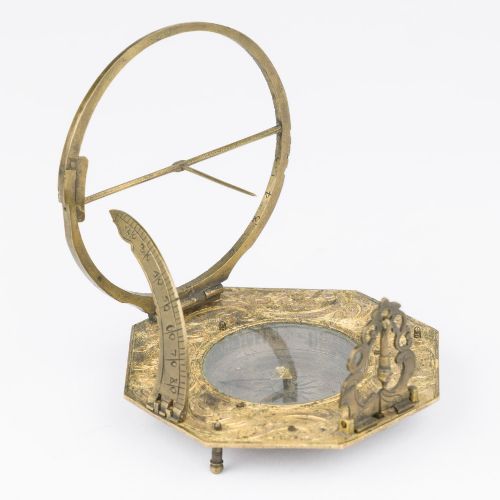
An antique pocket instrument encompasses a diverse group of portable scientific, medical, and navigational tools designed for travel, field work, and personal utility. These objects span from the Georgian period through the Victorian and Edwardian eras, reflecting the technological demands of explorers, officers, and scientists.
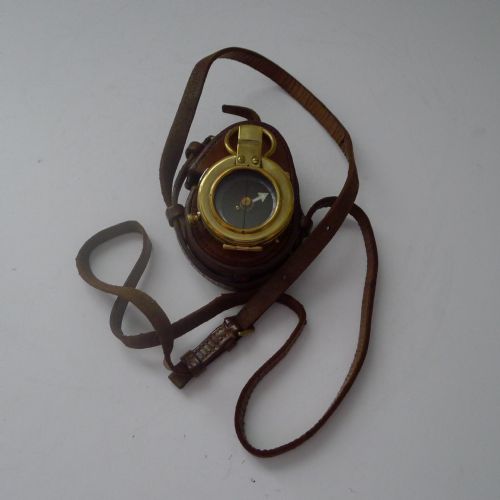
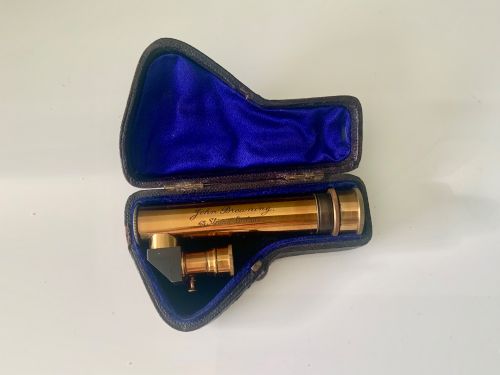
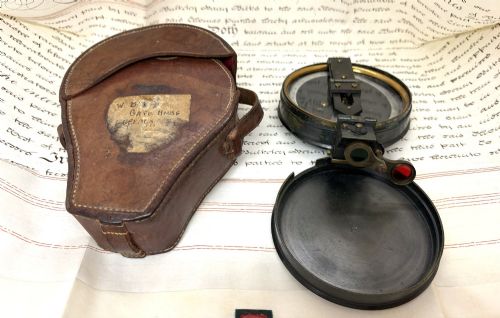
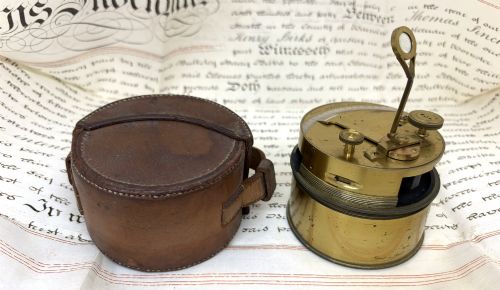
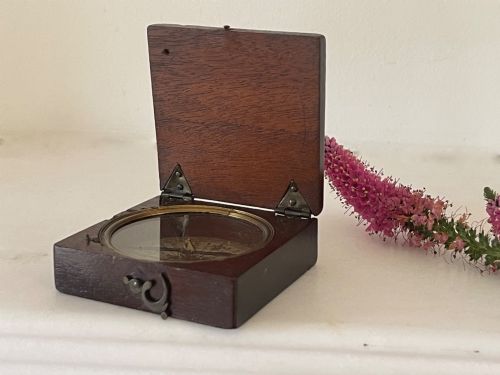
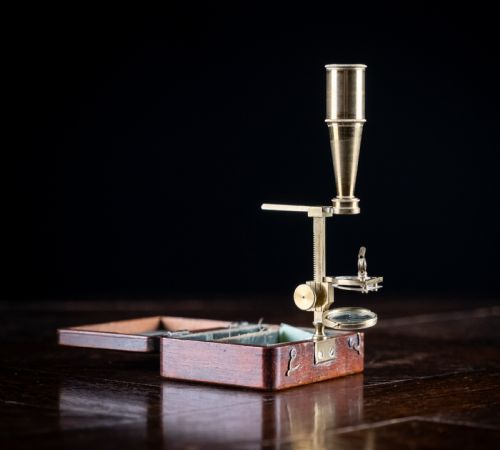
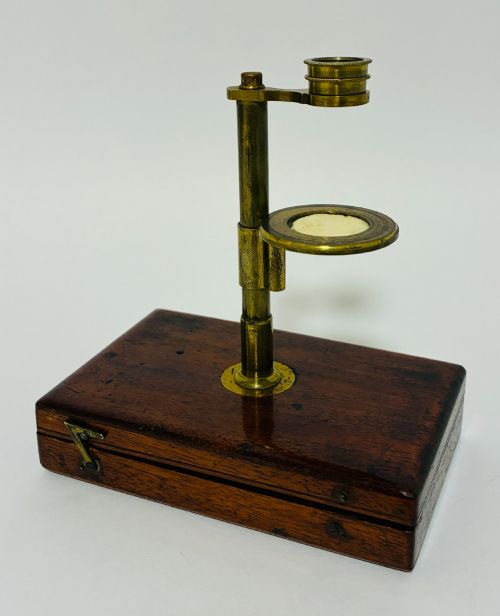
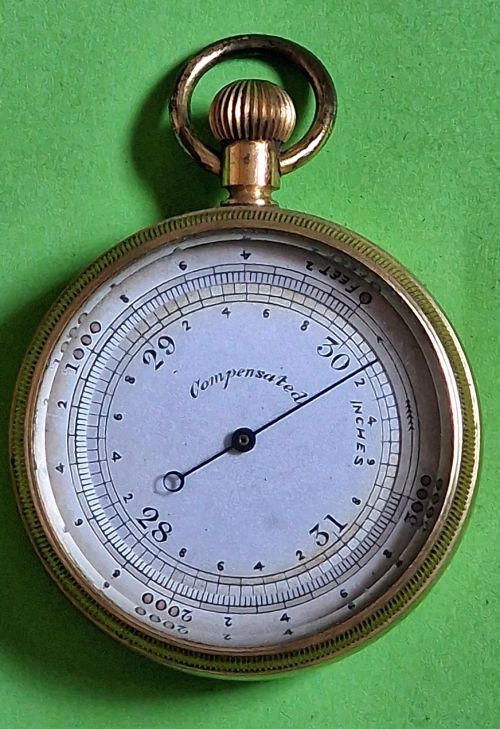
The most common examples on this page are pocket barometers, altimeters, and various forms of compasses and sundials, often housed in fitted leather or mahogany cases. Alongside these navigational devices, buyers frequently encounter portable microscopes, telescopes, opera glasses, and specialised medical antiques such as lancets and bloodletting fleam sets.
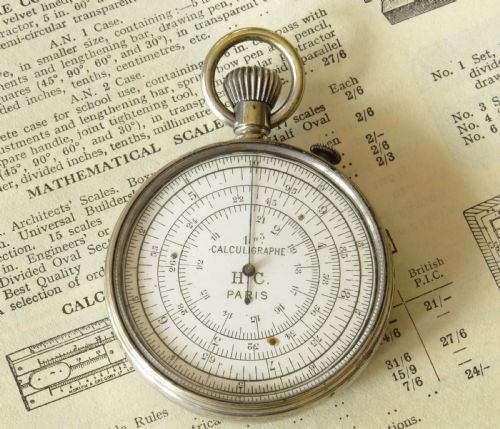
Originating predominantly from British makers and European workshops, these instruments range from military-issued items like Verner's pattern compasses to delicate botanical field microscopes and slide rules. Each piece was built to perform a specific practical function in the field while remaining compact enough to carry in a pocket or travel pack.
What varies in quality
Quality in an antique pocket instrument is determined by the precision of its mechanical movement and the crispness of its engraved graduations, where finer divisions indicate a higher grade of manufacture intended for serious scientific or military use. The inclusion of the original fitted case, particularly when lined with matching velvet or leather and retaining manufacturer markings, substantially elevates the standing of a piece.
The choice of materials and the reputation of the maker also divide standard utility items from superior examples, such as those signed by established opticians or instrument makers like Negretti and Zambra or John Browning. Superior finishing on brass housings, clear optics without distortion, and complex multi-draw telescope actions reflect greater workshop skill and better original production standards.
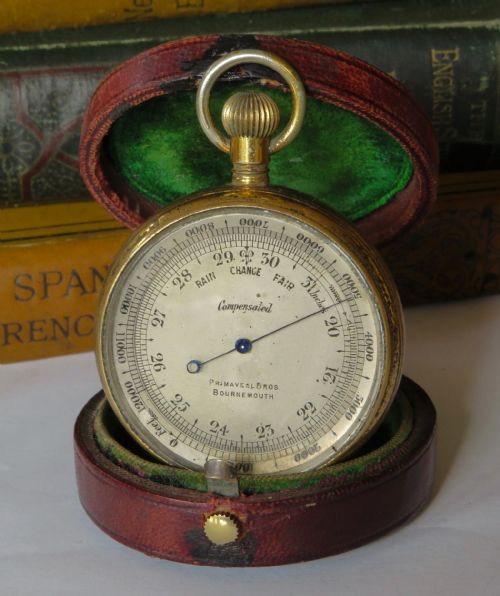
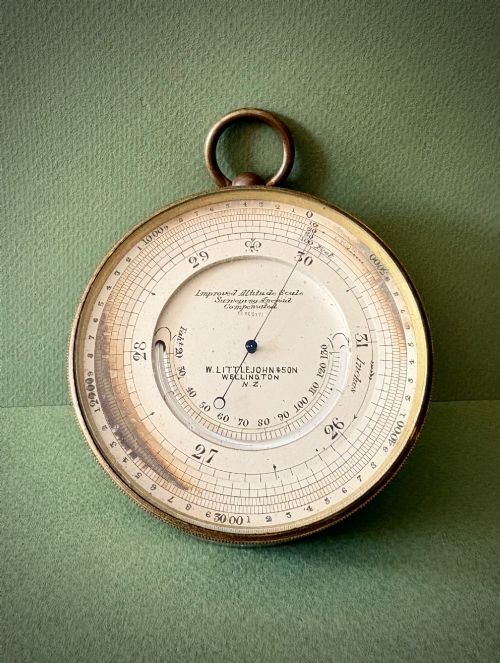
Several pocket barometers double as altimeters, ready to inform Victorian balloonists precisely how high they had drifted above the clouds.
Primavesi·Negretti & Zambra·French Ltd·John Browning·Casartelli Manchester·P. Orr, Madras·Baker, London·Cary, London·Andreas Vogler·Alfred Apps·Newton & Co·Samuel Porter
The Antique Pocket Instrument Glossary
- Barometer
- An instrument measuring atmospheric pressure to forecast weather changes. Pocket versions allowed travellers to read pressure changes while on the move.
- Theodolite
- A precision optical instrument for measuring angles in horizontal and vertical planes. They are mounted on tripods for surveying and mapping work.
- Linen tester
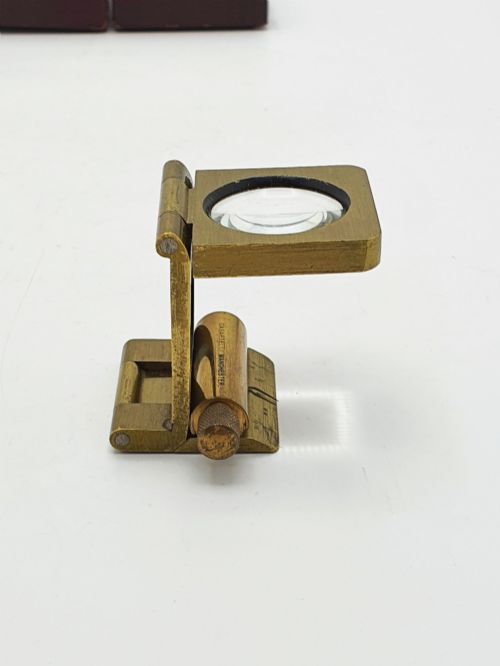
- A small folding magnifying glass used by merchants and textile workers to count threads in fabric. They feature a measurable base scale to determine fabric density.
- Diptych dial
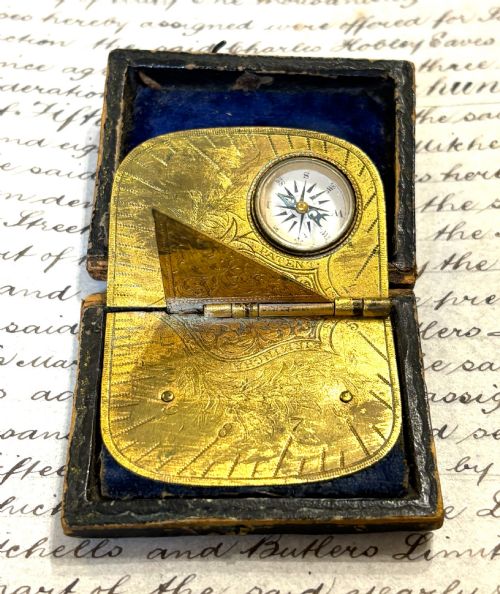
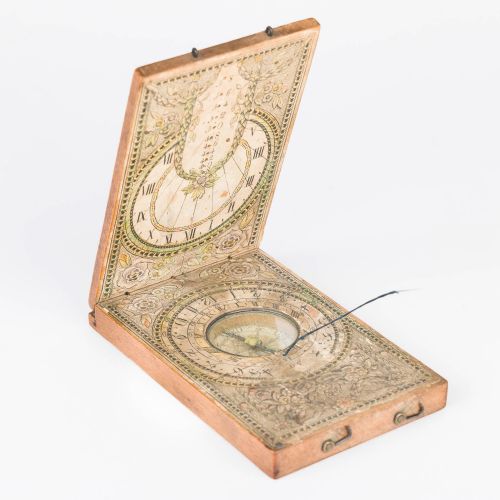
- A portable sundial consisting of two small hinged tablets with a string gnomon between them. They often incorporate a small magnetic compass for proper orientation.
- Fleam
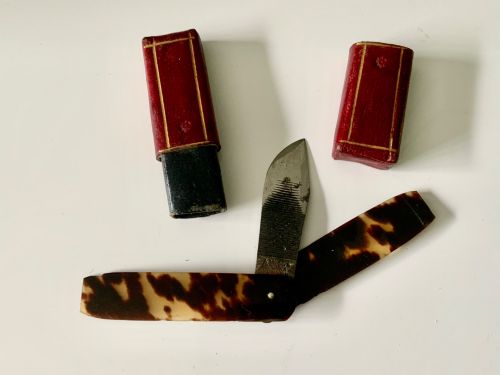
- A small surgical blade used for bloodletting and veterinary procedures. They are typically housed in folding multi-bladed sets made of silver or steel.
Antique Pocket Instrument: Frequently Asked Questions
What is a pocket instrument?
A pocket instrument is a small, portable device designed for navigation, scientific measurement, or medical observation during travel.
These pieces include barometers, compasses, sundials, and microscopes manufactured to be carried easily in a pocket or field case.
How do you use a diptych dial?
A diptych dial is opened so the hinged lid and base form an angle supported by a clasp or string. Aligning the internal compass allows the string gnomon to cast a shadow that indicates solar time.
These portable sundials require adjustment for latitude and true north to give accurate readings.
What are surveying instruments used for?
Surveying instruments like theodolites and compasses measure horizontal and vertical angles for mapping and construction. Professionals used them in the field to establish property boundaries and plan infrastructure.
Early examples rely on brass sighting tubes and vernier scales for precise angular measurements.
How do I identify the maker of an instrument?
Makers typically engraved their names, firm titles, and working addresses directly onto the metal faceplates, dials, or outer brass casings of their instruments. Surviving trade labels inside fitted wooden or leather cases also provide direct evidence of the manufacturer.
Comparing these signatures with historical trade directories helps establish the exact working period of the piece.