

Brown Leather Case
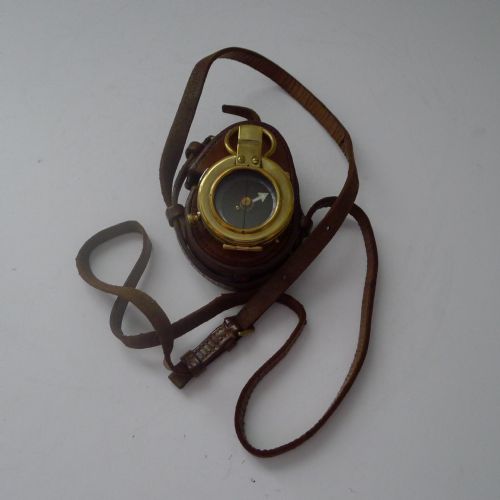
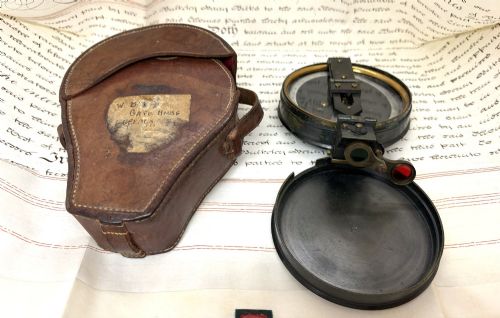
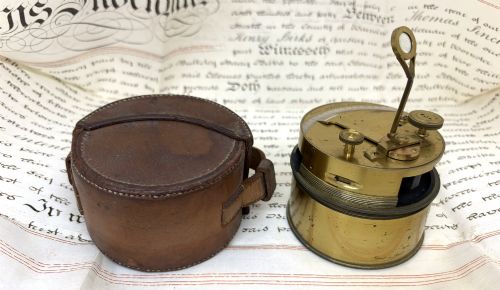
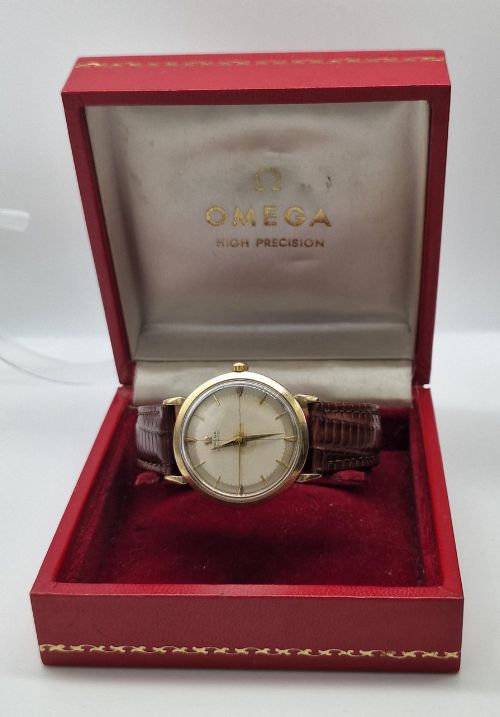
When you pick up a brown leather case, you handle practical utility from the Victorian, Edwardian, and mid-century periods designed to carry instruments, spirits, hats, or documents.
Brown Leather Case
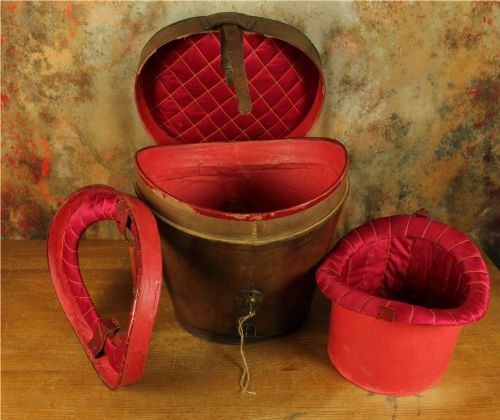
A brown leather case encompasses a wide variety of utilitarian items intended for travel, storage, and professional work across several centuries. When searching for a brown leather case, buyers encounter objects ranging from small apothecary and vanity boxes to large suitcases, hat boxes, and military campaign trunks.
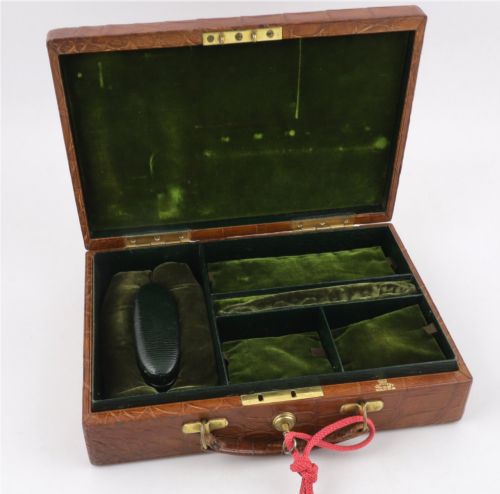
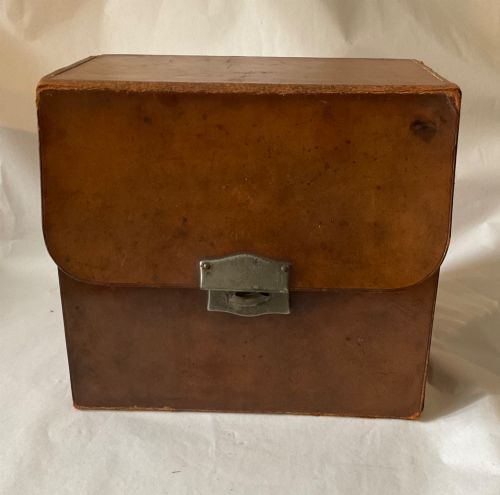
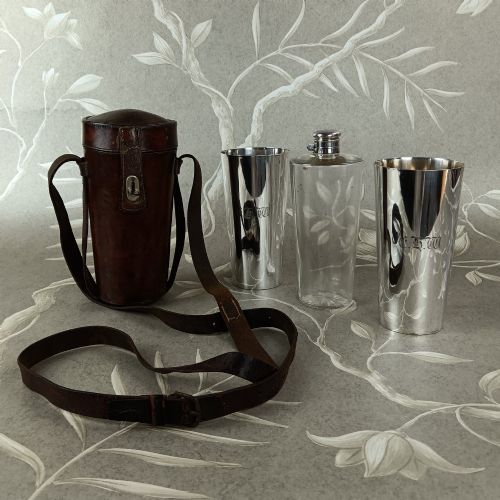
The pieces listed on this page span the 17th century through the mid-20th century, drawing from Victorian, Edwardian, and mid-century modern eras. Common forms include scientific instrument containers, carriage clock travel cases, dressing cases, and fitted barware sets designed for rigorous mobility.
Originating largely from British and French workshops, these pieces reflect the practical requirements of officers, travellers, and professionals. They combine rigid structural protection with supple hides, often tailored internally for specific instruments, timepieces, or personal accessories.
Materials and construction
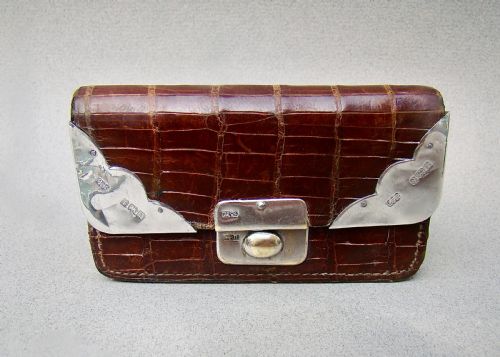
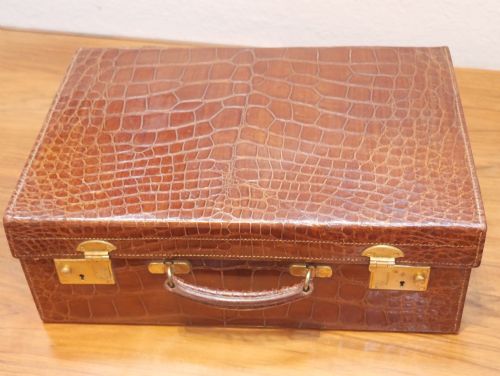
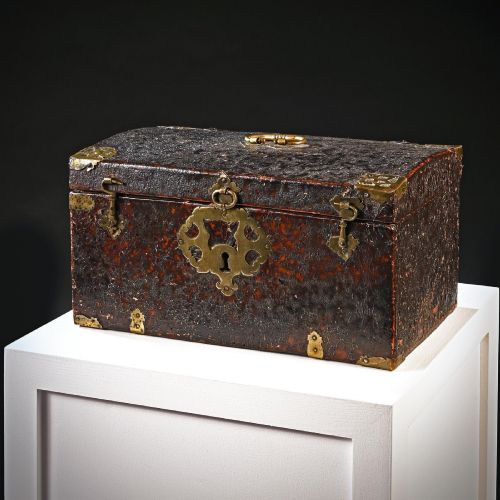
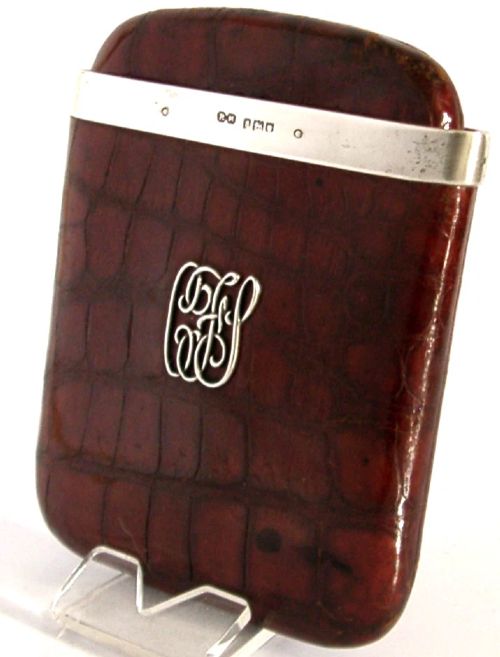
Construction relies heavily on robust cattle leather, occasionally exotic skins such as crocodile and alligator, formed over sturdy wooden or metal armatures. Artisans reinforced corners and edges with brass mounts, stitching seams with heavy-duty thread to withstand the rigours of transit.
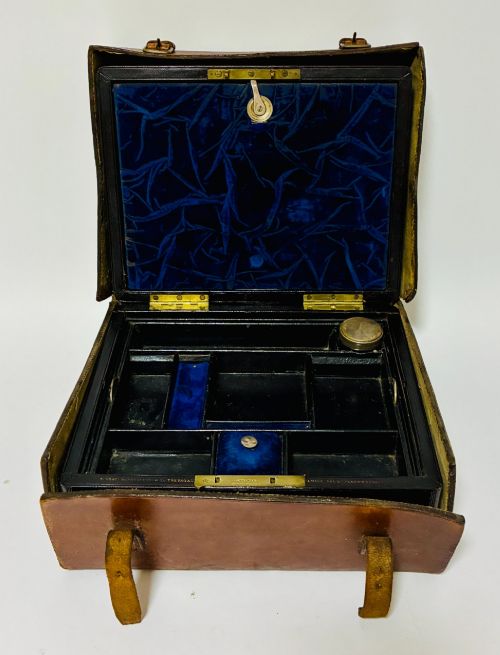
Interior fittings frequently incorporate glass, wood, brass, and velvet or silk linings to secure delicate items like scientific instruments, pocket watches, and spirit flasks. Hardware components such as locks, hinges, and latches are predominantly cast brass or polished steel, often stamped with maker details or patent marks.
Some travel cases include secret compartments originally intended for smuggled letters or hidden currency.
Judging quality and craftsmanship
Quality in these pieces depends upon the integrity of the hide, the precision of the internal fittings, and the survival of original hardware. Superior examples display tightly stitched seams, well-fitted compartments tailored for specific contents, and heavy brass locks that retain their functionality.
The distinction between standard utility items and finer examples lies in the attention to secondary materials, such as solid silver mounts, glass flasks, and bespoke interior linings. Pieces that retain their original keys, matching internal components, and unblemished leather surfaces sit at the upper end of the range.
Charles Penny Brown·J C Vickery·James Dixon & Sons·Henri Jacot·Lincoln Bennett
The Brown Leather Case Glossary
- Campaign case
- A portable container made for military officers or travellers, typically fitted with brass corners and recessed carrying handles for durability during transit.
- Dressing case
- A fitted box containing compartments and personal care items such as glass bottles, brushes, and razors, often lined in silk or velvet.
- Top hat box
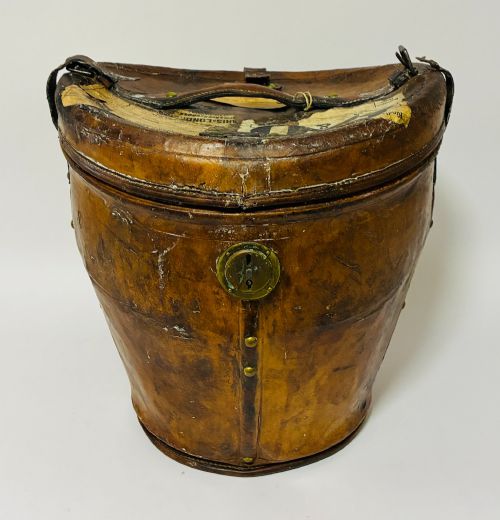
- A rigid, tall container specifically shaped to hold formal headwear safely during travel, frequently featuring internal cradles.
- Apothecary case
- A small portable chest designed to hold medical bottles, scales, and ingredients securely for field use or home visits.
- Carriage clock case
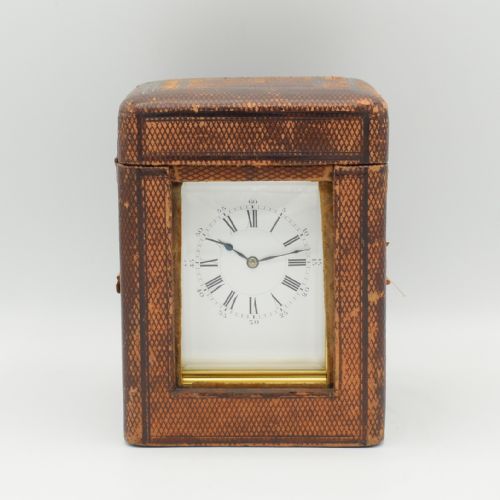
- A protective outer container, often leather-covered with a glass viewing panel, made to house delicate portable timepieces during journeys.
Brown Leather Case: Frequently Asked Questions
How do I date a leather case?
Dating relies on examining the construction methods, hardware styles, and any accompanying hallmarks on silver or brass fittings. Victorian and Edwardian pieces often feature hand-stitched seams and cast brass locks that reflect the manufacturing techniques of their specific decade.
Makers' marks stamped into the leather or metalwork provide further chronological clues. Comparing the internal fittings to known items from periods like the Regency or mid-century modern era helps narrow the production window.
What were fitted cases used for?
Fitted cases were custom-designed to transport delicate personal or professional items securely without shifting during travel. They held items such as scientific instruments, writing materials, grooming tools, and spirit flasks.
The internal compartments match the exact contours of their intended contents, often lined with velvet or leather to prevent scratching. This specialisation means each case tells a story about the specific profession or lifestyle of its original owner.
How should I care for vintage leather?
Maintaining vintage leather requires keeping the material nourished with appropriate balms or waxes to prevent drying and cracking. Avoid exposing antique leather to direct sunlight or excessive moisture, which can warp the underlying wooden structure and degrade the hide.
Gentle cleaning with a soft, dry cloth removes dust without stripping the natural patina accumulated over decades. Preserving the original surface texture and colour ensures the historical integrity of the piece remains intact.
Are these cases waterproof?
While historical leather cases offered robust protection against rain and dust during travel, they are not completely waterproof by modern standards. The treated hides and overlapping seams shed water effectively, but prolonged exposure to moisture can damage both the leather and internal linings.
Many campaign and travel cases were built for carriage on trains, ships, or horses rather than submersion. Collectors should treat them as water-resistant rather than waterproof containers today.