




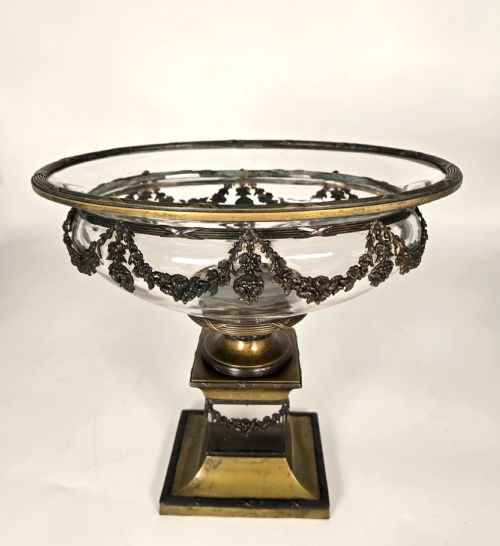
Antique Brass Bowl
These heavy metal vessels carry centuries of utility and ritual into modern rooms, offering tactile presence through warm metal surfaces.
Antique Brass Bowl
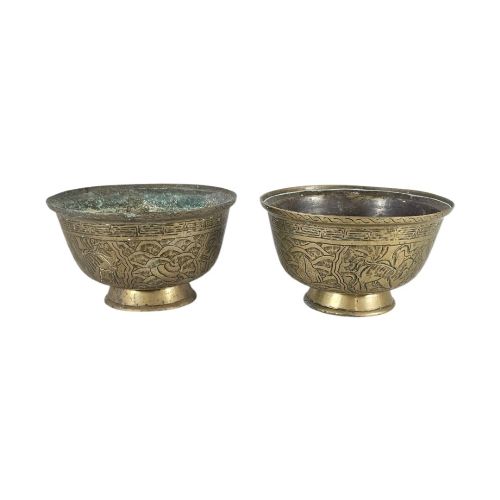
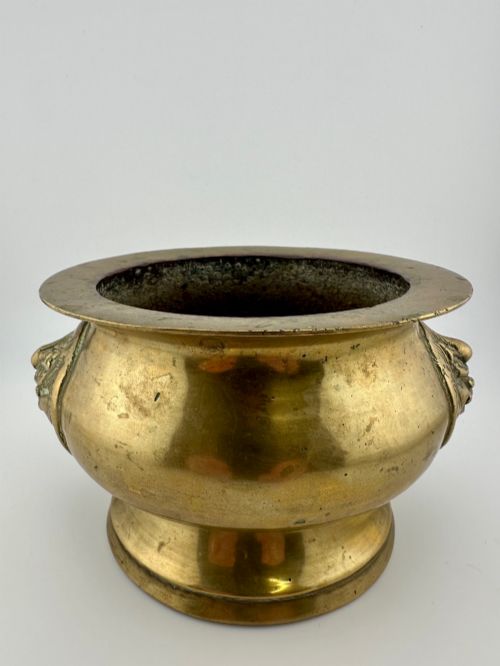
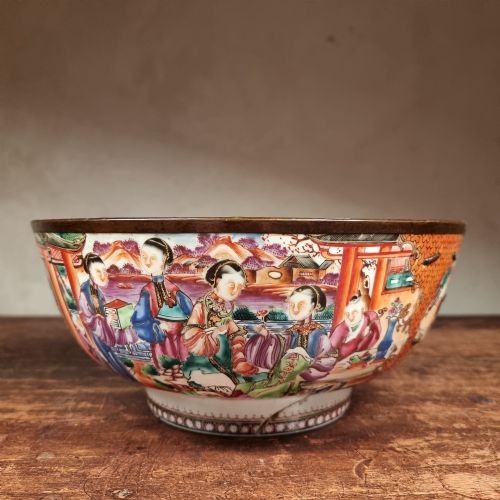
An antique brass bowl encompasses everything from utilitarian kitchen pans and mortar vessels to decorative cachepots, ceremonial censers, and inlaid Islamic wash dishes. Buyers seeking these items will encounter diverse regional traditions, spanning English domestic metalware, Qing Dynasty ritual bronzes, and Middle Eastern mixed metal vessels.
The selection ranges widely across centuries, incorporating Georgian and Victorian pieces alongside earlier 16th-century Nuremberg alms dishes. Form follows function closely in these objects, dictating whether a piece served as a heavy jam pan, an altar garnish, or a scholar's studio incense burner.
Materials and construction
Master craftsmen shaped these vessels using brass, bronze, and copper, often employing hammering, casting, and piercing techniques to achieve rigid forms and intricate pierced decoration. Bronze and brass predominated in structural items and censers, while copper lent itself to large preserving pans and jam cauldrons.
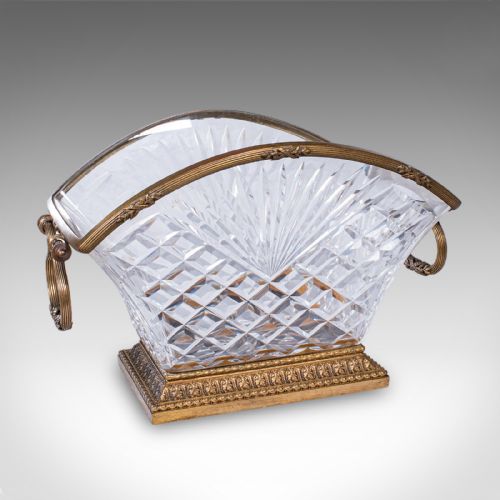
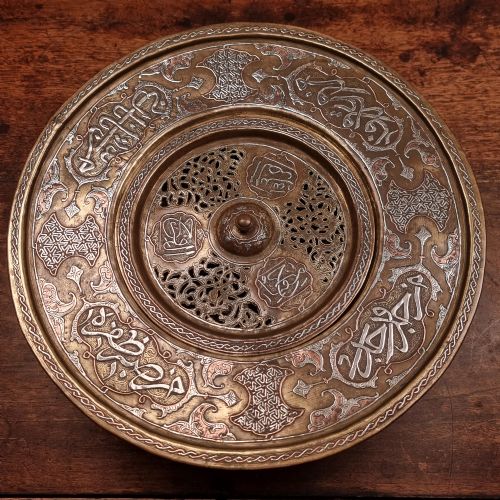
Surface embellishment required specialist skill, visible in silver inlaid wash bowls, champleve enamel, and patinated mixed metal applications known in Cairoware. Gilt bronze mounts and cut glass inserts further combined heavy metal bases with delicate transparent components in French and English pieces.
Antique Brass Bowl Retail Price Guide 2026
Typical asking prices for brass bowl among the pieces listed under this phrase on Sellingantiques today, from the lower quarter to the upper quarter. They describe what is for sale here now, not the wider market.
The documented styles range from Georgian and Neoclassical to Qing Dynasty, Mamluk Revival, and Art Deco.
Judging the execution
Quality rests on the integrity of the casting and the crispness of the hand-chased or inlaid details, where deeper relief and deliberate maker or studio marks elevate a piece above standard domestic output. Heavy gauge metal and balanced proportions indicate superior workshop standards, whether in an English mortar or a Chinese tripod censer.
The harmony of mixed materials also dictates distinction, such as tightly fitted glass inserts in gilt bronze frames or seamless silver inlay upon patinated copper surfaces. Pieces retaining original patination and uncompromised structural weight demonstrate superior preservation through successive centuries.
The Antique Brass Bowl Glossary
- Censer
- A vessel designed for burning incense during ritual or scholarly pursuits. These containers frequently feature tripod supports and intricate cast masks.
- Jardiniere
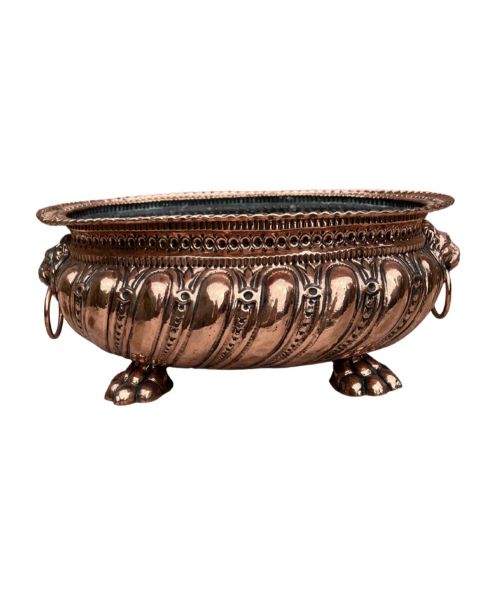
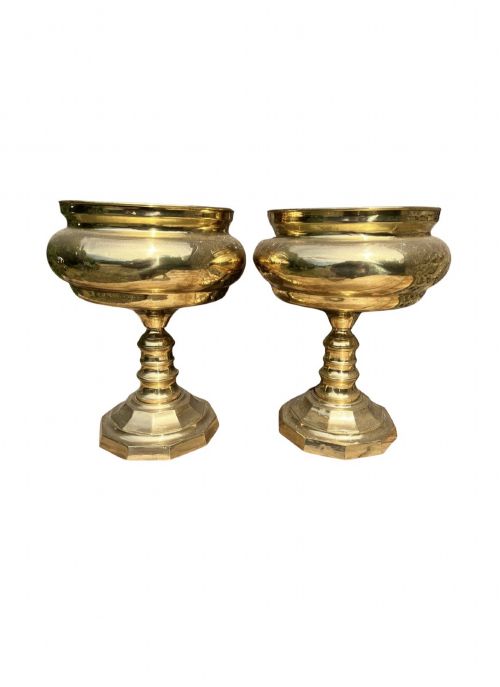
- An ornamental pot or stand intended to hold plants or flowers. They often display pierced brass work or repoussé surface decoration.
- Plafonnier
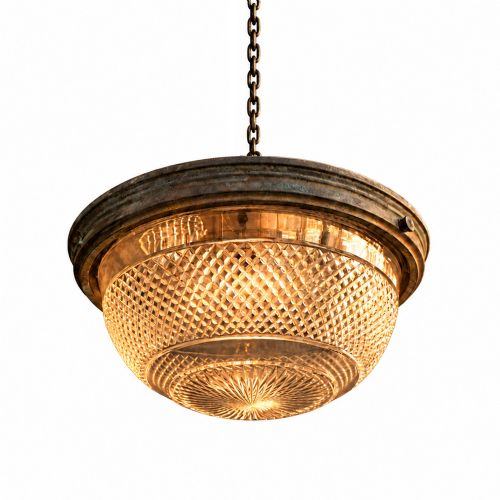
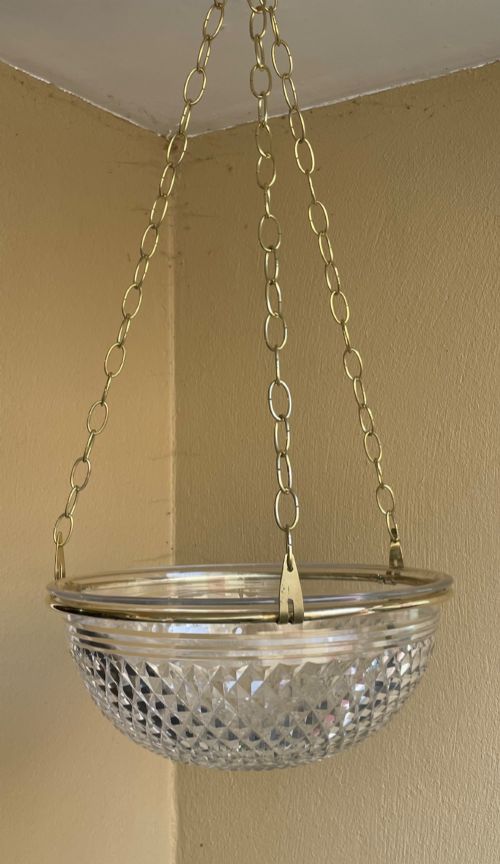
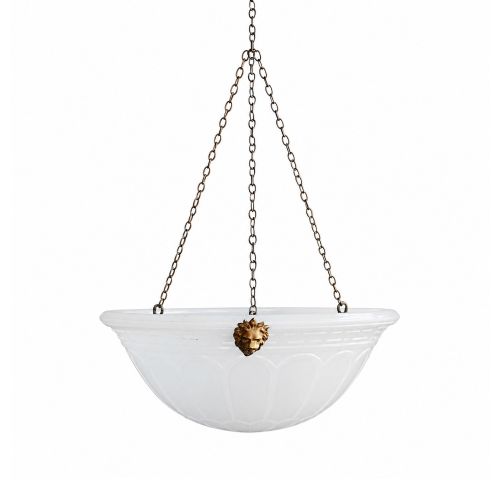
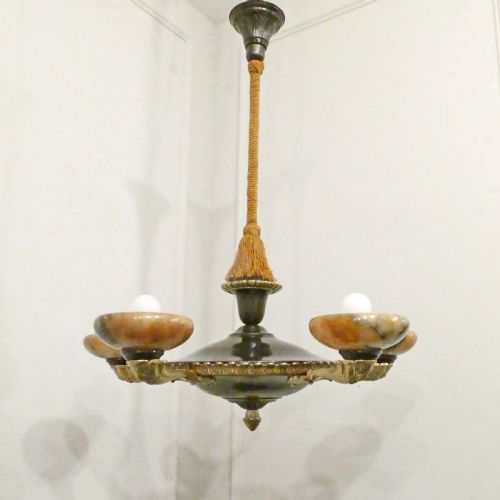
- A ceiling-mounted bowl light fixture popular during the Edwardian and early 20th-century periods. These fixtures frequently utilise cut glass or moonstone elements.
- Cachepot
- An ornamental outer pot used to conceal a plain flowerpot. Examples in the evidence originate from Indian and European workshops.
- Alms Dish
- A shallow metal dish used historically for collecting charitable offerings in churches. The 16th-century Nuremberg examples represent early European metalworking traditions.
- Cairoware
- Nineteenth-century brass and mixed metal wares produced in Egypt featuring intricate silver and copper inlay. These decorative bowls showcase Islamic revival styles.
Antique Brass Bowl: Frequently Asked Questions
How were antique brass bowls used historically?
These vessels served diverse roles ranging from domestic kitchen preparation in heavy jam pans to sacred rituals involving incense censers and altar vases. Many functioned as decorative cachepots or wash bowls within affluent households.
Eastern and Western traditions utilised the metal durability for both daily utility and ceremonial display, connecting practical storage with aesthetic ornamentation.
How do I clean an antique brass bowl?
Preserving the historic surface requires avoiding harsh chemical abrasives that strip away centuries of accumulated patination and character. Gentle dusting with a soft cloth maintains the metal without harming the underlying alloy.
Specialist conservation waxes can protect exposed copper and brass from further oxidation while retaining the mellow tones acquired over generations.
What is the difference between brass and bronze?
Brass is primarily an alloy of copper and zinc, yielding a bright golden hue suitable for detailed casting and domesticware. Bronze consists mainly of copper combined with tin, offering greater tensile strength and a deeper, darker tone.
Historical makers selected the specific metal based on the intended function, utilising bronze for heavy ritual censers and mortar vessels.
How can I tell the age of a metal bowl?
Dating relies on observing manufacturing marks, construction techniques, and stylistic clues specific to periods like the Qing Dynasty or the Victorian era. Hand-hammered seams, tool marks, and specific maker seals provide concrete indicators of origin.
Comparing the alloy composition and wear patterns against established historical metalware helps place the object within its correct century.