



Engraved Brass Vessel
These engraved brass vessel selections bring together centuries of metalwork, offering striking decorative presence for any interior scheme.
Engraved Brass Vessel
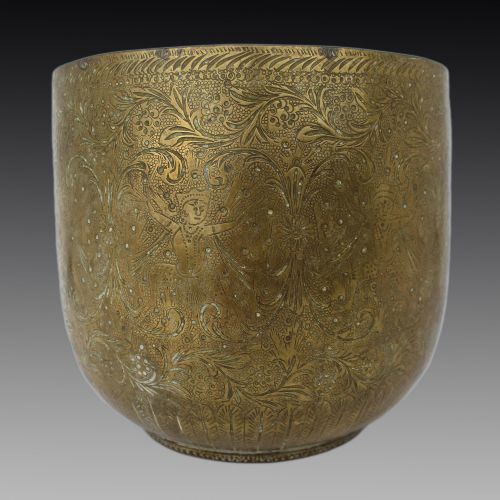
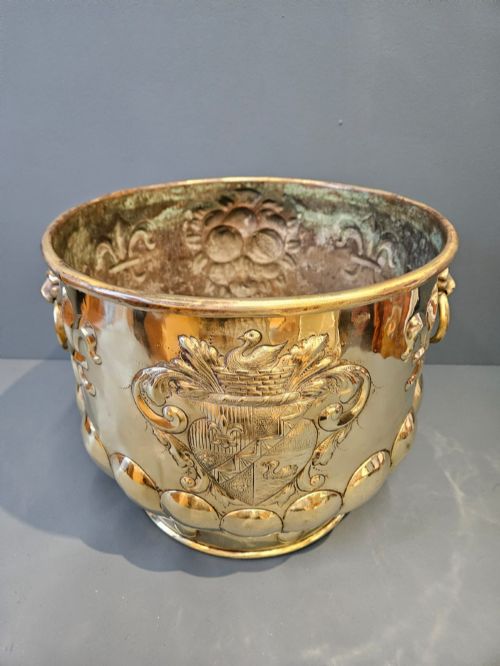
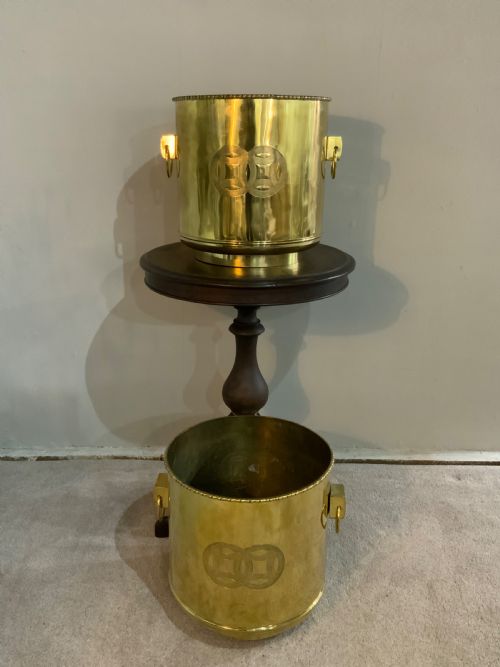
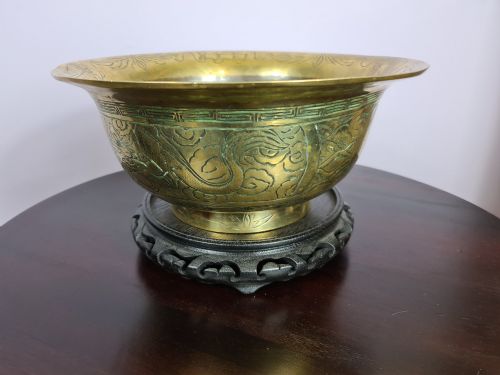
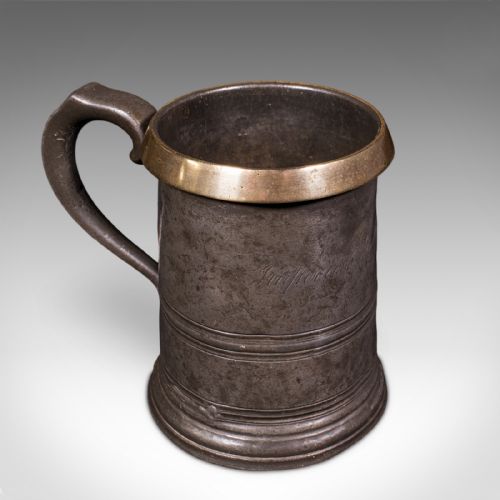
When you search for an engraved brass vessel, you encounter a diverse range of metalwork spanning multiple centuries and global origins. The selection centres heavily upon decorative bowls, jardiniieres, cachepots, and basins produced during the Victorian era and the late nineteenth century.
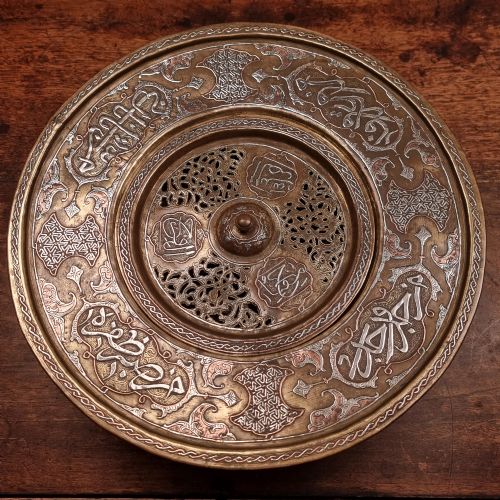
Beyond standard domestic vessels, the form extends to specialised items including Indian ceremonial bowls, holy water carriers, and Middle Eastern basins. These pieces demonstrate intricate surface pattern work executed across various cultural traditions, from Mamluk revivals to Anglo-Indian designs.
How they were made
Makers utilised base metals primarily through casting, hammering, and turning, often combining brass with copper, bronze, or silver inlay. Artisans achieved surface patterns through hand-engraving, deep carving, and chasing techniques directly into the metal body.
Many examples incorporate mixed metals or applied crests, while specific traditions like Islamic silver inlay require precise channels cut into the brass to receive the contrasting metal.
Engraved Brass Vessel Retail Price Guide 2026
Typical asking prices for engraved brass vessel among the pieces listed under this phrase on Sellingantiques today, from the lower quarter to the upper quarter. They describe what is for sale here now, not the wider market.
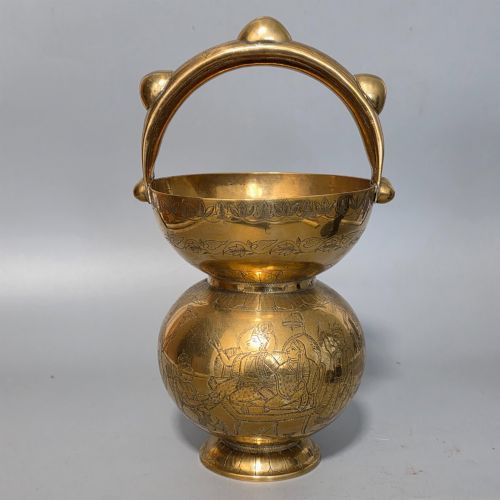
One unexpected vessel doubles as a Hindu holy water carrier, proving that historic brass containers held liquids of every conceivable spiritual stripe.
What varies in quality
Quality rests upon the depth, crispness, and precision of the hand-engraved or chased decoration across the brass surface. Superior examples display confident, fluid lines that integrate harmoniously with the proportions of the vessel.
Weight and structural substance also differentiate the range, as heavier cast bronzes and thick-walled brass basins demonstrate superior material integrity compared to lighter alternatives.
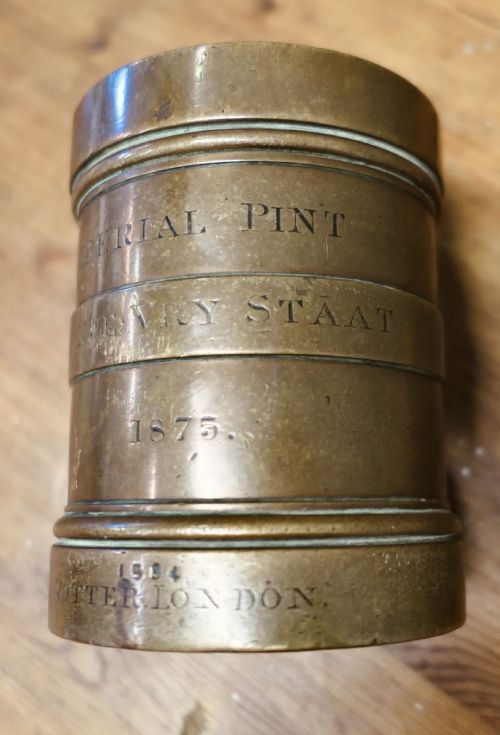
Potter of London
The Engraved Brass Vessel Glossary
- Jardiniere
- A large decorative pot or stand used for holding flowers or plants. These often feature substantial brass or bronze construction with surface engraving.
- Cachepot
- An ornamental container designed to hold a flowerpot and conceal its standard terracotta base. They frequently appear in Victorian and oriental styles.
- Cairoware
- Metalware decorated with inlaid silver and copper calligraphy or geometric patterns, originating from Islamic traditions. This technique creates high-contrast surface detail on brass.
- Chasing
- A metalworking technique where an artisan hammers designs into the front of the material to create depressed, textured patterns. It complements hand-engraving.
- Basin
- An open, circular vessel intended for holding liquids or ceremonial water. Historical examples often display intricate script or floral motifs.
Engraved Brass Vessel: Frequently Asked Questions
How were these brass vessels originally used?
These items served various domestic and ceremonial functions, ranging from holding plants and flowers to containing holy water or washing water.
Larger basins and jardiniers acted as prominent interior display pieces in period homes, while smaller items fulfilled specific daily or ritual requirements.
How do I care for an antique brass vessel?
Maintain the surface by dusting gently with a soft, dry cloth to prevent the accumulation of dirt within the engraved recesses.
Avoid harsh chemical polishes that can strip away desirable age patinas and damage delicate hand-carved or inlaid details.
How can I tell the age of a brass vessel?
Examine the manufacturing marks, tool traces, and the specific style of the decorative engraving to determine the likely period of origin.
Variations in metal composition, such as the inclusion of copper or bronze alongside brass, often correspond to distinct nineteenth-century revival movements or earlier traditions.
What is the difference between a cachepot and a jardiniere?
A cachepot generally serves to conceal a standard plant pot indoors, functioning as a decorative sleeve for flora.
A jardiniere often describes a larger, freestanding or table-standing vessel designed to hold plants or arrangements directly within its main body.