




Brass Wash Basin
A brass wash basin brings heavy metal warmth and deep historic utility straight into a modern interior.
Brass Wash Basin
A brass wash basin is a utilitarian vessel built for personal hygiene, kitchen tasks, or decorative water use, drawn from centuries of metalwork traditions. When searching for a brass wash basin, buyers encounter forms ranging from Islamic engraved vessels to Victorian maritime pieces and domestic copper pans.
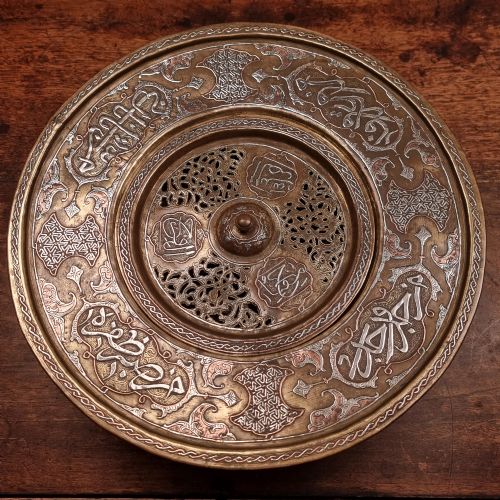
The selection on this page relies primarily on 16th-century Mamluk engraved brass basins from Egypt or Syria alongside later 19th-century metalware and related washstands. These pieces demonstrate both eastern metal craftsmanship and western utilitarian manufacturing from the Georgian and Victorian eras.
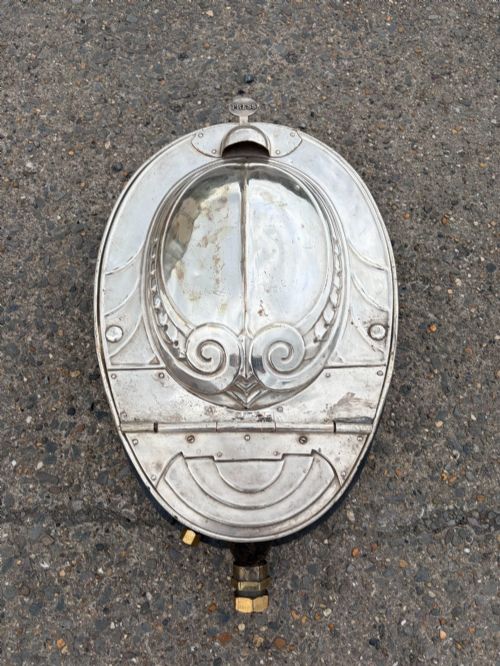
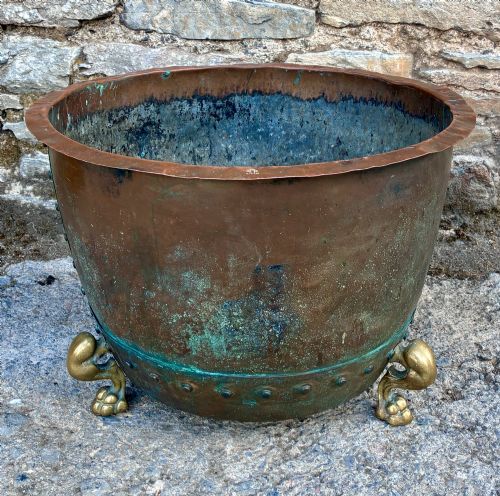
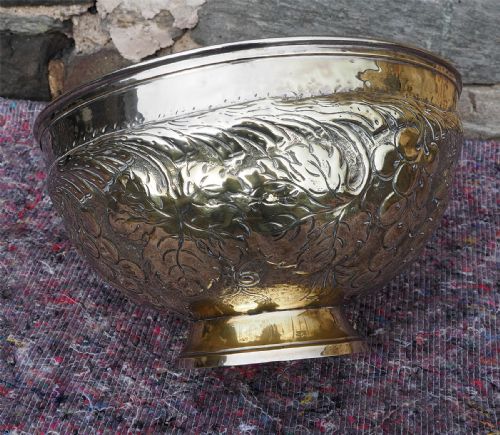
Alongside actual basins, the listings include silver plate sinks, copper boilers, washbowls, punch bowls, and wooden washstands housing basins. This variety reflects the overlapping domestic and institutional functions of washing and water containment across different periods.
How they were made
Mamluk period pieces utilise heavy brass sheet shaped and worked with intricate surface engraving, frequently inlaid with silver to define Islamic geometric and calligraphic motifs. These eastern examples require expert hammering and manual chisel work to achieve their dense surface decoration.
Later British pieces rely on heavy gauge copper and brass, often joined with visible rivets in boilers and pans or turned on large lathes for domestic cream setting pans. Maritime and railway iterations incorporate teak, satin birch, and silver plate to build robust units suited for travel.
What varies in quality
Quality rests in the crispness of the original hand engraving and the integrity of the surviving metal surface, distinguishing master craftsmanship from crude utilitarian output. Pieces retaining their early silver inlay and deep chisel work command attention over plain or heavily worn vessels.
Structural honesty and the preservation of original materials define the upper tier, whether in an unpolished 16th-century brass body or a complete Victorian campaign washstand with its original fittings. Alterations, heavy modern thinning, and losses to the primary metal diminish the integrity of the piece.
The Brass Wash Basin Glossary
- Mamluk
- Pertaining to the Mamluk Sultanate of Egypt and Syria, known for sophisticated brass metalwork inlaid with silver and gold. This style emphasises intricate geometric strapwork and Arabic inscriptions.
- Silver Plate
- A thin layer of silver fused to a base metal such as copper or brass. This technique provided the appearance of solid silver for railway and domestic sanitary ware.
- Cream Setting Pan
- A wide, shallow domestic pan designed for allowing milk to cream before skimming. These vessels are typically hammered from heavy gauge copper.
- Satinbirch
- A pale, lustrous timber derived from birch trees, utilised for high-quality Victorian furniture including washstands. It offers a golden hue and subtle chatoyant grain.
- Riveted
- Joined together using metal bolts hammered flat at the ends. This construction method ensures structural strength in heavy industrial copper boilers and pans.
Brass Wash Basin: Frequently Asked Questions
Are these basins watertight?
Most historic metal vessels retain their structural integrity, though buyers intending to plumb them in for modern bathroom use should inspect the base and seams carefully. Many early examples function best as display pieces rather than active plumbing fixtures.
Older soldered joints and riveted seams can develop minor weeping over time when subjected to constant water pressure and modern cleaning agents. Gentle use preserves the historic metalwork without risking damage.
How do I clean old brass?
Historic metal surfaces benefit from minimal intervention, retaining their dark natural oxidation and handling marks rather than aggressive chemical polishing. Warm water and mild soap remove surface dirt safely.
Avoid abrasive metal polishes that strip away centuries of patination and fine engraving detail. A soft dry cloth is usually sufficient for routine maintenance.
How old are these basins?
The selection spans from the late 15th and early 16th centuries through the 1800s and late Victorian period. Islamic brass vessels typically represent the earlier centuries, while British copper pans and washstands date to the Georgian and Victorian eras.
Each period employs distinct manufacturing methods, from manual eastern engraving to industrial British plate and riveted construction.
Can I use a washstand daily?
Victorian washstands and ship-board tables are built from durable timbers like teak and satin birch designed for practical cabin use. They integrate basins and surfaces intended for heavy daily washing routines.
Protecting wooden tops from standing water ensures these historic pieces survive normal modern use without water staining the polished timber.