

Antique Brass Bell
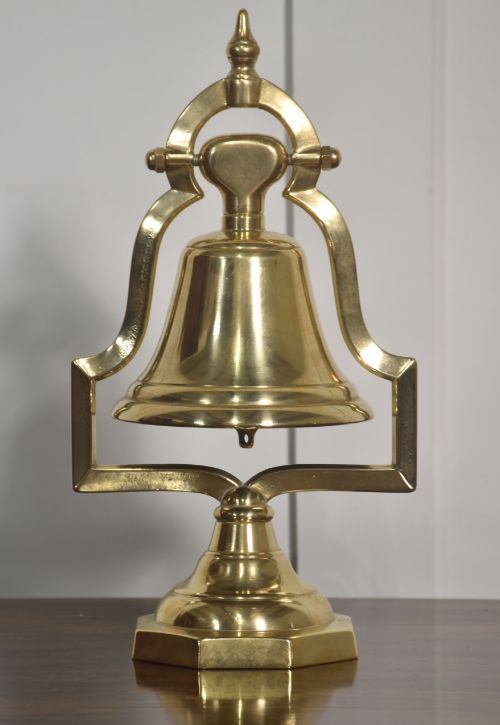
An antique brass bell brings resonant history into a room, spanning everything from domestic hand bells to large dinner gongs.
Antique Brass Bell
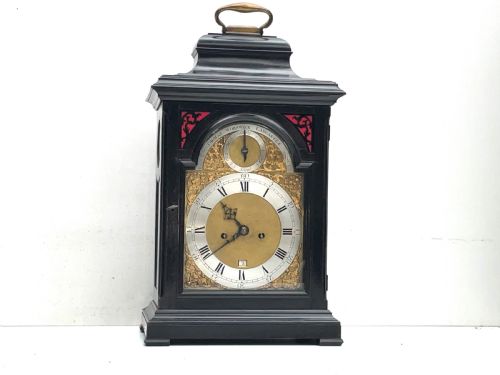
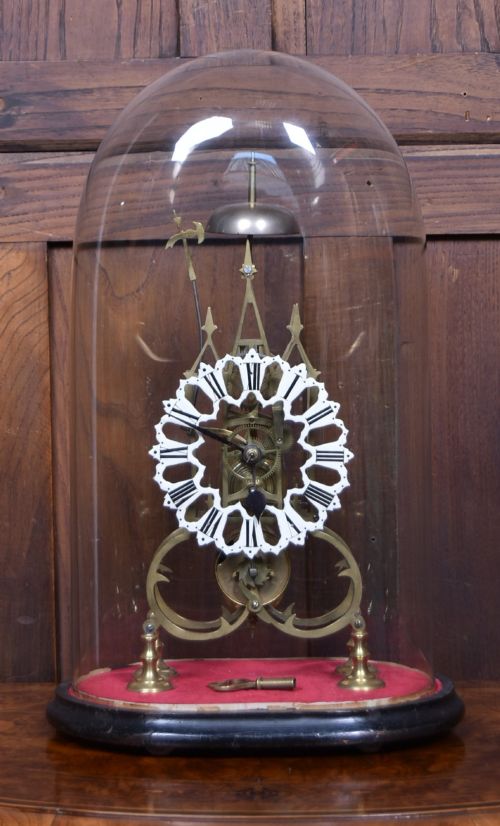
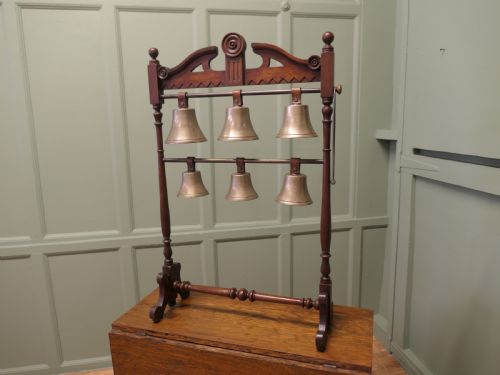
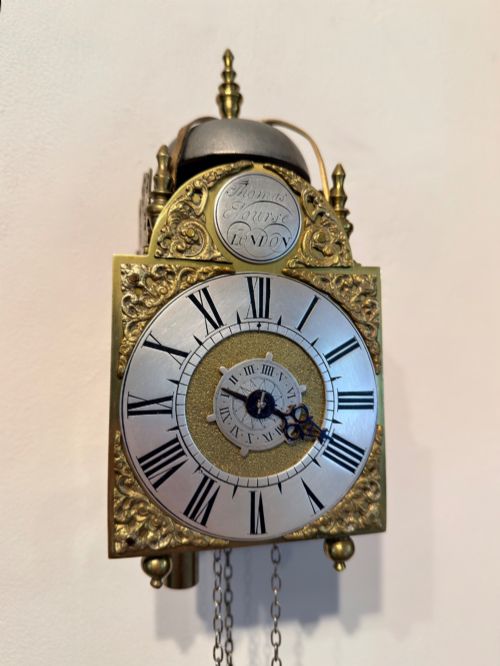
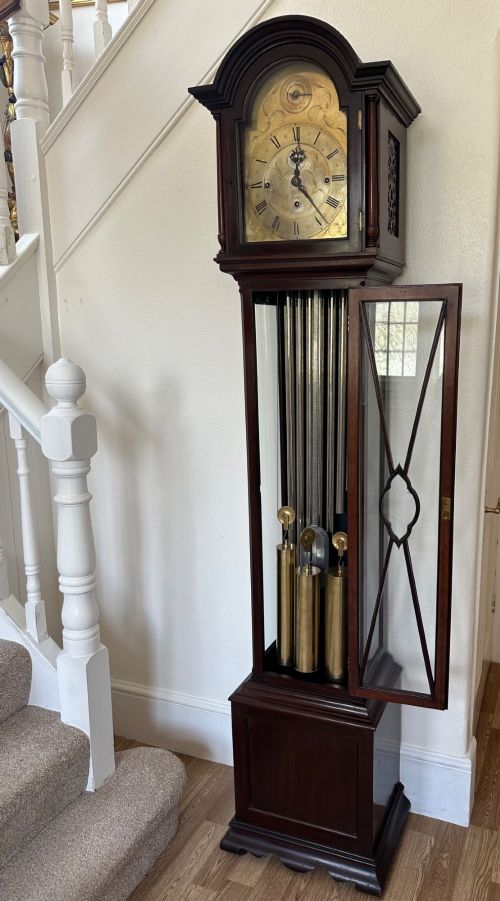
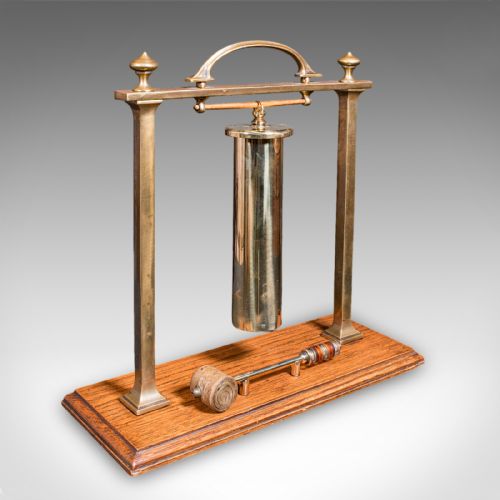
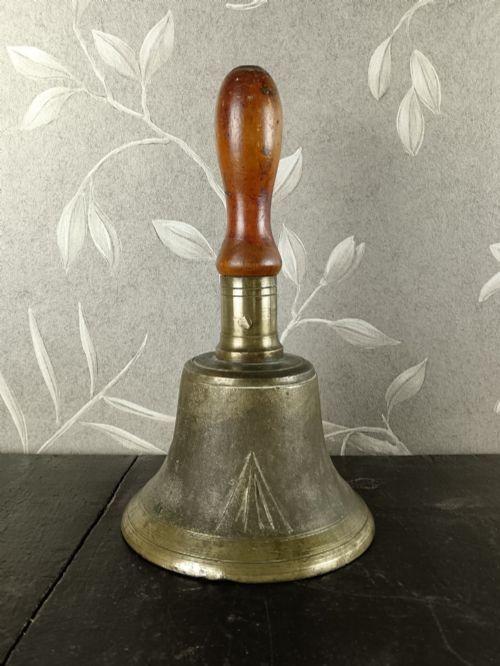
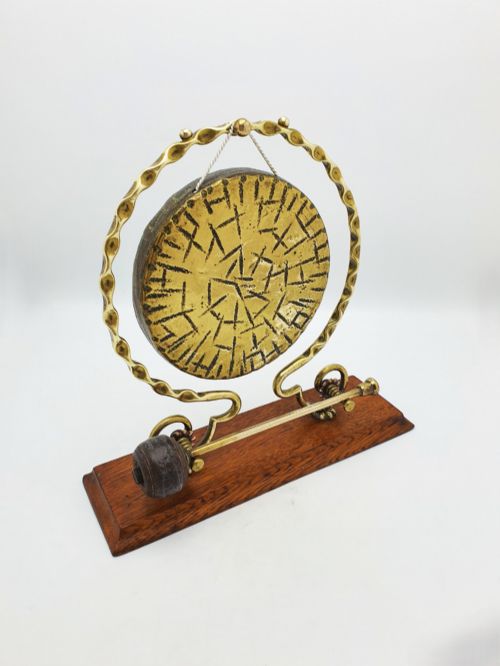
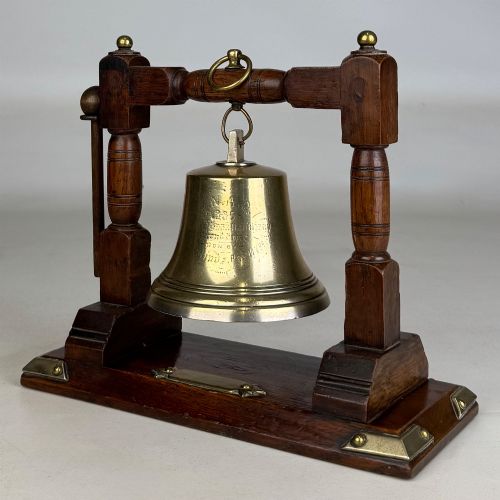
When searching for an antique brass bell, buyers encounter a diverse range of objects spanning utility and timekeeping, from handheld devices to complex clock movements. The selection covers domestic items like desk call bells and shop counters, through to larger hanging dinner gongs mounted on timber stands.
The physical form adapts directly to its intended purpose, whether intended for a butler's call, a railway station, or a quiet tea ceremony. Wooden elements in oak, mahogany, or walnut often accompany the metal components in mounts, handles, and striking bases.
Materials and construction methods
Manufacturing methods rely primarily on casting molten brass and bronze, often combined with seasoned hardwoods such as oak, mahogany, and walnut for stands and handles. Iron and steel components frequently appear within internal clapper mechanisms, hanging brackets, and structural framing.
Makers shaped the resonant alloy through traditional foundry casting, followed by hand-finishing and polishing to achieve specific acoustic properties and surface textures. Turned wooden elements demonstrate period carpentry techniques, utilising lathe work for handles, bases, and wall mountings.
Antique Brass Bell Retail Price Guide 2026
Typical asking prices for brass bell among the pieces listed under this phrase on Sellingantiques today, from the lower quarter to the upper quarter. They describe what is for sale here now, not the wider market.
Several Victorian desk bells take the curious form of miniature cast brass pigs and elephants, ready to summon assistance with a sharp tap.
Evaluating craftsmanship and condition
Quality reveals itself through the clarity and sustained resonance of the tone produced by the cast metal alloy. Superior pieces display clean casting lines, careful hand-finishing, and robust mechanical actions within the clappers or striking levers.
The integrity of secondary materials, such as solid oak or mahogany mounts and turned wooden handles, distinguishes higher-grade examples from ordinary production. Preserved surface patination and original mounting hardware indicate a well-maintained piece with historical authenticity.
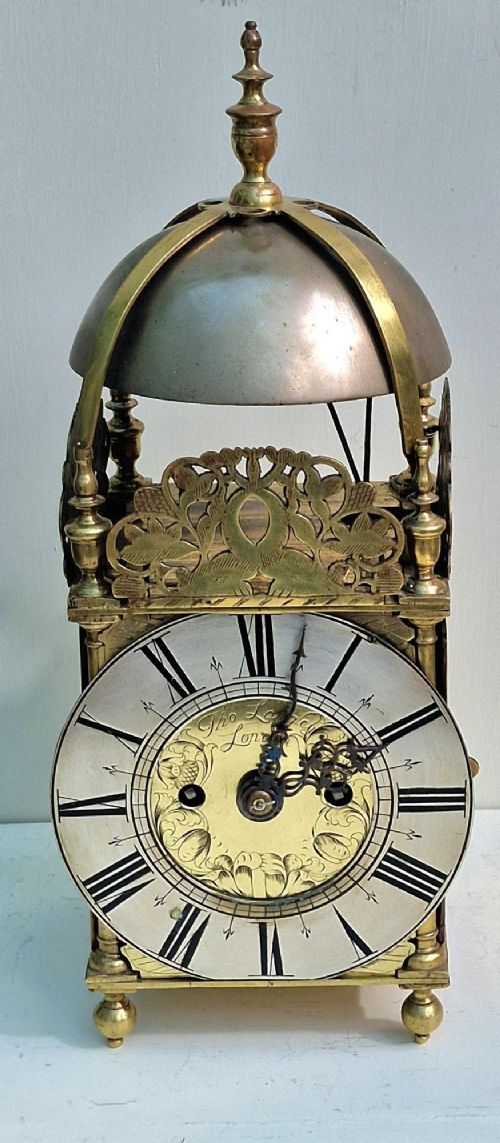
Thomas Langley London·Winsor Bishop Norwich·Windmills and Bennet·Samuel Tinham·John Waller
The Antique Brass Bell Glossary
- Clapper
- The internal tongue or ball that strikes the interior wall of a bell to produce sound. It hangs from a suspension loop inside the crown.
- Gong
- A suspended metal disc or resonant vessel struck with a mallet rather than an internal clapper. These often hang from carved wooden frames for domestic use.
- Patina
- The surface sheen and coloration developed through age, handling, and oxidation. It provides a visual indicator of a piece's historical depth.
Antique Brass Bell: Frequently Asked Questions
How do I clean an antique brass bell?
Dust the surface gently with a soft dry cloth to preserve the historical patina and accumulated finish of the metal. Avoid harsh chemical cleaners or abrasive metal polishes that strip away age-related coloration.
For wooden bases or handles, apply a modest amount of beeswax furniture polish with a clean cloth. This nourishes older timber like oak and mahogany without affecting adjacent metal components.
Were these bells used indoors or outdoors?
Domestic examples served primarily inside country houses, shops, and offices as desk call bells, tea gongs, and staff summons. Their resonant tones carried effectively through interior rooms and hallways.
Larger variations functioned in external or semi-external settings such as school yards, railway platforms, and tavern doors. These durable designs withstood frequent daily handling in busy public environments.
What woods commonly accompany these bells?
Oak, mahogany, and walnut appear frequently as mounting boards, tabletop stands, and turned striking handles. Cabinet makers utilised these sturdy hardwoods to support heavy cast metal components securely.
Earlier pieces occasionally incorporate pine, fruitwood, or treen elements. The choice of timber often reflects the prevailing cabinet-making styles of the Victorian and Edwardian periods.
How can I tell a Victorian bell from an Edwardian one?
Victorian specimens often display heavier cast construction, ornate detailing, and darker patination associated with mid-to-late nineteenth-century domestic interiors. Shop and desk call bells from this era frequently feature patented spring mechanisms.
Edwardian designs tend toward lighter proportions, sometimes combining brass with polished oak stands or oriental-inspired gong frames. The aesthetic shifted during the early twentieth century toward cleaner architectural lines in domestic accessories.