



Antique Metal Bell
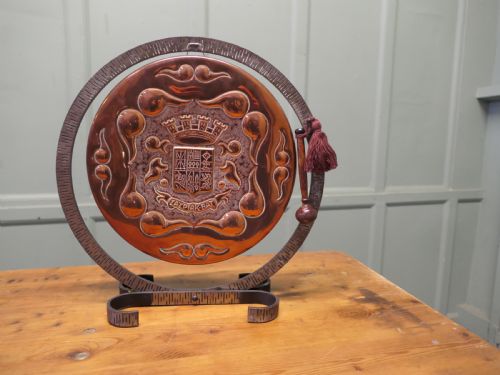
These antique metal bell pieces range from sturdy Victorian door hardware to resonant 18th-century bronze table gongs.
Antique Metal Bell
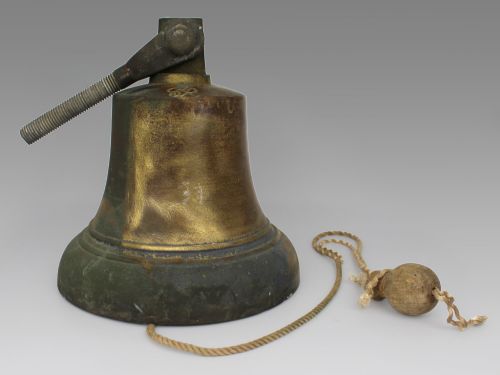
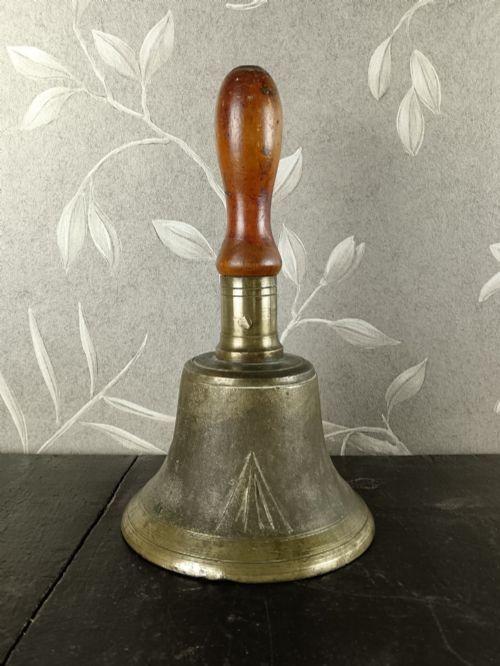
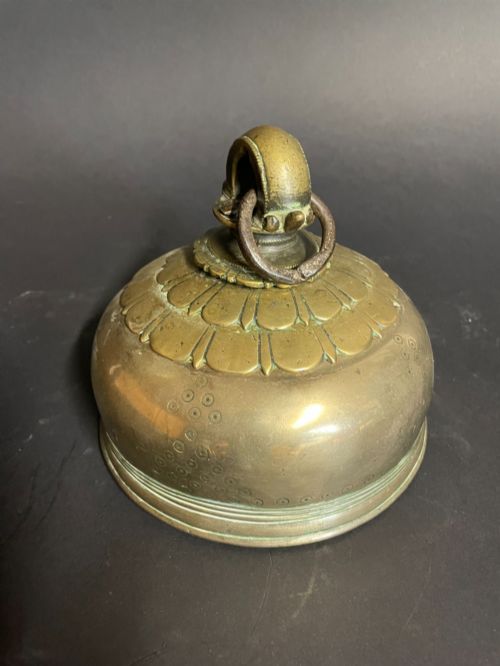
Domestic and institutional pieces form the core of what is available, featuring items such as servants' call bells, ship bells, and temple bells. Materials range from traditional bell metal and cast bronze to brass and cast iron, often mounted on original brackets, hardwood frames, or leather straps.
How they were made
Many of the examples rely on traditional casting techniques using bronze, brass, or bell metal alloys, which provide the essential density required for a clear resonance. Individual components often show evidence of hand hammering, turning, or seaming, particularly in eighteenth-century candlesticks and nineteenth-century gongs.
Supporting structures utilise contrasting materials including carved oak, hardwood, wrought iron, and leather. These elements are combined with metal fixings to create durable hanging brackets, desk stands, and pull mechanisms designed for daily mechanical operation.
A nineteenth-century pig mechanical bell demonstrates that Victorians enjoyed summoning their household staff with farmyard charm.
What varies in quality
The acoustic purity and resonance of the metal distinguish superior examples from simpler utilitarian objects, often dictated by the precise copper and tin alloy composition. Pieces that retain their original mountings, brackets, clappers, and striking mechanisms command greater interest than those with replacement parts.
Artistic execution in the casting and surface finishing separates standard production items from finer decorative pieces. Crisp relief work, harmonious proportions, and untouched surface patination indicate a higher standard of original craftsmanship.
William Tonks and Sons·Warners of London·Mathias Bauerle·Biron Paris·William Cor
The Antique Metal Bell Glossary
- Bell metal
- An alloy of copper and tin traditionally utilised for its acoustic properties and durability. This specific mixture produces the bright, sustained resonance characteristic of high-quality examples.
- Ormolu
- Finely ground high-carat gold applied to a bronze base using a mercury amalgamation process. This decorative finish appears on select nineteenth-century clock mounts and luxury items.
- Clapper
- The internal tongue or suspended ball that strikes the inner wall of a bell to produce sound. Original clappers contribute significantly to the authenticity of the piece.
- Mortar and pestle
- A heavy vessel and grinding tool cast in bronze or brass for pharmaceutical or culinary preparation. These objects frequently share the same alloy composition and casting workshops as contemporary bells.
- Counter bell
- A spring-loaded desktop or shop bell designed to be struck manually on a plunger or top button. These served in Victorian and Edwardian retail spaces for summoning service.
Antique Metal Bell: Frequently Asked Questions
How do I test the tone of an antique bell?
Gently strike the outer rim using a padded mallet or your fingertip rather than a hard metal object to avoid surface damage. A high-quality bell metal or bronze piece produces a clear, sustained tone with a distinct ringing resonance.
Avoid striking cracked or heavily pitted bells forcefully, as structural flaws prevent proper vibration and can worsen existing damage. Listening to the decay of the note often reveals the purity of the alloy.
What is the difference between bell metal and brass?
Bell metal is a specific high-tin bronze alloy containing roughly four parts copper to one part tin, formulated explicitly for acoustic strength. Brass is primarily a copper and zinc alloy that produces a softer, less resonant tone.
Visual inspection often shows bell metal possessing a darker, warmer patination with a denser weight compared to standard brass. Eighteenth-century casters relied heavily on bell metal for both gongs and candlesticks.
How were antique counter bells used?
Victorian and Edwardian shopkeepers placed counter bells on reception desks or shop counters to alert staff when customers entered. A sharp press on the top plunger drove an internal hammer against the bell housing.
These mechanical desk devices saw heavy daily service in hotels, railway offices, and retail establishments. Their survival in working order depends on the internal spring mechanism remaining intact.
How do I clean an antique metal bell?
Dust the surface regularly with a soft, dry cloth to prevent the accumulation of grime within engraved details or brackets. Avoid abrasive metal polishes that strip away historical patination and micro-scratch the bronze or brass.
Leaving the natural oxidation undisturbed preserves the visual age and character of the piece. Professional conservation is only required if active corrosion threatens the stability of the metal.