


Antique Bronze Bell
An antique bronze bell brings resonant history into a room, sounding through centuries of domestic, maritime, and ritual use.
Antique Bronze Bell
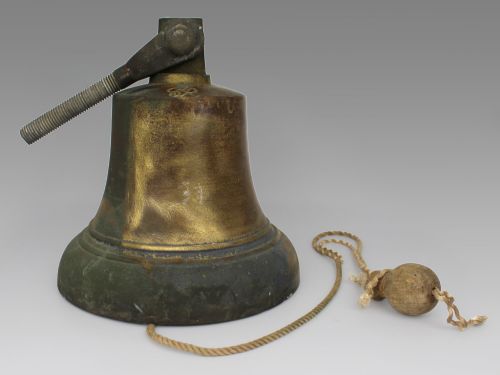
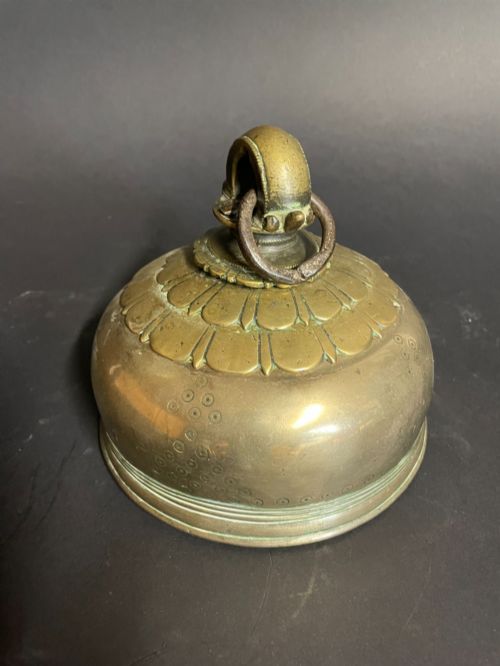
An antique bronze bell encompasses various functional forms, from hand-held schoolmaster chimes and table bells to large tower bells and ship bells. These pieces survive from periods spanning the seventeenth through the early twentieth centuries, reflecting diverse origins from English workshops to Asian temples.
The most common examples encountered on this page are domestic hand bells, counter bells, and dinner gongs, frequently paired with iron brackets or wooden handles. Collectors also meet specialised forms such as mortars, incense burners, and mantel clocks that incorporate bell-striking mechanisms.
Geographic styles range from English domestic metalware and French gilt ormolu clock assemblies to Sino-Tibetan and Japanese temple vessels. Each object carries the specific casting methods and stylistic markers of its period, whether Victorian, Georgian, or Qing Dynasty.
Factors of quality and resonance
Quality in an antique bronze bell rests heavily on the purity of the alloy and the precision of the cast, which directly govern the clarity and duration of the tone. Heavier, master-cast examples generally produce a purer bell-ring resonance than lighter, purely decorative pieces.
The integrity of the original mounting hardware - such as iron wall brackets, wooden handles, or hanging rings - distinguishes untouched examples from those with later replacements. Finer pieces retain crisp surface detailing, whether figurative elements like elephants at the base or intricate casting signatures.
Provenance and maker attribution elevate certain items, particularly those bearing documented foundry marks from known makers or specialised regional workshops.
Biron Paris·Warners of London·William Cor·Albert Ernest Carrier Belleuse
The Antique Bronze Bell Glossary
- Bell metal
- A hard alloy containing mostly copper and tin, traditionally utilised for casting bells to achieve a bright, sustained acoustic tone. This specific mixture prevents cracking under heavy clapper strikes.
- Ormolu
- Finely ground high-carat gold applied to a bronze base, commonly seen on French decorative mantel clocks and lanterns. The technique creates a rich, lasting metallic lustre.
- Mortar and pestle
- A heavy vessel and grinding tool cast in bronze or bell metal, often found alongside domestic bells from the eighteenth century. These items served pharmaceutical or culinary purposes.
- Gong
- A percussion instrument of Asian origin, suspended from a frame and struck with a mallet to produce a deep tone. Dinner gongs often feature carved wooden stands.
- Silk suspension
- A method of suspending the pendulum in antique French mantel clocks using a fine silk thread, typical of movements produced in the eighteenth and nineteenth centuries.
Antique Bronze Bell: Frequently Asked Questions
How do I clean an antique bronze bell?
Dust the surface gently with a soft, dry cloth to preserve the natural aged patina. Avoid chemical metal polishes that strip away historical character and dull the metal.
For stubborn grime, use a slightly damp cloth with mild soap, drying the metal immediately afterwards to prevent oxidation.
Why do some bronze bells sound different from others?
The acoustic resonance depends entirely on the metal composition, particularly the ratio of copper to tin in bell metal. Thicker, heavier castings produce a deeper, more sustained tone.
Minor hairline fractures or accumulated interior debris can also dampen the natural vibration when the clapper strikes.
Were these bells used in homes or schools?
Many surviving pieces served specific domestic roles as counter bells, table dinner chimes, or town criers' hand bells. Others were manufactured for institutional environments, including schoolrooms and ships.
Maritime bells governed shipboard routines, while domestic examples summoned servants or announced meals.
How can I tell the age of a bronze bell?
Dating relies on stylistic clues, casting techniques, and associated mounting hardware such as wrought iron brackets or turned walnut handles. Eighteenth-century pieces often display heavier hand-casting marks and simpler, utilitarian forms compared to ornate Victorian or Edwardian designs.
Maker signatures or engraved dates stamped directly into the bronze provide definitive chronological markers.