
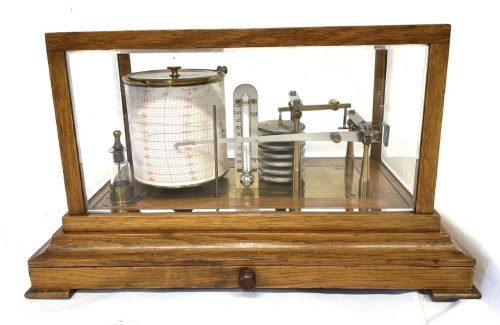
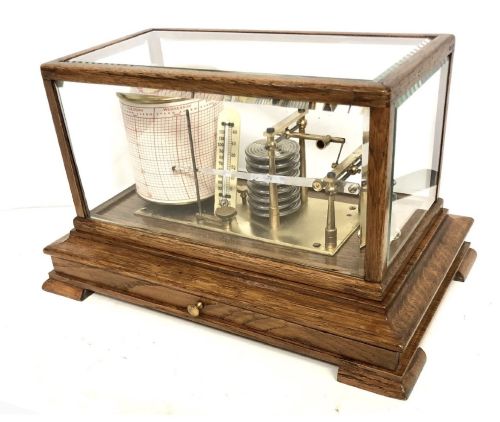
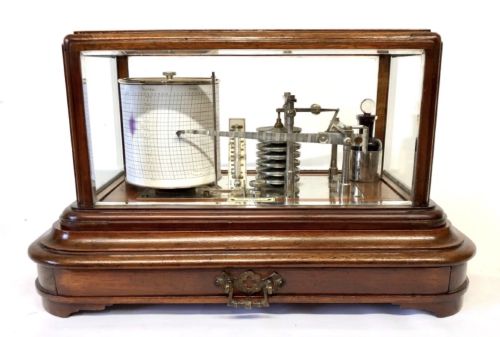
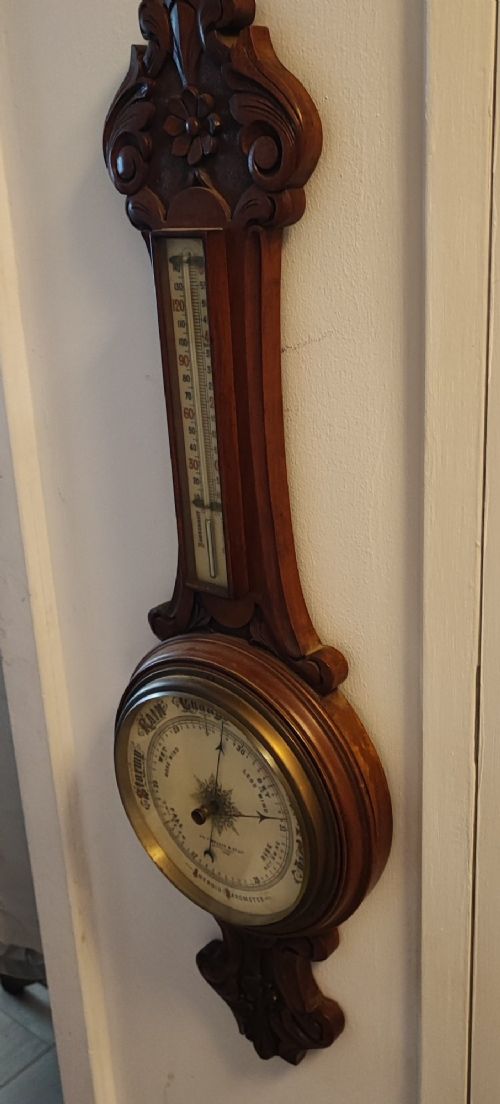
Antique Brass Barometer
When you select an antique brass barometer, you acquire a finely calibrated scientific instrument that records atmospheric pressure while anchoring a room with period character.
Antique Brass Barometer
An antique brass barometer measures atmospheric pressure to forecast local weather changes using either mercury columns or internal aneroid capsules. These practical scientific tools served households, maritime vessels and observatories across past centuries.
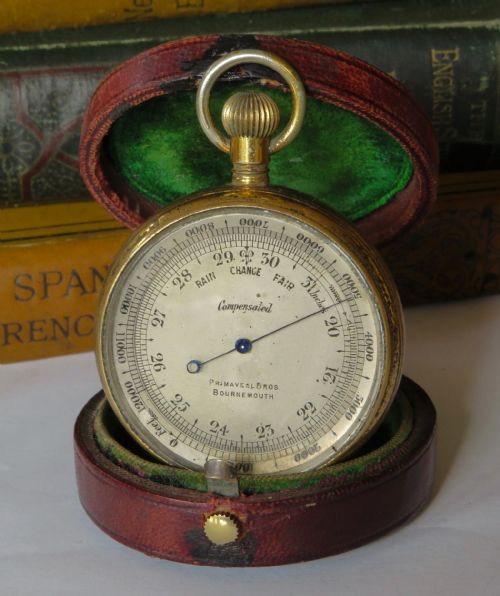
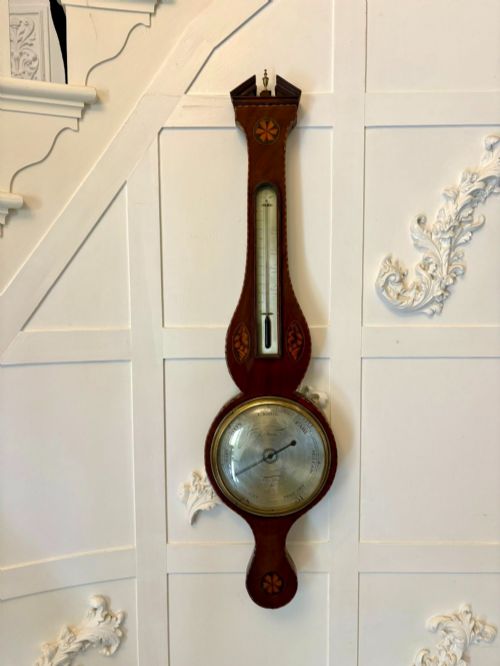
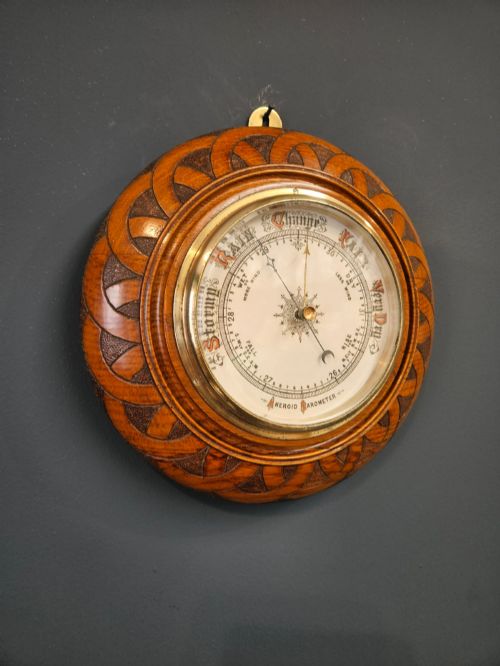
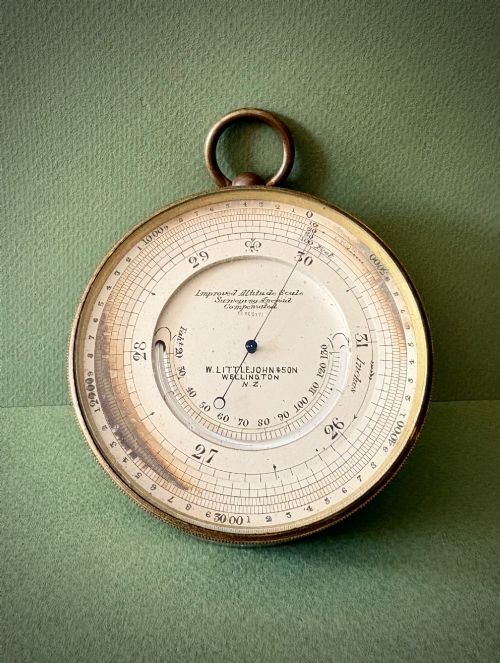
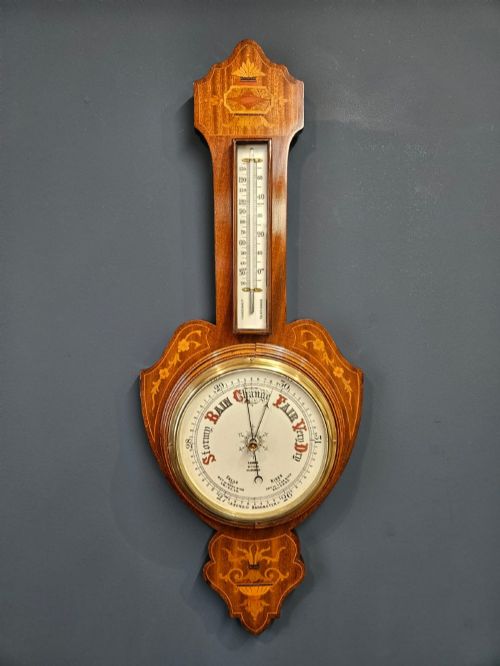
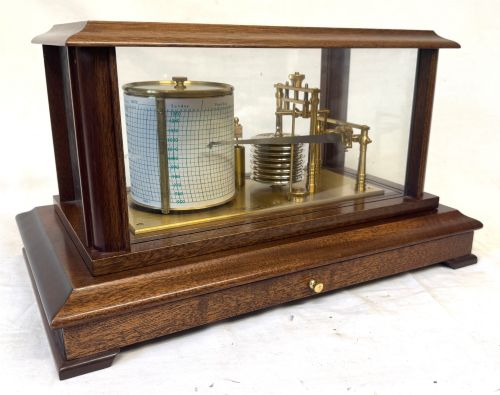
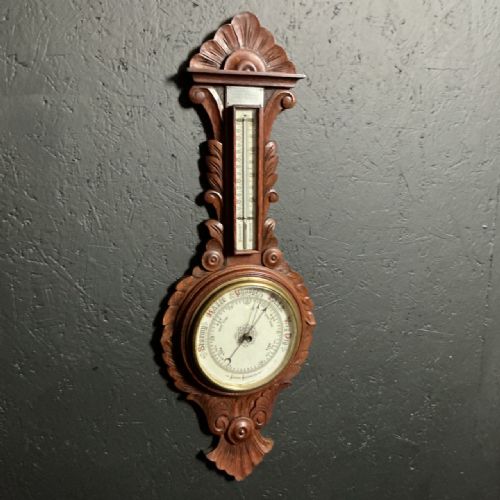
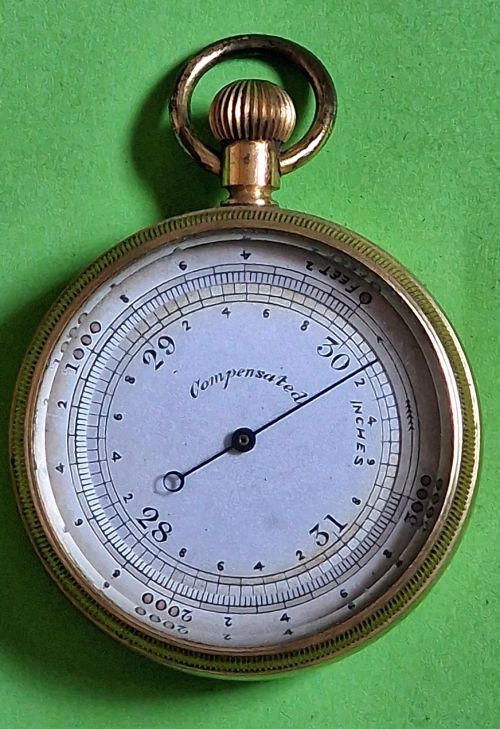
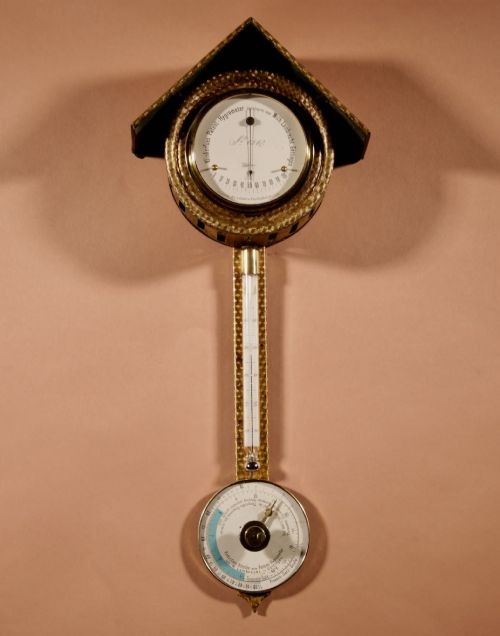
You will most frequently encounter wall-mounted bulkhead marine instruments housed in polished brass cases alongside domestic banjo and stick barometers. Pocket versions and mechanical barographs recording weekly pressure graphs also appear frequently.
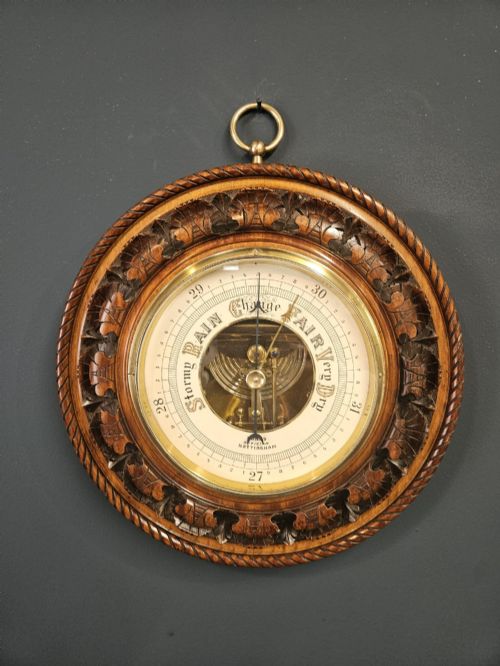
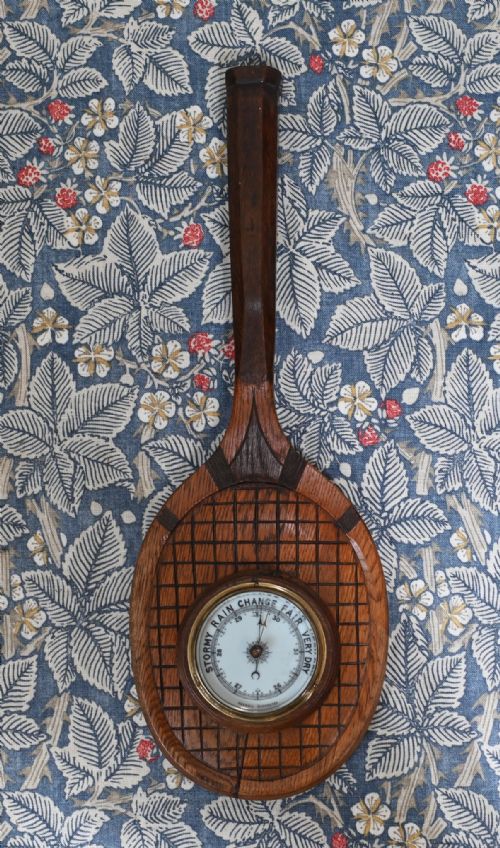
The surviving selection spans Georgian, Victorian and Edwardian eras, reflecting the high point of British scientific instrument making. Mahogany, oak and walnut frames frequently accompany the brass bezels and dials.
How they were made
Craftsmen utilised heavy cast or spun brass for bezels, cases and dial plates, often applying silvered metal or enamel finishes to the engraved numerical scales. Timber surrounds in mahogany, oak or walnut provided structural support and decorative housing.
Makers combined glass bevelling for viewing windows with delicate interior movements made from steel, brass and occasionally hair hygrometer components. Precision engineering governed the linkage between the expansion mechanism and the indicator needle.
Antique Brass Barometer Retail Price Guide 2026
Typical asking prices for brass barometer among the pieces listed under this phrase on Sellingantiques today, from the lower quarter to the upper quarter. They describe what is for sale here now, not the wider market.
Listings feature scientific instruments spanning Georgian, Victorian and Edwardian eras, incorporating mahogany, oak, walnut and heavy brass.
What varies in quality
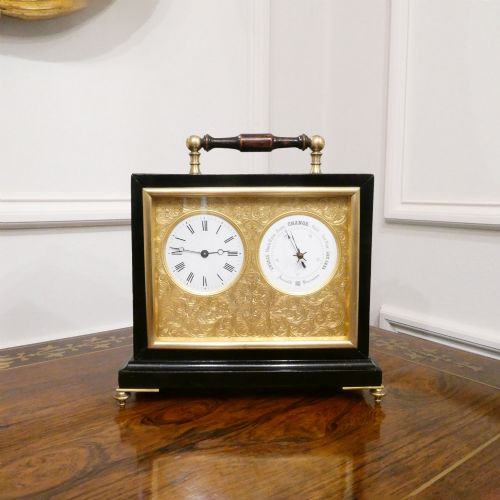
The standard of engraving upon the dial face and the crispness of the cast brass bezel define the initial visual distinction between ordinary and superior pieces. Finer instruments feature hand-engraved maker signatures and detailed subsidiary dials.
Cabinetwork quality dictates overall merit, particularly the choice of timber figures, shell inlay and the integrity of the fitted glass. Original paper instructions, charts or fitted leather travel cases elevate the completeness of the surviving piece.
Negretti & Zambra·Short & Mason·Elliott Brothers·A Abraham·Wilh Lambrecht·B Besozzi
The Antique Brass Barometer Glossary
- Aneroid barometer
- An instrument measuring pressure through the contraction and expansion of a sealed metal capsule without using liquid mercury.
- Banjo barometer
- A household wall barometer shaped with a circular dial head above a long tapered trunk containing thermometers or moisture metres.
- Barograph
- A recording meteorological instrument that draws a continuous line of atmospheric pressure onto a rotating paper chart.
- Bulkhead barometer
- A heavy marine instrument designed to be screwed directly to the interior wall of a ship's cabin.
- Silvered metal
- A brass dial plate treated with a silver compound to create a matte white surface for sharp black engraved graduations.
Antique Brass Barometer: Frequently Asked Questions
How do I set my barometer?
Adjust the setting needle to match the current local pressure reading obtained from a reliable meteorological source. Tapping the glass gently before reading settles the mechanical linkage into its true position.
Subsequent movements of the primary pointer away from the set needle indicate whether pressure is rising or falling.
Where should I hang a wall barometer?
Select an interior wall away from direct sunlight, radiators and heavy vibrations to protect the delicate internal mechanism. Stable room temperatures ensure the metal components respond solely to natural barometric shifts.
Ensure the fixing point securely supports the substantial weight of brass and hardwood housings.
How do I read a barograph chart?
The rotating drum carries a paper grid where the inked arm traces a continuous line representing pressure over a seven-day period. Upward slopes indicate improving weather conditions while downward traces signal approaching storms.
Replacing the chart weekly keeps the recording mechanism functioning correctly.
What is the difference between aneroid and mercury?
Aneroid models use a sealed vacuum capsule to register pressure changes safely without liquid elements. This design allowed barometers to become portable and suitable for marine use.
Mercury stick models rely on a vertical column of liquid metal responding directly to atmospheric weight.