





Vintage Mercury Barometer
A vintage mercury barometer measures atmospheric pressure using liquid metal housed in traditional timber cases.
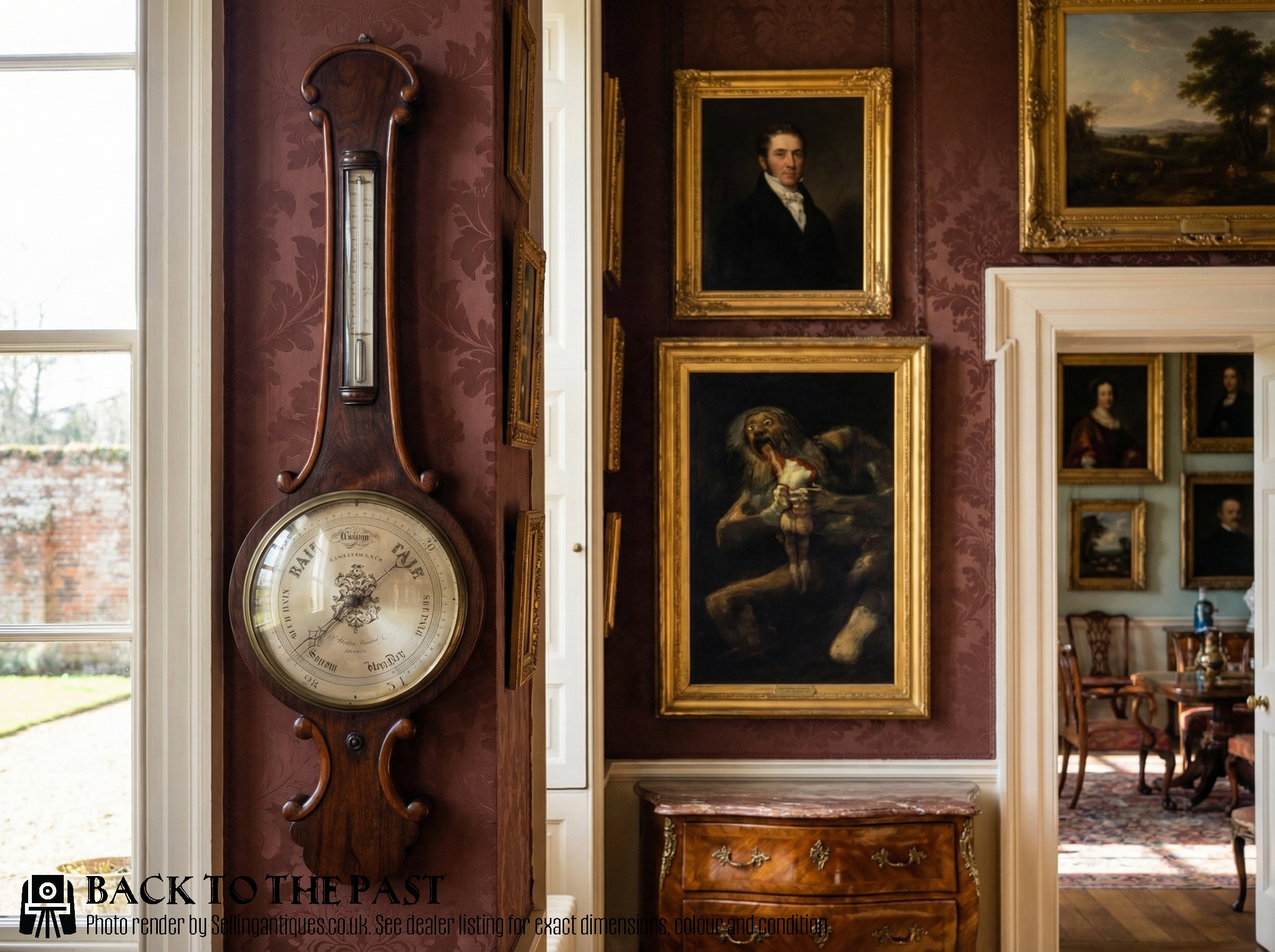
Vintage Mercury Barometer
A vintage mercury barometer is a weather-measuring instrument housed in a timber case, designed to hang on a wall or stand on furniture. These instruments record atmospheric pressure changes to indicate upcoming weather patterns.
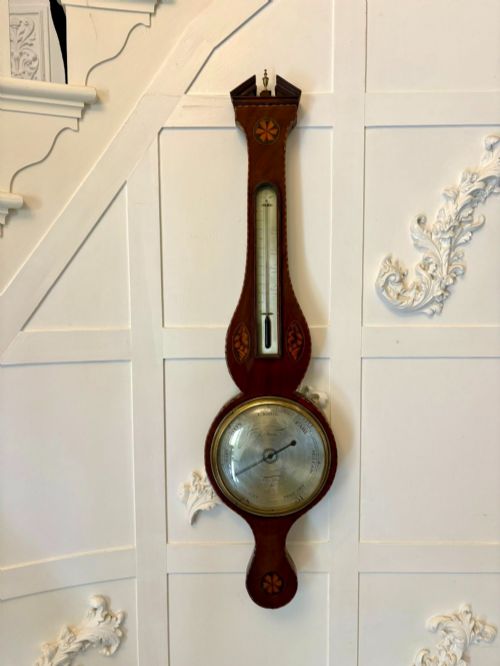
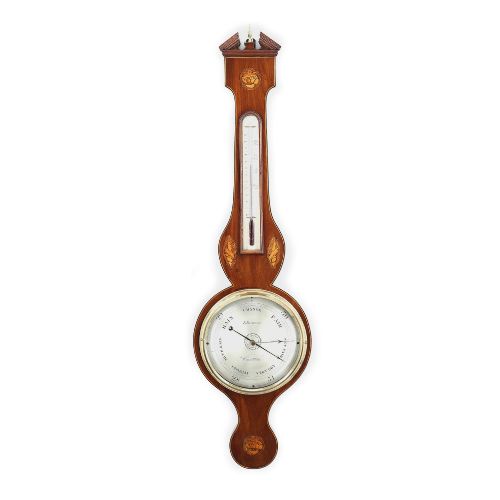
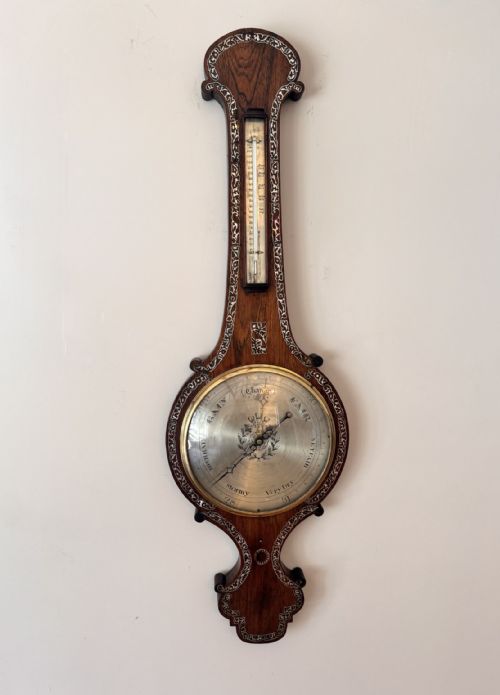
The selections available here range from Georgian and Regency stick barometers to Victorian banjo and marine examples. Mahogany, oak, and rosewood cases dominate the selection, often incorporating thermometers or mother-of-pearl inlay.
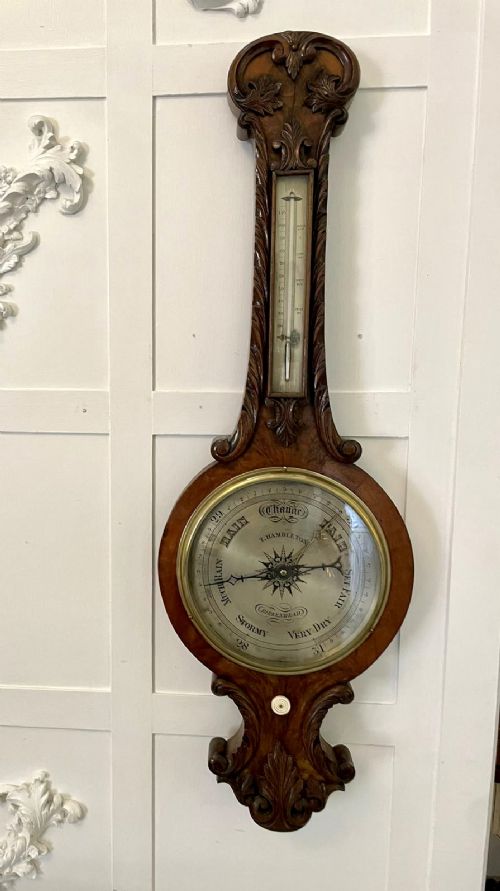
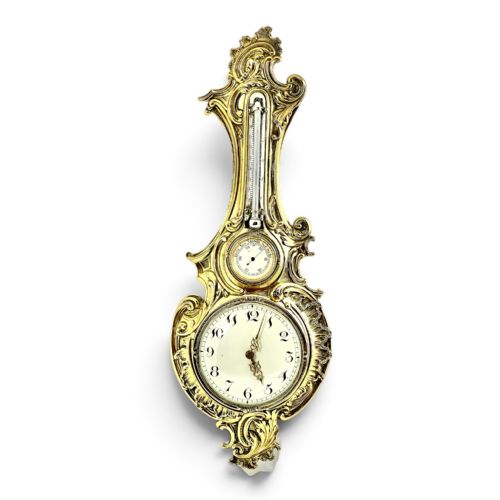
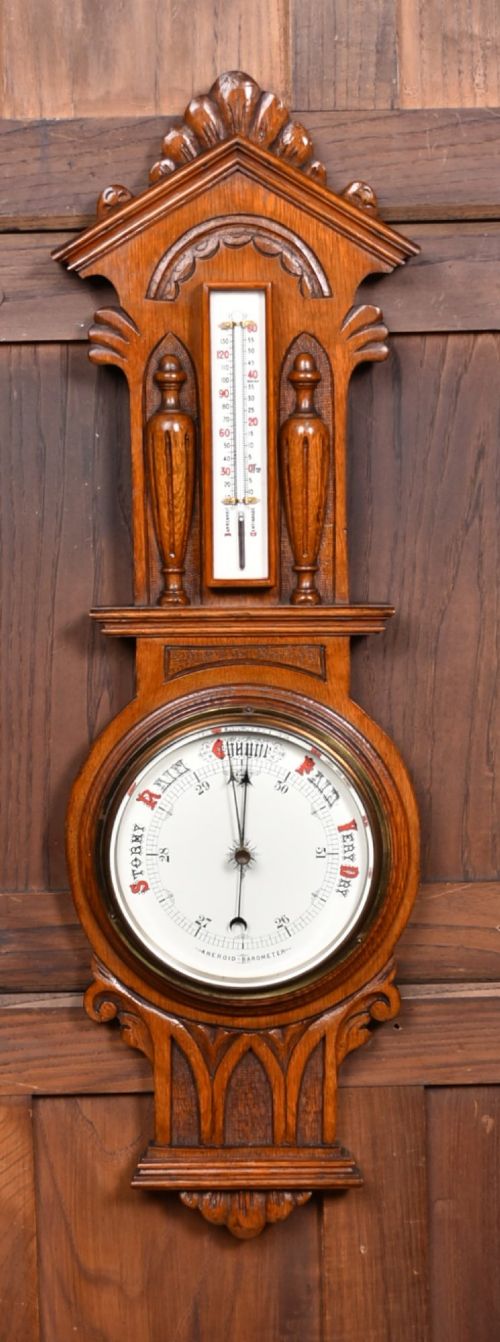
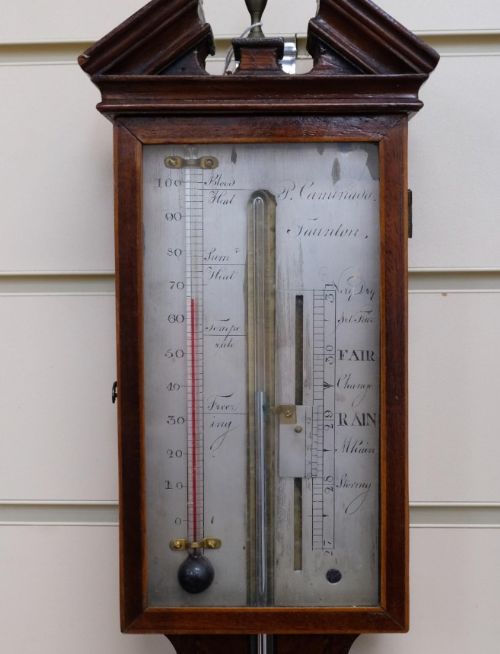
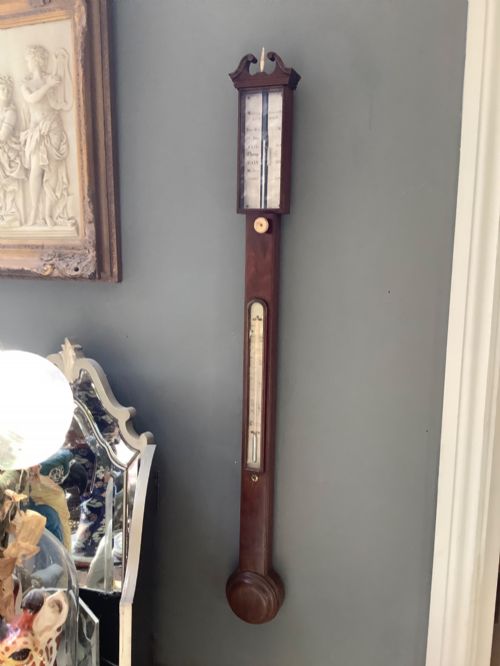
Stick barometers present a narrow vertical scale, while banjo barometers feature a wider dial body often topped with a hygrometer or spirit level. Wall-mounted variants remain the most common form encountered in this selection.
How they were made
Maker workshops constructed the primary cases from solid timbers such as mahogany, oak, walnut, and rosewood. Craftsmen often embellished these wooden frames with shell marquetry, brass bezels, and mother-of-pearl inlay.
The internal mechanism relies on a glass tube filled with liquid mercury that rises and falls with atmospheric pressure. Graduated silvered brass or silvered metal plates display the numerical readings and weather descriptions.
Vintage Mercury Barometer Retail Price Guide 2026
Typical asking prices for vintage mercury barometer among the pieces listed under this phrase on Sellingantiques today, from the lower quarter to the upper quarter. They describe what is for sale here now, not the wider market.
What varies in quality
The distinction between standard and superior pieces rests in the execution of the timber case and the precision of the dial engraving. Finely figured rosewood, burr walnut, and intricate shell inlay elevate an example above plain mahogany or oak alternatives.
Signed dials by known makers add substantial distinction to an instrument. The crispness of the silvered metal scale engraving and the retention of original glass tubes and mercury columns dictate the overall calibre of the piece.
P Caminada Taunton·B Besozzi of Weymouth·Negretti and Zambra·Dollond of London·Alexander Wright Westminster·Fagioli of Clerkenwell London·Bate of London·J Hughes London
The Vintage Mercury Barometer Glossary
- Barometer
- An instrument that measures atmospheric pressure to forecast weather changes. It relies on a sealed glass column containing liquid metal.
- Stick barometer
- A tall, narrow wall instrument showing the direct height of the mercury column. These early forms offer a clean, architectural appearance.
- Banjo barometer
- A wheel barometer housed in a distinctive curved wooden case resembling a stringed instrument. These often incorporate a circular dial alongside a thermometer.
- Marine barometer
- A specialised hanging barometer designed for use at sea, typically featuring gimbals to keep the instrument vertical on moving ships.
- Silvered brass
- A metallic dial plate treated to achieve a bright finish before engraving. Numbers and graduations are typically dark-filled for legibility.
Vintage Mercury Barometer: Frequently Asked Questions
How do I read a vintage mercury barometer?
Read the principal dial or scale to locate the current position of the indicator pointer or mercury meniscus. Compare this reading against the engraved weather words such as rain, change, or fair.
Many banjo designs include a secondary thermometer dial for temperature readings alongside barometric pressure. Tapping the glass gently before reading ensures the mechanism settles accurately.
Are these instruments safe to keep at home?
These barometers contain sealed glass tubes enclosing liquid mercury under normal operating conditions. The hazardous material remains entirely enclosed within the glass structure.
Wall mounting should be secure, as the heavy timber cases and glass components require stable support. Avoid tilting or laying the instrument flat unless the cistern is locked off by a specialised screw.
How do I distinguish between Georgian and Victorian styles?
Georgian stick and wheel barometers generally display restrained neoclassical lines, simple mahogany veneers, and delicate string inlay. The woodwork prioritises clean architectural proportions over heavy ornamentation.
Victorian examples frequently introduce heavier carvings, rosewood or burr walnut surfaces, and mother-of-pearl embellishments. Revival styles from the nineteenth century often borrow earlier Georgian decorative motifs.
Where should I hang a wall barometer?
Select an interior wall away from direct sunlight, heating radiators, and damp environments. Consistent ambient temperatures help maintain the accuracy of the internal metal and wood components.
Ensure the wall fixing supports the weight of the dense hardwood case safely. Hallways and studies provide traditional settings that complement the classic timber finishes.