
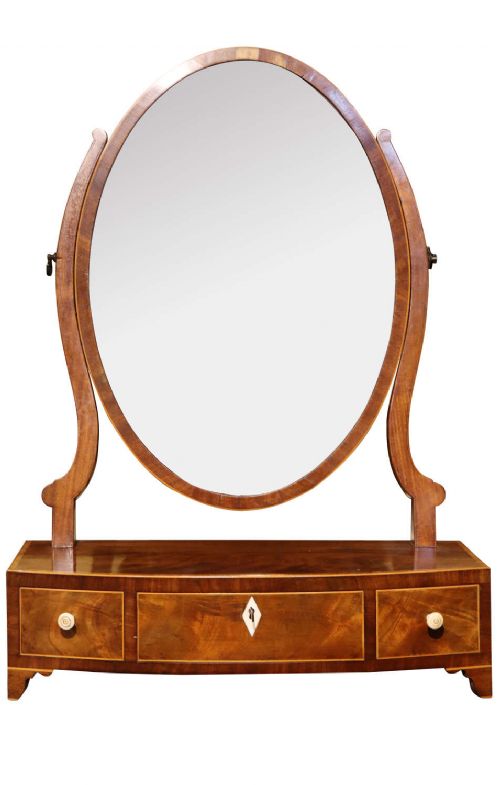
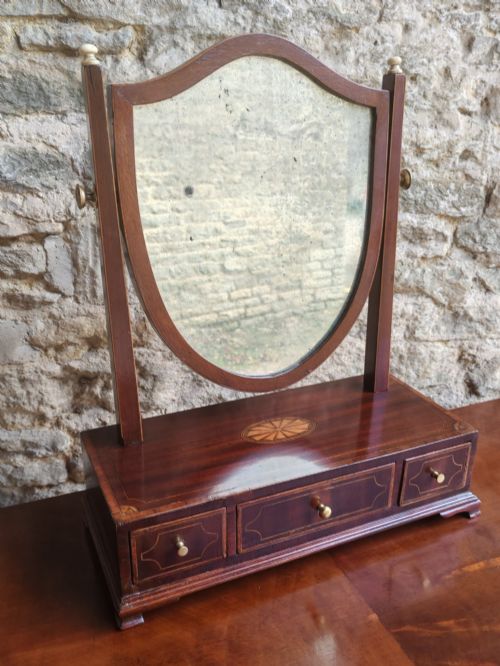
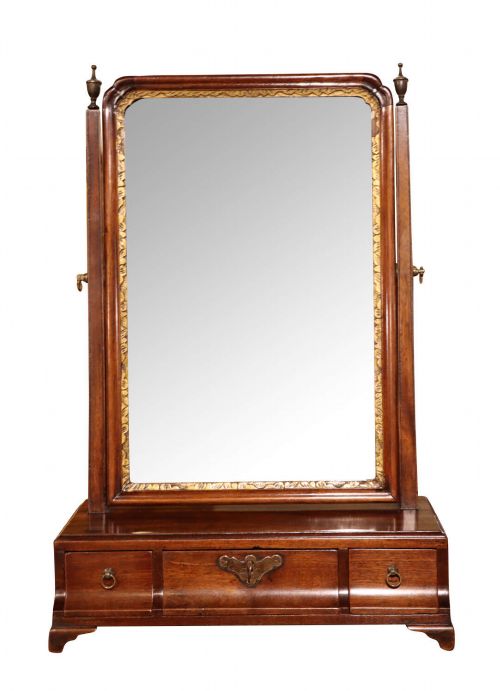

Antique Box Toilet Mirror
An antique box toilet mirror brings functional elegance to a dressing table, offering a pivoting glass above a fitted storage compartment.
What an antique box toilet mirror is
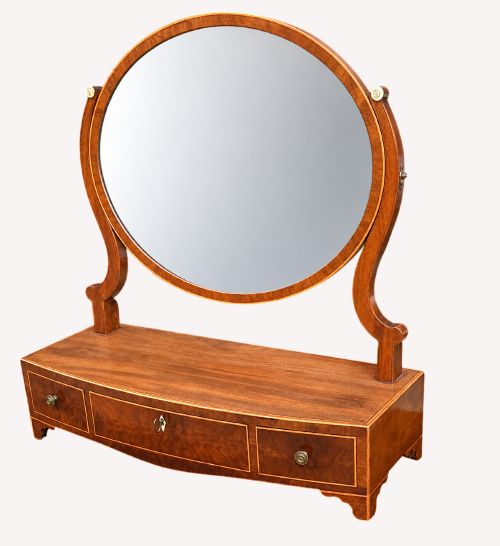
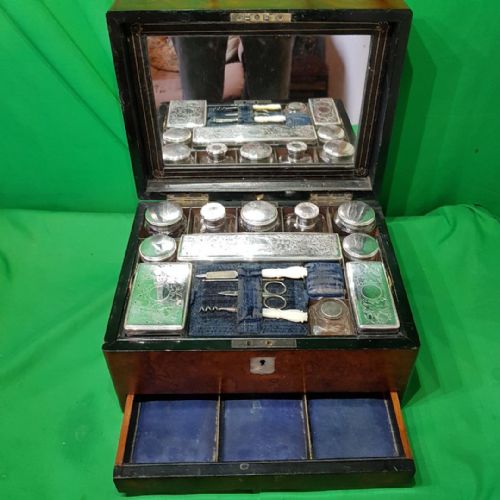
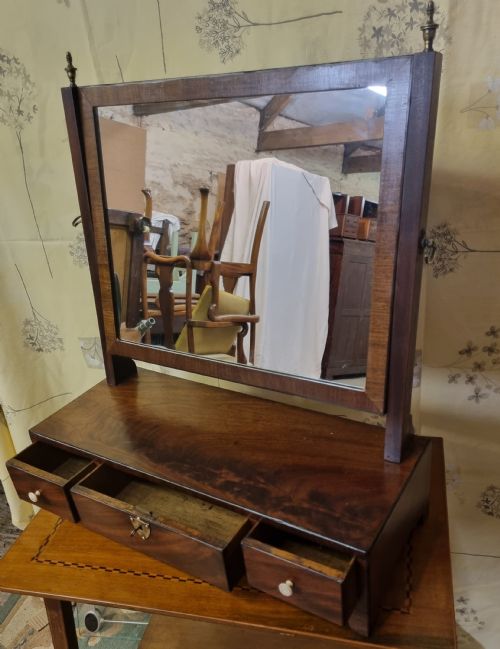
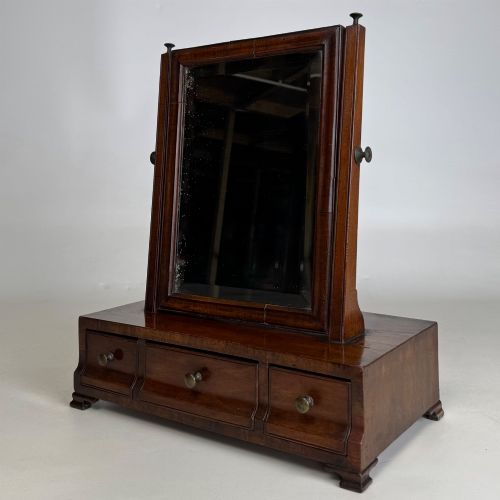
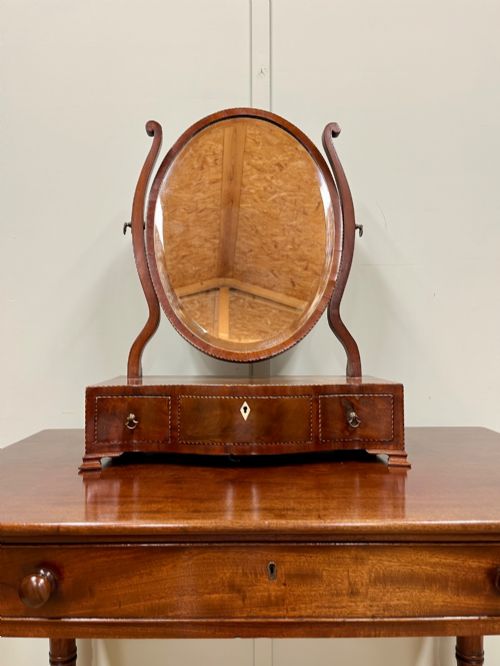
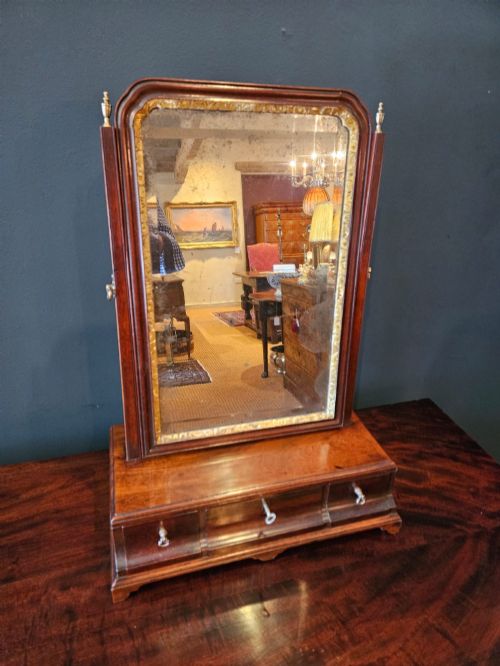
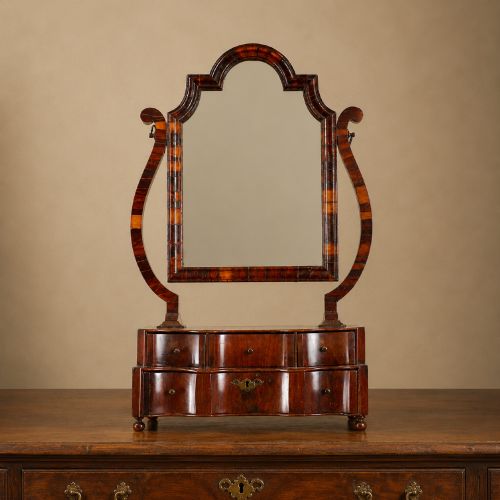
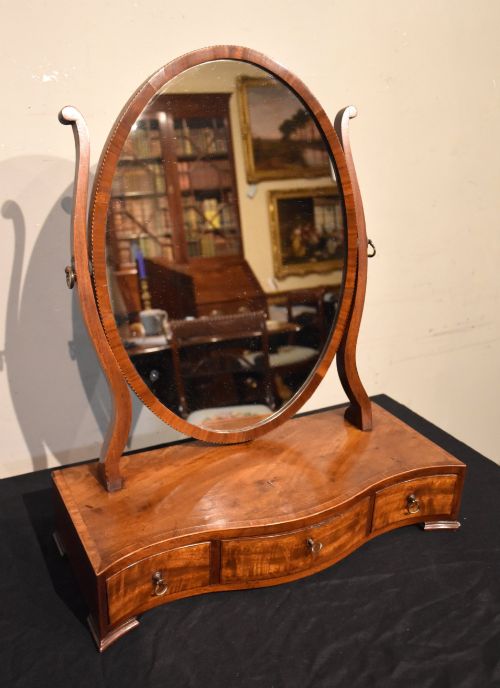
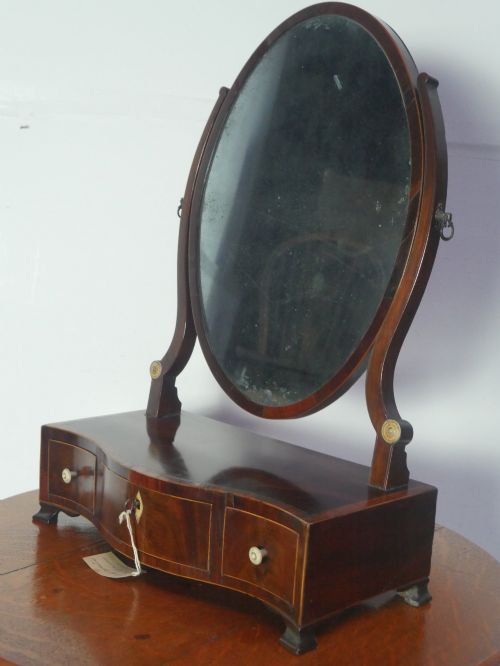
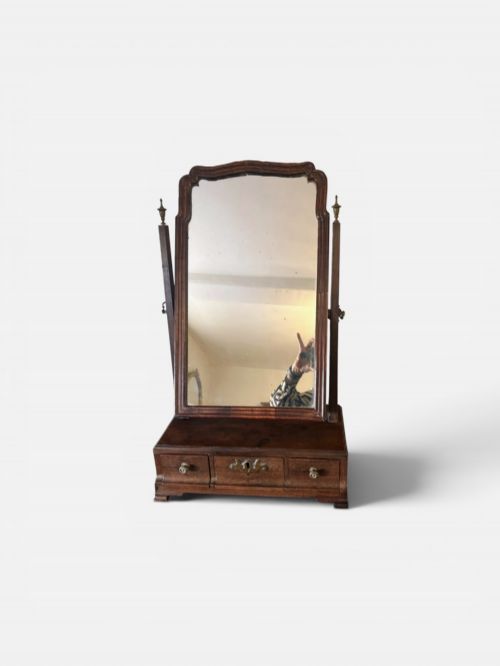
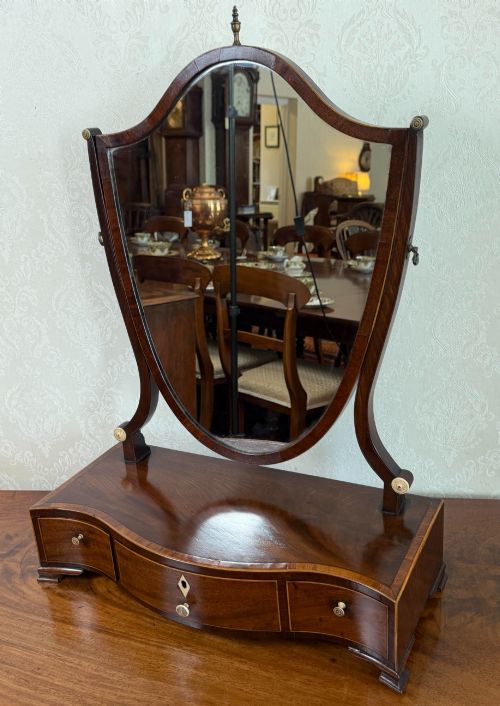
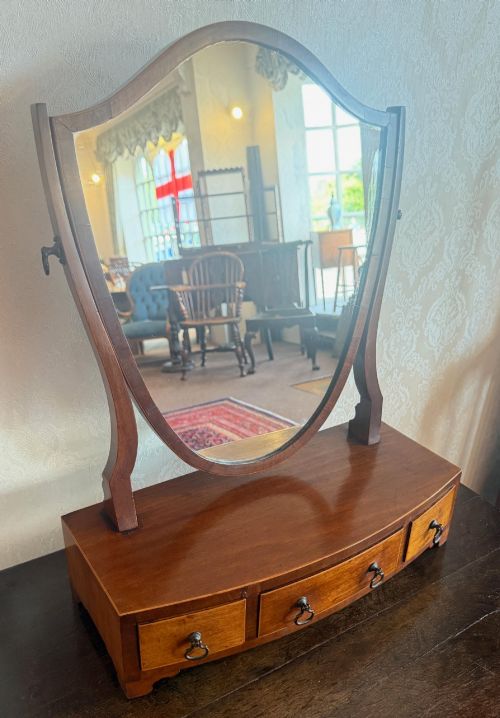
When you search for an antique box toilet mirror, you encounter pieces designed for personal grooming and cosmetic storage on a tabletop. These items combine a vertically adjustable mirror plate supported by upright arms with a small wooden chest featuring drawers or compartments at the base.
The versions you are most likely to meet on this page span the Georgian and Victorian eras, with styles ranging from plain George III mahogany to Dutch Baroque marquetry. They bridge the gap between portable vanity equipment and substantial bedroom furniture, making them practical additions to modern interiors.
Makers constructed these mirrors to sit securely on dressing tables, chests of drawers or washstands. The underlying box often contains small drawers for jewellery and trinkets, serving both a reflective and a storage function.
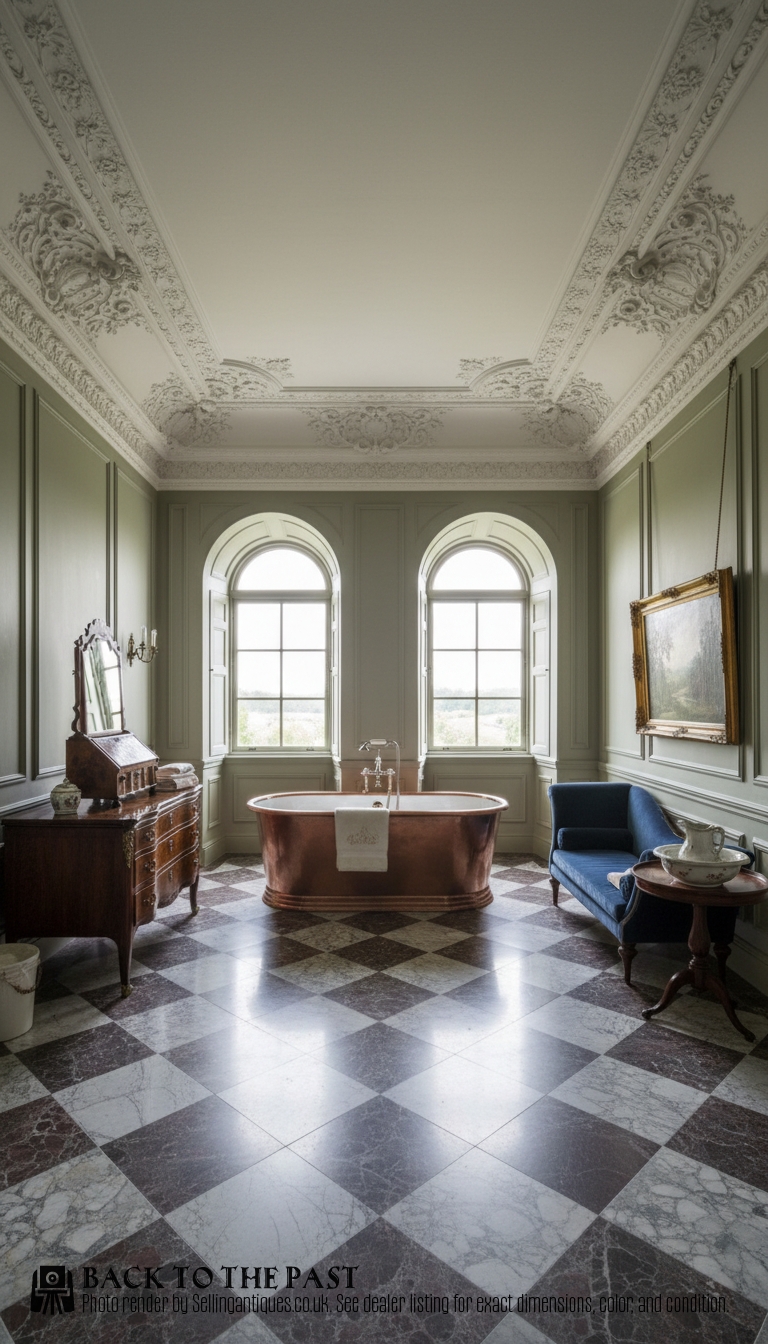
How they were made
Cabinet makers built the frames and boxes using cabinet timbers such as mahogany, walnut, satinwood and fruitwood. They frequently employed contrasting veneers and stringing to decorate the exterior surfaces of the box base.
The pivoting mirror glass relies on brass screw pins or side arms secured to upright posts, allowing the user to tilt the angle of reflection. Detail work includes small bone escutcheons and dovetailed joints within the drawer construction.
Retail Price Guide 2026
Typical UK retail prices for box toilet mirror, calculated from the Sellingantiques database of over a million retail prices indexed since 2003. This retail price guide relies exclusively on Sellingantiques data; no external sources or auction records are used, so the figures do not describe the wider market.
Many a small drawer still hides an stray hairpin forgotten by a Victorian owner.
What varies in quality
The refinement of the timber selection and decorative marquetry sets superior examples apart from simpler utilitarian pieces. Dense grain figures in mahogany or walnut and intricate satinwood banding indicate higher workshop standards.
Proportion and joinery integrity dictate the overall calibre of the object. Finely turned upright supports, clean dovetailing in the box base, and original brass hardware distinguish the finest pieces from later or more basic alternatives.
The Antique Box Toilet Mirror Glossary
- Swing mirror
- A glass plate mounted on pivots between two upright posts that allows the user to adjust the angle. This mechanism is central to the design of a box toilet mirror.
- Marquetry
- Inlaid wood veneers arranged in decorative patterns or pictorial scenes on the surface of the box. This technique appears on Dutch Baroque examples.
- Escutcheon
- A small protective plate surrounding the keyhole of a drawer. They are often formed from bone or brass.
- Dovetail joint
- A traditional interlocking woodworking joint used to construct the corners of the storage box and internal drawers. Its presence indicates standard period cabinet making techniques.
Frequently Asked Questions
Where were box toilet mirrors placed?
These mirrors sat atop dressing tables, chests of drawers or dedicated washstands in bedrooms and dressing rooms. Their compact footprint allowed them to occupy minimal surface area while providing a usable reflection.
They served individuals during morning routines for grooming and adjusting attire before the day began.
What is stored in the base?
The wooden box beneath the mirror typically houses small drawers and partitioned compartments. These spaces were intended for jewellery, cosmetics, hairpins and personal trinkets.
Some interiors retain original velvet linings or small lidded compartments designed for specific personal items.
How do you adjust the glass?
The glass plate rests within a frame attached to two vertical posts by brass screw pins or threaded bolts. Turning these fixings allows the user to tilt the mirror forward or backward to the desired angle.
Over-tightening can strain the wooden uprights, so the mechanism is designed for gentle adjustment.
How do I identify a Georgian piece?
Georgian mirrors often feature solid mahogany or satinwood construction, straightforward architectural proportions, and bracket feet. The use of hand-cut dovetails and original brass hardware helps establish the period.
Comparing the secondary timbers inside the drawers provides further clues to the manufacturing era.