
Antique Bookcase with Glass
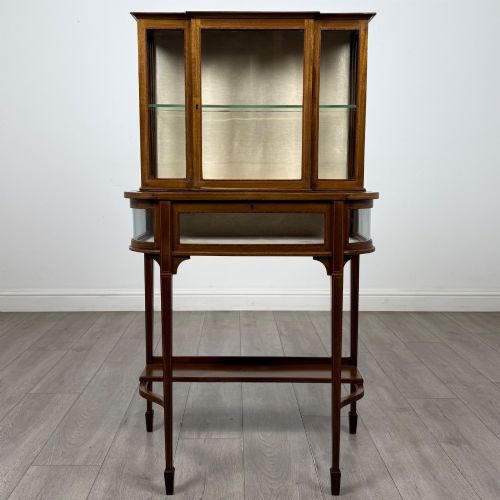
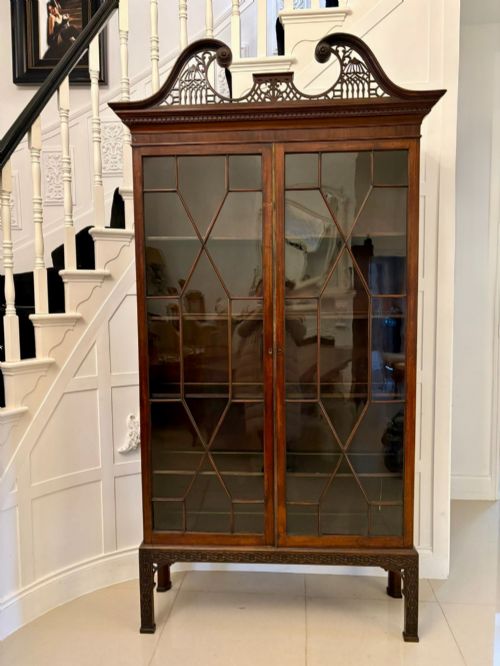
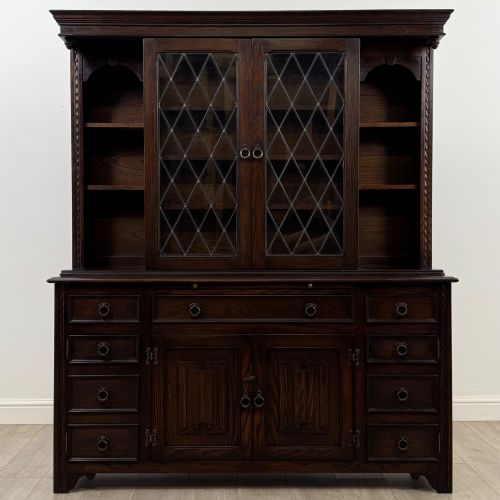
An antique bookcase with glass brings together practical storage and clear display, offering a timeless way to house a library while keeping volumes visible.
Antique Bookcase with Glass
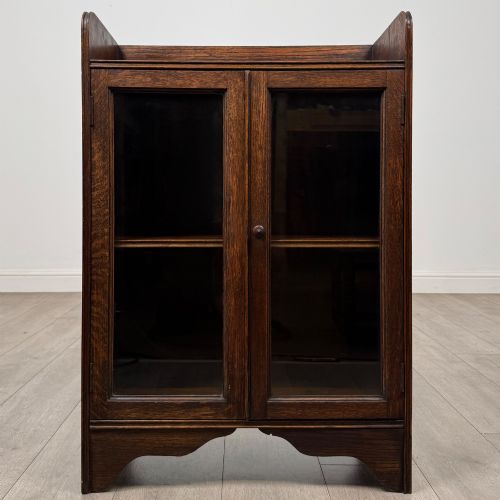
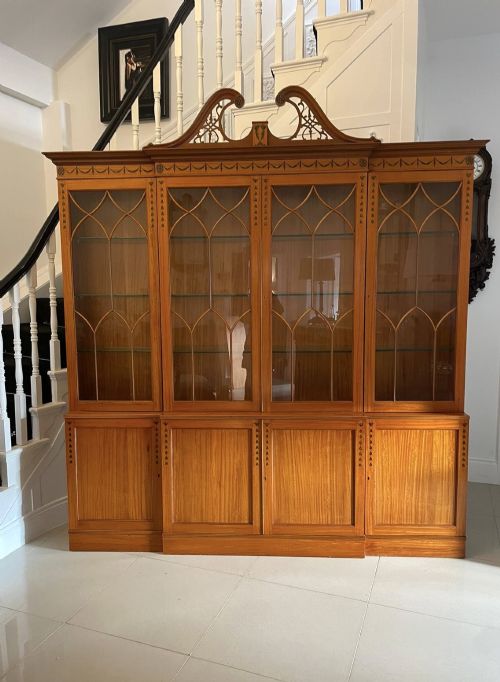
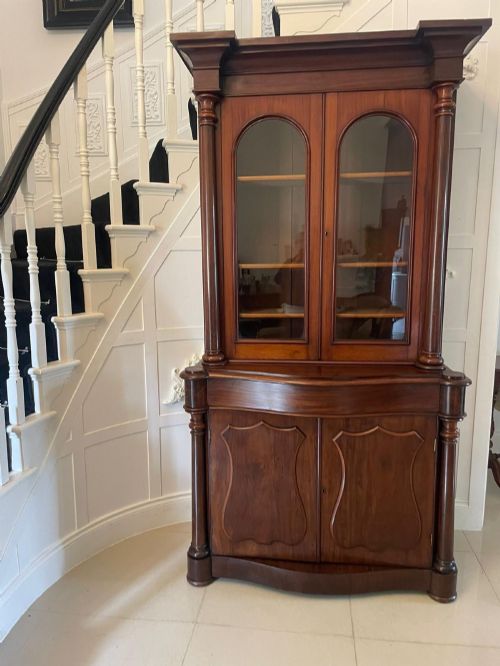
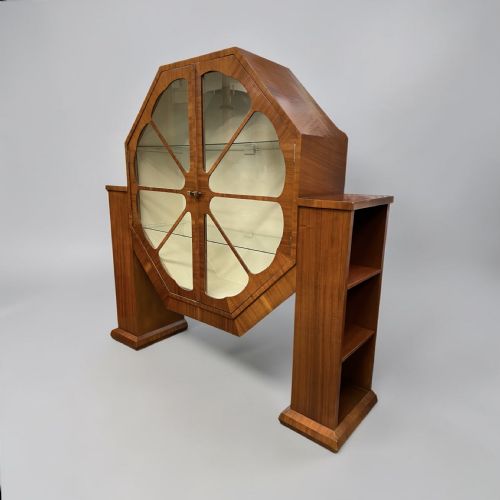
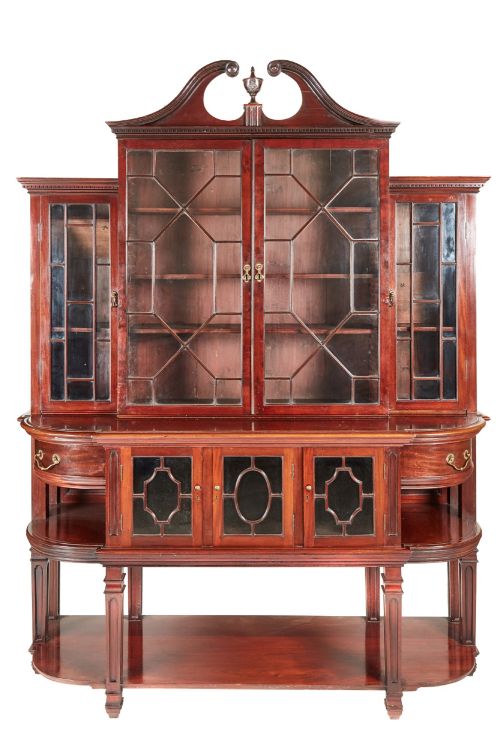
When searching for an antique bookcase with glass, collectors encounter a diverse range of forms, from large Victorian breakfront libraries to compact Edwardian display cabinets and bureau bookcases.
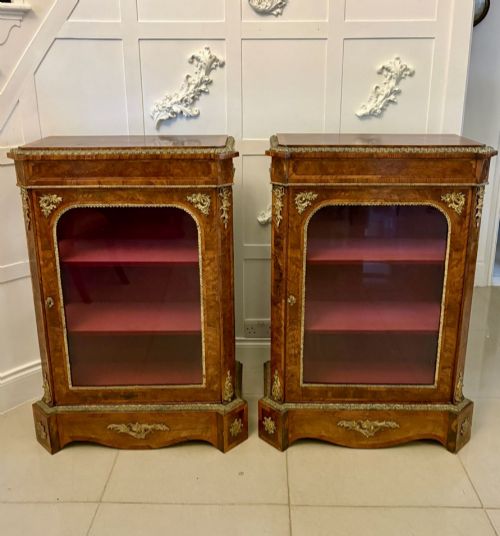
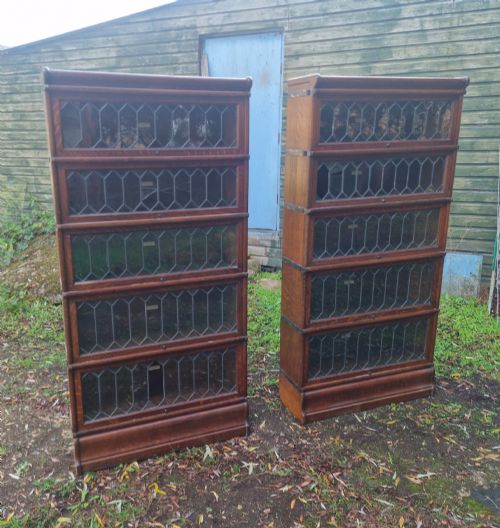
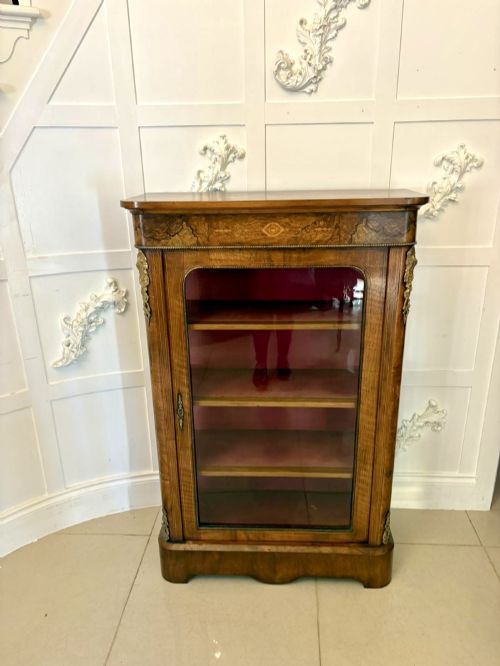
The pieces appearing in these listings span the nineteenth and twentieth centuries, taking shapes such as pier cabinets, side cabinets, and sectional barrister bookcases.
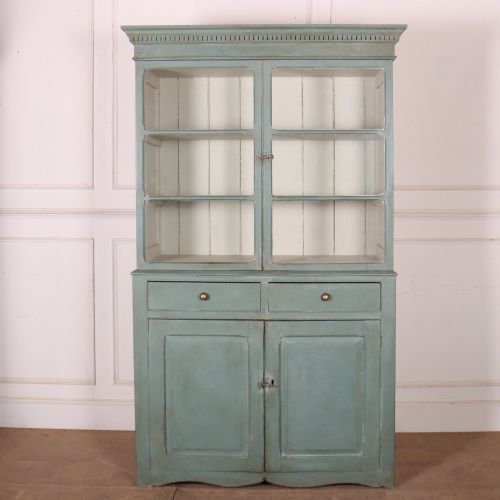
Origins stretch across British workshops and continental makers, incorporating regional styles like Scottish country pieces and French revival designs alongside standard Victorian and Edwardian iterations.
How they were made
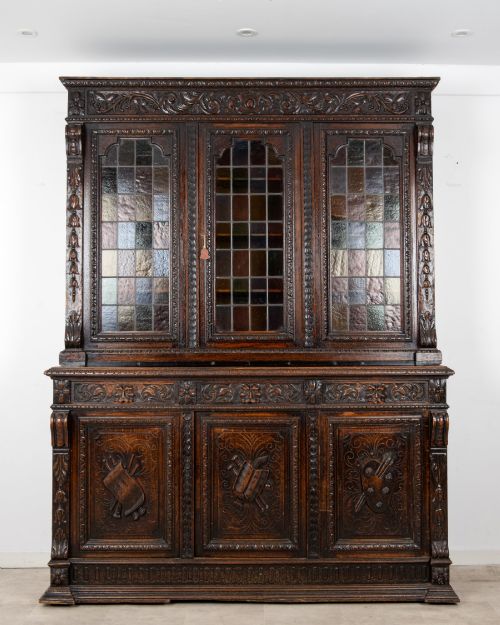
Cabinet makers utilised a selection of timber species, predominantly mahogany, oak, and walnut, frequently applying burr veneers, satinwood, rosewood, and amboyna for decorative surface grain.
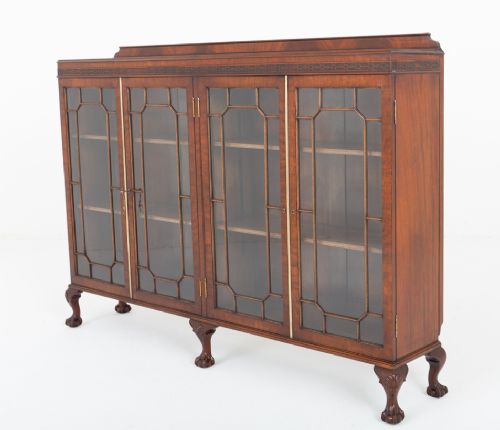
Glazing takes multiple forms, utilising clear panes, astral bars, leaded sections, and occasionally coloured glass to enclose the shelves safely.
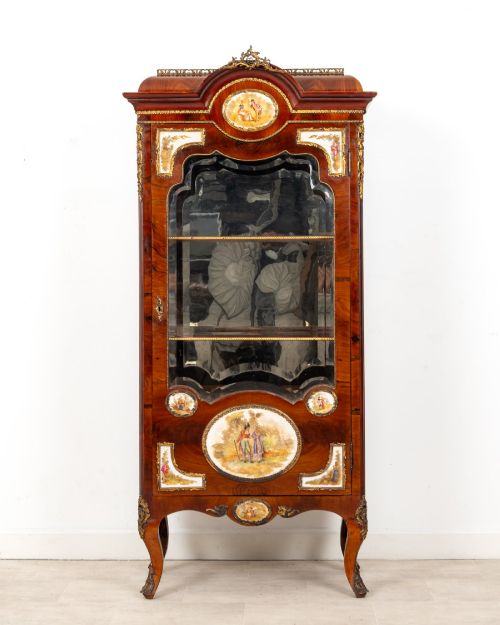
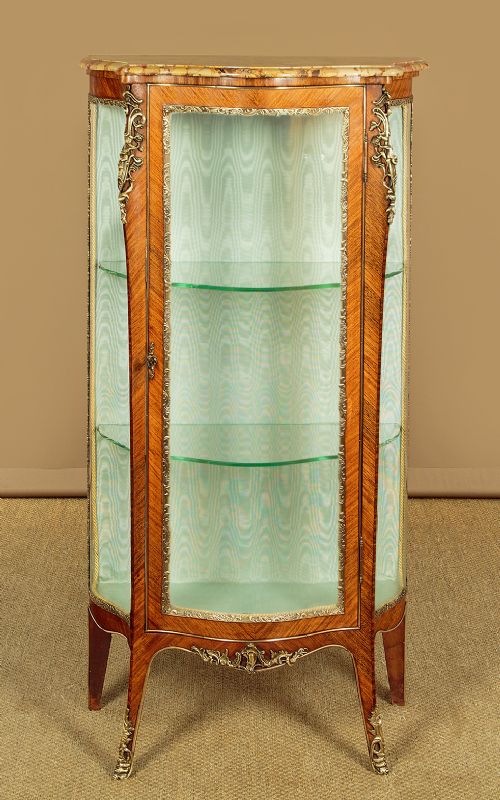
Metal accents appear through brass fittings, ormolu mounts, and lead cames, whilst interior decoration relies on painted details, mirror backs, and delicate inlaid woodwork.
Some nineteenth-century kitchen cupboards arrived with green glass, offering an unexpected splash of woodland hue to everyday storage.
What varies in quality
The standard of timber selection and veneer matching defines the visual impact of a cabinet, distinguishing richly figured grains from plain surfaces.
The finesse of the joinery, the execution of carved ornamentation, and the precision of inlaid details separate standard utility furniture from pieces produced by notable workshops.
Original elements, including period glass panes, matching brass hardware, and intact interior paint or lining, preserve the integrity and character of the piece.
Maple & Co.·James Winter & Sons
The Antique Bookcase with Glass Glossary
- Astral glazed
- A method of dividing glass panes within a door using thin wooden bars, often forming geometric or Gothic patterns. This technique provides structural support while keeping the cabinet contents visible.
- Breakfront
- A piece of furniture where the central section projects forward from the flanking wings. This configuration adds architectural depth and presence to large bookcases and display cabinets.
- Ormolu
- Gilded bronze mounts applied to furniture for decorative enrichment, popular in French revival and nineteenth-century cabinet making. The metal is cast and chased before receiving its gold finish.
- Pier cabinet
- A narrow cabinet designed to stand against the wall space between windows. These pieces often feature glass doors and delicate inlay suited for displaying ornaments.
- Vernis Martin
- A type of simulated Japanese lacquer developed in eighteenth-century France and emulated later in nineteenth-century vitrines. It uses successive layers of varnish to create translucent painted scenes.
Antique Bookcase with Glass: Frequently Asked Questions
What is a bureau bookcase?
A bureau bookcase combines a sloping desk flap for writing with enclosed shelving above for books and papers. These dual-purpose pieces suited domestic studies and parlours.
Lower sections typically contain drawers or a writing surface, while upper glass doors protect the volumes stored within.
How do I date an oak bookcase?
Dating relies on construction methods, timber preparation, and decorative styles visible across different periods. Early nineteenth-century examples often display hand-sawn timbers and simpler lines.
Later Victorian and Edwardian versions incorporate machine tooling, heavier carvings, or specific revival motifs that help place the piece in its era.
Are glass shelves original?
Most antique bookcases and display cabinets originally utilised wooden shelves, sometimes edged with leather or matching timber veneer. Glass shelving is frequently a later addition to improve light distribution.
Examining the shelf supports and interior side grooves helps determine whether the current arrangement matches the original maker's design.