
Antique Bone China Dishes
These antique bone china dishes bring Regency and Victorian elegance to the table, offering finely painted scenes and rich gilding.
Antique Bone China Dishes
When you search for antique bone china dishes, you encounter plates, serving dishes, and tazzas created by major English potteries across the Georgian, Regency, and Victorian periods. The selection on this page leans heavily toward cabinet plates, dessert plates, and decorative serving dishes intended for display or formal dining.
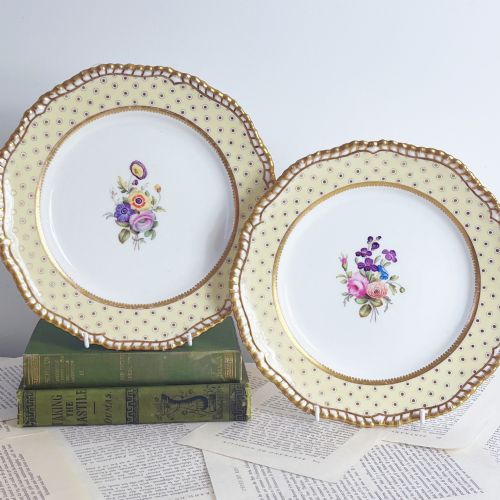
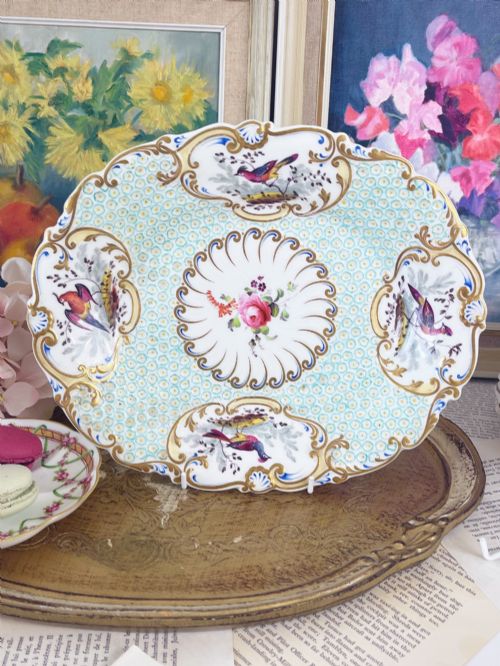
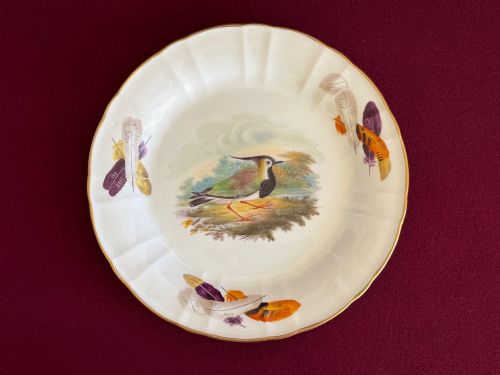
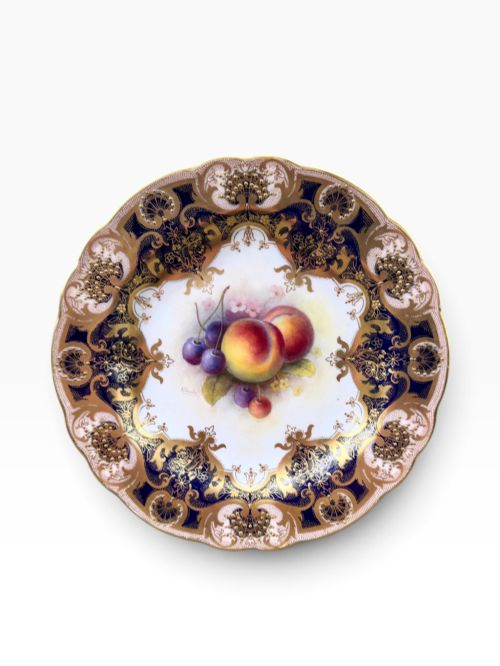
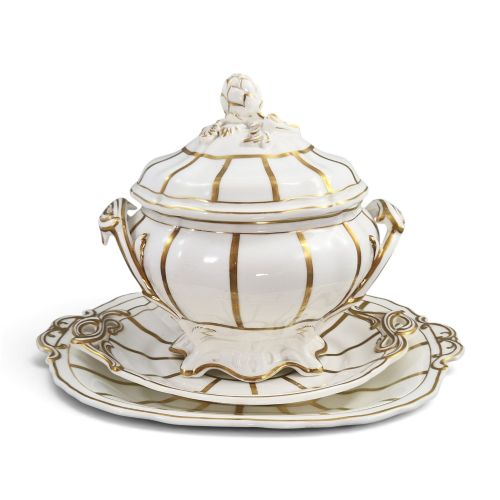
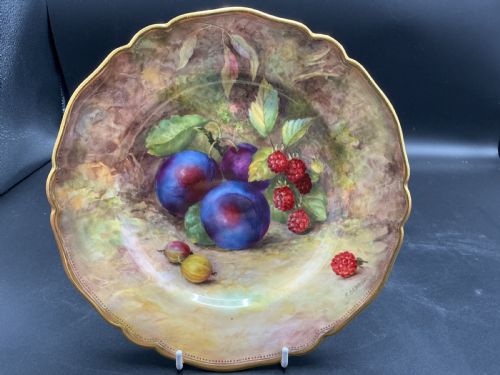
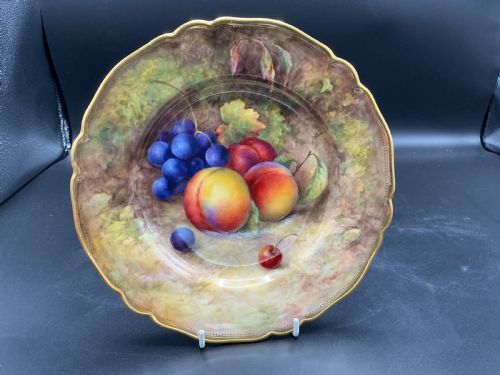
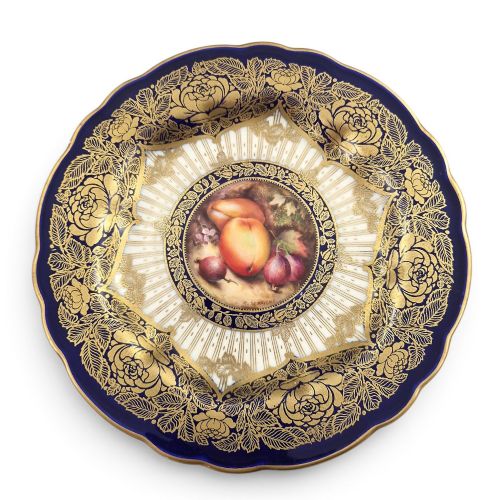
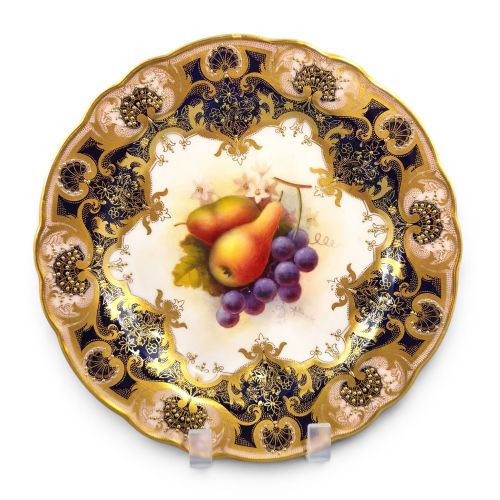
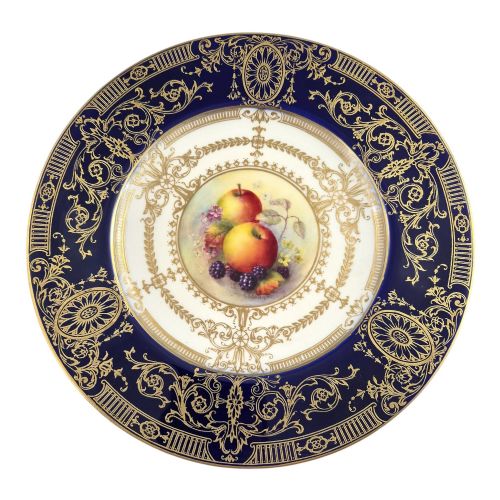
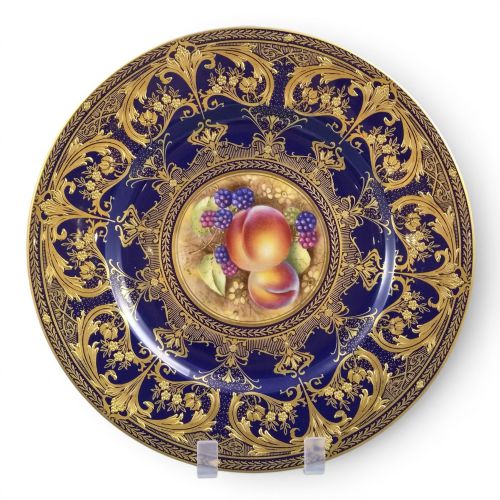
You will find pieces ranging from early nineteenth-century botanical dessert services to mid-twentieth-century hand-painted fruit cabinet plates signed by notable artists. Forms vary from simple round plates to basketweave shapes, oval serving dishes, and handled sauce tureens.
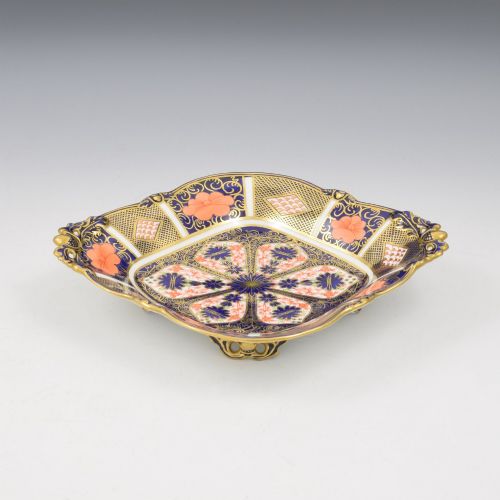
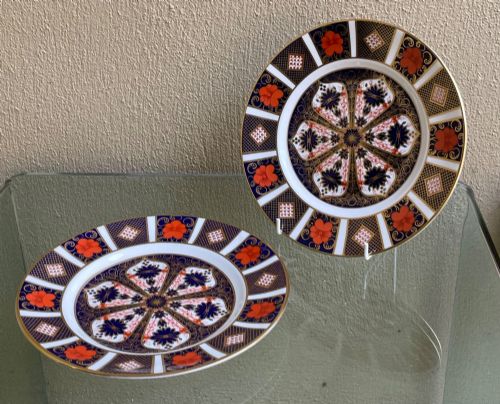
The aesthetic vocabulary spans the bold Imari palettes of Derby, the naturalistic fruit studies of Royal Worcester, and the precise botanical studies of the Regency era. These items reflect the shifting tastes of British households, moving from neoclassical restraint to the exuberant revival styles of the Victorian age.
How they were made
The bodies utilise bone china and fine porcelain, shaped into plates, dishes, and tureens using traditional moulding and throwing techniques. Makers combined calcined bone ash with china stone and china clay to achieve a brilliant white, translucent fabric capable of supporting intricate forms.
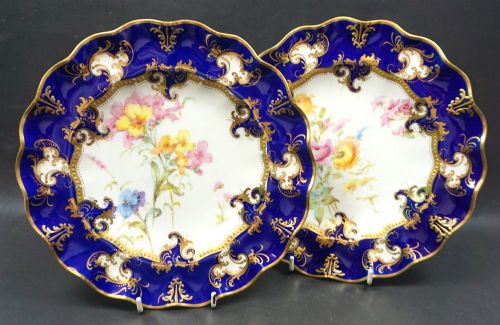
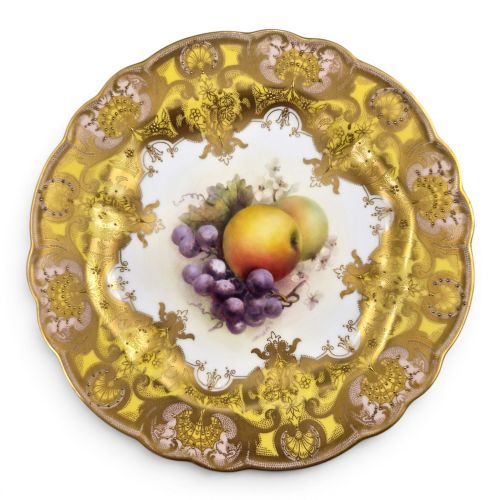
Decoration relied on hand-painted enamels applied by skilled ceramic artists, often depicting detailed fruit, birds, armorials, or topographical views. Artisans then applied gold leaf, gilding, and gold gilt to rims, handles, and borders to frame the central imagery.
Firing took place in multistage kilns, fixing the underglaze patterns and overglaze enamel colours alongside the final gilding layers. This process ensured the durability of the glaze while locking in the depth of the painted details.
Listings feature works from the Georgian, Regency, and Victorian periods, executed in bone china and porcelain.
What varies in quality
Quality rests primarily on the skill of the painting and the reputation of the artist or pottery. Pieces bearing the signature of renowned ceramic painters command greater attention than standard factory output.
The precision and weight of the gilding further distinguish the range, with heavily chased gold leaf and intricate enamel work marking out the finest cabinet specimens. The crispness of the moulding on basketweave patterns or pierced rims also signals the level of craftsmanship.
Royal Crown Derby·Royal Worcester·Coalport·Minton·Wedgwood·Davenport·Chamberlain Worcester
The Antique Bone China Dishes Glossary
- Bone china
- A type of porcelain incorporating bone ash, yielding a strong, translucent body suited to refined tableware. It became a staple of English ceramic production from the late eighteenth century onward.
- Cabinet plate
- A decorative plate intended for display in a cabinet rather than for everyday dining. These items frequently showcase elaborate hand-painted subjects like fruit or landscapes.
- Imari
- A decorative style inspired by Japanese export wares, featuring rich iron red, underglaze blue, and heavy gilding. English potteries adapted this aesthetic extensively during the Regency and Victorian periods.
- Gilding
- The application of gold leaf or gold paint to ceramic surfaces, typically highlighting rims and handles. It provides a contrasting metallic border to painted enamel scenes.
- Tazza
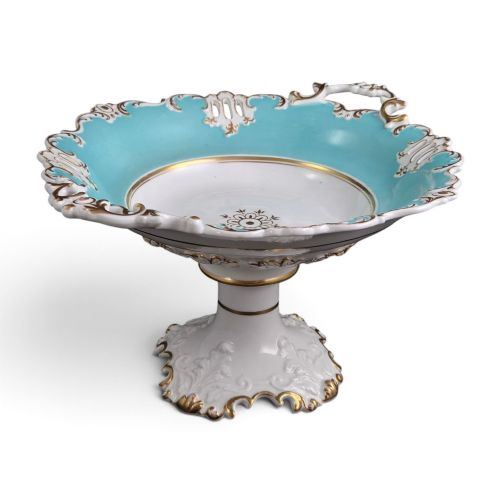
- A shallow bowl or dish raised on a foot or pedestal, used historically for serving fruit or sweetmeats. They appear frequently in nineteenth-century dessert services.
Antique Bone China Dishes: Frequently Asked Questions
What is bone china?
Bone china is a ceramic material made from bone ash, clay, and feldspar. This composition creates a durable, bright white body with high translucency.
Potters developed the formula in England to rival hard-paste porcelain imported from Asia. It allowed for thinner walls without sacrificing structural strength.
How were cabinet plates used?
Cabinet plates were acquired for display in drawing rooms rather than for serving food. Wealthy households showcased them in glass-fronted cabinets to highlight artistic taste.
Artists painted these pieces with intricate botanical studies or landscapes. They served as conversation pieces during formal afternoon gatherings.
How do I identify a Regency period dish?
Regency dishes often feature neoclassical motifs, armorial bearings, or botanical specimens rendered with scientific accuracy. Shapes frequently draw inspiration from ancient Greek and Roman forms.
Makers active during this era include various Worcester partnerships and Derby. Examining the paste, shape, and pattern numbers helps pinpoint the manufacturing decade.
Can I use antique dishes for dining?
Most antique bone china pieces function best as display items or decorative serving vessels. The overglaze enamels and delicate gilding can wear down with frequent use and modern cleaning methods.
Gentle hand washing preserves the painted surfaces and metallic highlights. Older glazes may also contain trace elements best kept away from acidic foods.