

Antique Blue Porcelain Vessels
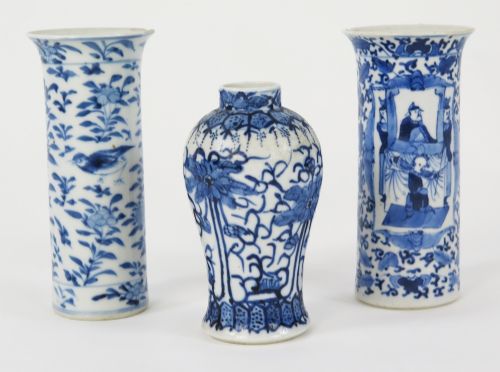
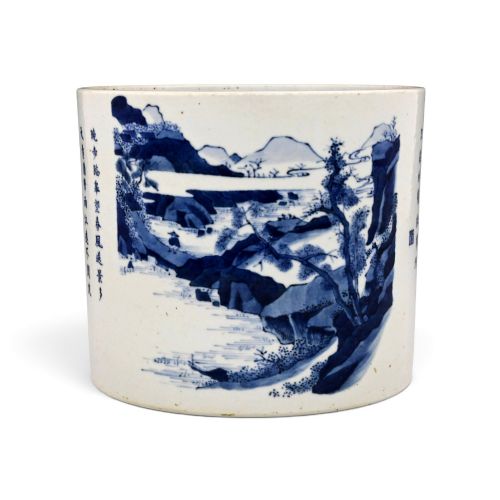
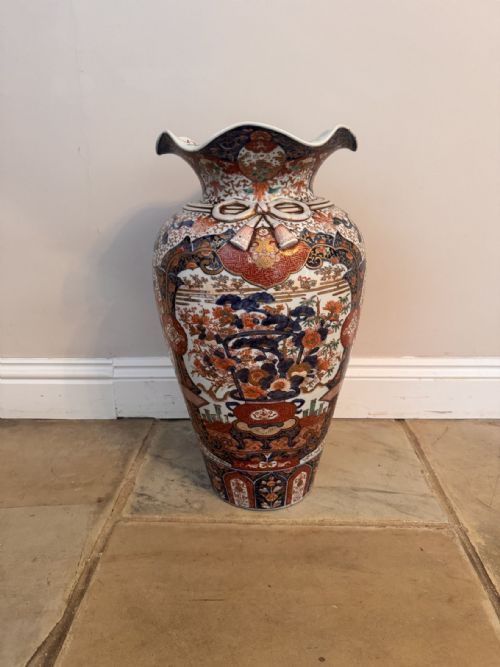
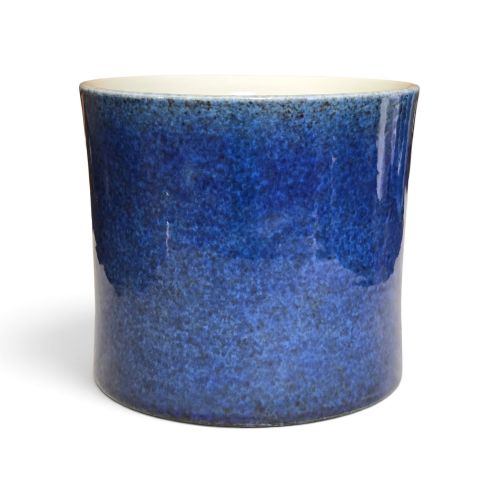
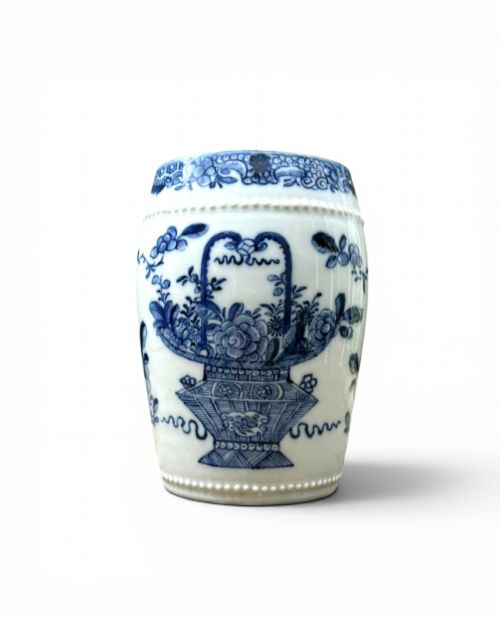
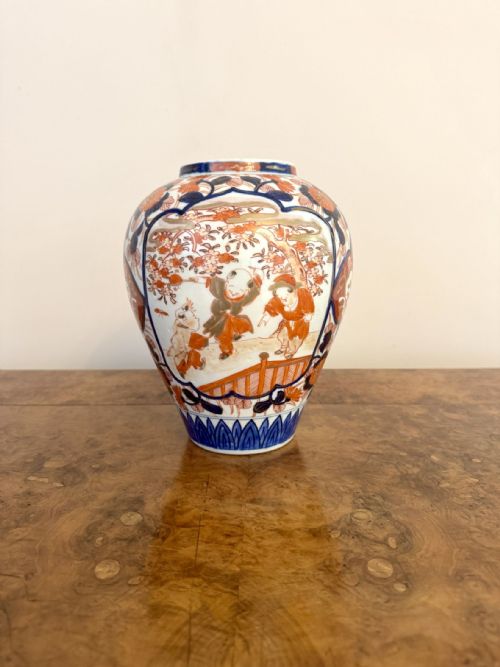
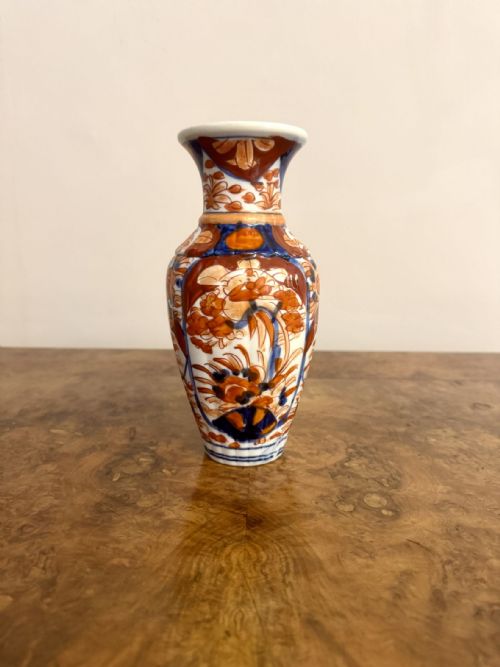
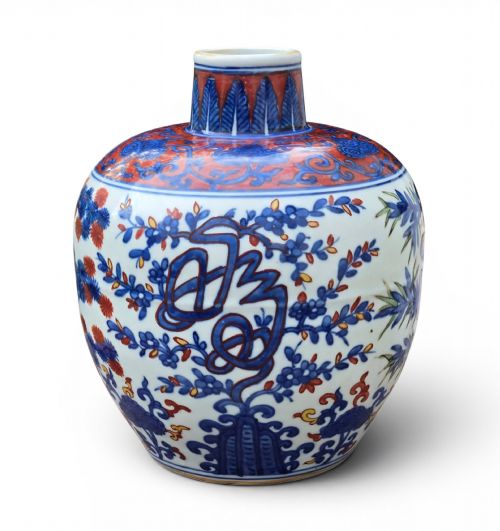
These antique blue porcelain vessels encompass everything from delicate Chinese export scholars' brush pots to bold Japanese Imari floor vases.
Antique Blue Porcelain Vessels
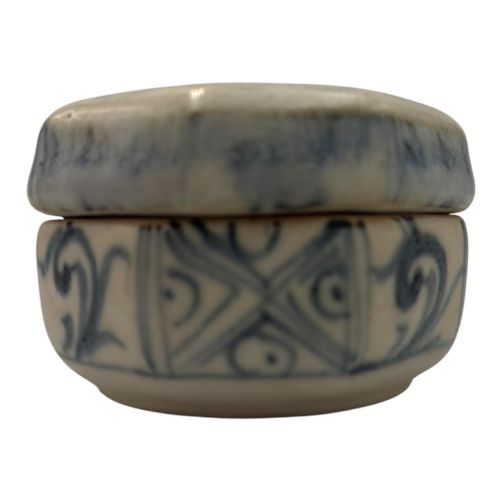
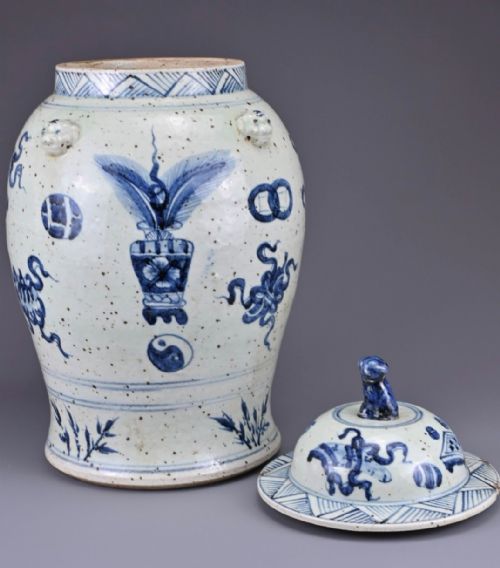
Antique blue porcelain vessels cover a diverse range of forms, including vases, jars, brush pots, and decorative bowls originating from various periods and traditions. Buyers exploring this selection will encounter pieces spanning several centuries, running from seventeenth-century Chinese pieces to nineteenth-century Japanese Imari and European factory productions.
The most common items found within this grouping are Japanese Imari vases and Chinese blue and white vessels, reflecting both export markets and domestic production. These objects served functional and decorative purposes in period interiors, functioning as tea wares, large floor ornaments, and scholars' desk items.
Materials and technique
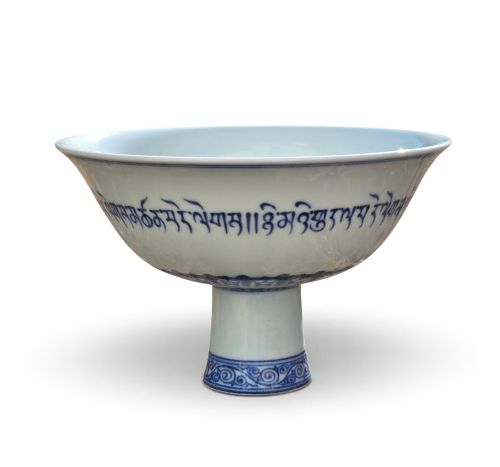
The fabrication of these vessels relies primarily on porcelain and ceramic bodies combined with cobalt glaze and cobalt underglaze decoration. Potters applied mineral pigments beneath or over the glaze before subjecting the pieces to high-temperature kiln firings.
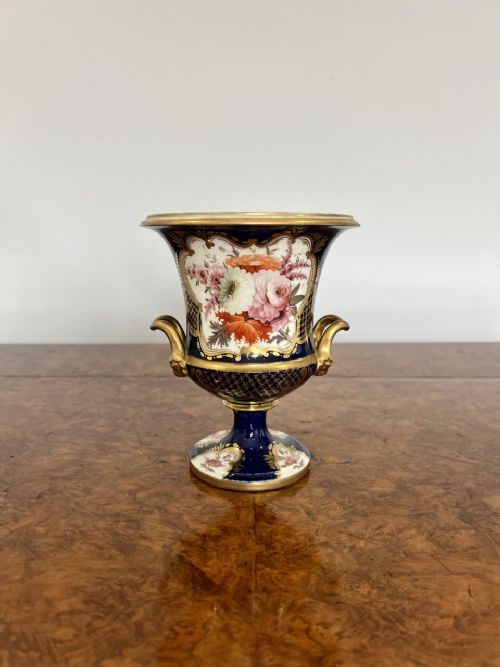
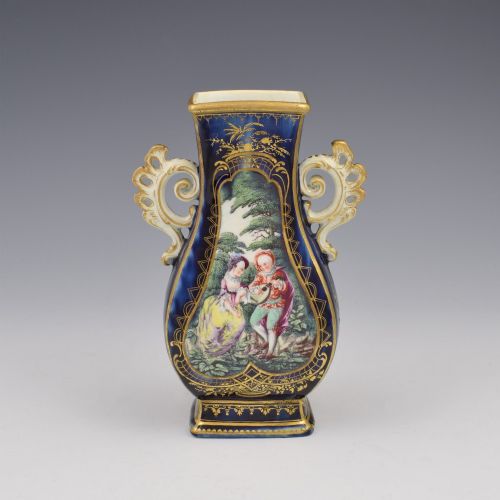
Many examples incorporate supplementary materials such as enamel, gold leaf, and iron-red highlights to enrich the surface decoration. These techniques allowed makers to achieve deep cobalt tones alongside contrasting metallic or polychrome details.
Listings feature ceramics spanning the seventeenth to the twentieth century, incorporating porcelain, earthenware, and cobalt glaze.
Variations in quality
The standard of an antique blue porcelain vessel depends heavily on the precision of the cobalt painting and the clarity of the glaze. Finer examples display crisp, controlled brushwork and balanced compositions, whereas simpler pieces show looser execution.
Imperial and marked specimens command greater regard due to the superior control required during their production. The sophistication of the ceramic body and the depth of the underglaze pigment distinguish workshop output from mass production.
The Antique Blue Porcelain Vessels Glossary
- Imari
- A style of Japanese porcelain decorated in underglaze blue, iron red, and gold, named after the port from which it was shipped to Europe. This aesthetic became widely popular across Western decorative arts during the nineteenth century.
- Bitong
- A cylindrical brush pot used by scholars in East Asia to hold writing brushes. These vessels are typically carved from porcelain or pottery and decorated with cobalt pigments.
- Underglaze
- A method of decorating pottery where pigments are applied directly to the unfired ceramic body before a clear glaze is applied over the top. This technique protects the painted design beneath a glassy coating.
- Meiping
- A traditional Chinese vase shape featuring a narrow neck, broad shoulders, and a tapering base. Originally designed to hold plum branches, these vessels are prized for their elegant profile.
- Doucai
- A Chinese porcelain technique involving a combination of underglaze blue outlines and overglaze enamel infills. The contrasting colours are fixed through multiple kiln firings.
Antique Blue Porcelain Vessels: Frequently Asked Questions
How do I identify Chinese versus Japanese blue porcelain?
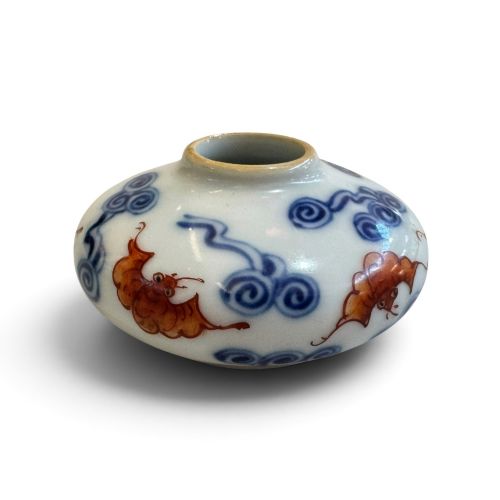
Distinguishing between Chinese and Japanese pieces relies on examining the specific motifs, glaze textures, and potting characteristics. Chinese export and imperial wares frequently utilise symbolic flora and fauna with distinct underglaze tones.
Japanese Imari wares from the Meiji period often incorporate denser palettes featuring iron red and gold leaf alongside the cobalt blue. Comparing the weight of the ceramic body and the style of the base markings provides further clues to origin.
Were these blue vessels purely decorative?
While many larger items such as floor vases and jardinieres served decorative roles in period interiors, numerous vessels held practical functions. Scholars utilised brush pots and brush washers daily for calligraphy and painting.
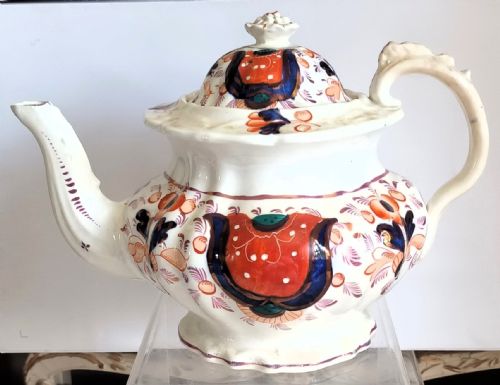
Teapots, mugs, and sauce boats were made for dining and beverage service in European and Asian households. Even large decorative jars often began as storage containers for tea or dry goods before entering the collector market.
How should I display antique porcelain vessels at home?
Displaying these vessels safely requires stable placement away from high-traffic zones and direct sunlight that might affect delicate overglaze enamels. Heavier floor vases need secure, level flooring where they face no risk of tipping.
Smaller objects like brush pots and bowls benefit from enclosed cabinets or sturdy shelves that allow inspection from multiple angles. Maintaining stable room temperatures prevents thermal stress on older ceramic bodies.
What period do most blue and white porcelain pieces date from?
The selection spans several centuries, with a heavy concentration of items originating from the nineteenth and early twentieth centuries. Pieces from the Kangxi period and eighteenth-century European factories also appear regularly.
Datings rely on stylistic evidence, imperial marks, and manufacturing techniques recorded across different dynasties and European ceramic eras.