



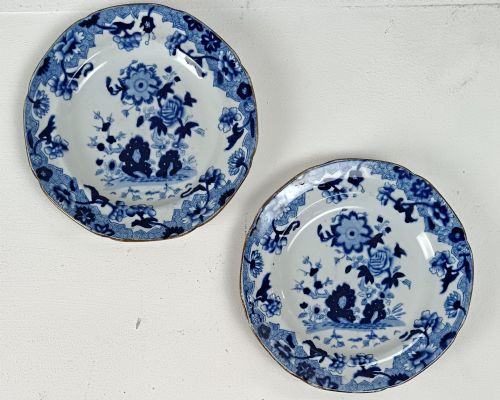


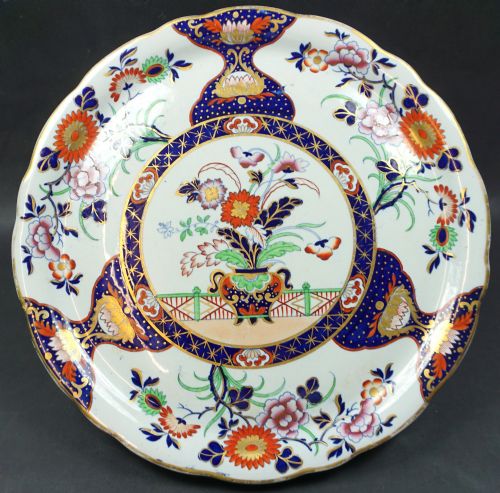
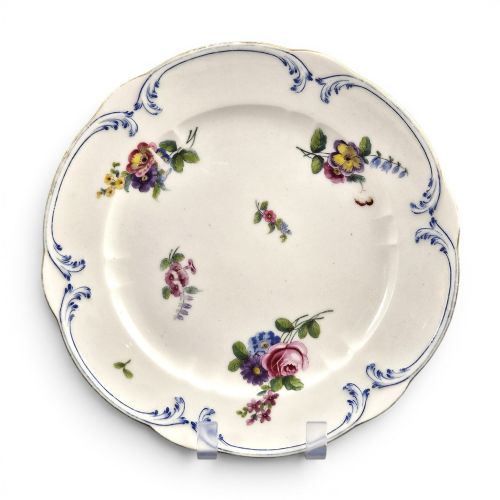
Antique Blue Floral Plates
These antique blue floral plates combine hand-painted blossoms with durable ceramic bodies, offering both decorative presence and historical utility for the home.
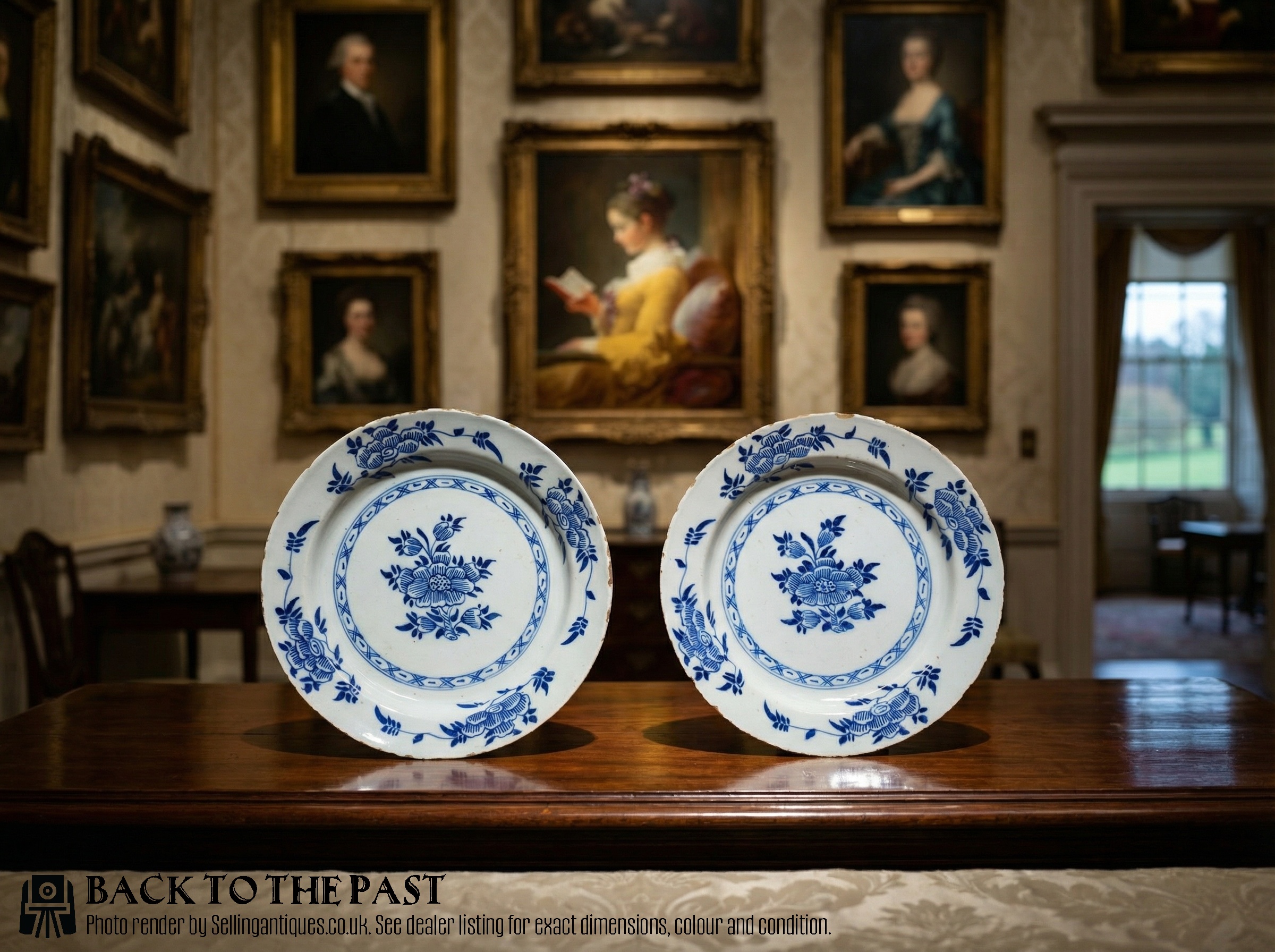
Antique Blue Floral Plates
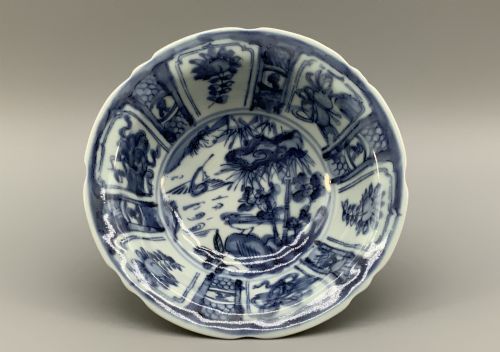
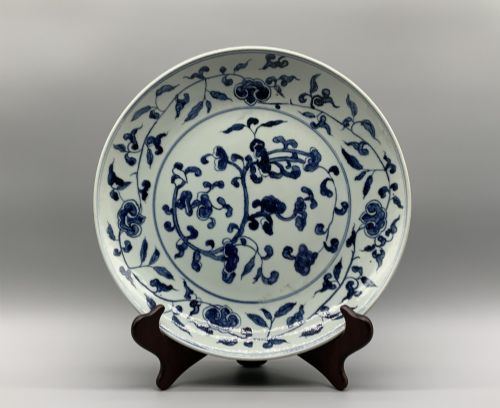
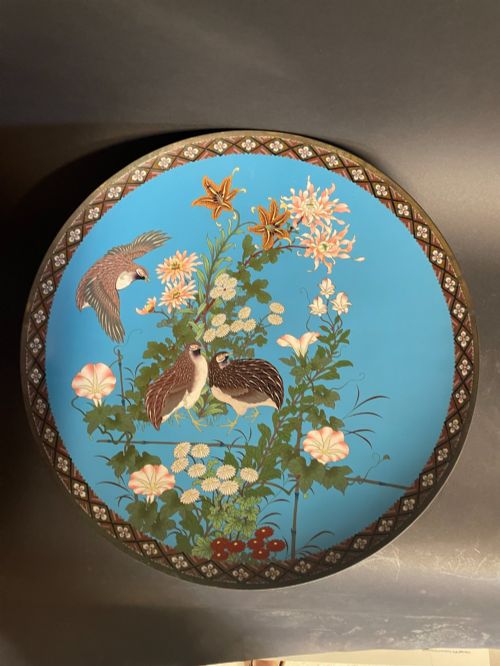
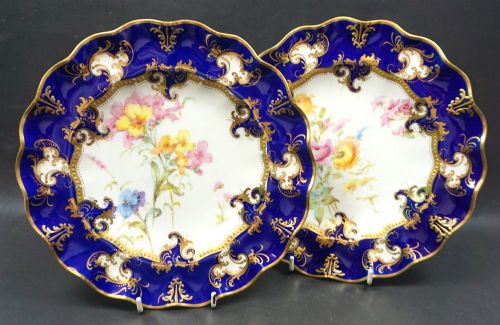
When you search for antique blue floral plates, you encounter an array of tableware spanning the eighteenth, nineteenth and early twentieth centuries. These pieces originate from diverse production centres including English potteries, European porcelain manufactories and Japanese kilns.
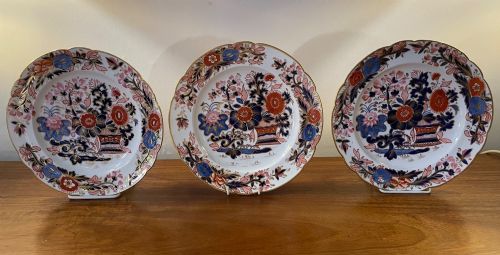
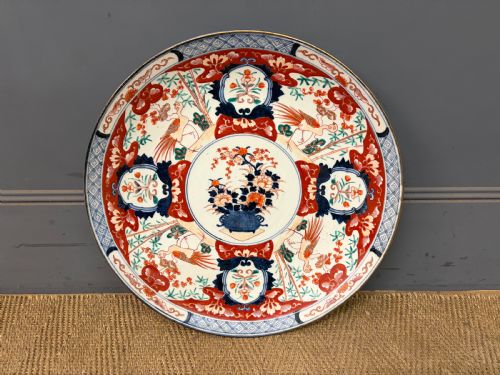
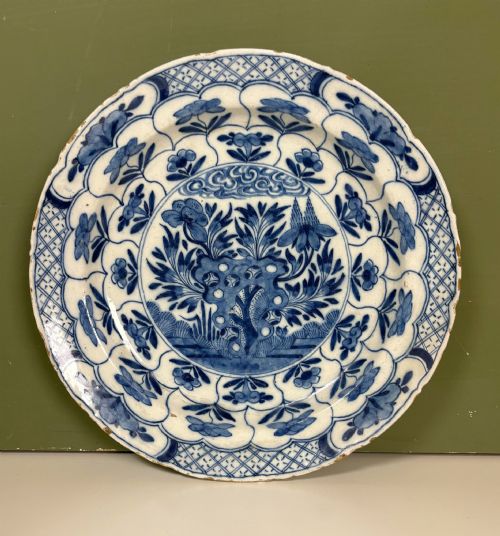
Geographic influences vary widely, encompassing domestic Georgian and Victorian earthenware alongside continental delftware and imported Japanese Imari ware. Buyers will find items decorated with transfer-printed blue patterns, polychrome floral centres and hand-painted botanicals.
Materials and production techniques
Potters shaped these items using materials such as earthenware, ironstone, soft-paste porcelain and standard ceramic bodies, often applying a glossy glaze to seal the surface. Many English pieces utilise blue and white transfer printing to apply intricate botanical designs onto the clay base.
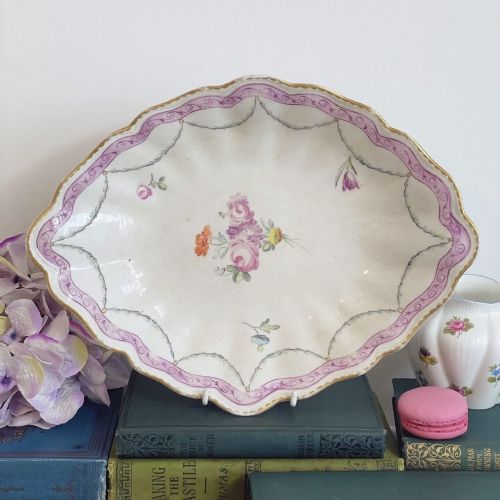
Artisans decorated other vessels by hand, applying enamel pigments, copper elements, and occasional touches of gold leaf or gilding to highlight floral motifs. Japanese Imari pieces combine cobalt blue underglazes with iron red and supplementary colours to create vibrant patterns across the porcelain surface.
Materials represented across the selection span ceramic, earthenware, porcelain, copper, and gold leaf.
Distinctions in manufacturing standards
The standard of execution separates everyday utility wares from high-status cabinet pieces commissioned for specific noble or prominent families. Fineness is evident in the precision of the hand-painting, the crispness of transfer-printed outlines, and the symmetry of moulded scalloped edges.
Material composition also dictates grade, with translucent soft-paste porcelain and meticulously potted ironstone sitting at a higher tier than coarser earthenware bodies. The complexity of the decorative scheme, such as multi-layered Imari palettes or detailed armorial crests, reflects the labour invested by the original makers.
John Rogers and Son·John Davenport of Longport·Hicks and Meigh·Royal Crown Derby·New Hall
The Antique Blue Floral Plates Glossary
- Charger
- A large decorative plate or platter used primarily for display or ceremonial serving rather than individual dining.
- Imari
- A style of Japanese porcelain featuring a distinct palette of cobalt blue, iron red, and gilding, which heavily influenced European makers.
- Delftware
- Tin-glazed earthenware produced in England and Europe, known for its absorbent white surface and blue painted decoration.
- Transfer printing
- A mechanical technique where an engraved copper plate transfers a design onto paper, which is then stamped onto the ceramic body.
- Ironstone
- A durable type of heavy earthenware patented in the nineteenth century to imitate porcelain.
Antique Blue Floral Plates: Frequently Asked Questions
Can I use antique blue floral plates for dining?
Most of these pieces were created for display, ceremonial service, or light dining in past centuries. Given their age and delicate glazes, modern hand washing is generally recommended.
Using them for special occasions adds historical character to a table setting, though heavy cutlery may cause surface wear on antique glazes.
How do I identify Japanese Imari from European copies?
Japanese Imari pieces typically exhibit a distinct greyish or bluish tint within the porcelain body, paired with dense underglaze cobalt blue and iron-red overglaze. European factories often adapted these Japanese patterns onto different ceramic compositions.
Examining the foot ring and weight of the dish often reveals manufacturing traits specific to either Meiji period kilns or nineteenth-century English ironstone works.
What is the difference between earthenware and porcelain plates?
Earthenware is an opaque, porous ceramic fired at lower temperatures, making it thicker and heavier. Porcelain is vitrified at much higher temperatures, resulting in a dense, non-porous body that is frequently translucent.
Plates made of soft-paste or hard-paste porcelain often display finer painted details than their earthenware counterparts.
How should I display antique chargers on walls?
Displaying large chargers requires specialised wall fixings that distribute the weight evenly across the rim without putting stress on the centre. Spring-loaded brass hangers padded with protective tubing prevent scratching to the ceramic edge.
Ensure hangers are secured directly into wall studs, particularly when mounting heavier nineteenth-century ironstone or porcelain chargers.