


Antique Blue Dish
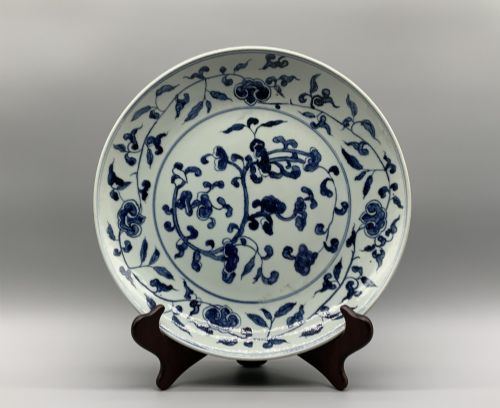
When you search for an antique blue dish, you encounter centuries of cobalt pigments applied to earthenware, porcelain, and tin glaze.
Antique Blue Dish
The antique blue dish category spans functional tableware and decorative plates produced across European and Asian kilns from the seventeenth century onward. Buyers exploring this selection encounter transfer-printed platters, hand-painted chargers, and tin-glazed earthenware originating from English, Dutch, and Chinese workshops.
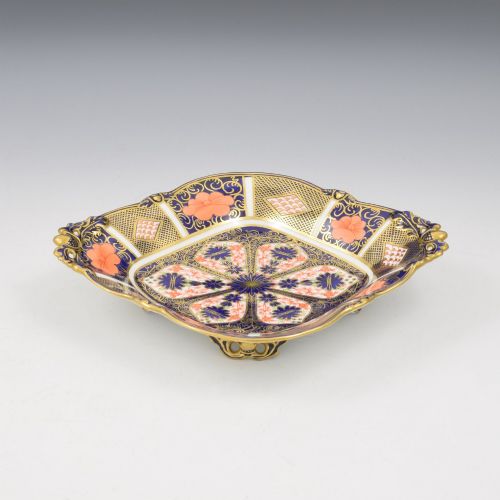
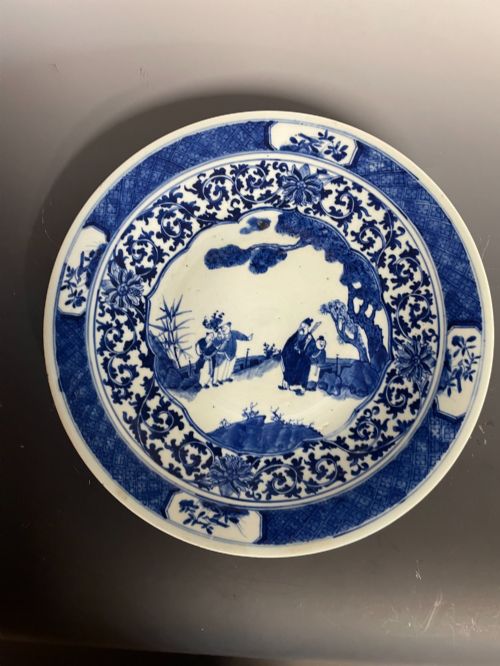
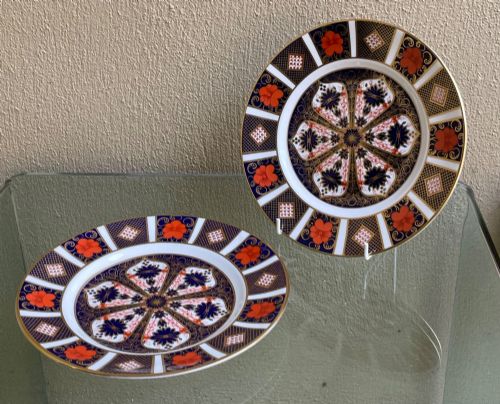
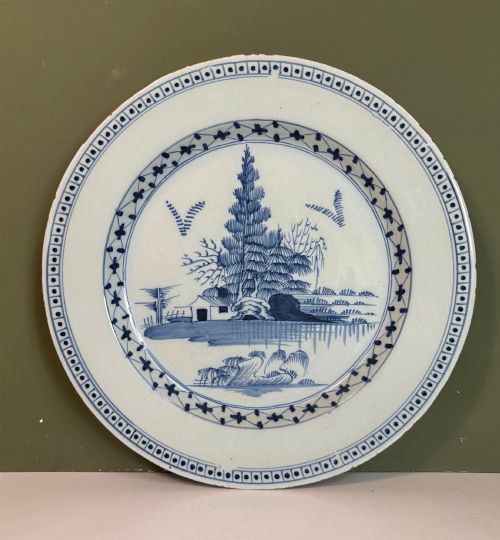
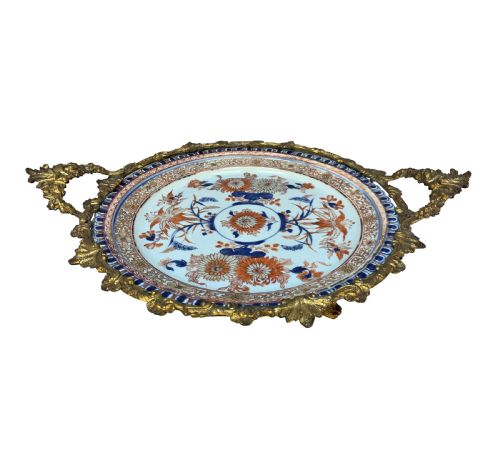
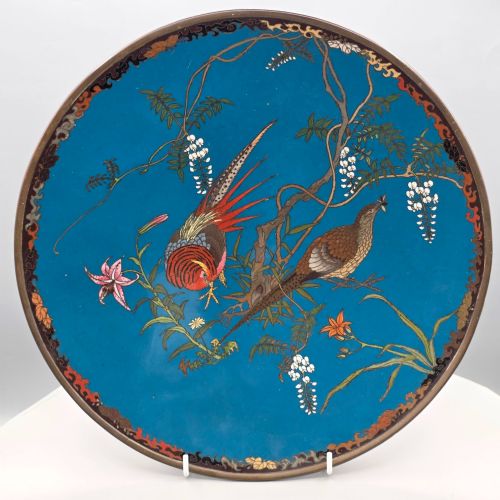
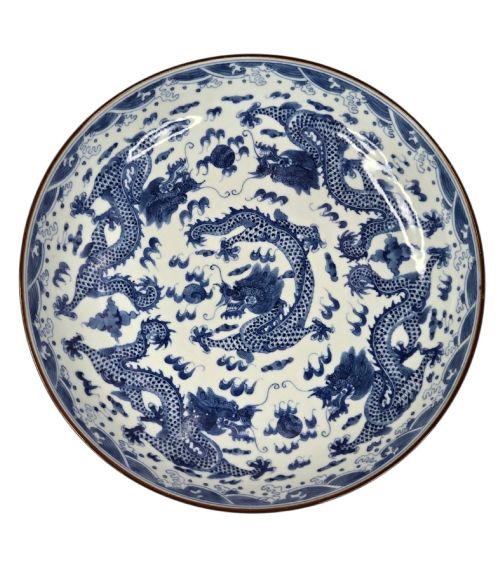
The most common forms on this page include eighteenth-century Delft chargers, nineteenth-century transferware serving platters, and Japanese Imari porcelain plates. These pieces reflect diverse cultural aesthetics, ranging from Dutch baroque interpretations to Meiji period motifs.
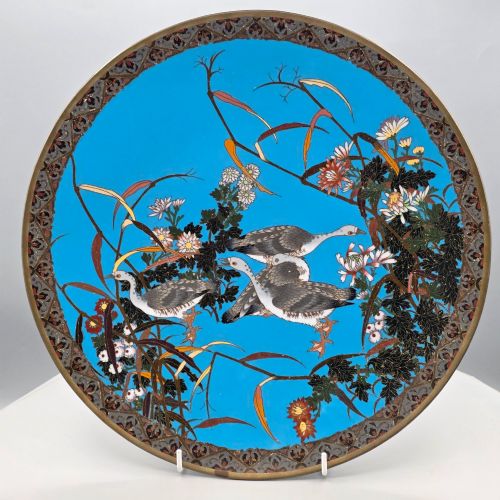
Domestic serving dishes and cabinet plates dominate the available inventory, demonstrating how cobalt blue remained a staple colour palette for ceramicists across generations. Each object offers a tangible record of period dining habits and decorative arts.
Materials and Technique
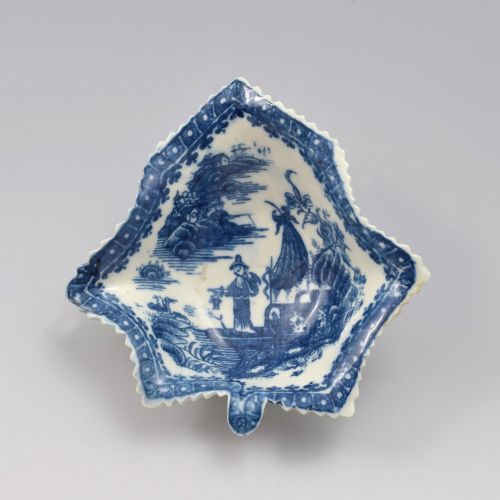
Makers achieved the characteristic cobalt colour through underglaze painting on porcelain and earthenware before applying a transparent silica glaze and firing the piece in a high-temperature kiln. English potteries frequently utilised transfer printing to apply intricate patterns onto creamware and ironstone bodies, while continental and Asian makers relied on manual brushwork.
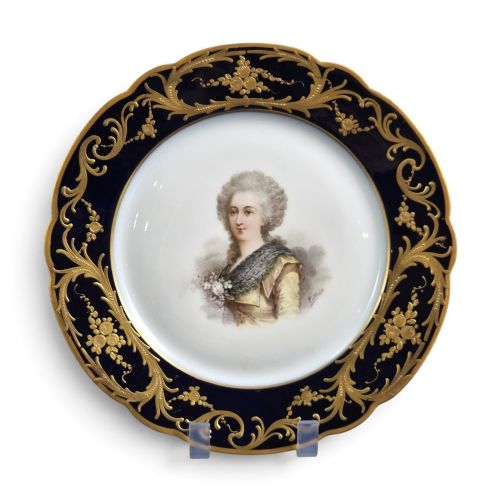
Tin glazing defined European earthenware production during the seventeenth and eighteenth centuries, creating an opaque white surface suitable for cobalt blue pigments. Soft-paste and hard-paste porcelain compositions required precise kiln management to fuse the gold leaf, enamel, and underglaze decorations found on high-status cabinet plates and chargers.
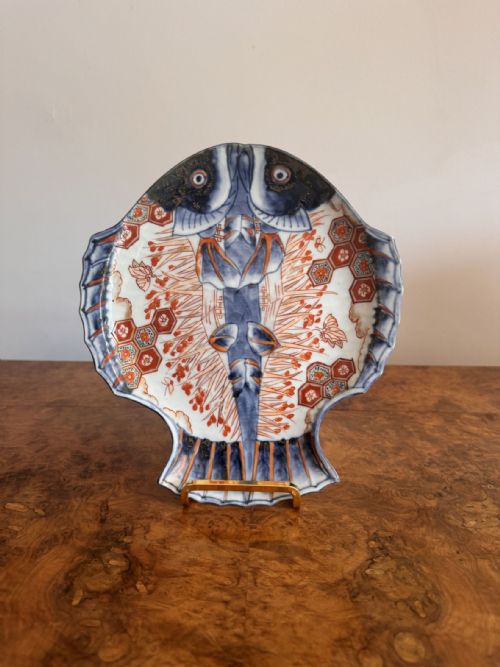
Several plates on this page take the literal form of swimming fish.
Factors of Quality
Quality in these ceramics rests upon the crispness of the cobalt painting, the stability of the glaze during firing, and the precision of the form. Superior examples display deep, uniform cobalt tones without bleeding into the surrounding white ground.
Maker attribution and hand-painted detail elevate individual pieces above standard mass-produced transferware. Well-preserved gilding, complex moulded edges, and clear factory marks indicate higher atelier standards.
The Antique Blue Dish Glossary
- Cobalt Underglaze
- A metallic oxide pigment applied to pottery before glazing, capable of withstanding the high temperatures required to melt ceramic coatings.
- Delftware
- Tin-glazed earthenware produced in Dutch and English kilns, typically decorated with blue designs inspired by imported Chinese porcelain.
- Transfer Printing
- A mechanical process developed in the eighteenth century to transfer engraved paper designs onto ceramic surfaces using metal plates.
- Charger
- A large ornamental or serving plate positioned centrally on a table or displayed on a wall during the seventeenth and eighteenth centuries.
- Imari
- A style of Japanese porcelain featuring cobalt blue and iron red decoration, often accented with gold, produced for export markets.
Antique Blue Dish: Frequently Asked Questions
Can I use these dishes for serving food?
Most antique plates and chargers serve decorative purposes rather than daily dining. Historic glazes on eighteenth-century earthenware and soft-paste porcelain can absorb moisture and stain through microscopic surface crazing.
Twentieth-century bone china items are more robust, but conservation guidelines generally advise limiting antique tableware to display or dry use.
What is the difference between porcelain and earthenware?
Porcelain is fired at high temperatures until vitrified, producing a dense, non-porous white body that rings when struck. Earthenware is fired at lower temperatures, remaining porous and opaque until sealed with a glaze.
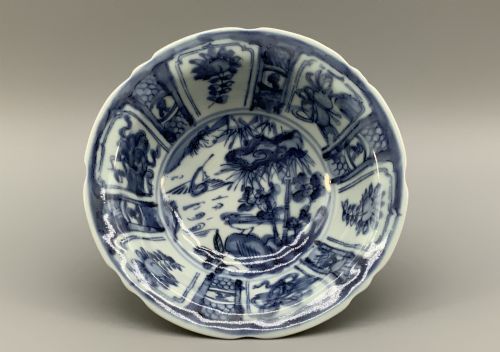
Tin-glazed delftware and transfer-printed creamware belong to the earthenware family, whereas Kangxi period imports and English bone china represent porcelain manufacture.
How do I identify the period of a blue dish?
Examine the base of the piece for factory marks, stilt marks, and the characteristics of the ceramic body. Eighteenth-century pieces often exhibit unglazed foot rims and hand-mixed pastes with minor kiln imperfections.
Transfer-printed patterns and registration diamonds on nineteenth-century wares narrow down production dates to specific decades. Comparing motif styles with documented regional outputs confirms the era of manufacture.