


Antique Blue Dinnerware
These antique blue dinnerware pieces offer brilliant cobalt motifs on earthenware and porcelain, bringing centuries of historic dining tradition straight to your table.
Antique Blue Dinnerware
When you search for antique blue dinnerware, you encounter a diverse selection of plates, cabinet plates, soup bowls, platters, and complete dinner services spanning several centuries. The material evidence reaches from Georgian and Victorian eras down to nineteen hundred, encompassing various earthenwares and porcelains.
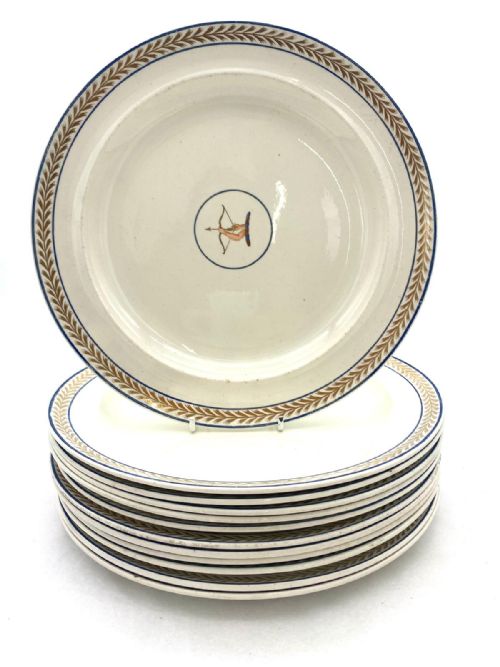
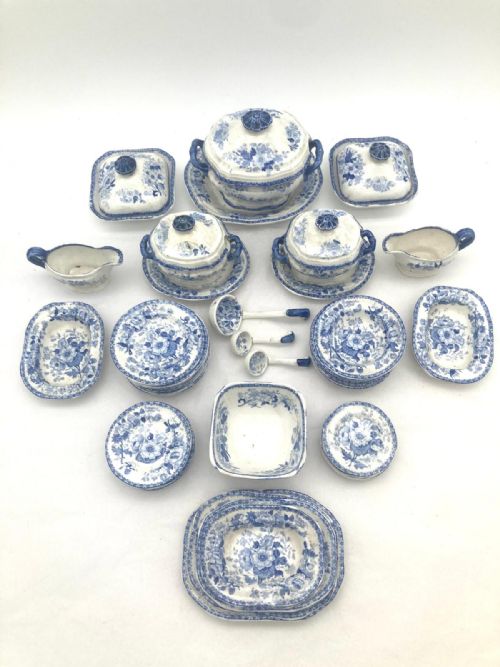
The objects take many forms, from utilitarian soup bowls and dinner plates to miniature dinnerware and decorative cabinet plates. You will regularly find sets of plates alongside larger services bearing famous patterns.
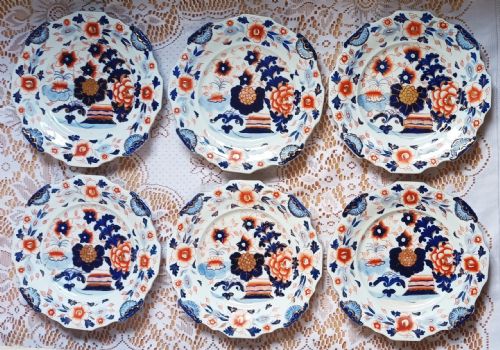
Origins stretch across English potteries and continental works, capturing stylistic shifts from Georgian neoclassical designs to Victorian Chinoiserie and Imari influences. Each grouping reveals the distinct preferences of its period, whether through transfer printing or hand-painted motifs.
How they were made
Potters utilised earthenware, ironstone, pearlware, and porcelain as the foundational bodies for these items. Workers applied rich blue glaze, enamel, and occasionally gold leaf to highlight the intricate surface patterns.
Many wares rely on blue and white transfer printing to achieve crisp, repeating scenes like the Willow and Italian patterns. Other pieces demonstrate hand-painted botanical or armorial details fixed beneath or over the glaze during firing.
Listings span the eighteenth, nineteenth, and early twentieth centuries, featuring earthenware, ironstone, pearlware, and porcelain bodies.
What varies in quality
Distinction across these items rests in the clarity of the blue transfer or the precision of the hand-painted brushwork. Superior examples maintain crisp pattern registration and even glaze coverage without distracting firing blemishes.
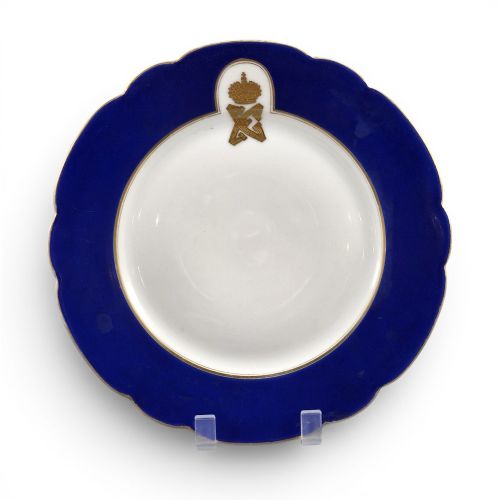
The prestige of the maker and the completeness of a set or service heavily influence the overall standing of the pieces. Armorial details and specialised patterns command greater attention than standard utilitarian ware.
Wedgwood·Minton·Masons Ironstone·Elkin And Newbon·Spode·Worcester·John Rogers And Son·Copeland Spode
The Antique Blue Dinnerware Glossary
- Ironstone
- A dense, durable type of earthenware patented in the nineteenth century. It resists chipping far better than standard pottery and forms the body of many heavy dinner services.
- Transfer printing
- A mechanical method of applying complex designs to ceramic ware from an engraved copper plate via tissue paper. This technique enabled the mass production of consistent blue and white scenes.
- Pearlware
- A refined earthenware developed in the late eighteenth century featuring a subtle bluish glaze that pooled in recesses. It bridged the gap between creamware and later white ironstone.
- Armorial
- Bearing a family crest or coat of arms painted or printed onto the ceramic surface. These bespoke services were commissioned by wealthy households.
Antique Blue Dinnerware: Frequently Asked Questions
Can I use antique blue dinnerware for everyday meals?
While these pieces were originally created for dining, their age and glaze composition make gentle handling advisable. Many collectors prefer to reserve them for special occasions or display them as cabinet plates.
Hand washing protects the historic earthenware, ironstone, and porcelain from the harsh detergents and thermal shock found in modern dishwashers.
How do I identify a transfer printed pattern?
Transfer printed patterns display fine, stippled lines under magnification, which reveals the inked paper application process. Look closely at the edges where pattern repeats meet to spot tiny overlaps.
Hand-painted pieces lack this dot matrix structure and show varying brush stroke depths instead.
What is the difference between ironstone and porcelain?
Ironstone is a heavy, opaque earthenware body designed for durability and mass table use. Porcelain is a finer, vitrified ceramic that often allows light to pass through thin sections.
Both materials carry blue decoration brilliantly, but porcelain commands a more delicate weight in the hand.
How do I date an antique blue dinner plate?
Dating relies on maker marks stamped or impressed into the ceramic base, alongside stylistic clues like border motifs and glaze colour. Georgian pieces often feature lighter pearlware bodies, while Victorian items lean towards heavy ironstone.
Matching the pattern name to documented production windows helps narrow down the exact decade of manufacture.