


Antique Bench Seat
An antique bench seat brings enduring utility and historic character to any hallway, garden or room.
The Form and Origin of an Antique Bench Seat
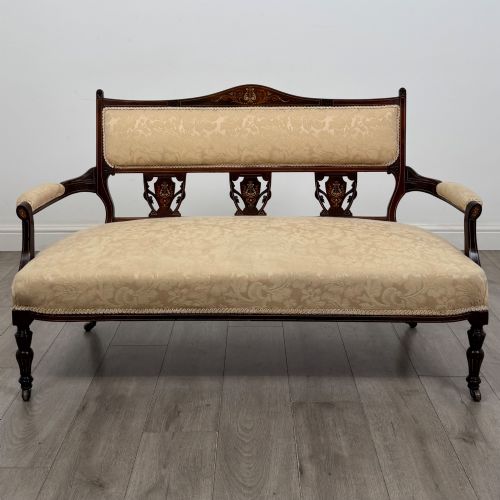
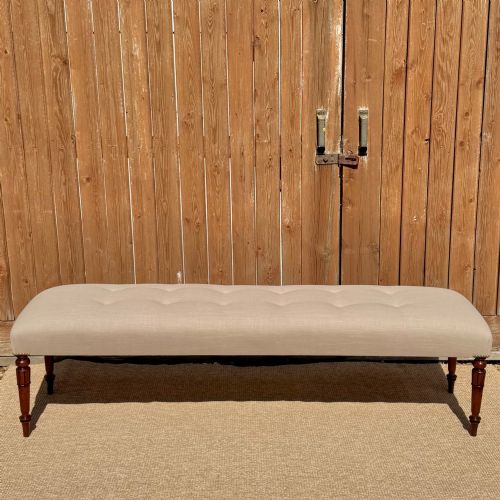
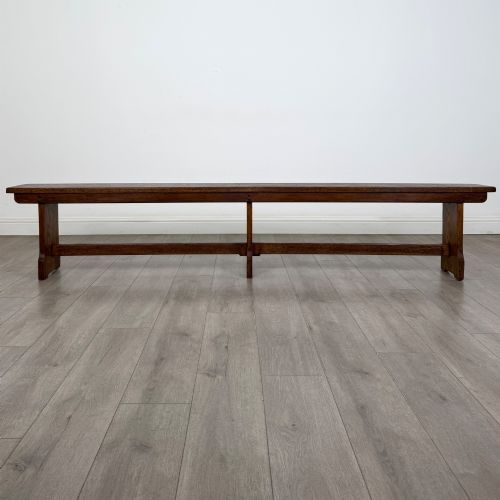
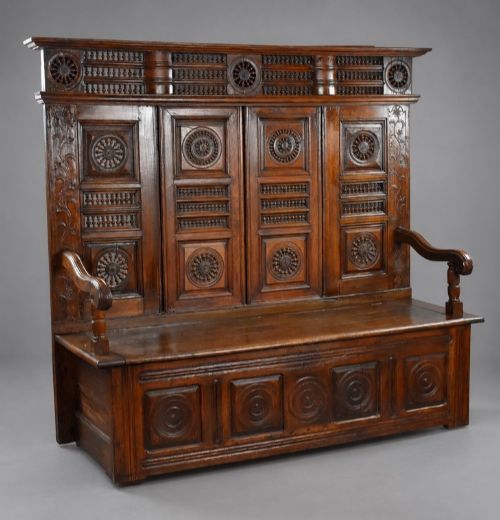
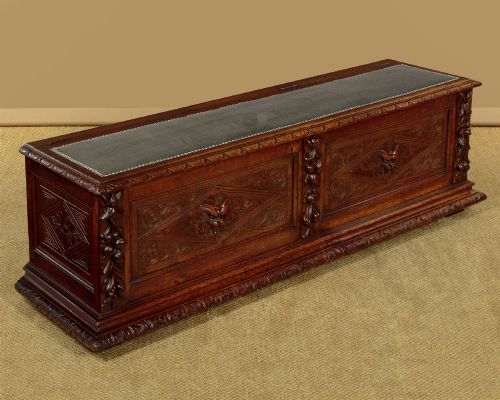
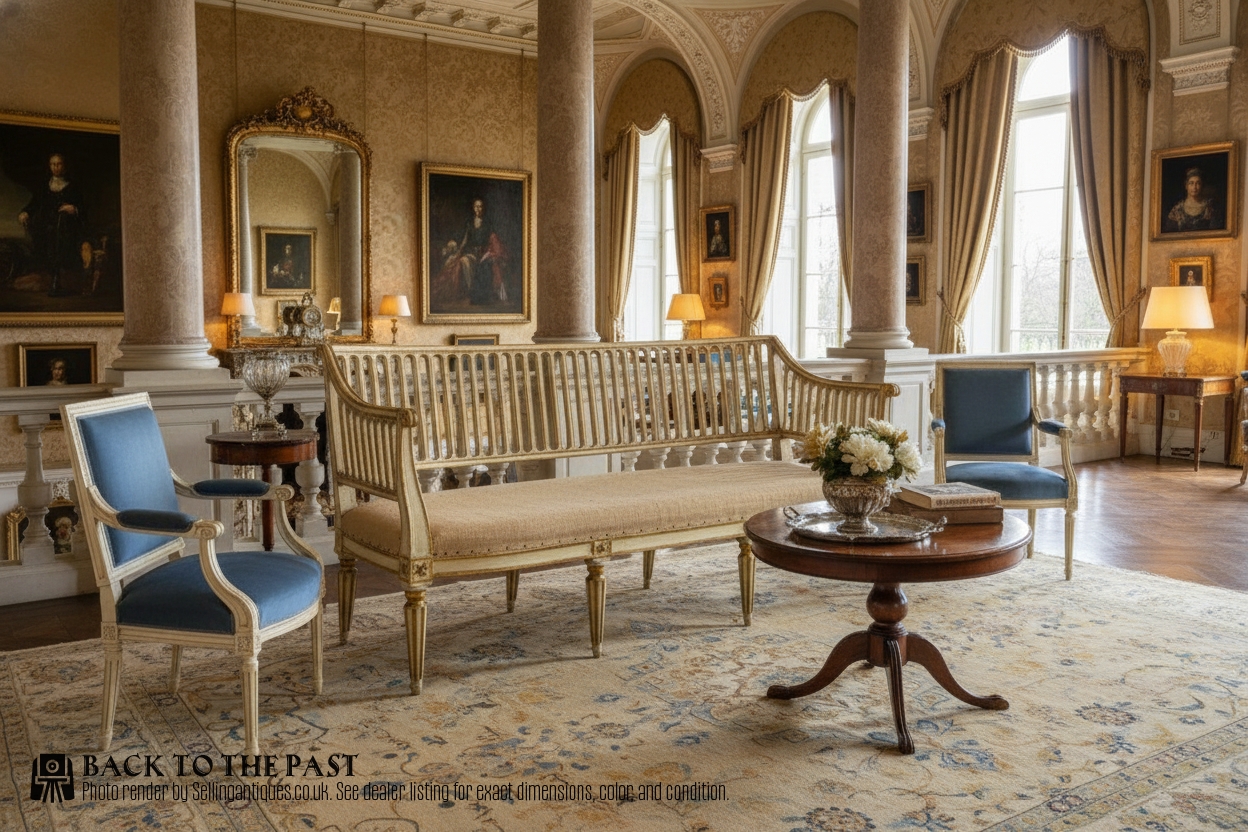
An antique bench seat encompasses a diverse range of domestic and garden seating, from robust oak refectory forms to refined upholstered window seats. When exploring options for an antique bench seat, buyers frequently encounter pieces originating from the eighteenth and nineteenth centuries, including Georgian and Edwardian examples.
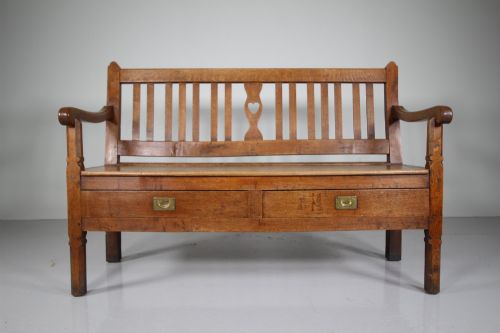
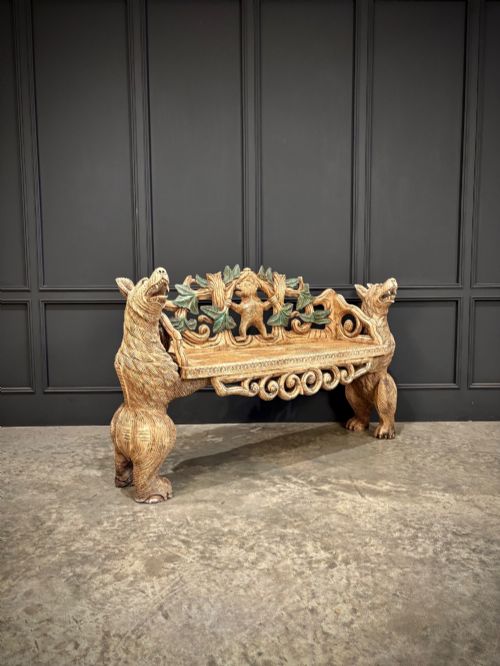
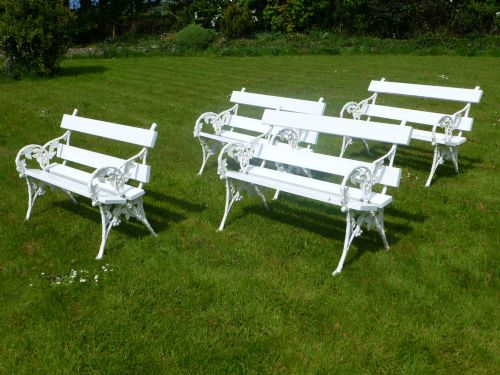
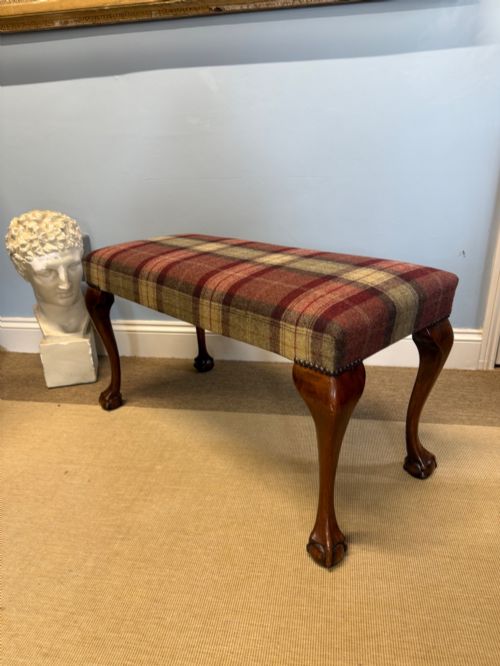
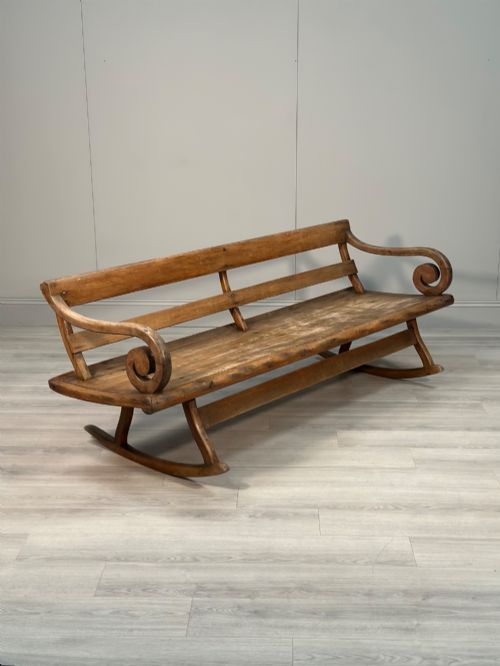
The selection ranges from sturdy pine farmhouse settles and walnut window seats to teak garden benches and painted Italian settees. Survivors from these eras reflect the utilitarian or decorative needs of their original settings, whether placed in a grand hall, a modest cottage or an ecclesiastical interior.
Meticulous construction defines these pieces, utilising traditional joinery appropriate to their period of origin. Whether shaped from solid oak, mahogany or pine, each antique bench seat demonstrates the practical craftsmanship of its maker.
Materials and Traditional Construction
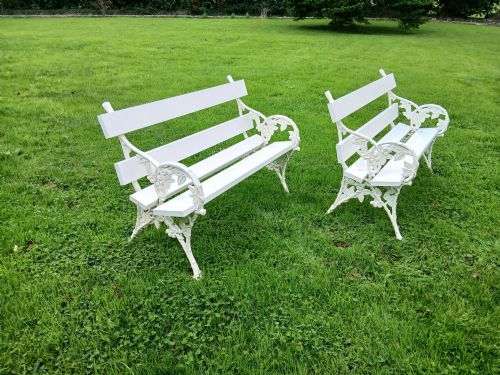
Cabinet makers and joiners relied heavily on solid hardwoods such as oak, mahogany, walnut and teak, alongside softer timbers like pine and ash. Metal elements such as wrought iron also appear in outdoor and garden contexts, while structural frames frequently incorporate textile upholstery, hessian and linen.
Traditional woodworking techniques ensured durability through centuries of daily use, employing pegged mortise and tenon joints in early oak and elm pieces. Later nineteenth-century examples often display precise dovetailing and turned supports, finished with natural wax or painted surfaces.
Retail Price Guide 2026
Typical UK retail prices for bench seat, calculated from the Sellingantiques database of over a million retail prices indexed since 2003. This retail price guide relies exclusively on Sellingantiques data; no external sources or auction records are used, so the figures do not describe the wider market.
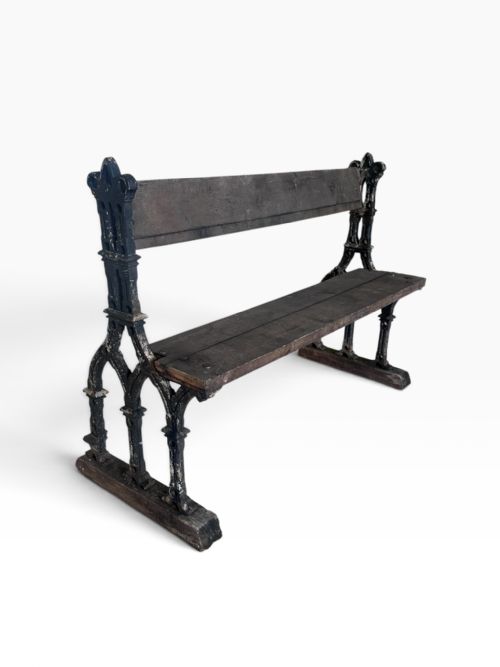
Church pews, children's school desks and railway stations all contributed surviving seating to the historical record.
Distinctions in Quality and Execution
The upper tier of pieces is distinguished by the selection of finely figured timber, such as quarter-sawn oak or rich mahogany, coupled with sophisticated carved detail or elegant proportions. Maker attribution to notable workshops or designers elevates a piece significantly.
Proportion and integrity dictate value, with unaltered surfaces and original upholstery webbing holding greater distinction than heavily restored examples. The harmony between structural solidity and decorative refinement separates ordinary utilitarian seating from exceptional design.
Gillow's·Heals of London·William Morris·Morris & Co·Bruce Talbert
The Antique Bench Seat Glossary
- Settle
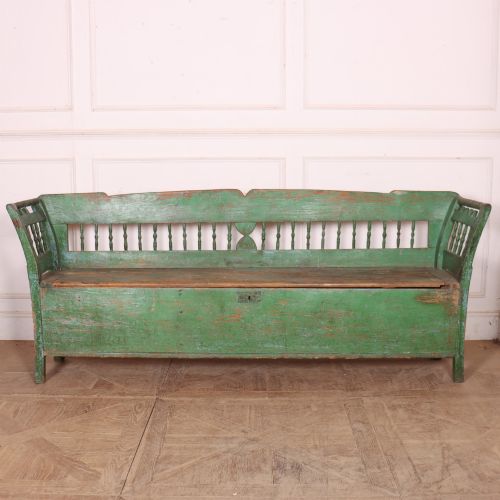
- A wooden bench with a high back, solid arms and frequently a box compartment beneath the seat for storage. This form kept drafts at bay in medieval and Georgian halls.
- Window Seat
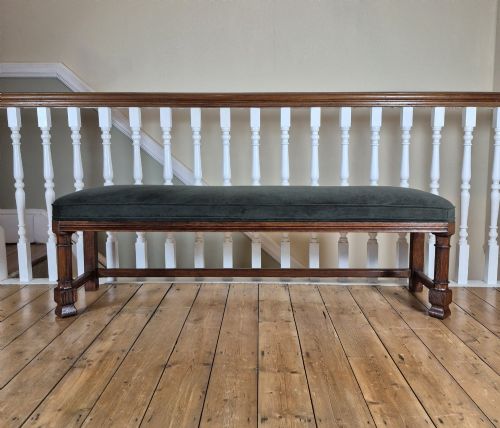
- A narrow, upholstered bench designed specifically to fit the architectural recess of a window. These pieces often feature carved mahogany or walnut frames.
- Monks Bench
- A multifunctional furniture form featuring a hinged top that converts the backrest into a table surface. It served practical domestic purposes in tight living spaces.
- Quarter-sawn
- A method of cutting logs that produces a stable board with distinctive growth ring patterns. This grain orientation resists warping and enhances the visual depth of oak.
- Mortise and tenon
- A fundamental woodworking joint where a protruding tongue fits tightly into a corresponding cavity. This method provides immense structural strength without metal fasteners.
Frequently Asked Questions
Where should I place an antique bench seat?
An antique bench seat fits naturally in entrance halls, mudrooms or at the foot of a bed depending on its proportions and upholstery. Window seats suit brighter alcoves while robust wooden settles anchor large hallway spaces.
Outdoor teak or wrought iron variants belong in gardens or sheltered courtyards where they withstand the elements while developing a natural patina.
How do I care for wooden bench seats?
Routine maintenance involves dusting with a soft cloth and occasionally applying natural beeswax to nourish dry timber surfaces. Avoid placing wooden seating near direct heat sources or in strong sunlight.
Upholstered sections require gentle vacuuming with a low suction attachment to protect fragile historic textiles and underlying stuffing.
How can I tell the period of a bench?
Dating relies on examining the timber species, tool marks, joinery methods and overall stylistic vernacular. Eighteenth-century pieces frequently display hand-adzed surfaces and pegged joints.
Later Victorian and Edwardian examples introduce machine-sawn elements, standardised screws and distinct revival styles such as Gothic or Arts and Crafts.
Were all bench seats used indoors?
While the majority served inside churches, farmhouses and salons, durable timbers like teak and metals like wrought iron were explicitly manufactured for exterior gardens.
Garden variants withstand changing weather conditions while interior pieces rely on delicate polished finishes and decorative upholstery unsuited to the outdoors.