

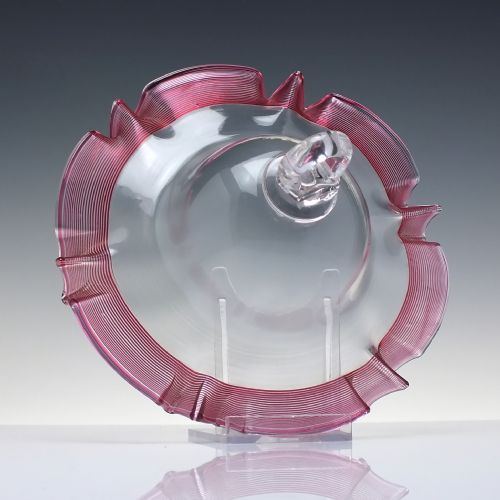


Antique Bell Jar
An antique bell jar brings tactile history into a room, offering a protective glass cover that turns curiosities, taxidermy and botanical specimens into focused displays.
Antique Bell Jar
When searching for an antique bell jar, buyers encounter glass display domes and cloches spanning the Georgian, Victorian and Edwardian periods. These pieces serve as protective covers for delicate specimens, taxidermy, clocks and ornamental arrangements.
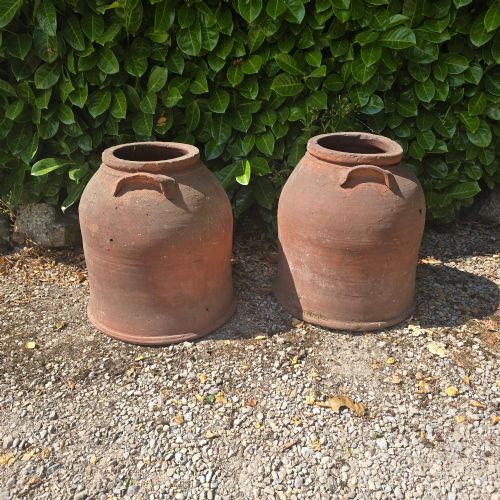
Beyond interior display cases, the selection includes related items such as rhubarb forcers, garden cloches and glass lanterns, demonstrating the varied utilitarian and decorative applications of blown and moulded glass from the nineteenth and early twentieth centuries.
How they were made
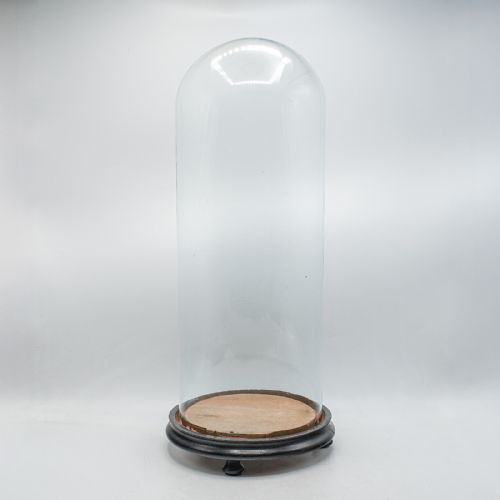
Glass production relied on hand blowing and moulding techniques to create clear, durable covers, which sit upon turned wooden bases made from ebonised wood, oak, pine or beech. Some examples incorporate brass, cast iron or metal elements for structural lanterns and garden cloches.
Interiors often utilised textile foundations such as velvet, fabric, felt and feathers to support beadwork bouquets, taxidermy compositions and specimen arrangements safely beneath the glass.
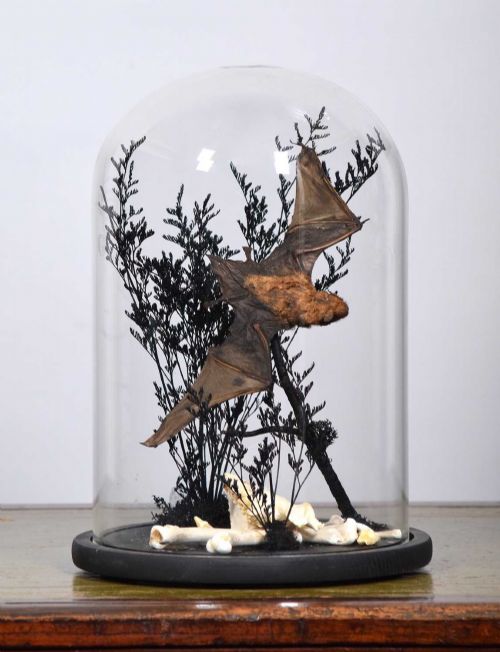
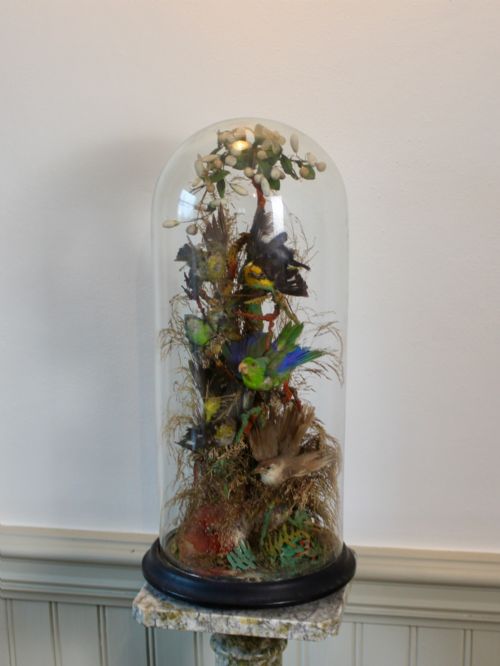
Pipistrelle bats and colourful Victorian birds found permanent indoor shelter beneath these glass covers.
What varies in quality
Quality rests in the clarity and weight of the hand-blown glass, where thicker walls and minimal distortion distinguish finer display pieces from standard utility wares. The skill in the glassblower's craft dictates the smoothness of the dome and its optical purity.
The secondary materials shape the character of the piece, from finely turned wooden bases with rich patination to well-fitted brass mounts. Well-preserved internal elements, such as original fabric linings or undisturbed taxidermy compositions, elevate the integrity of the whole object.
The Antique Bell Jar Glossary
- Bell Jar
- A rounded glass cover shaped like a bell, used to protect or isolate objects and specimens. It sits directly on a flat surface or a dedicated base.
- Cloche
- A bell-shaped glass or iron cover traditionally used in gardens to protect tender plants from frost, or adapted indoors for display. The French term translates literally to bell.
- Taxidermy Dome
- A glass cover paired with a base to house preserved animals, birds or insects. These arrangements were popular in Victorian parlours for educational and decorative display.
- Ebonised Wood
- Timber treated with a dark stain or finish to imitate ebony. This dark base provided a contrasting stage for bright specimens and taxidermy.
- Rhubarb Forcer
- A heavy ceramic or cast iron cover placed over rhubarb plants to encourage early growth. These agricultural pieces share the characteristic bell shape of domestic display jars.
Antique Bell Jar: Frequently Asked Questions
What fits under a bell jar?
Historic bell jars accommodate a wide variety of delicate objects, including taxidermy specimens, botanical collections, carriage clocks and decorative beadwork bouquets. Their primary historical function was protecting fragile indoor displays from dust and handling.
Today, they serve a similar purpose in domestic interiors, allowing collectors to exhibit curiosities, minerals, coral or dried flora while maintaining a clean, curated appearance on a mantelpiece or side table.
How do I clean an antique glass dome?
Cleaning antique glass requires gentle handling, particularly given the thinness of some nineteenth-century blown covers. Use a soft microfibre cloth and a mild glass cleaner applied to the cloth rather than directly onto the glass.
Exercise caution around older wooden bases or fabric interiors, keeping moisture away from unsealed wood, velvet and delicate taxidermy components to prevent water damage or staining.
Are all glass domes Victorian?
While the Victorian period produced a vast quantity of display domes for taxidermy and parlour ornaments, production also spans Georgian, Edwardian and early twentieth-century eras. Stylistic clues in the wood turning and glass thickness help distinguish periods.
Edwardian examples often feature simpler, lighter wooden bases made of oak or beech, whereas Victorian versions frequently utilise heavier ebonised wood or walnut with deeper turned profiles.
Can I use a garden cloche indoors?
Iron and heavy glass garden cloches can be brought indoors for decorative use, though their original purpose was horticultural protection. Antique cast iron cloches and rhubarb forcers offer a robust, industrial aesthetic compared to delicate parlour domes.
Placing a garden cloche indoors works well over large candles, architectural salvaged objects or simple rustic displays, bridging the gap between garden ornament and interior decor.