
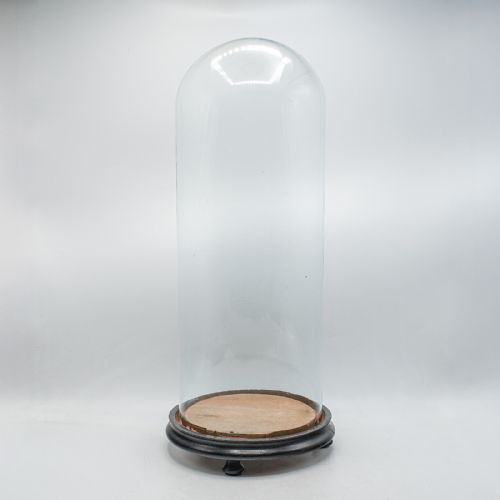


Black Wood Taxidermy Dome
A black wood taxidermy dome houses preserved specimens beneath glass, bringing nineteenth-century natural history directly into a modern interior.
Black Wood Taxidermy Dome
A black wood taxidermy dome offers a protective and formal enclosure for natural specimens, botanical studies and delicate collections. These items predominantly date from the Victorian and Edwardian eras, reflecting an intense period of scientific curiosity and home display.
Buyers browsing this selection will most frequently encounter tall or wide display cases featuring blown glass covers mounted on ebonised wooden bases. The timber plinths provide a stark, dark contrast that draws the eye directly to the contents preserved inside.
The forms vary from simple circular glass shades to large oval dioramas and clock-style cases adapted for specimens. English makers dominate the offerings, producing robust showcases designed to protect fragile taxidermy from dust and handling.
Construction and materials
The primary structural elements combine blown glass bells with timber bases finished in ebonised wood to achieve a dense, uniform black appearance. This dark finish mimics the look of expensive ebony while using accessible local timber.
Internal arrangements often incorporate fabric, felt and specialised display mounts to secure the specimens securely within the glass enclosure. Skilled mounting ensured that birds, small animals and botanical specimens appeared lifelike and balanced.
The listings span the Victorian and Edwardian periods, utilising glass, ebonised wood, fabric and felt to create specialised display domes and specimen cases.
Judging quality and proportion
Quality rests heavily on the clarity and thickness of the blown glass dome, where older examples often exhibit delightful minor bubbles and waviness. Thicker, heavier glass provides better protection and greater visual weight to the overall piece.
The execution of the ebonised wood base separates standard production from finer examples, particularly where turned mouldings and stepped feet remain crisp and well-finished. Proportions between the height of the glass and the depth of the wooden plinth dictate the visual harmony of the showcase.
The Black Wood Taxidermy Dome Glossary
- Ebonised wood
- Timber treated with a dark stain or finish to imitate true ebony. This technique was exceptionally popular during the Victorian period for display bases and picture frames.
- Cloche
- A bell-shaped glass cover designed to protect food, plants or delicate objects. In taxidermy contexts, it serves the same protective function as a display dome.
- Diorama
- A three-dimensional scene depicting specimens in a simulated natural environment. These enclosures often incorporate painted backgrounds and artificial foliage beneath the glass.
Black Wood Taxidermy Dome: Frequently Asked Questions
Were these domes always used for taxidermy?
While taxidermy birds and small animals represent a major use for these glass showcases, they also housed clocks, botanical specimens and delicate wax models. Victorians utilised them for any precious object that required protection from dust.
Clock cases and botanical display domes share the exact same construction methods as taxidermy showcases. Collectors frequently repurpose these enclosures for modern curiosities and sculptures.
How do I date a Victorian glass dome?
Dating relies heavily on the manufacturing characteristics of the glass and the style of the wooden base. Earlier Victorian examples often feature thicker, hand-blown glass with distinct pontil marks on the top where the blowing iron was detached.
Later Edwardian pieces tend to show more uniform machine-drawn glass characteristics and simpler base profiles. Examining the timber and any remaining paper labels on the underside provides further clues to the manufacturing decade.
Where should I place a taxidermy dome at home?
Position these delicate items away from direct sunlight and strong heat sources to protect the preserved specimens and fabrics from fading. Stable room temperatures prevent condensation from forming on the inside of the glass.
Place them on sturdy sideboards, mantels or dedicated display cabinets where they will not be bumped. The dark ebonised wood bases pair particularly well with neutral walls and traditional wooden furniture.