
Antique Bedroom Dressing Table
An antique bedroom dressing table brings functional elegance to a room, offering fitted mirrors and surface space rooted in historic craftsmanship.
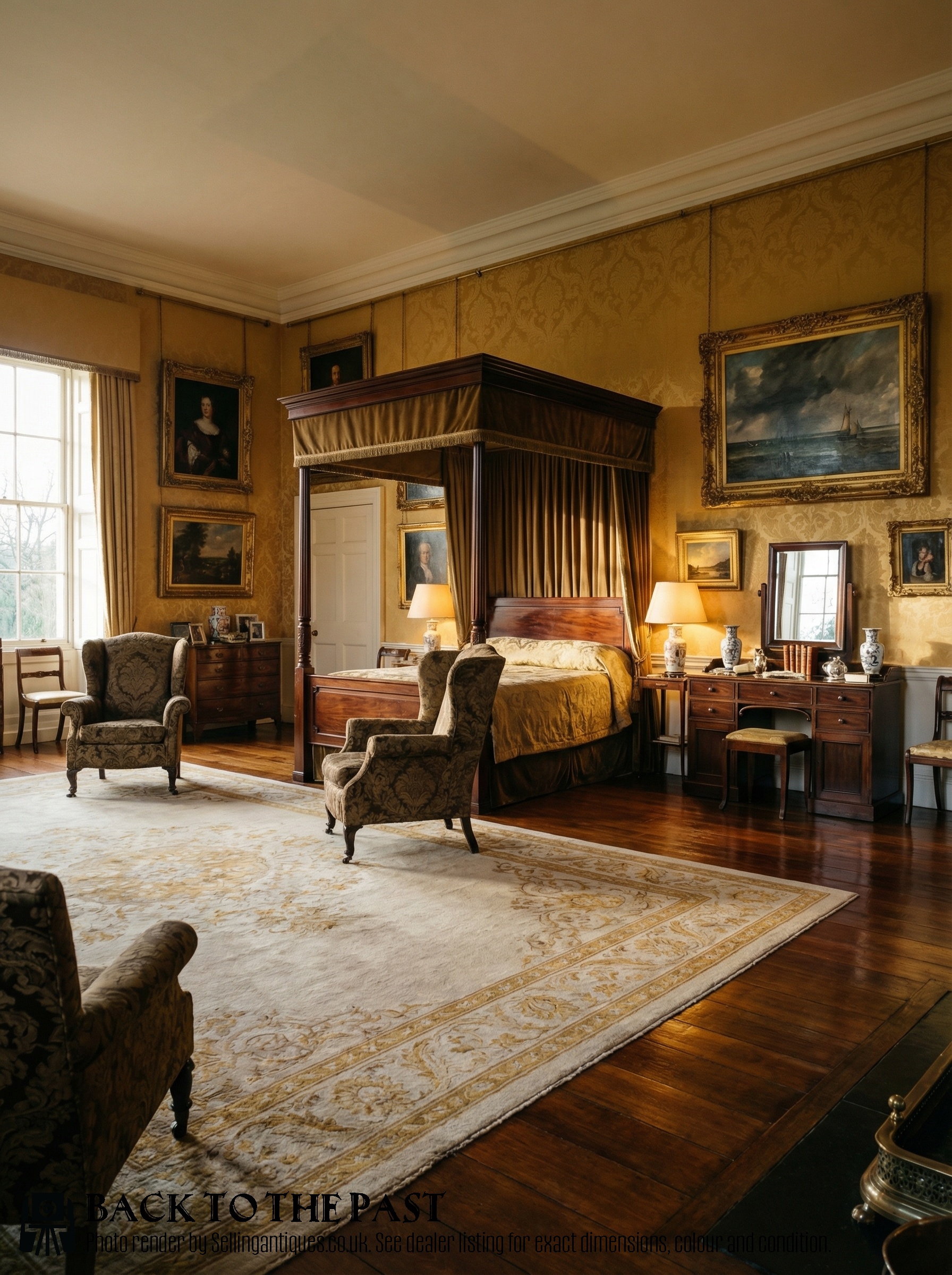
Identifying an antique bedroom dressing table
When searching for an antique bedroom dressing table, buyers encounter a range of forms spanning the Georgian, Victorian, and early twentieth-century periods. These pieces often appear as standalone dressing tables, console tables, or as part of larger matching bedroom suites alongside wardrobes and washstands.
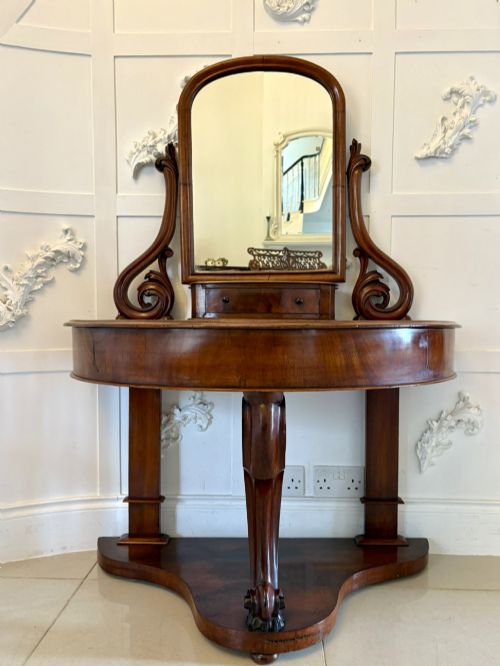
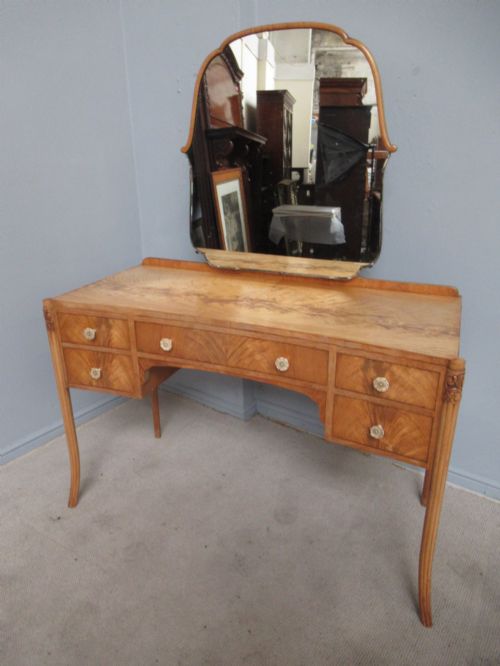
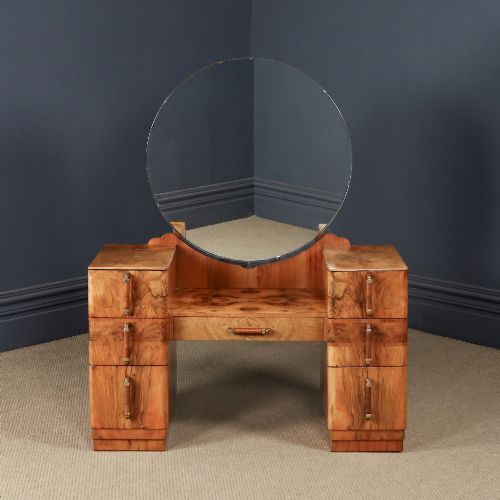
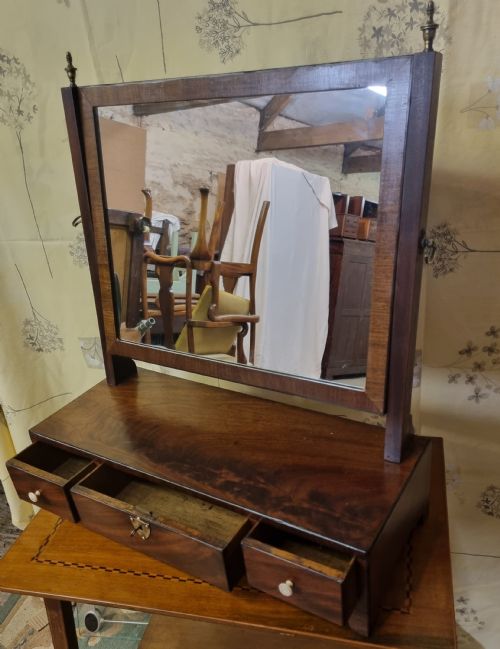
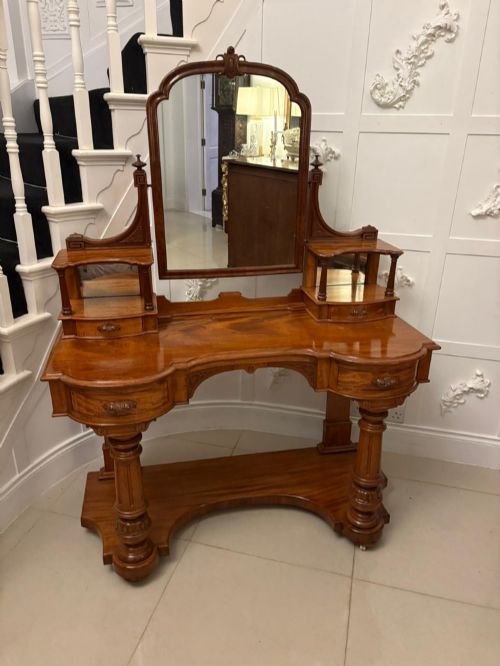
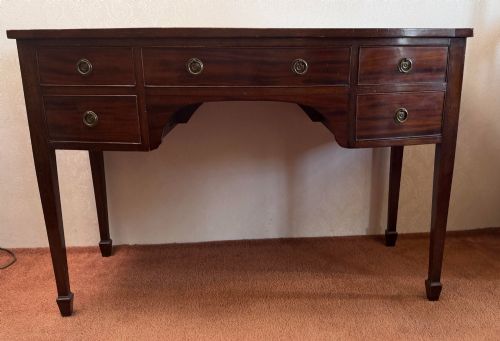
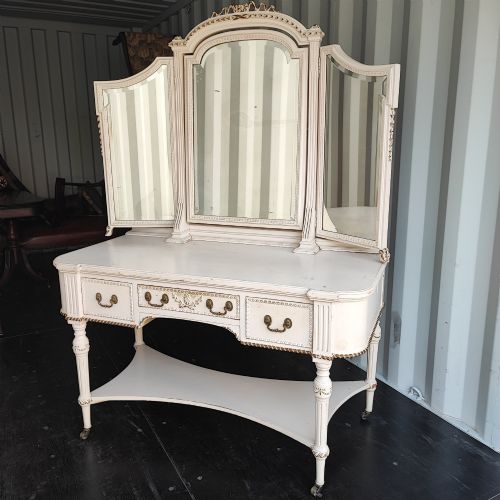
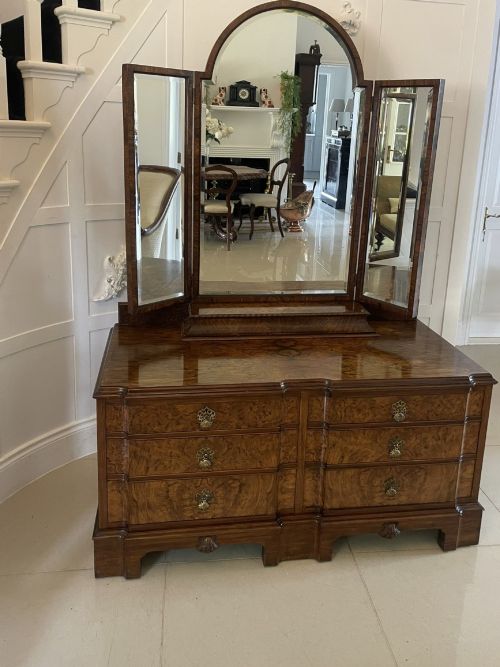
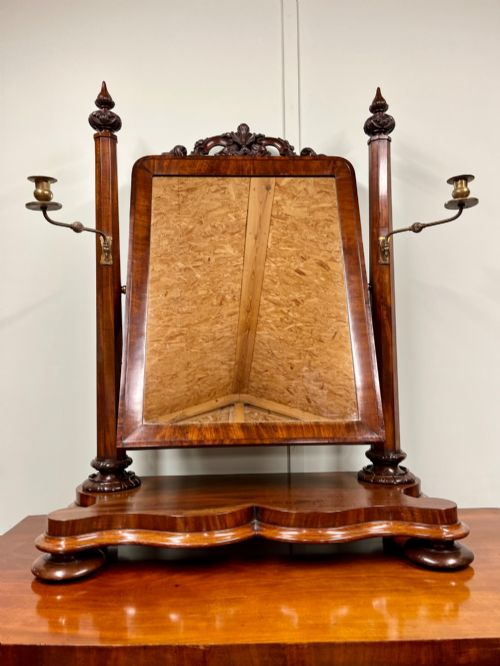
The version most commonly met on this page is the mahogany or walnut Victorian or Edwardian dressing table, frequently featuring integrated tilting mirrors and multiple small drawers for personal items. Examples range from simple kneehole designs to elaborate French revival models incorporating crossbanding and brass mounts.
Early forms include late Georgian gentleman's dressing tables with specialised internal compartments, evolving by the late nineteenth century into larger vanity stands with mirrored glass. Oak, pine, satinwood, and pollard oak also appear, reflecting the diverse wood preferences of each historical era.
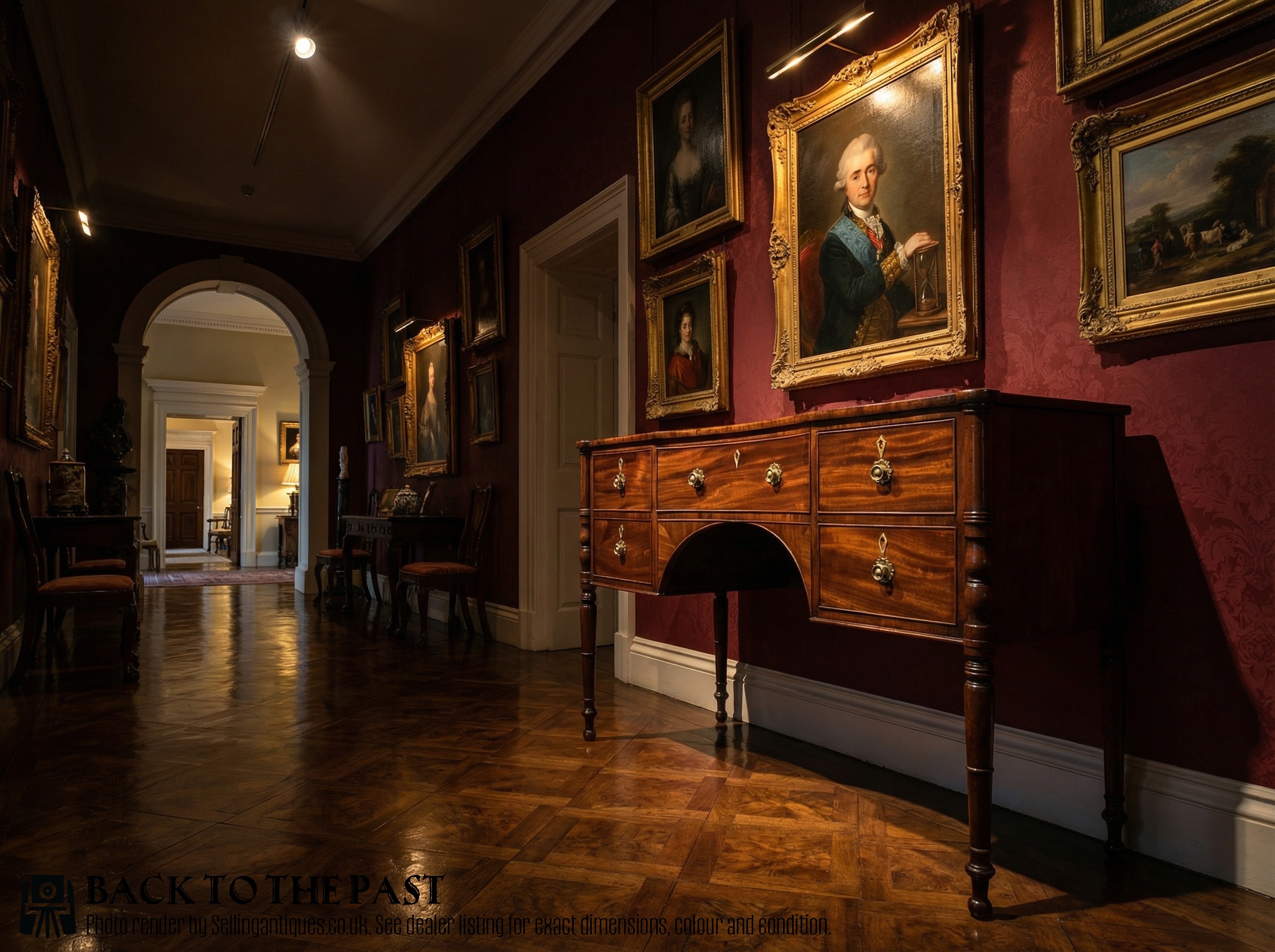
Materials and construction methods
Construction relies heavily on timbers such as mahogany, walnut, burr walnut, kingwood, rosewood, oak, and pine, frequently enhanced with veneers and crossbanding. Cabinetmakers utilised dovetail joints for drawer construction and applied decorative brass handles, hinges, and mounts.
Surfaces often feature polished wood finishes alongside inset marble tops or gilt details, while mirrors incorporate bevelled or plain mirrored glass supported by adjustable wooden frames. Specific stylistic revivals introduced turned elements like barley twist legs and carved woodwork characteristic of Jacobean, Rococo, or Empire influences.
Retail Price Guide 2026
Typical UK retail prices for bedroom dressing table, calculated from the Sellingantiques database of over a million retail prices indexed since 2003. This retail price guide relies exclusively on Sellingantiques data; no external sources or auction records are used, so the figures do not describe the wider market.
Distinguishing quality in period dressing tables
Quality varies according to the selection of timber veneers, such as richly figured burr walnut or masterfully matched kingwood and rosewood crossbanding. Superior examples display meticulous attention to interior drawer linings, solid secondary woods, and the structural integrity of integrated mirror supports.
The refinement of carved details, brass hardware, and inlay work separates standard utility pieces from high-status commissions. Consistency in period-appropriate joinery and the survival of original glass and fittings ultimately dictate the standing of an individual table.
Maple and Co
The Antique Bedroom Dressing Table Glossary
- Crossbanding
- A border strip of veneer laid around the perimeter of a drawer front or table top with the grain running perpendicular to the centre panel. This technique frames the primary wood and demonstrates cabinetmaking skill.
- Kneehole
- A central recessed space beneath a dressing table or desk designed to accommodate the user's legs. It is flanked by vertical stacks of small drawers.
- Burr walnut
- A mottled, highly figured wood grain harvested from walnut tree growths or burls. It is prized for its decorative swirling patterns on table tops and drawer faces.
- Gentleman's dressing table
- An early form typically dating from the Georgian period equipped with internal compartments and mirrors designed for male grooming.
- Barley twist
- A type of turned furniture leg resembling a spiral rope. It appears frequently on oak furniture from revival periods.
Frequently Asked Questions
What periods do these dressing tables cover?
The selection encompasses pieces from the Georgian era through the Victorian period and into the early twentieth century, including Edwardian and 1920s examples.
Design styles shift from austere lines and gentleman's vanities to ornate French revivals and matching bedroom suites.
How were dressing tables used historically?
They served as dedicated spaces for grooming, personal hygiene, and storing cosmetics, brushes, and jewellery within fitted drawers and compartments.
Many included adjustable mirrors to assist with dressing and hair styling before the widespread use of fitted wardrobe mirrors.
Are mirrors original to the tables?
Many dressing tables retain their original pivoting glass and supporting wooden frames, particularly Victorian and Edwardian models designed as unified pieces.
Due to the fragile nature of glass over time, some mirrors may show replacement or restoration while maintaining the historic profile of the base.
Do these tables come as part of suites?
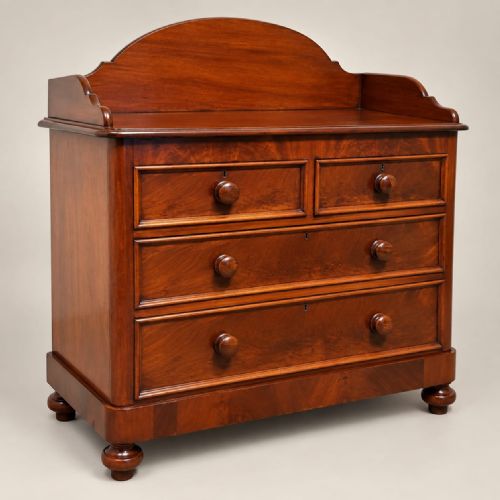
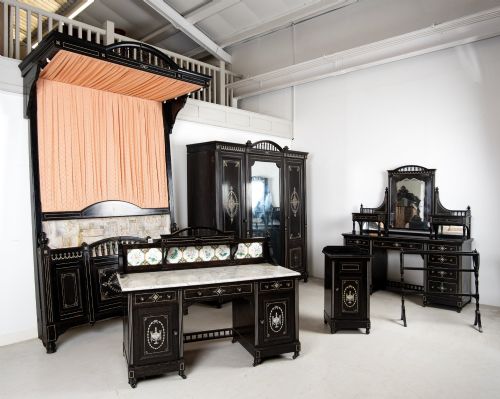
Several listings originate from larger bedroom suites that include matching wardrobes, washstands, chests of drawers, and pot cupboards.
These coordinated sets reflect late nineteenth and early twentieth-century domestic furnishing fashions where furniture was purchased as a unified collection.