

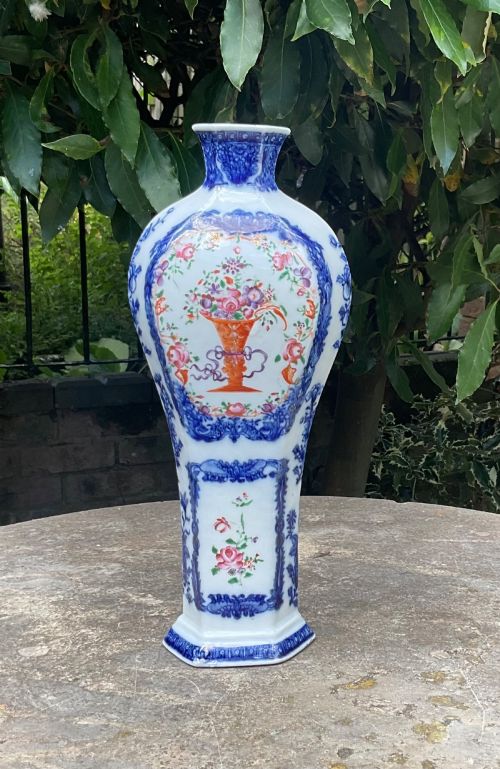
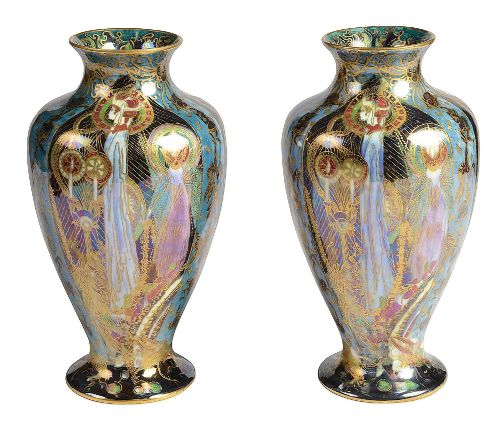
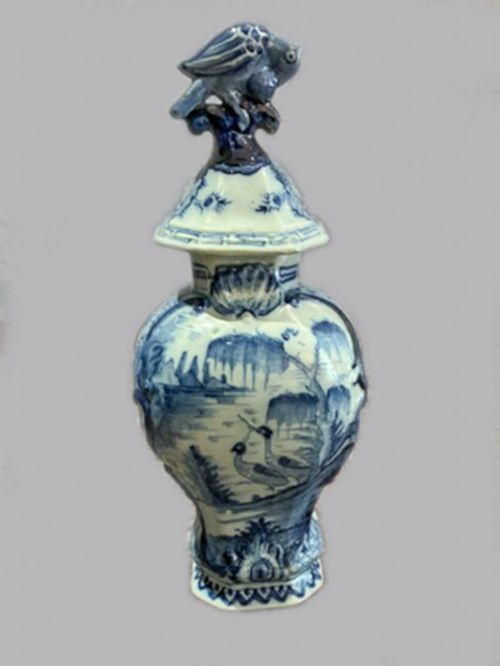
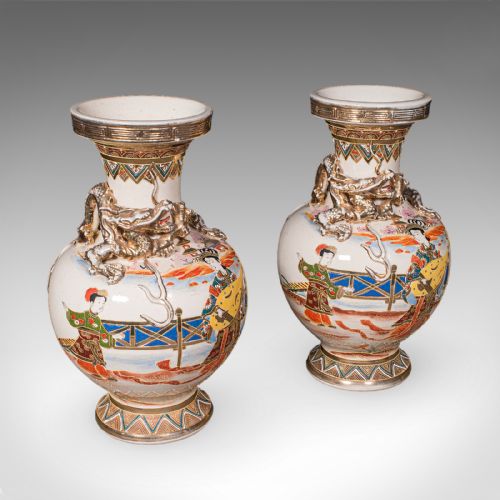
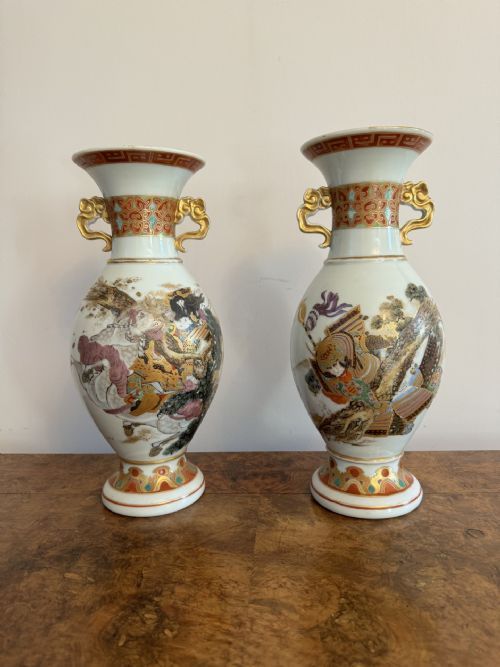
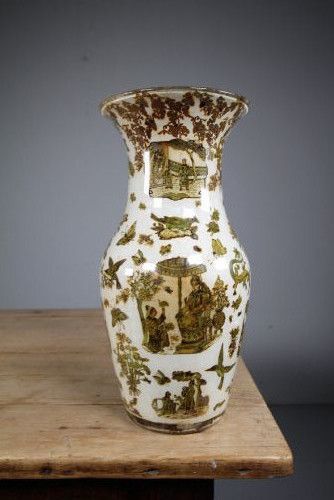
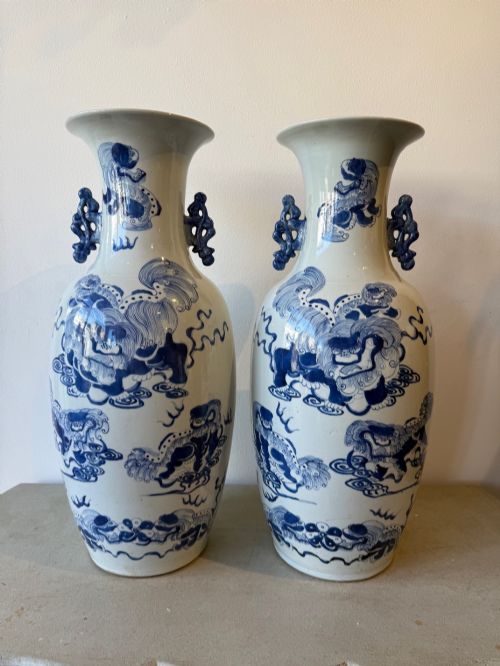
Antique Baluster Vase
An antique baluster vase brings a graceful, swelling profile to a room, carrying centuries of ceramic and metalworking skill in its curving silhouette.
How They Were Made
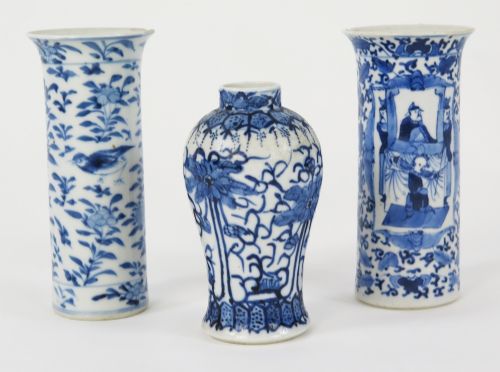
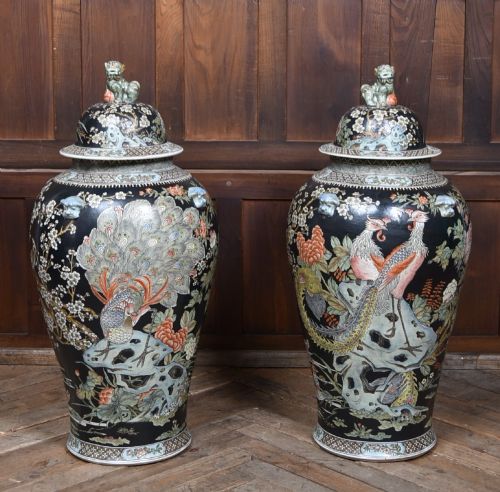
Ceramic examples rely on thrown or moulded clay bodies finished with opaque tin-glazes, cobalt blue underglazes, or polychrome enamel palettes that require multiple kiln firings. Artisans often applied raised relief work, gold leaf accents, and intricate hand-painted motifs directly onto the porcelain or earthenware surface.
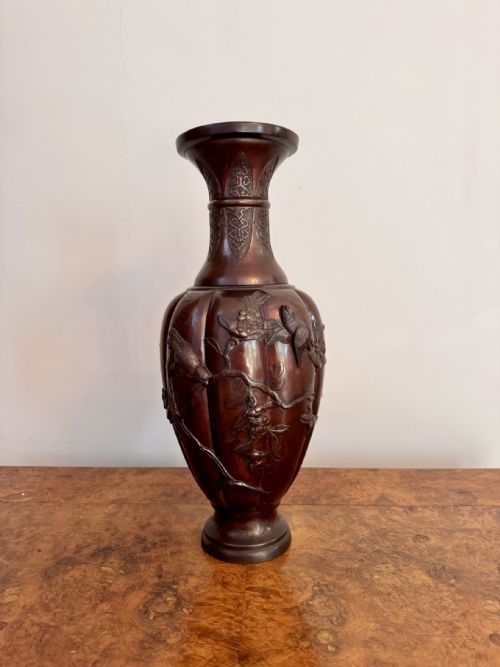
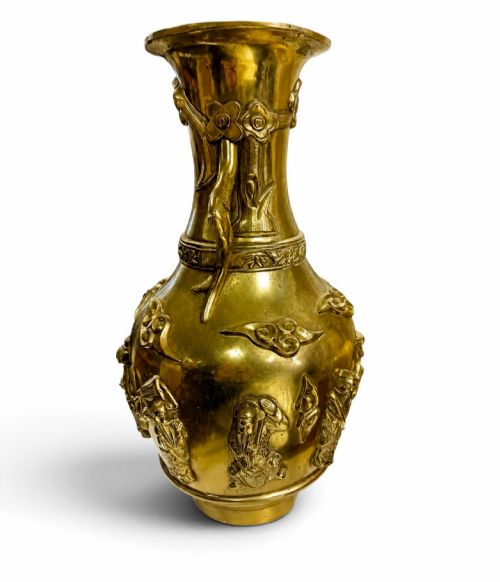
Metal versions utilise bronze, copper-alloy, and silver techniques such as champlevé enamel inlay, high-relief casting, and patination. Metalworkers sculpted detailed handles, such as dragons or egrets, integrating them seamlessly into the robust baluster body.
What Varies in Quality
The distinction between standard production and masterwork execution lies in the crispness of the modelled relief, the precision of the hand-painted brushwork, and the depth of the glaze. Superior examples display balanced proportions, controlled pigment application without running, and deliberate attention to fine interior and base finishes.
Material richness also dictates standing, with heavier bronze castings, complex multi-fired enamels, and signed studio pieces commanding greater artistic recognition than repetitive factory-turned wares.
Listings feature items spanning the seventeenth through the early twentieth centuries, encompassing European earthenware and East Asian export ceramics.
Wedgwood Fairyland Lustre·Royal Doulton stoneware·Makuzu Kozan·William Moorcroft
The Antique Baluster Vase Glossary
- Baluster
- A vertical, moulded shaft with a swelling lower belly and a narrow neck. This defining architectural profile translates directly to the pottery and metal vessels found in these listings.
- Imari
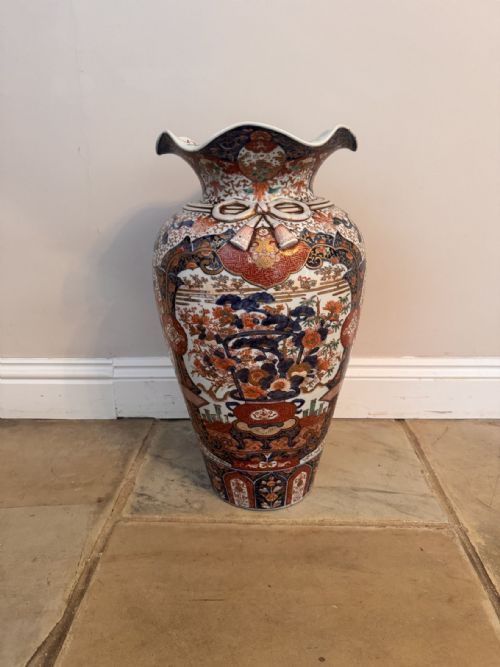
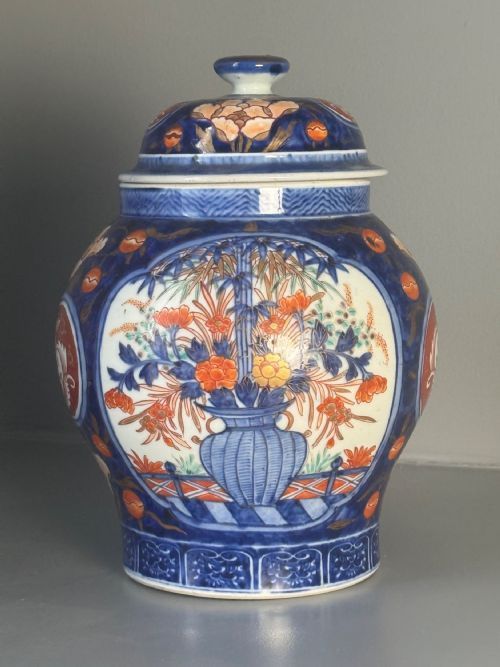
- A traditional style of Japanese export porcelain characterised by a distinct palette of underglaze blue, iron red, and added gold highlights. These pieces were heavily produced during the Edo and Meiji periods for international markets.
- Satsuma
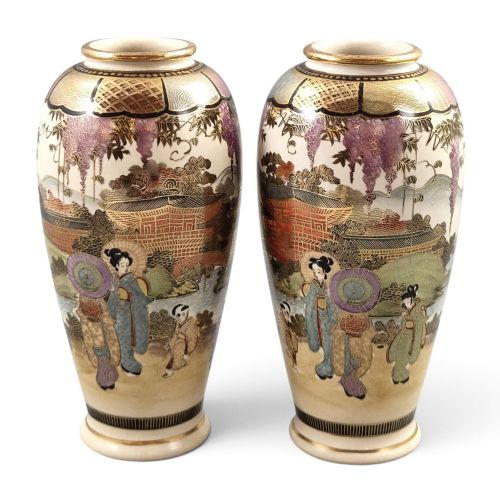
- A type of Japanese earthenware featuring a fine, ivory-coloured crackle glaze typically decorated with elaborate polychrome enamels and gilding. It gained immense popularity in the West during the late nineteenth century.
- Tin-Glazed Earthenware
- Pottery coated with a white, opaque tin oxide glaze that provides a smooth background for painted decoration, as seen in traditional Dutch Delftware. The technique allows pigments to sink slightly into the wet glaze during painting.
- Famille Rose
- A prominent palette of opaque pink and rose enamels introduced to Chinese ceramics during the Qing Dynasty. Artisans used these soft tones to render detailed floral, figurative, and narrative scenes.
Antique Baluster Vase: Frequently Asked Questions
What defines a baluster vase shape?
A baluster vase is recognised by its characteristic profile, featuring a wide, rounded lower body that gently tapers upward into a narrow neck and flared rim. This graceful silhouette derives from architectural balusters used on staircases and railings.
Craftsmen across various centuries and cultures adopted this harmonious contour because it provides stability while offering a broad surface area for complex painted or relief decoration.
How do I care for antique ceramic vases?
Antique ceramics and porcelains require gentle handling and placement away from direct sunlight to preserve the stability of historic glazes and enamels. Dust them regularly with a dry, soft cloth rather than using chemical cleaning agents.
If the vessel holds water for floral displays, check the interior for hairline fractures first, and use a removable inner container to protect the historical body from moisture damage.
How can I tell Japanese Imari from Chinese porcelain?
Japanese Imari typically displays a slightly denser, heavier body with a greyish-white base tone, featuring iron red, cobalt blue, and dense gilding in crowded pictorial compositions. Chinese export porcelain often presents a brighter, whiter paste with more sparing underglaze blue or famille palette designs.
Examining the foot ring and the style of the base glaze provides further clues regarding the regional origin and kiln practices of the period.
Were these vases made for display or use?
Many large baluster vessels, particularly monumental floor-standing pieces and covered jars, were created primarily as decorative centrepieces or garniture sets for elite interiors. Smaller versions functioned practically as floral containers or scholar's desk items.
Over time, numerous surviving examples transitioned entirely into decorative art objects due to their historical significance and fragile craftsmanship.