
Antique Asian Vessel
An antique asian vessel brings centuries of craftsmanship into a room through bronze, porcelain, and cloisonne works shaped for ritual, display, and scholarly use.
Antique Asian Vessel
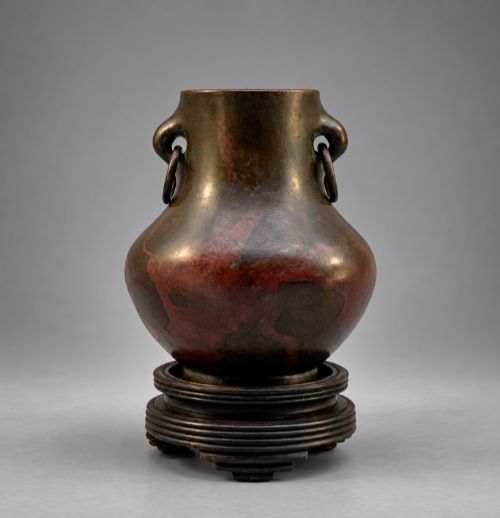
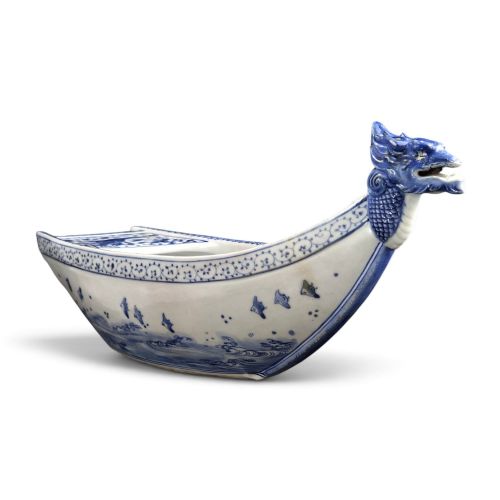
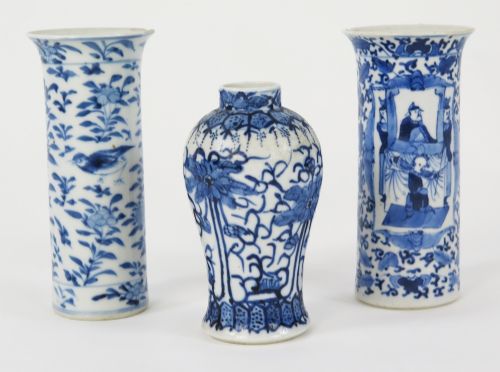
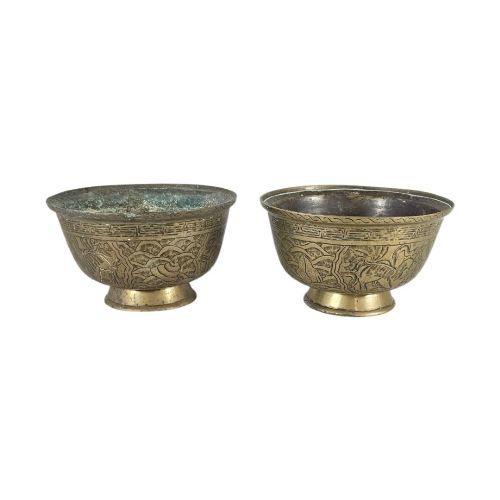
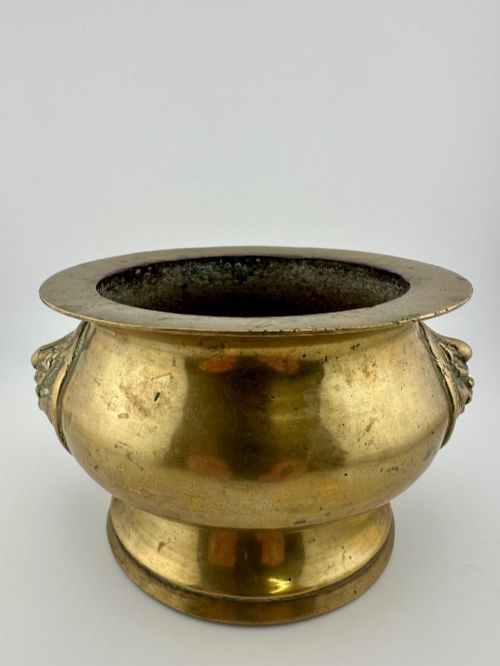
An antique asian vessel encompasses a diverse group of objects designed for ritual, domestic display, and scholarly pursuits across China, Japan, and Tibet. These items include tripod censers, ceremonial ewers, decorative vases, water pots, and ritual wine vessels spanning from the Ming and Qing dynasties to the Meiji period.
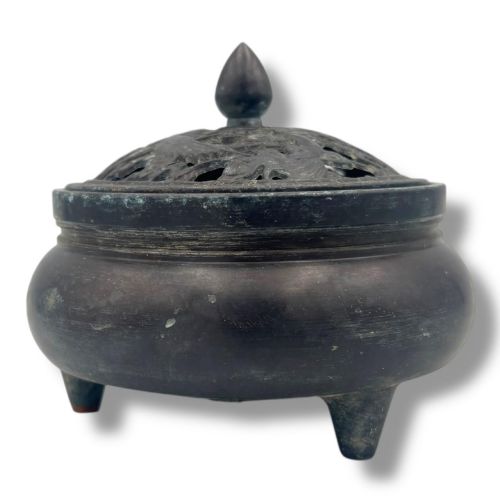
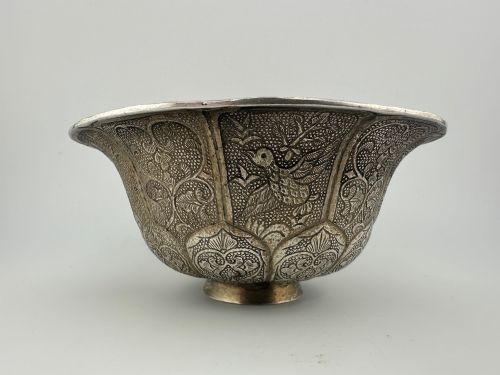
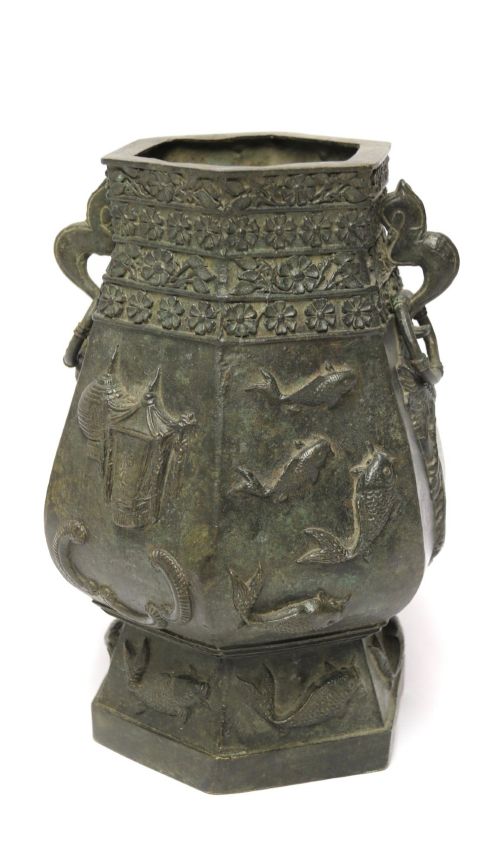
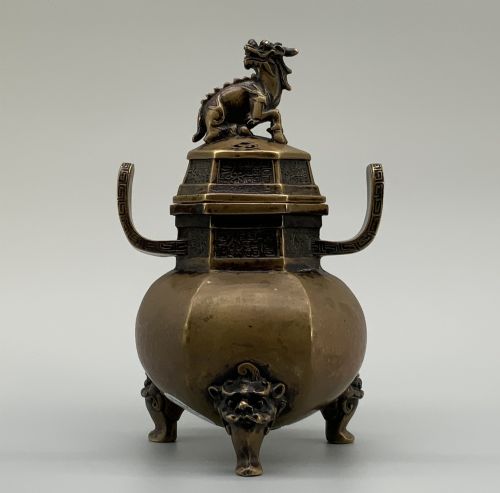
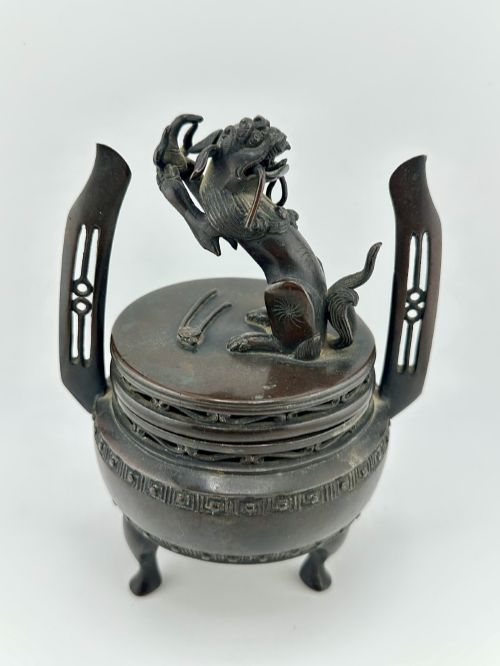
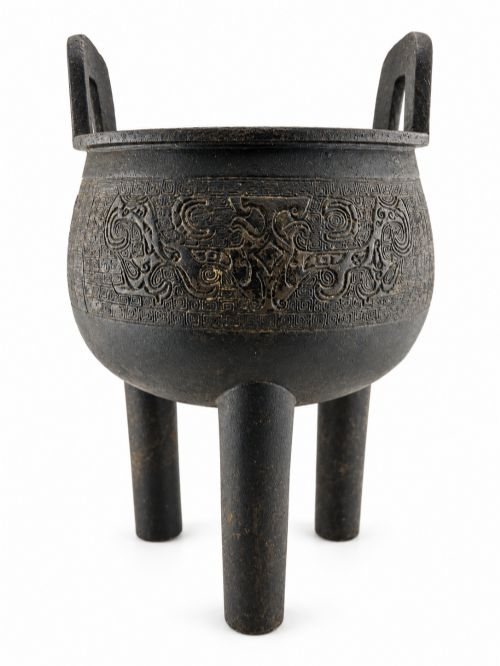
The version most commonly encountered on this page is the bronze censer or vase, often decorated with archaistic motifs, animal finials, or relief panels. Alongside these metalwork pieces, buyers frequently find porcelain bowls, cloisonne vases, and carved wooden forms originating from various Asian workshops and periods.
How they were made
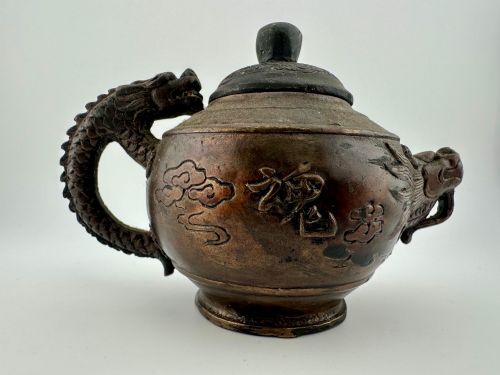
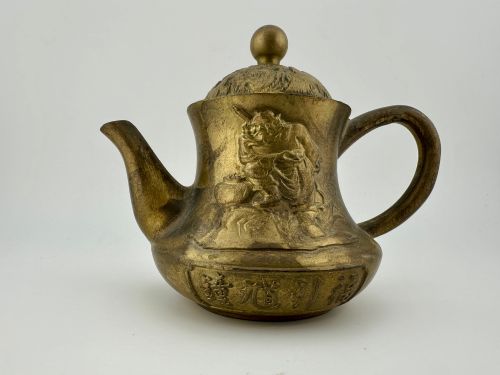
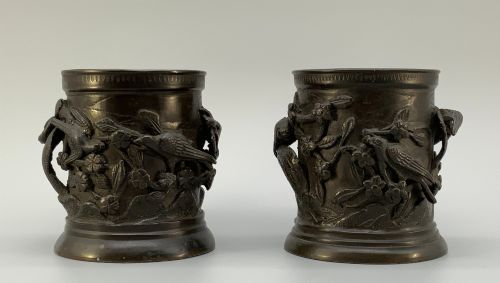
Metal vessels rely on casting techniques, particularly bronze and copper-alloy work, where artisans shape ritual vessels, tripods, and vases with considerable heft. Many of these cast pieces incorporate applied details, inlaid metalwork, or hand-carved relief panels depicting figures, birds, and floral motifs.
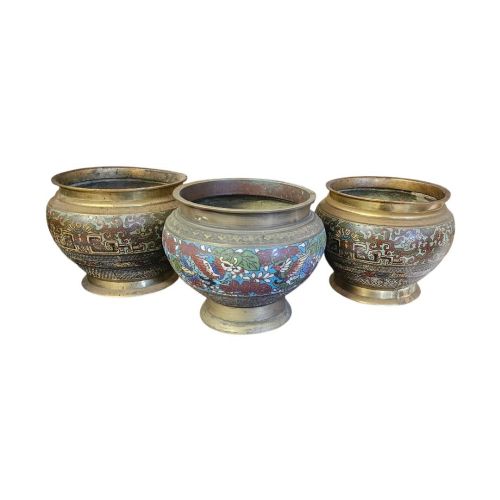
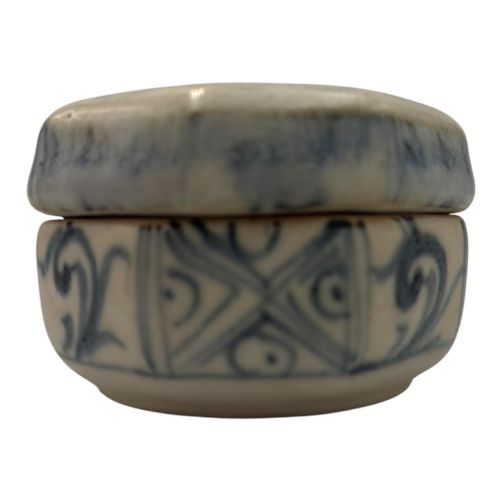
Ceramic and enamel works utilise traditional firing and glazing methods, including porcelain production, blue and white decoration, painted enamel on copper, and detailed cloisonne work. Skilled hands shape wood, lacquer, and horn into specialised vessels, combining functional utility with intricate surface ornament.
Yak butter tea pots make occasional appearances alongside delicate lacquer cups and ritual wine vessels.
What varies in quality
Quality rests upon the precision of the casting, the crispness of the relief or carved detail, and the overall weight and balance of the object. Heavier bronze pieces with well-defined archaistic motifs and integrated handles demonstrate a higher standard of workshop execution.
Surface finish and decorative complexity distinguish finer works, whether through controlled enamel placement in cloisonne pieces, delicate underglaze painting on porcelain, or the harmonious integration of custom stands and fitted covers.
KANASAWA
The Antique Asian Vessel Glossary
- Censer
- A vessel designed for burning incense during rituals or scholarly reflection. These are frequently supported by three legs and equipped with a fitted cover.
- Cloisonne
- An enamelwork technique where metal wires are soldered to a base to form compartments filled with coloured paste and fired. This method creates vibrant, patterned surfaces on vases and bowls.
- Archaistic
- A stylistic choice where later makers deliberately emulate the forms, shapes, and decorative motifs of ancient ritual bronzes from earlier dynasties. This approach honours historical aesthetics.
- Koro
- A Japanese term for an incense burner, often featuring decorative feet, a pierced lid, and animal finials such as the karashishi or mythical lion.
- Celadon
- A type of green-glazed ceramic that mimics the appearance of jade, produced extensively during historical periods like the Ming dynasty.
Antique Asian Vessel: Frequently Asked Questions
What is a tripod censer used for?
A tripod censer served primarily for burning incense in temples, homes, and scholar's studios across historical Asian societies. These three-legged vessels helped create a meditative atmosphere and often functioned as decorative centerpieces.
Over time, they evolved into prized display objects collected for their sculptural form, patination, and intricate lid finials.
How do I identify the period of a bronze vessel?
Dating relies on examining the casting quality, surface patination, weight, and any inscribed workshop marks or reign characters present on the base. Archaistic styles often reference much older dynasties while reflecting the manufacturing techniques of their actual production era.
Comparing handles, decorative motifs, and alloy composition alongside known historical examples helps narrow down the century of manufacture.
How should I display an antique bronze vase?
Bronze vessels benefit from stable display surfaces away from direct moisture, allowing their natural patinas and relief details to catch ambient light. Placing them where their weight and proportions can be appreciated highlights their sculptural qualities.
Some pieces pair with custom hardwood stands that elevate the form and complete the traditional presentation.