


Antique Asian Tea Tables
These antique asian tea tables bring together centuries of craftsmanship, offering low surfaces and nested tiers shaped by Chinese, Japanese and Burmese traditions.
Antique Asian Tea Tables
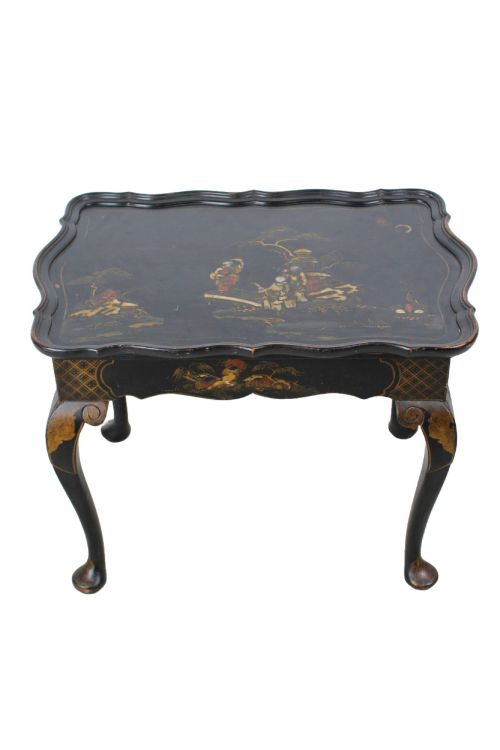
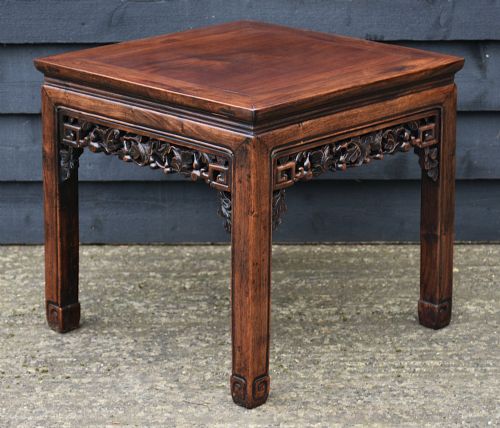
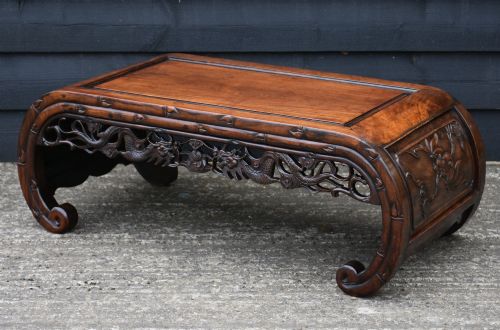
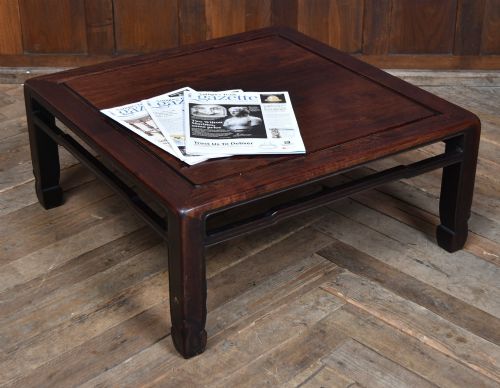
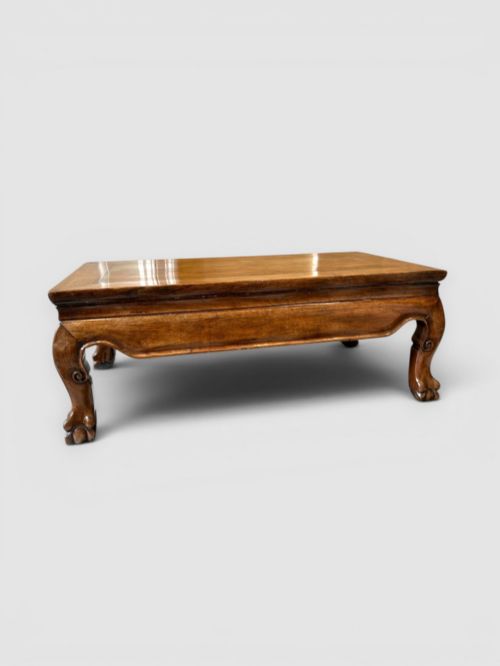
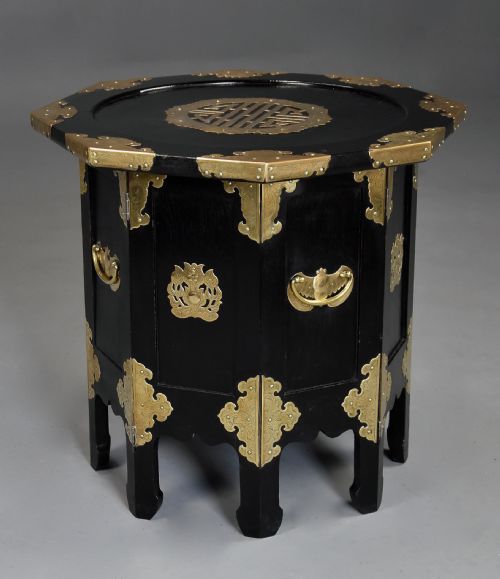
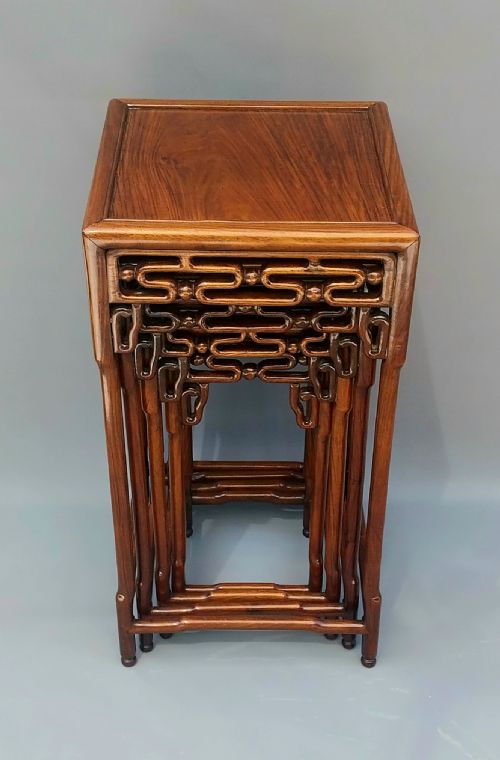
Antique asian tea tables encompass low opium tables, nests of four tables, and low coffee tables originating from the nineteenth and early twentieth centuries. These pieces reflect diverse forms including scroll-end kang tables, octagonal occasional tables, and low elm surfaces designed for kneeling or low seating.
The selections span Chinese Qing Dynasty production, Chinese export pieces, and Edwardian chinoiserie interpretations alongside Japanese and Burmese examples. Buyers most frequently encounter nineteenth-century hardwood low tables and elm coffee tables alongside nested sets.
Materials and Construction
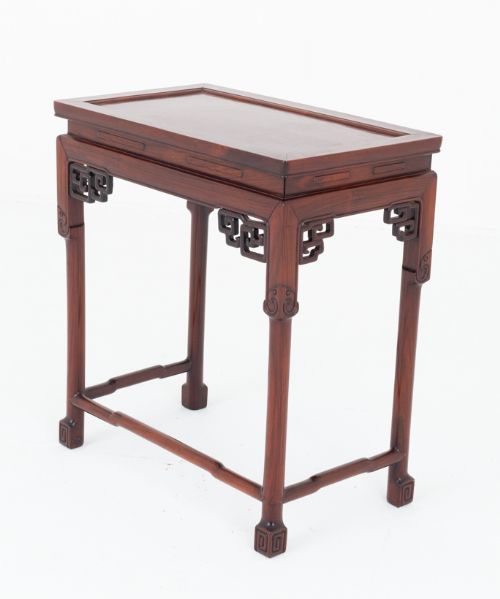
Construction relies heavily on dense timbers such as rosewood, hongmu, padouk, huali, and rustic elm, often shaped into sturdy frames without nails. Artisans utilised traditional joinery alongside hand-carved dragon details and scroll ends.
Surfaces frequently feature deep red lacquer, ebonised finishes, and inlaid brass details. Certain forms incorporate marble inserts or tray tops to protect the underlying timber from heat and moisture during tea service.
Listings feature woods such as rosewood, hongmu, elm, and padouk, alongside lacquer and marble.
Evaluating Quality
Quality rests upon the crispness of hand-carved dragon motifs and scroll ends, where deeper relief and sharper lines distinguish superior workshops from simpler village production. The choice of dense rosewood or hongmu indicates higher ambition than standard elm.
Structural integrity relies on the tightness of traditional joinery and the preservation of original lacquer or polished hardwood surfaces. Tables retaining matching sets, such as four nested tables, demonstrate higher coordination in manufacture.
The Antique Asian Tea Tables Glossary
- Kang table
- A low platform table traditionally used on a heated brick bed in northern China for dining, writing, or serving tea. These pieces sit directly on the floor or feature very short legs.
- Opium table
- A common term for a low rectangular or square table used in domestic interiors across Asia. They provide a sturdy surface at floor level.
- Hongmu
- A dense, heavy Chinese hardwood prized for furniture making, translating literally to red wood. It encompasses several durable timber species including rosewood.
- Chabudai
- A short-legged traditional Japanese table used for partaking in meals or tea while kneeling on tatami mats. They are portable and easily cleared away when not in use.
- Nest of tables
- A set of graduated tables designed to fit neatly one beneath another to save space in a room. They separate easily when guests arrive for tea.
Antique Asian Tea Tables: Frequently Asked Questions
What is an opium table used for today?
These low tables function well as modern coffee tables placed in front of low seating or sofas. Their compact height creates a grounded focal point in a living room.
They also serve as display surfaces for ceramic bowls, lamps, or books, adding texture and historical depth to contemporary interiors.
How do I care for antique hardwood tables?
Maintain the timber by dusting regularly with a soft, dry cloth and avoiding placement near direct heat sources or strong sunlight. These precautions prevent the wood from drying out or splitting.
Apply occasional natural wax feeds if the finish appears dull, rubbing gently in the direction of the grain. Avoid liquid polishes containing silicones.
Where were nests of tables used?
Nests of tables originated to provide flexible surface space during gatherings without cluttering the room. Individual tables could be pulled out to hold teacups or books and then stacked away.
In period homes, they sat in parlours or drawing rooms ready for afternoon tea service.
What is the difference between Chinese and Japanese tea tables?
Chinese tea tables often feature dense hardwoods like rosewood or hongmu with elaborate dragon carvings and scroll ends. They reflect formal Qing Dynasty aesthetic traditions.
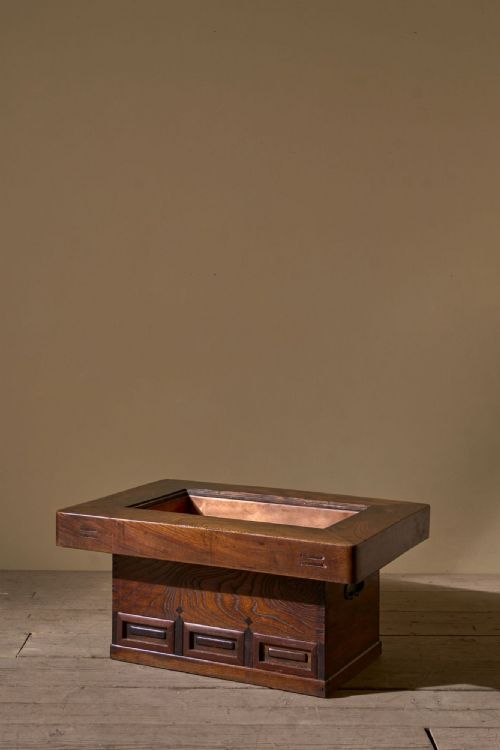
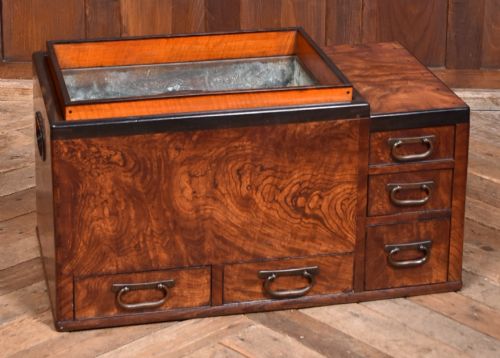
Japanese examples, such as chabudai or hibachi tables, tend to utilise elm or ebonised wood with simpler lines designed for kneeling lifestyles on tatami flooring.