


Antique Asian Enamelware
Antique asian enamelware brings together intricate metalwork and vitreous glass from the 18th, 19th, and early 20th centuries to display distinct decorative art.
Antique Asian Enamelware
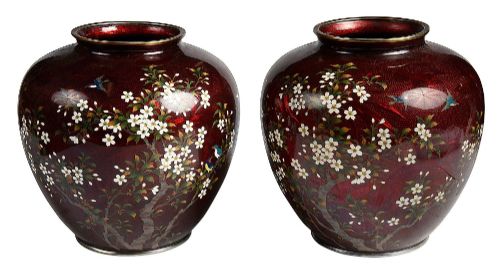
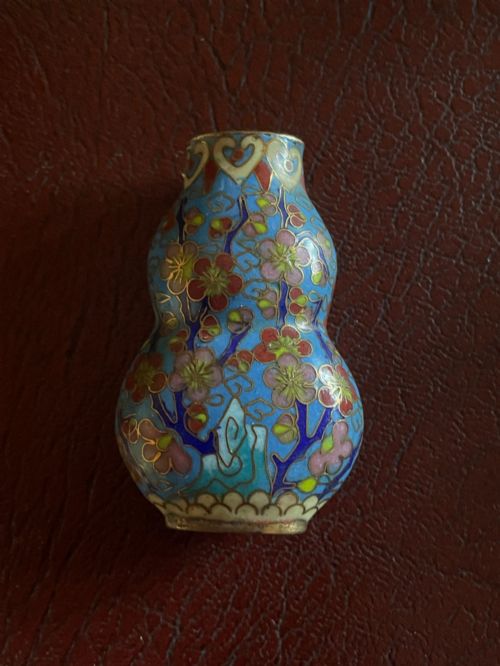
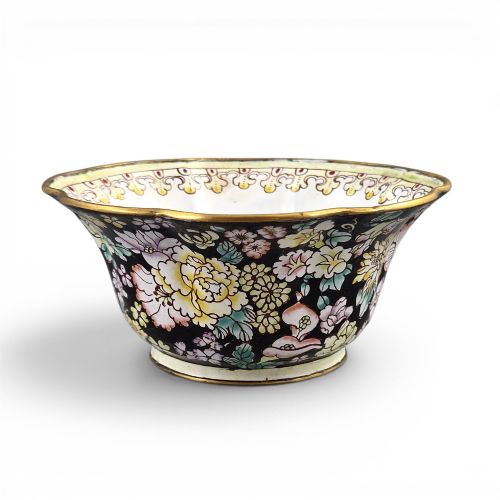
When searching for antique asian enamelware, buyers encounter vessels and decorative objects originating from Japanese and Chinese traditions. These pieces include vases, chargers, bowls, jars, and snuff boxes that reflect distinct historical periods such as the Meiji period, Qing dynasty, and Edo period.
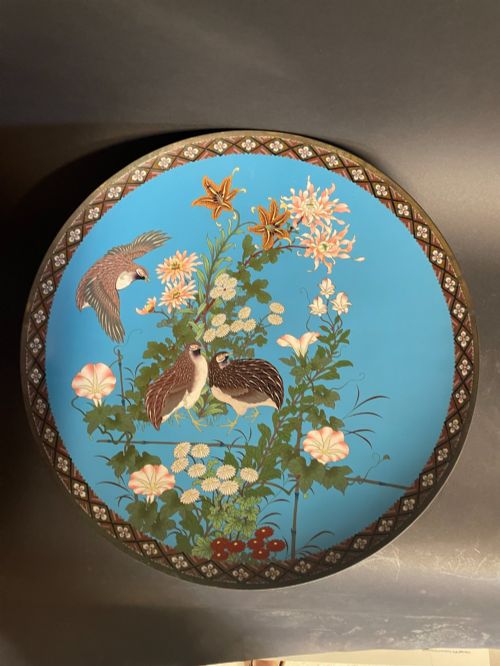
Vases and lidded jars form a large portion of the available selection, alongside large chargers depicting birds, dragons, and figures. Table lamps and tea pots also appear, adapting traditional forms into decorative items suitable for domestic interiors.
The objects stem from Chinese export decorative art and Japanese craftsmanship spanning the 18th, 19th, and early 20th centuries. Each form demonstrates the specific aesthetic preferences of its era, combining metal vessels with colourful surface decoration.
How these pieces were made
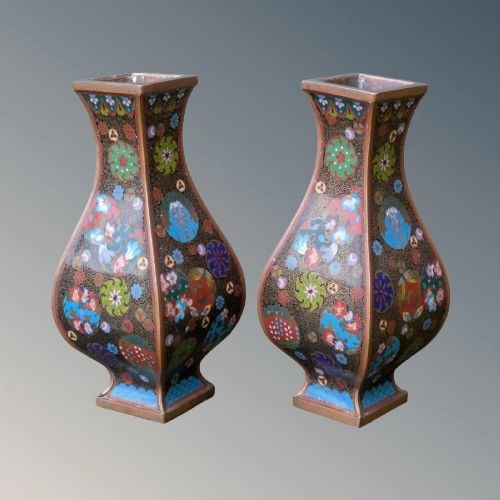
Maker workshops utilised copper, brass, bronze, and gilt metal as foundational bases for applying vitreous enamel decoration. Artisans shaped these metals into vessels, bowls, and plates before fusing powdered glass surfaces to the metal body through kiln firing.
Cloisonne enamel technique involved soldering thin metal wires onto the base to form partitioned cells, which were then filled with coloured enamel pastes. Painted enamel on copper required direct application of pigments onto the metal surface, creating detailed pictorial scenes without raised wire boundaries.
Antique Asian Enamelware Retail Price Guide 2026
Typical asking prices for asian enamelware among the pieces listed under this phrase on Sellingantiques today, from the lower quarter to the upper quarter. They describe what is for sale here now, not the wider market.
Elephants and ewers occasionally join the vases and bowls, proving that artisan metalworkers enjoyed shaping anything with a sturdy backbone.
What varies in quality
The refinement of the wirework and the precision of the enamel filling dictate the visual standard of cloisonne pieces. Tighter, more intricate wire patterns require greater technical skill from the artisan.
Complexity of subject matter, such as detailed bird or dragon motifs, separates standard decorative items from superior examples. Signed pieces by recognised makers demonstrate higher levels of execution in both metal shaping and surface polishing.
Kozan
The Antique Asian Enamelware Glossary
- Cloisonne Enamel
- A technique where thin metal wires are applied to a metal base to create cells filled with enamel paste. These wires remain visible on the finished surface.
- Champleve Enamel
- A method where troughs or cavities are dug into the metal surface to hold the enamel. The remaining metal forms the borders between the coloured areas.
- Meiji Period
- A Japanese historical era lasting from 1868 to 1912. This period saw significant advancements in decorative arts exported internationally.
- Qing Dynasty
- The last imperial dynasty of China, ruling from 1644 to 1912. Enamelware from this time often featured complex painted designs and rich colours.
- Charger
- A large decorative plate intended for display rather than dining use. These pieces frequently feature elaborate bird or dragon decoration across the surface.
Antique Asian Enamelware: Frequently Asked Questions
What is cloisonne enamelware?
Cloisonne enamelware is a decorative metal object featuring partitioned glass enamel designs. Thin wires are soldered onto a copper or brass base to create compartments filled with coloured paste.
After firing in a kiln and polishing, the metal wires remain visible on the surface to outline the pattern.
How do I care for antique enamel pieces?
Antique enamel objects require gentle handling and should be kept away from direct sunlight and moisture. Dust them regularly with a soft, dry cloth.
Avoid using liquid cleaners, abrasive pads, or chemical polishes that can damage the delicate metal and glass surfaces.
How can I tell Japanese from Chinese pieces?
Japanese pieces from the Meiji and Edo periods frequently utilise precise, delicate wirework and naturalistic motifs like birds and foliage. Chinese items from the Qing dynasty often display bolder colour palettes and distinct traditional symbols.
Examining the metal base, weight, and overall style helps identify the region of origin.
Were these items made for export?
Many enamel vases, chargers, and bowls from the 19th century were produced specifically for international export markets. Western demand influenced the scale and decorative themes of items created during the Meiji and late Qing periods.
These exported objects combined traditional Asian craftsmanship with styles appealing to foreign buyers.