



Antique Armorial Dish
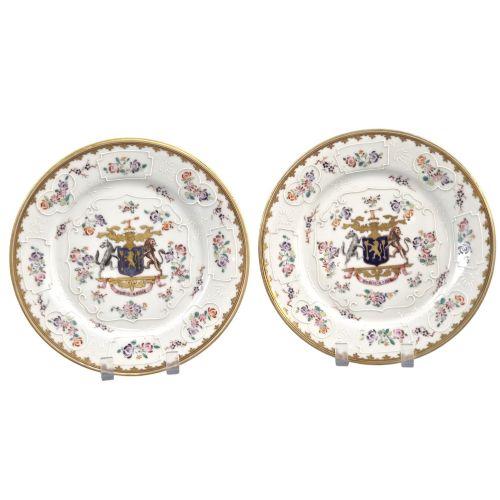
An antique armorial dish bears painted or engraved coats of arms, crests, and family badges intended to signal lineage and status on the dining table.
Antique Armorial Dish
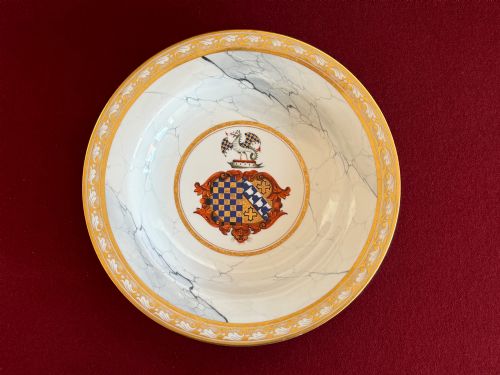
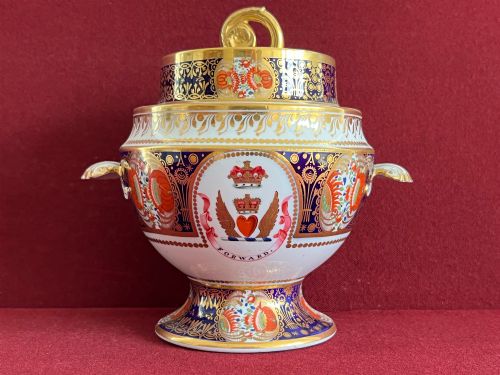
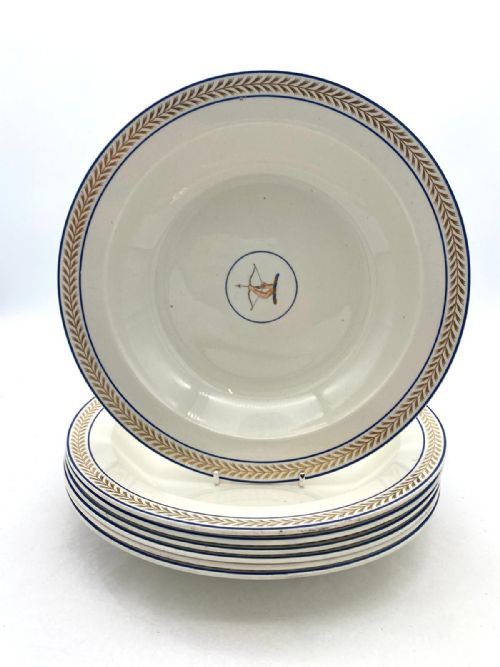
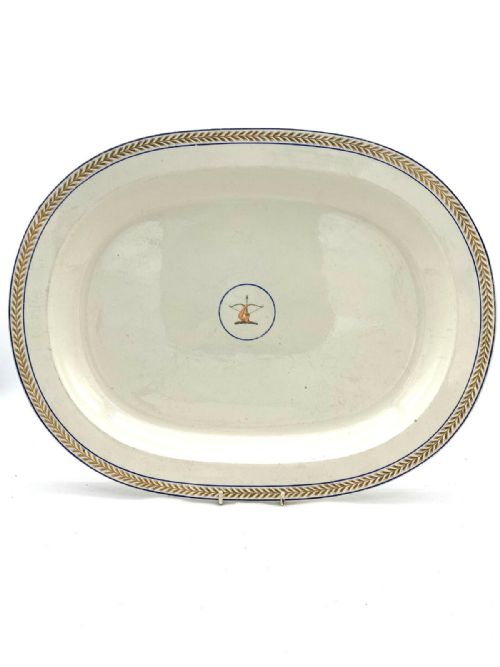
An antique armorial dish serves as a tangible record of family lineage, bearing hand-painted coats of arms, crests, or mottoes commissioned by nobility and prominent households. The items found here span decorative plates, soup plates, serving platters, and dessert plates produced across the eighteenth and nineteenth centuries.
Buyers will encounter English porcelain, creamware, earthenware, and pewter alongside Chinese export porcelain made specifically for the European market. These pieces range from formal nineteenth-century dessert services to earlier eighteenth-century soup bowls and chargers bearing distinct heraldic charges.
The heraldry painted or engraved upon each piece identifies the original commissioning family, connecting tableware directly to historical peerages and landed gentry. Surviving examples demonstrate how dining services functioned as public displays of status and identity during formal meals.
Materials and production methods
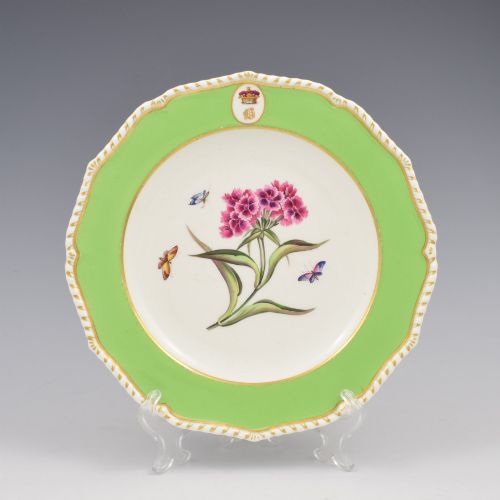
Makers utilised ceramic bodies including porcelain, creamware, and earthenware, shaping them into plates, platters, bowls, and chargers before applying white or tinted glazes. Enamel paints, gilding, and gold leaf were then hand-applied to render complex coats of arms and botanical borders with precise detail.
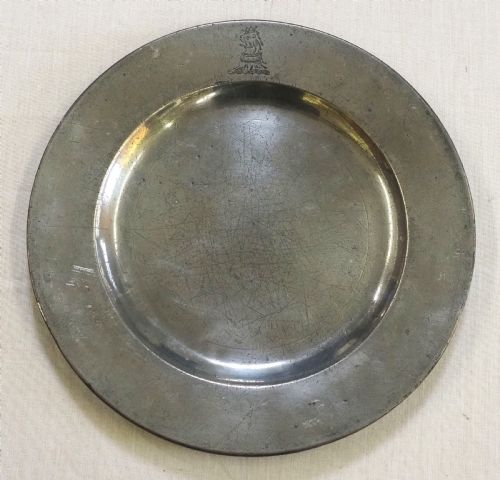
Metal vessels relied on pewter or Old Sheffield Plate, where artisans hammered or cast plain rim plates and meat domes before engraving crests directly into the surface. Chinese export pieces required specialised kilns and pigments like famille rose to replicate European heraldic designs sent abroad as paper templates.
The listings here include eighteenth-century creamware, nineteenth-century porcelain, and seventeenth-century pewter chargers bearing engraved family crests.
Distinguishing quality in heraldic ceramics and metalwork
Quality rests upon the crispness of the heraldic painting or engraving and the fidelity of the armorial bearings to the commissioning family. Finer pieces display meticulously rendered mantling, crests, and mottoes executed by skilled ceramic painters or master metal engravers.
The smoothness of the porcelain glaze, the absence of firing distortions in large platters, and the preservation of original gilding separate superior domestic and export wares from standard production. Well-documented services associated with specific historical figures command greater interest due to their provenance.
Bloor Derby·James Spackman·Matthew Boulton·Coalport·Chamberlain Worcester·Copeland·Flight Barr And Barr·Minton·Thomas Templeman·Lawrence Dyer
The Antique Armorial Dish Glossary
- Armorial
- Bearing a coat of arms or heraldic crest. These designs identify the noble or gentry family who commissioned the service.
- Creamware
- A fine, light-coloured earthenware developed in eighteenth-century England. Wedgwood and other potteries utilised this body for table services.
- Charger
- A large circular dish or plate. Pewter chargers of the seventeenth century often bear engraved family crests on the broad rim.
- Famille Rose
- A palette of opaque rose-pink enamel colours introduced to Chinese export porcelain during the eighteenth century.
- Old Sheffield Plated
- A composite metal made by fusing a thin sheet of silver to a thicker copper base. It was widely used for dinner plates and meat domes.
Antique Armorial Dish: Frequently Asked Questions
How do I identify the family crest on a dish?
Heraldic charges, mottoes, and crests correspond to specific peerage records and family genealogies registered with heraldic authorities. Reference books on British armorials help match the painted or engraved shields to historical owners.
Matching the recorded family name to contemporary documents often reveals the specific service or commission date. Local history and genealogical archives provide further context for the titled figures who ordered the tableware.
Were armorial dishes used for everyday dining?
These services were commissioned for formal banquets and important social occasions where displaying family status was paramount. Everyday meals typically relied on plain, durable ceramics rather than expensive heraldic table services.
Complete services comprised dozens of plates, platters, and tureens reserved for significant gatherings. Individual surviving pieces usually reached the market through the dispersal of large family estates over subsequent centuries.
How should I care for antique armorial porcelain?
Hand washing in lukewarm water with mild soap preserves the delicate enamel paints and gold leaf applied over the glaze. Avoid dishwashers and harsh abrasive sponges that can wear away hand-painted heraldic details.
Displaying pieces on padded plate hangers or stable stands protects the rim and footring from chipping. Sudden temperature changes should also be avoided to prevent stress fractures in older ceramic bodies.
What is the difference between Chinese export and English armorial porcelain?
Chinese export pieces were ordered through European trading companies and painted in Chinese kilns from drawings sent from abroad. English factories like Worcester, Minton, and Coalport produced their own porcelain bodies and decorated them domestically.
Export pieces often feature characteristic famille rose or blue and white palettes combined with unique porcelain body textures. English factory wares reflect domestic ceramic styles and industrial manufacturing techniques of the Regency and Victorian periods.