


Regency Botanical China
Regency botanical china brings the natural world indoors through handpainted floral motifs on fine porcelain plates, dishes, and services.
Regency Botanical China
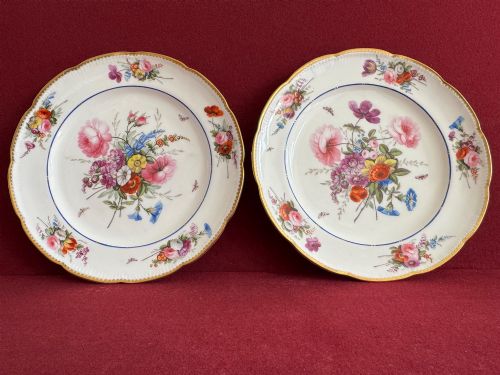
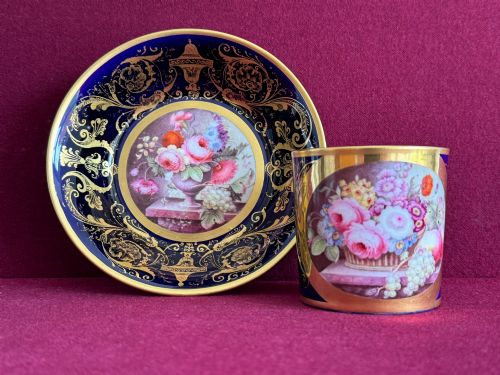
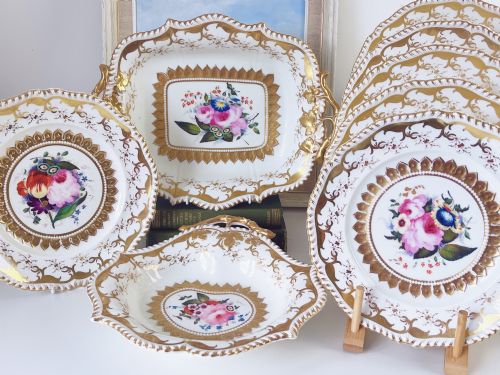
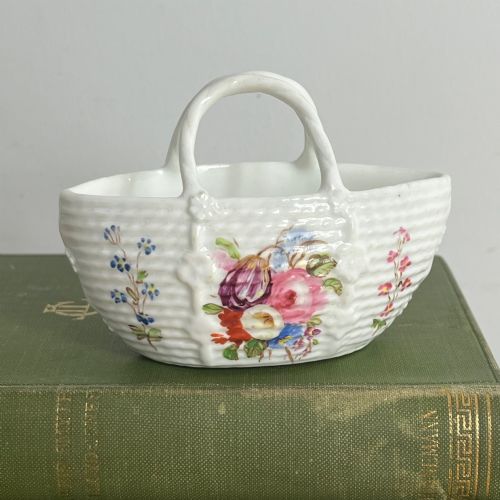
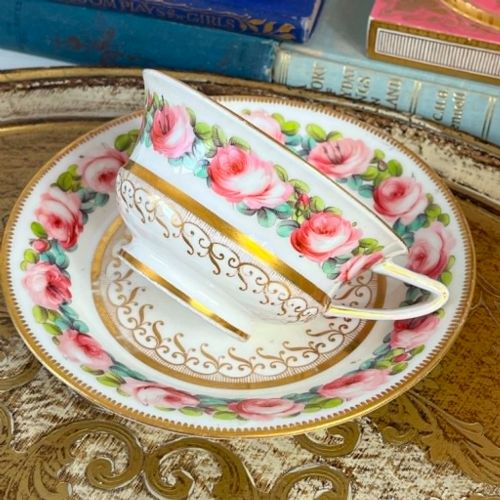
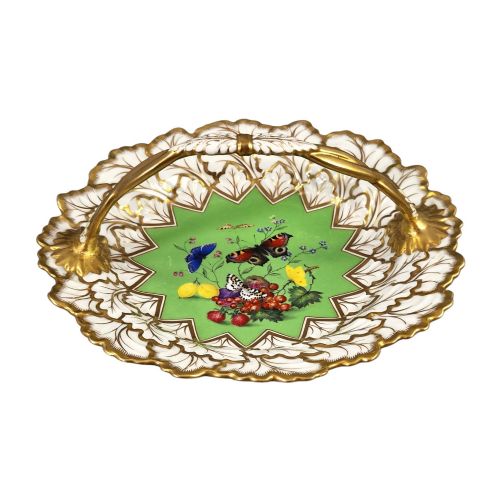
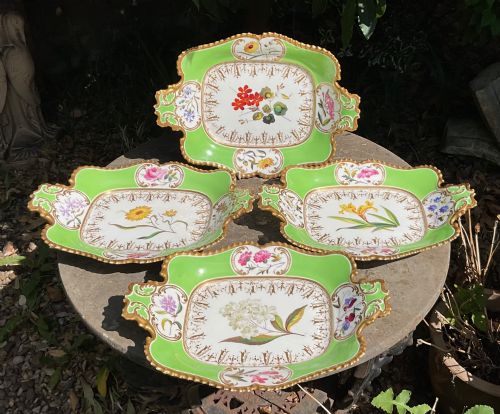
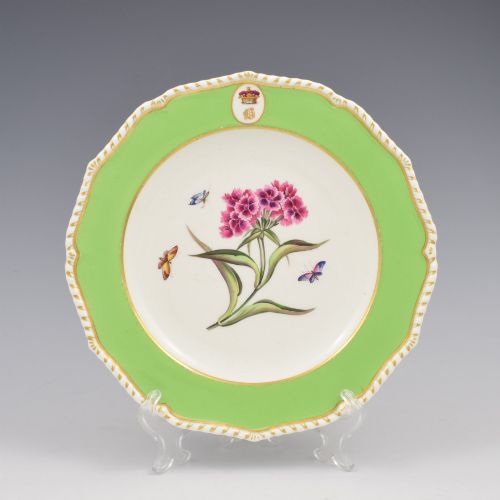
When you examine regency botanical china, you look at domestic ceramics produced primarily during the 19th Century, Georgian, and Regency periods. The forms centre on cabinet plates, dessert services, decorative baskets, and teacups and saucers that showcase detailed depictions of flora and fauna.
You are most likely to meet individual dessert plates and cabinet plates decorated with named flowers like the Sweet William or rose, alongside matching serving dishes and teacups. These pieces reflect the period's intense fascination with botany and natural history.
The objects stem from notable English factories and workshops operating between 1800 and the Victorian era, capturing a specific epoch of ceramic artistry where utility met natural science.
Distinctions in quality
The fineness of the handpainted botanical detail sets superior examples apart, where individual petals, leaves, and insect wings receive meticulous brushwork rather than stencilled outlines. Hand-lettered botanical identifications on the reverse further elevate a piece.
The application and richness of the gilding and gold leaf contribute significantly to the overall merit of a dessert service or cabinet plate. Intricate armorial crests and raised gilding indicate higher workshop standards.
The provenance and attribution to documented painters, such as Samuel Astles or Thomas Dickson, alongside established factories like Flight, Barr & Barr or Bloor Derby, define the upper tier of these ceramics.
Listings feature porcelain forms spanning the 19th Century, Georgian, and Regency periods, utilising enamel, gold leaf, and bone china.
Grainger Lee & Co·Flight Barr & Barr·Wedgwood·Davenport·Chamberlains Worcester·Bloor Derby·Spode·Coalport·Barr Flight & Barr·Ridgway·Nantgarw·New Hall·Crown Derby
The Regency Botanical China Glossary
- Bone china
- A type of soft-paste porcelain containing bone ash, developed to provide a whiter and stronger ceramic body for fine tableware.
- Cabinet plate
- A decorative ceramic plate intended for display in a cabinet or on a wall rather than for practical dining use.
- Armorial
- Bearing a heraldic coat of arms, often commissioned by prominent families to personalise their porcelain dessert services.
- Enamel
- Opaque vitreous compositions fused to the surface of porcelain during secondary firings to create colourful botanical illustrations.
- Felspar porcelain
- An innovative ceramic body introduced by Spode containing a high proportion of felspar, improving durability and translucency.
Regency Botanical China: Frequently Asked Questions
What is regency botanical china?
Regency botanical china comprises porcelain tableware and display pieces decorated with handpainted flowers, plants, and natural history subjects created during the early 19th century.
These ceramics range from single cabinet plates to large dessert services produced by prominent English factories.
How were these pieces used?
Wealthy households utilised dessert services for the final course of formal dinners, presenting fruit, sweetmeats, and confectionary on painted plates and serving dishes.
Cabinet plates and decorative baskets served primarily as ornamental items to be displayed in drawing rooms and glass-fronted cabinets.
How do I care for antique porcelain?
Wash these pieces gently by hand using warm water and mild detergent, avoiding dishwashers and abrasive sponges that damage fragile enamels and gold leaf.
Store plates in secure racks and avoid exposing delicate bone china to sudden temperature changes.
How do I identify the maker?
Examine the underside of the plate or vessel for painted factory marks, impressed ciphers, or handwritten pattern numbers.
Stylistic clues such as specific palette choices, border designs, and handwriting styles help attribute unmarked pieces to particular workshops.