


Hand Painted Flower Plate
These hand painted flower plate examples bring botanical colour and cabinet presence to a room through centuries of painted porcelain and ceramic work.
Hand Painted Flower Plate
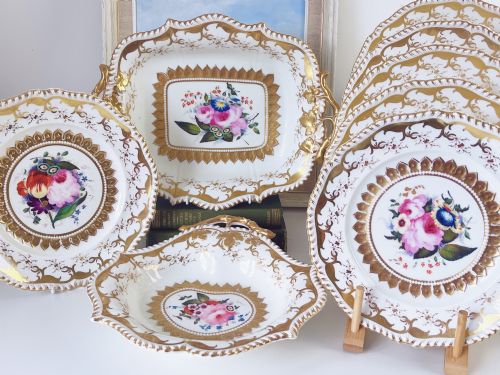
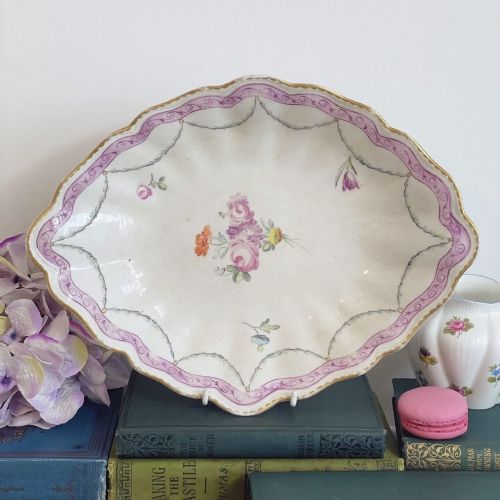
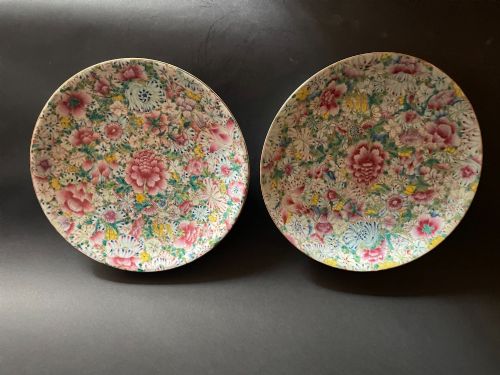
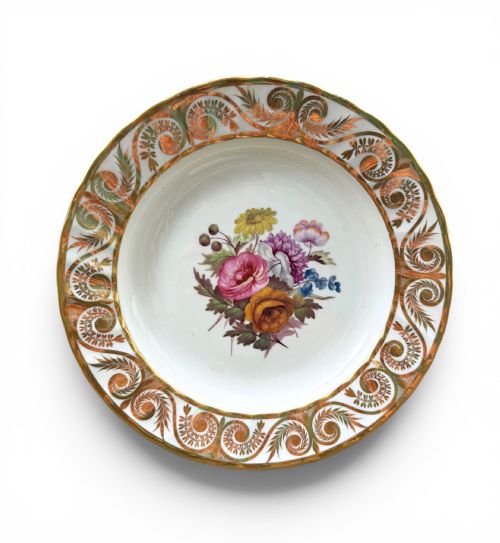
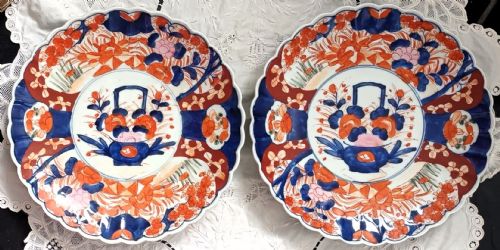
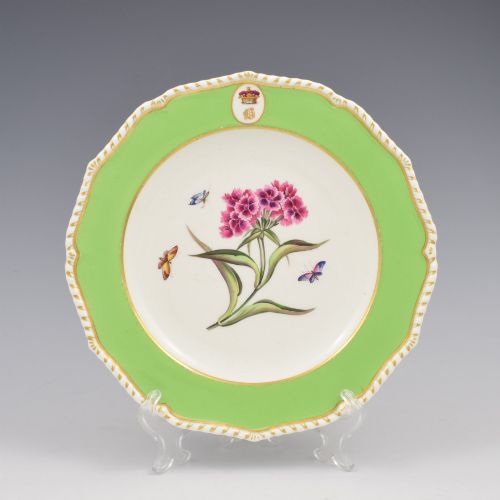
When you search for a hand painted flower plate, you enter a field populated largely by nineteenth-century dessert services, cabinet plates, and serving dishes. These pieces range from early English porcelain factories such as Derby and Coalport to Japanese Imari wares and European factories like Meissen and Sèvres.
The objects on this page appear as individual decorative dishes, pairs, or larger service parts intended originally for dining or display. English examples frequently feature botanical studies with named flowers, whilst continental and Japanese items display stylised or polychrome floral arrangements across various forms.
How they were made
Makers shaped porcelain bodies using local clay recipes before applying lead or feldspathic glazes and firing them in kilns. Artisans then painted floral motifs by hand using mineral pigments, often finishing edges with gold leaf or cobalt blue borders.
Techniques varied from the polychrome enamel painting seen on eighteenth-century Derby pieces to the underglaze and overglaze techniques employed in Japanese Meiji period workshops. Guild methods dictated that porcelain throwers and specialist botanical painters worked in distinct stages to achieve the final finish.
Moses Webster signed his botanical studies on porcelain so lifelike that insects painted nearby appear ready to crawl off the rim.
What varies in quality
The standard of a hand painted flower plate rests upon the precision of the brushwork and the botanical accuracy of the floral depiction. Master painters working for factories like Grainger Lee or H and R Daniel achieved a depth of shading and delicacy in petal structure that lesser workshops simply missed.
The quality of the porcelain body and the richness of the gilding also separate standard cabinet pieces from exceptional ones. Weight, translucency, and the crispness of moulded edges such as shell or scallop shapes dictate the overall grade of the item.
Grainger Lee & Co·Derby·Moses Webster·Meissen·Royal Worcester·Coalport·Sèvres·H and R Daniel·Minton·Samuel Alcock·Copeland
The Hand Painted Flower Plate Glossary
- Cabinet plate
- A decorative plate intended for display in a cabinet rather than for table service. These items usually exhibit finer hand painting and gilding than everyday utility wares.
- Polychrome
- Decorated in several colours. This technique allows botanical subjects to display realistic floral hues across the surface.
- Imari
- A style of Japanese porcelain featuring a palette of underglaze blue, iron red, and gold. These pieces frequently incorporate floral and panel designs.
- Armorial
- Bearing a coat of arms. Plates with armorial details were commissioned by specific families for dining use.
- Gilt
- Covered thinly with gold leaf or gold paint. This finish highlights rims, edges, and border patterns.
Hand Painted Flower Plate: Frequently Asked Questions
Were these plates used for dining?
Many of these pieces formed part of larger dessert services intended for the final course of a formal meal. They served fruits, sweets, and sweetmeats.
Over time, finer examples transitioned into cabinet plates kept solely for display behind glass in dining rooms and drawing rooms.
How do I identify the maker?
Look to the underside of the plate for factory marks, painted ciphers, or impressed numbers. English factories often used painted crown or anchor symbols, whilst continental works employed crossed swords or factory initials.
Where marks are absent, style, paste composition, and the specific hand of the botanical painter help attribute the piece.
What is a dessert service?
A dessert service is a matched set of plates, serving dishes, and sometimes compotes designed specifically for the dessert course. These sets often featured hand painted botanical subjects or armorial crests tailored to a host's collection.
Individual pieces from these services frequently enter the market separately today.
How should I display them?
Cabinet plates suit wall mounting using coated wire hangers or secure display stands inside wooden cabinets. Protection from direct sunlight preserves the vibrancy of the hand painted enamel colours.
Ensure that plates with gold leaf detailing are kept in stable environments away from high humidity.