



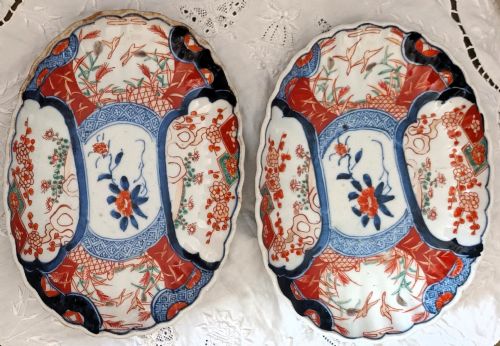


Antique Arita Ware Dish
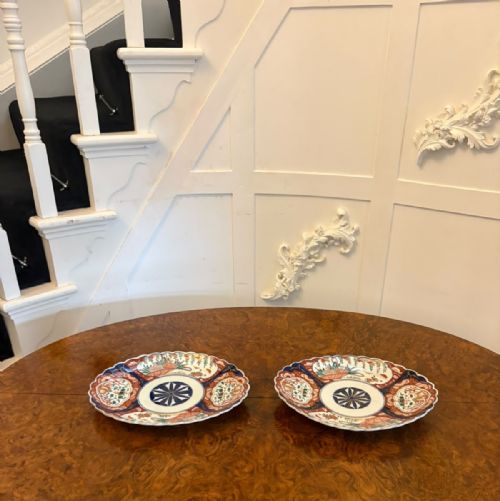
These antique arita ware dish selections bring centuries of Japanese ceramic artistry into the home through hand-painted porcelain.
Antique Arita Ware Dish
An antique arita ware dish encompasses decorative plates, bowls, and chargers originating from Japan across the seventeenth, eighteenth, nineteenth, and early twentieth centuries. The selection available on this page spans distinct historical phases, from early Edo Period works to later Meiji Period pieces.
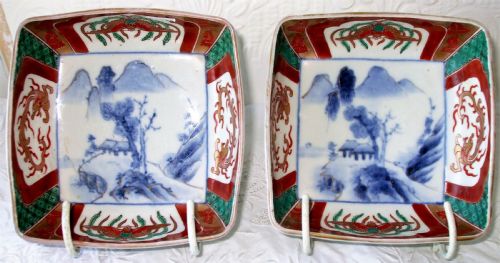
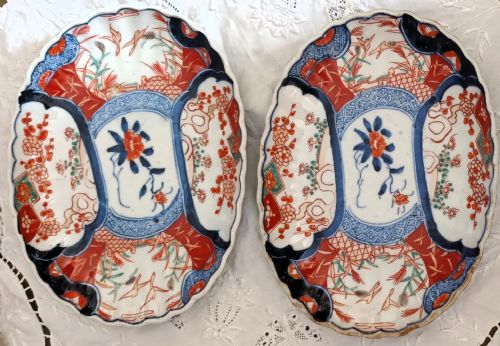
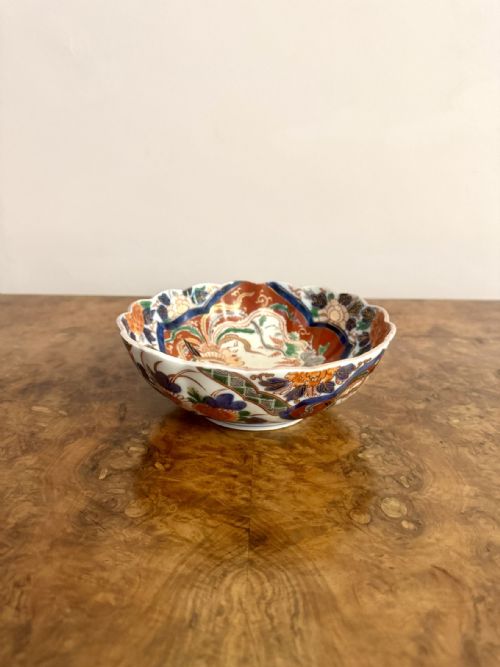
Buyers will encounter various forms, including scalloped edges, hexagonal shapes, fan-shaped plates, and clam shell designs. These items frequently display traditional Japanese Imari patterns alongside classic blue and white porcelain compositions.
Materials and construction methods
The foundation of every piece is porcelain, shaped into plates, chargers, and bowls before undergoing high-temperature firing. Artisans applied cobalt underglaze to create deep blue motifs beneath the clear protective coating.
Overglaze decoration often incorporated enamel, enamel glaze, gilding, and gold leaf to add rich colour and metallic highlights. Hand-painted floral and bird designs were meticulously brushed onto the hardened ceramic surface.
Materials recorded across the selection include porcelain, cobalt underglaze, enamel, glaze, gold leaf, gilt, and gilding.
Distinctions in craftsmanship and design
The standard of an antique arita ware dish depends on the precision of the hand-painted brushwork and the complexity of the design layout. Pieces featuring intricate floral, bird, or scrolling foliate borders demonstrate superior artisan skill.
Form variation also influences distinction, with unusual shapes such as fans, clamshells, and hexagonal structures representing higher levels of ceramic moulding expertise compared to standard circular plates.
The Antique Arita Ware Dish Glossary
- Arita
- A Japanese town renowned for its long history of porcelain production. The kilns established here produced the distinctive ceramics exported widely across centuries.
- Imari
- A style of Japanese export porcelain characterised by a palette of cobalt blue, iron red, and gold. These pieces were shipped from the port of Imari to European and domestic markets.
- Meiji Period
- The era in Japanese history spanning from eighteen sixty-eight to nineteen twelve. Ceramics from this time often exhibit elaborate decorative detailing and refined technical execution.
- Edo Period
- The period lasting from sixteen hundred and three to eighteen sixty-seven under the Tokugawa shogunate. Early Arita wares from this timeframe hold significant historical importance.
- Charger
- A large decorative plate utilised historically for presentation or serving. In this collection, chargers provide expansive surfaces for intricate hand-painted designs.
Antique Arita Ware Dish: Frequently Asked Questions
What is an antique arita ware dish?
An antique arita ware dish is a Japanese ceramic piece created in the town of Arita using traditional porcelain techniques. These items range from decorative plates and bowls to large chargers.
They reflect centuries of stylistic evolution, encompassing both early Edo Period creations and later Meiji Period export wares.
How were these dishes decorated?
Artisans decorated these ceramics using cobalt underglaze for deep blue designs beneath the glaze. Many pieces also incorporate enamel, gold leaf, and gilding for added colour.
Hand-painted motifs commonly feature floral patterns, birds, and scrolling foliate borders applied directly onto the porcelain body.
How do I identify an Edo Period piece?
Edo Period pieces date from the seventeenth or eighteenth centuries and often display specific historical forms like clam shell dishes or early blue and white patterns. Examining the weight, glaze consistency, and potting style helps determine the era.
Documentation or specific historic motifs can also provide clues regarding the production timeframe.
How should I display a charger?
Chargers are large decorative plates designed primarily for visual display rather than daily dining use. Utilising sturdy plate stands allows them to be safely showcased on surfaces or within cabinets.
Positioning them away from direct sunlight protects any delicate enamel and gold leaf detailing from fading.