

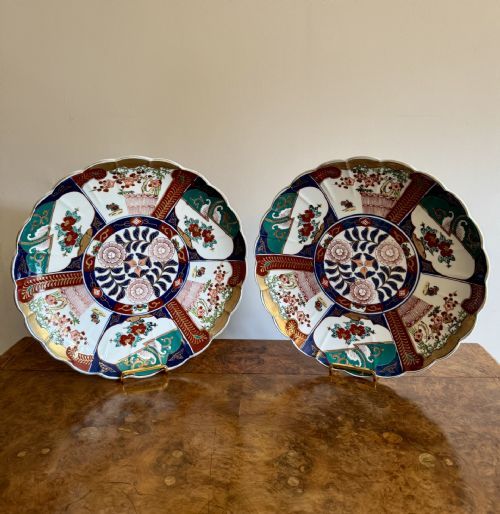

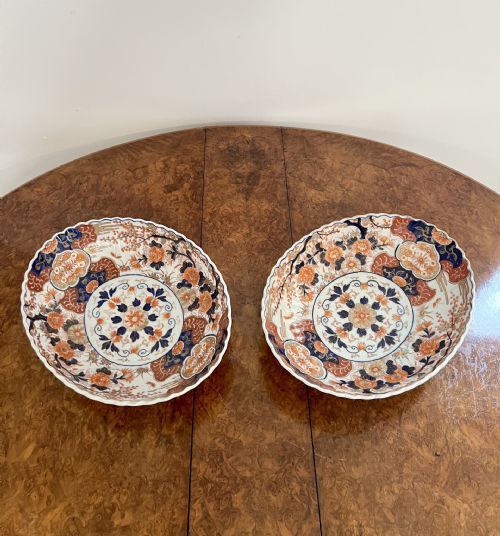


Gilded Imari Ceramic Dish
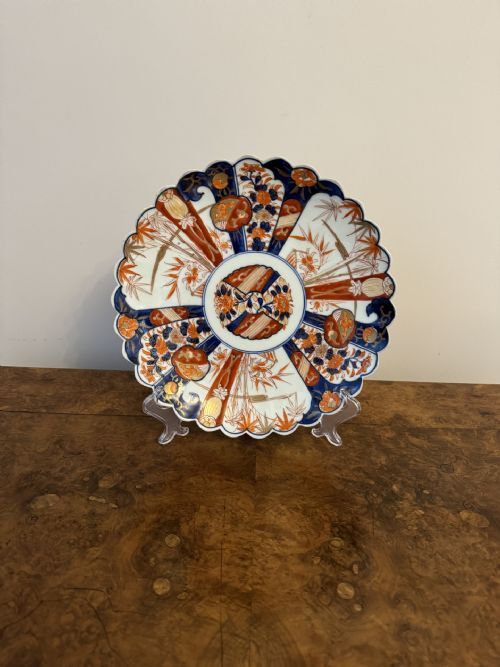
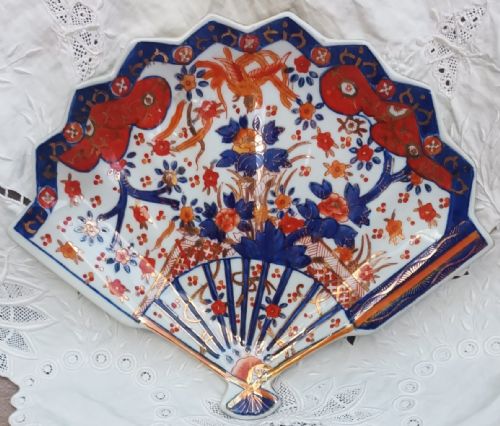
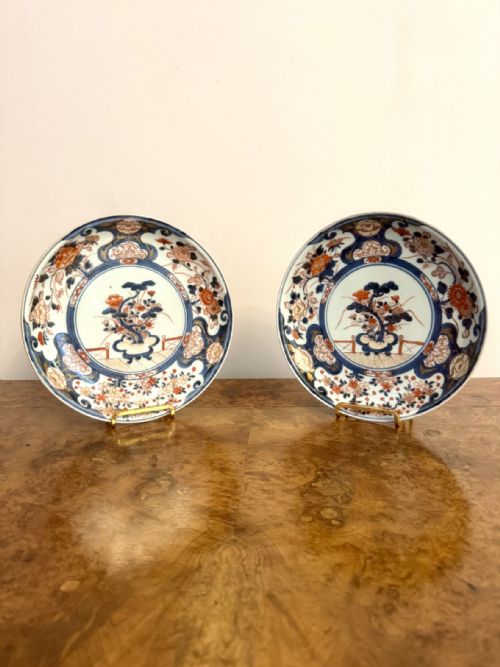
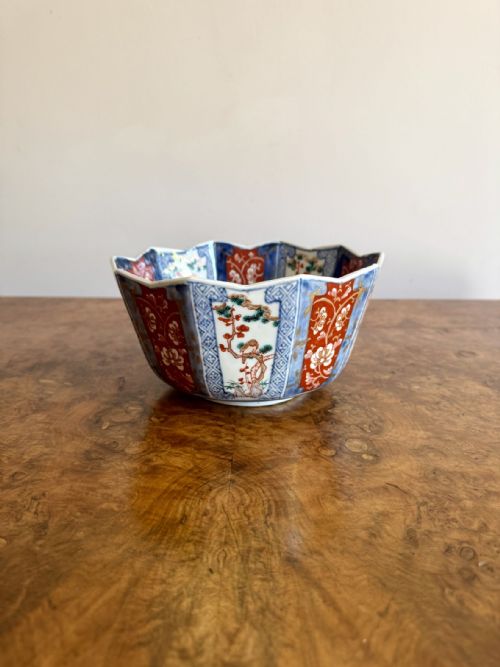
A gilded imari ceramic dish brings together deep cobalt blue, iron red and gold leaf upon porcelain, appealing directly to collectors of vibrant decorative wares.
Gilded Imari Ceramic Dish
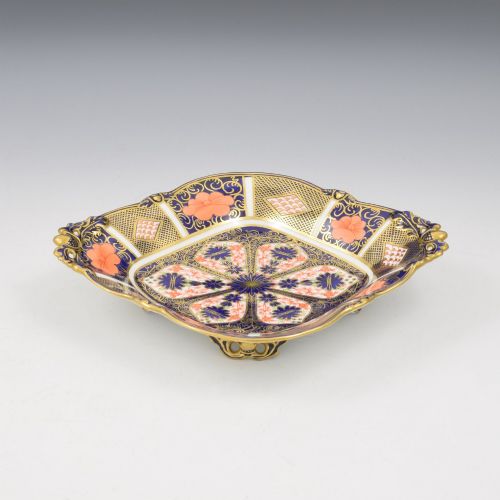
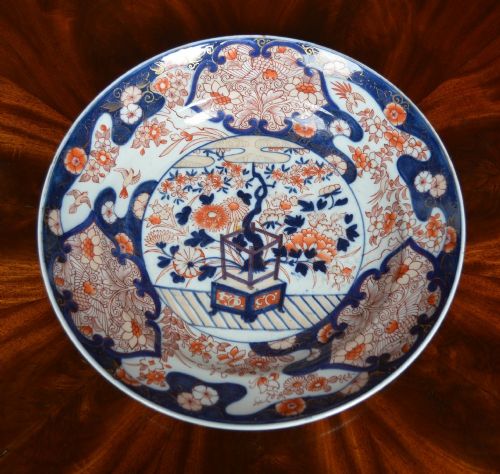
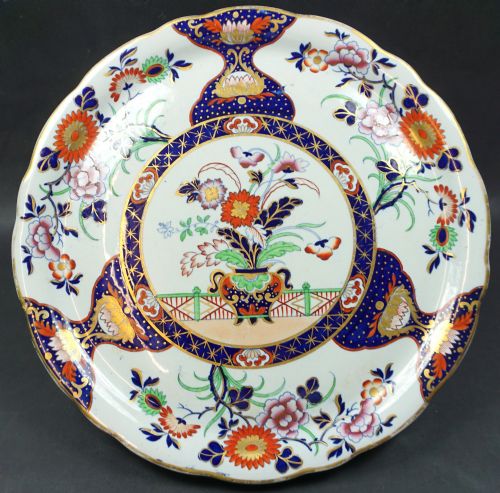
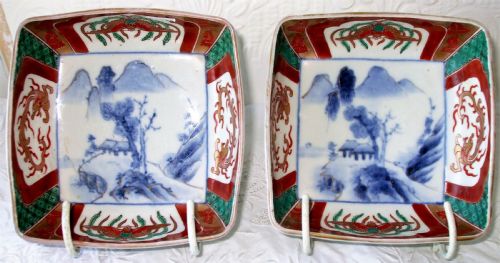
When you search for a gilded imari ceramic dish, you encounter a diverse selection of ceramics spanning multiple centuries and origins. The majority of pieces on this page comprise Japanese export wares from the Meiji period, alongside English interpretations produced by factories such as Royal Crown Derby.
The forms vary widely across the selection, ranging from standard plates and chargers to scalloped bowls, octagonal shapes, fan-shaped plates and serving dishes. These items were originally created both for export to Western markets and for domestic display or service within European households.
Dating ranges from the eighteenth century through the Victorian era up to the early twentieth century. Japanese examples often display traditional floral and bird motifs, while English makers adapted the palette for ironstone and porcelain service wares.
Materials and technique
The foundation of these objects rests upon hard-paste porcelain or ironstone ceramic bodies, shaped by hand or moulded into specialised forms like shells, fans and octagons. Potters then applied underglaze cobalt blue before firing the piece at high temperatures.
Enamel colours, predominantly iron red, were added in a second firing step to create the characteristic palette. Artisans finished the decoration by applying gold leaf or liquid gilding to accentuate specific details within the design.
Some nineteenth-century makers cleverly disguised gravy boats as saucy tureens, ensuring even humble peas travelled in style.
Distinctions in quality
The standard of a gilded imari ceramic dish depends upon the precision of the hand-painted brushwork and the preservation of the gold leaf over time. Superior examples exhibit crisp floral or bird compositions with minimal rubbing to the gilded highlights.
Moulding complexity also separates standard items from exceptional ones, particularly in unusual geometries like scalloped edges, octagonal corners or moulded shell and fan silhouettes. Firing stability and the clarity of the underlying ceramic body further distinguish the finer pieces in the range.
Royal Crown Derby·Hicks and Meigh·Flight Barr and Barr·Chamberlain Worcester
The Gilded Imari Ceramic Dish Glossary
- Imari
- A style of ceramic decoration originating in Japan, characterised by a palette of underglaze blue, iron red and supplementary gilding. The style was widely copied by European porcelain manufacturers.
- Meiji Period
- An era of Japanese history spanning from 1868 to 1912, associated with a vast output of export ceramics destined for Western collectors.
- Charger
- A large decorative plate or platter intended primarily for display on a sideboard or wall rather than for practical dining use.
- Ironstone
- A heavy, durable type of earthenware patented in the nineteenth century that mimics porcelain in strength and utility.
- Armorial
- A ceramic design incorporating a family crest or coat of arms, frequently commissioned for wealthy dining services.
Gilded Imari Ceramic Dish: Frequently Asked Questions
How do I identify a Japanese Imari piece from an English one?
Japanese Imari generally relies on traditional porcelain bodies with hand-painted motifs of flora, birds and brocade patterns characteristic of the Meiji period and earlier.
English interpretations often utilise ironstone or soft-paste porcelain bodies stamped with nineteenth-century factory marks from makers like Royal Crown Derby or Worcester.
Were these dishes meant for everyday dining?
While smaller plates and service dishes saw active use at the dining table, larger chargers and decorative bowls were primarily intended for display.
The presence of gilding and intricate enamel work made many of these items too valuable for rough daily service.
How should I clean my antique ceramic dish?
Dusting gently with a soft, dry cloth is the safest method to maintain the surface without disturbing the delicate gold leaf.
Avoid soaking or using harsh chemical cleaners, as water and detergents can degrade old enamel and the remaining gilding.
What does the Meiji period signify for these ceramics?
The Meiji period marks an era of intense artistic output and international trade following the reopening of Japan to Western markets.
Pieces from this time reflect a high standard of hand-painted detail tailored specifically for European and American export demands.