




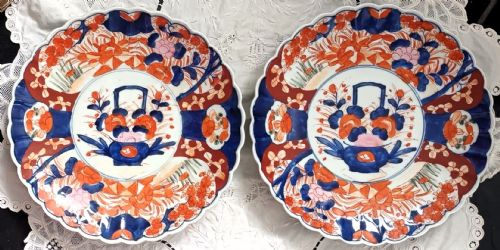
Antique Arita Plate
An antique arita plate brings centuries of kiln craft to the table, offering bold painted designs that collectors display on walls and surfaces.
Antique Arita Plate
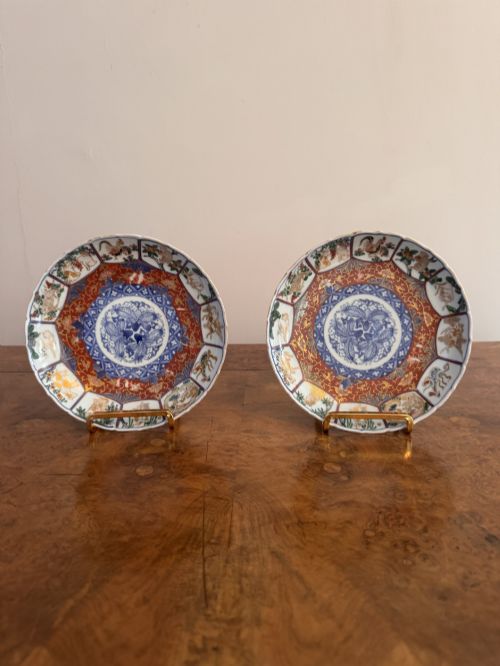
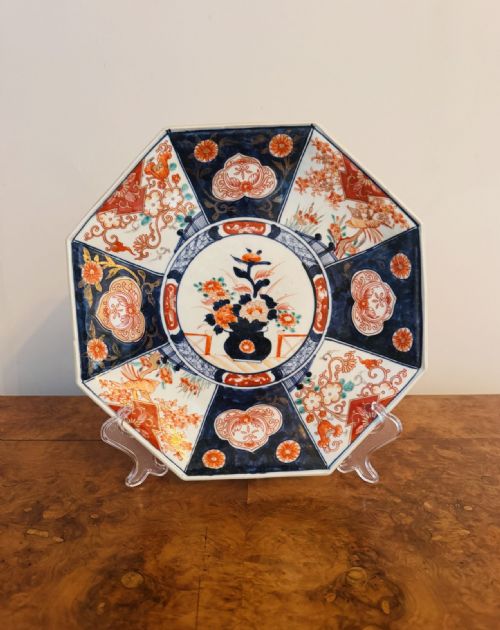
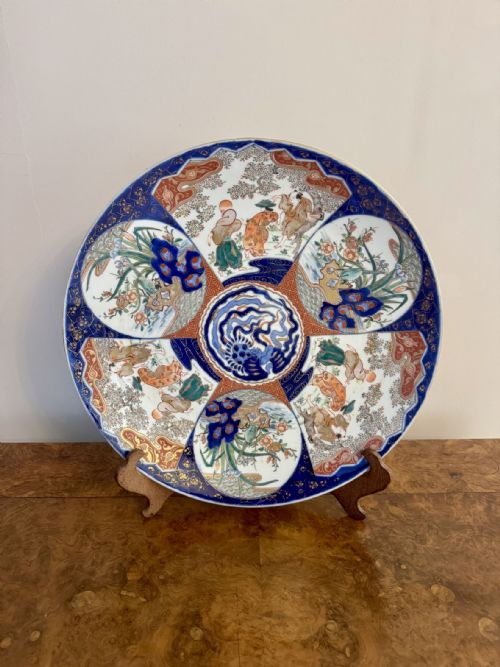
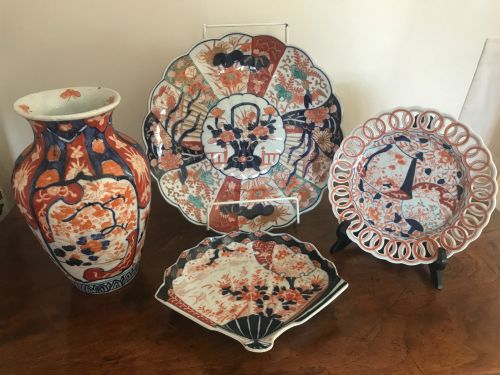
When you search for an antique arita plate, you encounter items shaped as round dishes, large chargers, and geometric plates with scalloped, hexagonal, or fan outlines. The listings on this page span the Edo period through the late nineteenth and early twentieth centuries, capturing centuries of Japanese ceramic production.
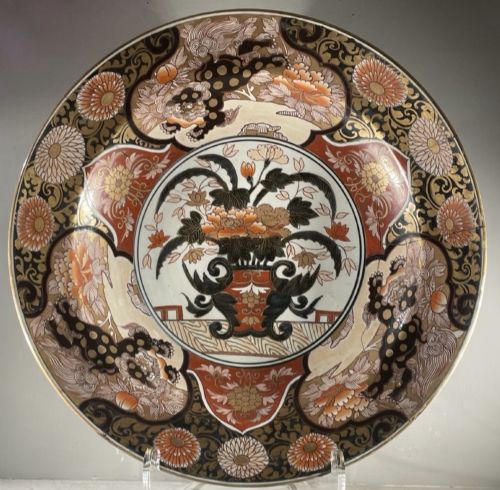
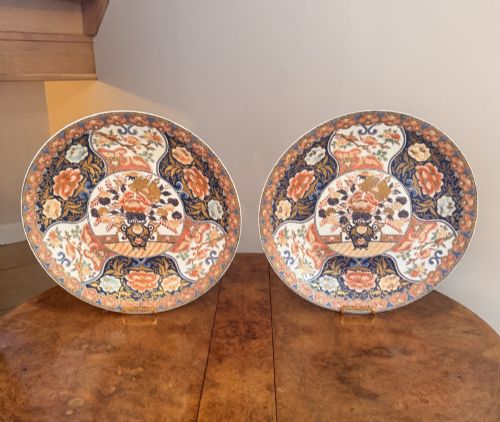
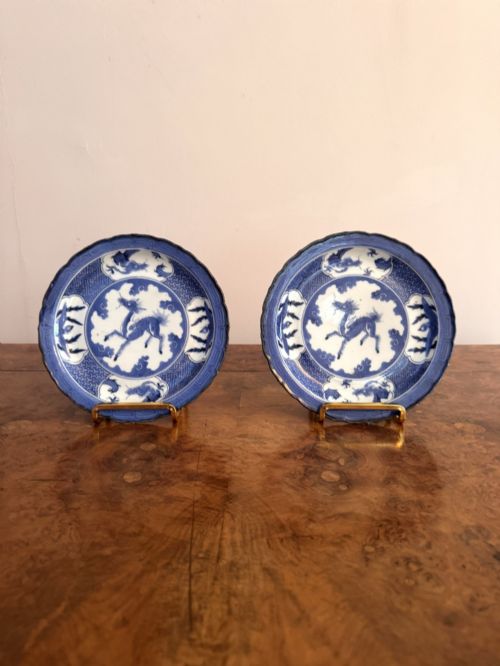
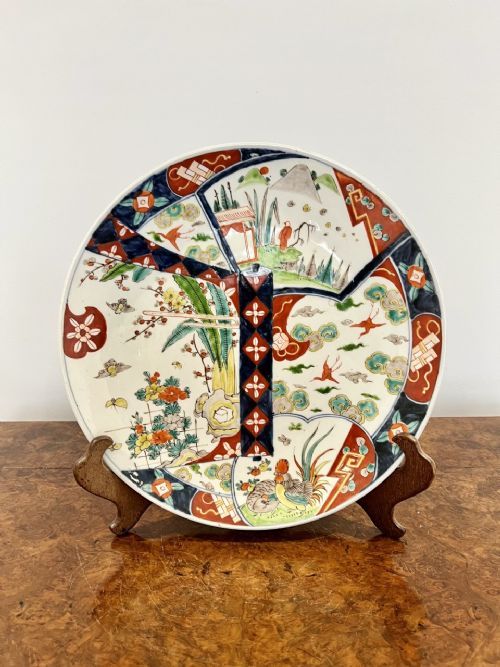
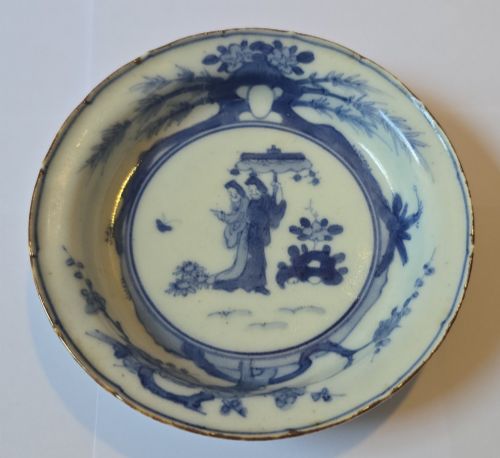
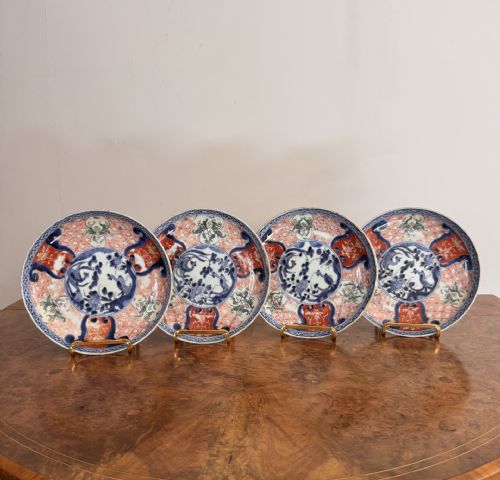
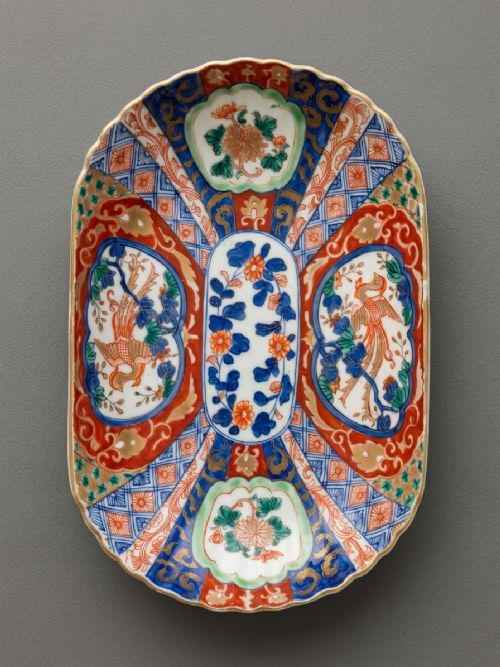
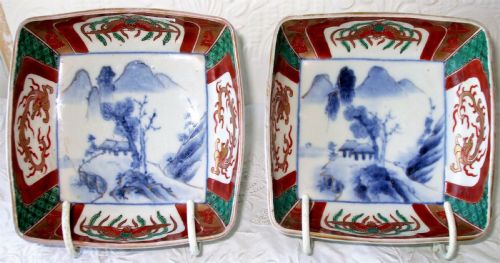
Most examples appearing here belong to the Imari style, characterised by deep blue and iron red pigments often enriched with gold leaf. Alongside these colourful pieces, you find simpler blue and white porcelain dishes and chargers decorated with floral and bird motifs.
Forms range from small plates and saucers to massive chargers meant for central display. Certain pieces record earlier seventeenth and eighteenth century origins, while others date from the Meiji period and the Victorian era.
Materials and technique
Potters shaped these objects from refined white porcelain clay before applying cobalt glaze beneath a clear glass coating for blue and white designs. Overglaze enamel colours, including iron red and supplementary gilding, were then added in subsequent firings.
Artisans painted floral motifs, exotic birds, and natural scenes directly onto the ceramic surface by hand. Gold leaf and gilt details were carefully applied to highlight specific patterns on chargers and decorative dishes.
Antique Arita Plate Retail Price Guide 2026
Typical asking prices for arita plate among the pieces listed under this phrase on Sellingantiques today, from the lower quarter to the upper quarter. They describe what is for sale here now, not the wider market.
Clam shell dishes and fan shaped plates let seventeenth century potters serve delicate courses while mimicking the natural geometry of the sea.
Judging quality
Quality rests on the precision of the hand painted brushwork and the clarity of the cobalt glaze beneath the surface. Superior plates show crisp definition in floral and bird designs, whereas weaker examples display blurred lines and heavy, unrefined pigments.
The complexity of the form also influences the piece, with hexagonal, fan shaped, and scalloped edges demanding greater skill from the potter than simple circular dishes. Preservation of the enamel colours and gold leaf across centuries determines the overall condition of the glaze.
The Antique Arita Plate Glossary
- Arita
- The Japanese town in Hizen province where porcelain production began in the early seventeenth century. This centre supplied domestic and export markets with durable ceramic wares.
- Imari
- A style of Japanese export porcelain named after the port from which the wares were shipped. The aesthetic typically combines underglaze blue with iron red and gilt overglaze decoration.
- Charger
- A large decorative plate designed for display on a wall or sideboard rather than daily dining. These substantial pieces provide a wider canvas for complex painted scenes.
- Edo Period
- The historical period in Japan lasting from sixteen hundred and three to eighteen hundred and sixty-eight. Pieces from this era often exhibit early potting techniques and restrained motifs.
- Meiji Period
- The era of Japanese history spanning from eighteen hundred and sixty-eight to nineteen hundred and twelve. Ceramics from this time frequently demonstrate intricate enamel work and vibrant gilding.
Antique Arita Plate: Frequently Asked Questions
What is an antique arita plate?
An antique arita plate is a ceramic dish made in the Japanese town of Arita, spanning periods from the seventeenth century to the early twentieth century. These items include both blue and white porcelain and multi-coloured Imari styles.
Potters shaped these ceramics for domestic use and export, creating items ranging from small plates to large wall chargers. Hand painted designs typically feature floral patterns, birds, and natural landscapes.
How do I display an antique arita charger?
Large chargers and decorative dishes suit wall mounting using specialised wire hangers designed for heavy porcelain. Alternatively, sturdy plate stands allow these pieces to sit securely on sideboards and cabinets.
Because many examples feature delicate overglaze enamels and gold leaf, placement away from direct sunlight preserves the pigments. Hand washing with mild soap protects the glaze from chemical wear.
How can I tell Edo period pieces apart?
Edo period items often display earlier potting characteristics, such as thicker foot rims and subtle variations in the porcelain body. The painting on these pieces tends toward traditional flora and fauna motifs.
Later Meiji and Victorian era examples frequently employ brighter enamel colours and denser gilt patterns. Comparing the weight, glaze texture, and painting style helps distinguish earlier output from later production.
What motifs appear on these plates?
Common motifs include flowering branches, exotic birds, and natural scenery rendered in cobalt blue and iron red. Specialised shapes like clam shell dishes and fan plates incorporate these patterns to fit the contours of the ceramic.
Many designs reflect Chinese influences adapted by Japanese potters during the seventeenth and eighteenth centuries. Geometric borders and ribbon motifs also frame the central artwork on hexagonal and scalloped dishes.