
Gilt Ceramic Plate
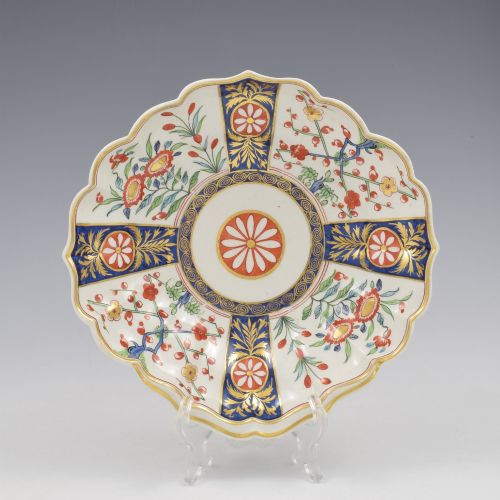
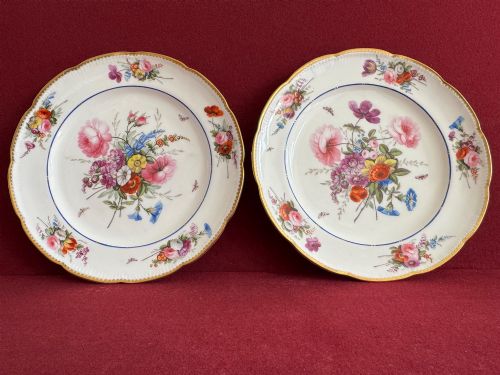
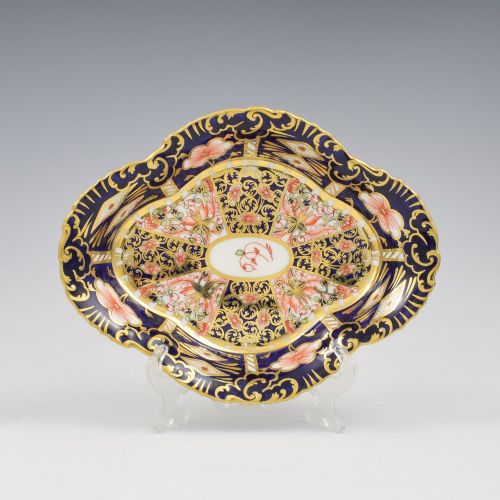
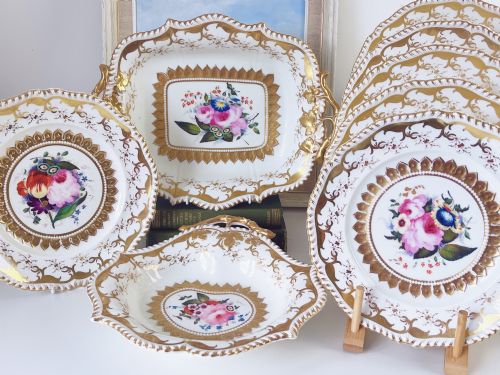
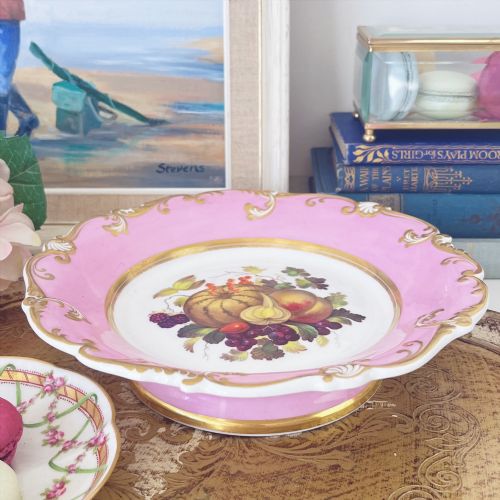
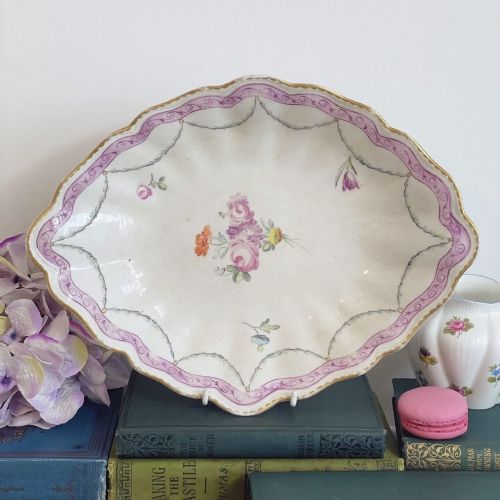
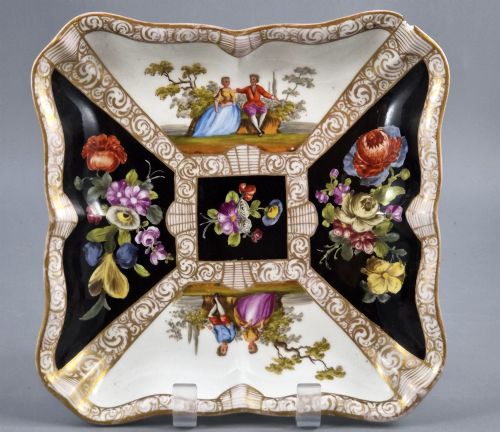
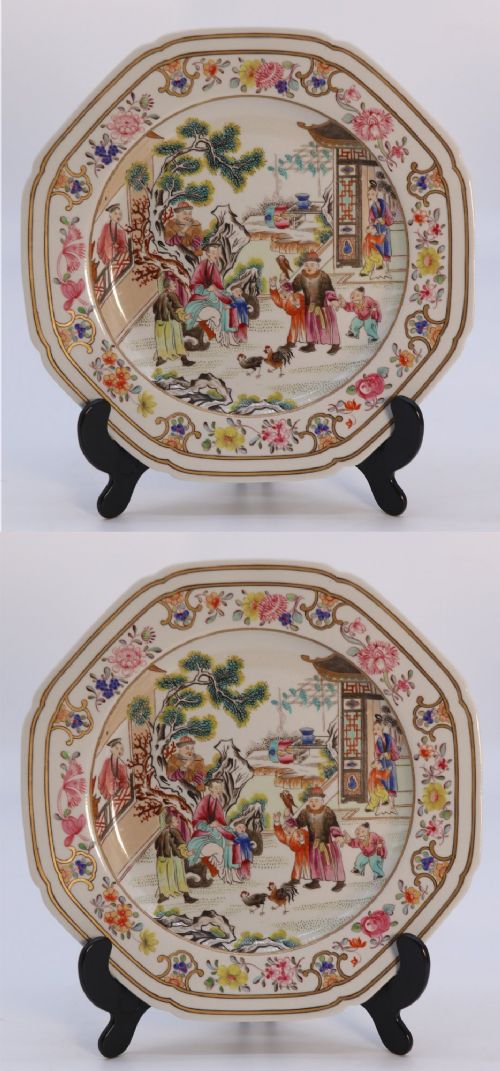
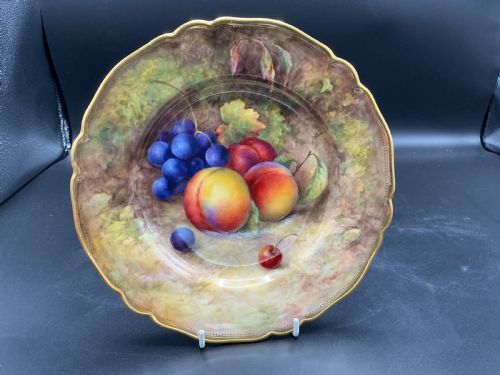
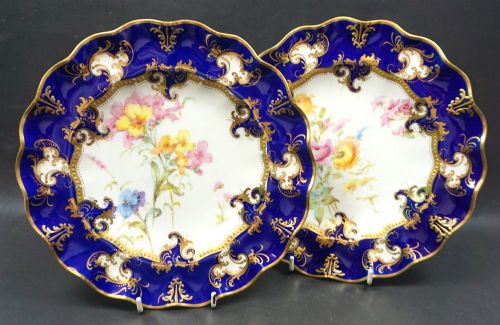
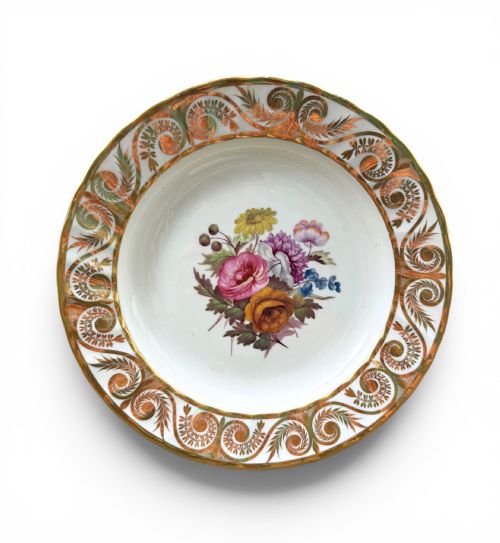
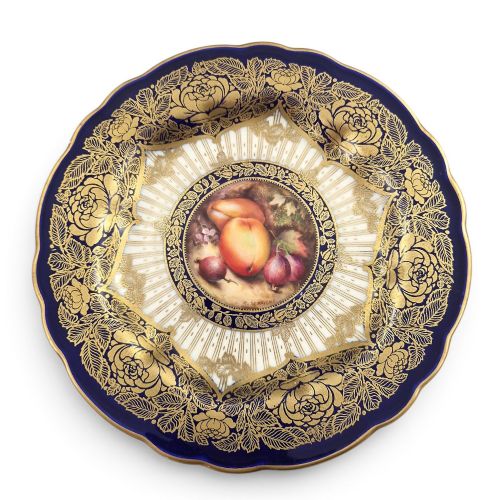
These gilt ceramic plate examples bring hand-painted floral panels and rich gold leaf borders directly to the table.
Gilt Ceramic Plate
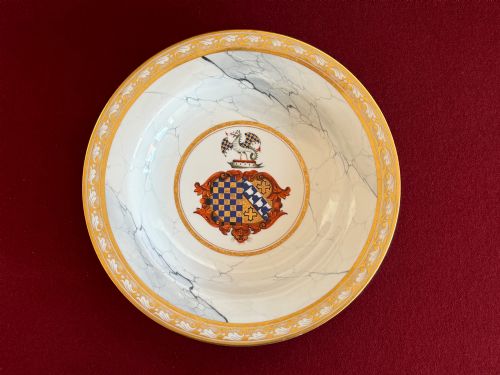
A gilt ceramic plate selection encompasses everything from Georgian bone china dessert services to elaborate Victorian cabinet pieces and Japanese porcelain chargers. The version met most frequently on this page is the nineteenth century English or European cabinet plate, designed primarily for display rather than dining. These pieces range from simple serving dishes with gilt rims to heavily ornamented items featuring hand-painted botanical studies, armorial crests, and classical scenes.
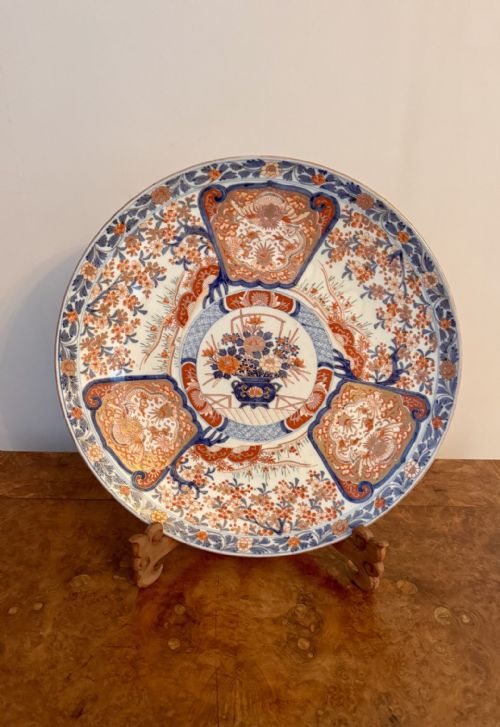
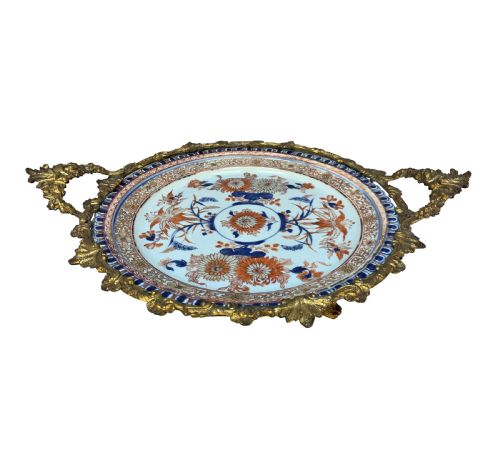
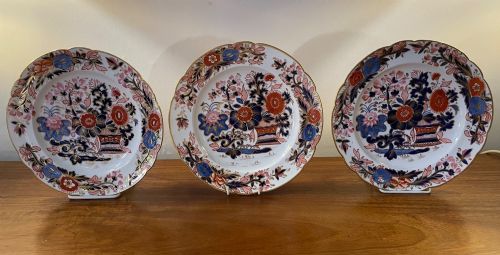
Makers utilised various ceramic bodies, including bone china, ironstone, and hard-paste porcelain, finished with applied gold leaf or metallic gilding. Collectors encounter distinct regional styles, such as Japanese Imari wares with iron red and gilt details, alongside Staffordshire and Worcester dessert services from the Regency period. Each form reveals the specific decorative ambitions of its era, shifting from restrained neoclassical borders to exuberant Aesthetic Movement motifs.
Materials and production methods
Potters shaped these objects using refined clay bodies like bone china and porcelain, which were fired at high temperatures to achieve a durable, vitrified base. Artisans then applied underglaze cobalt blue or polychrome enamels by hand, painting botanical specimens, birds, and figurative scenes with fine brushes. Gold leaf or liquid gold mixture was painted onto the rims and motifs, then fixed in a second kiln firing to create a permanent metallic lustre.
Advanced techniques included ground laying, where coloured fields like pink, blue, or black were dabbed onto the ceramic before gilding, and transfer printing to outline complex patterns. Ormolu mounts and gilt metal frames were occasionally added to Chinese and European porcelain dishes to elevate their status as ornamental objects. Pierced borders and reticulated rims required skilled cutting of the damp clay before the initial firing.
Several Victorian cabinet plates feature hand-painted fairies and squirrels sharing a single border.
Judging the quality of gilding and painting
Quality rests significantly on the execution and preservation of the hand-painted details and gold leaf. Superior pieces display crisp, finely detailed brushwork by named artists, whereas lesser examples show hurried or mechanical application. The thickness and burnishing of the gilt work also matter, as worn or thinly applied gold diminishes the visual impact.
The sophistication of the ceramic body and the clarity of the glaze distinguish standard production from exceptional factory output. Well-potted plates exhibit balanced proportions, minimal kiln faults, and precise registration of colours within the gilded borders.
Grainger Lee And Co·H And R Daniel·Royal Worcester·Royal Crown Derby·John Davenport Of Longport
The Gilt Ceramic Plate Glossary
- Cabinet plate
- A decorative plate intended for display in a cabinet or on a wall rather than for practical table use. These pieces often feature elaborate hand-painted subjects and rich gilding.
- Bone china
- A type of soft-paste porcelain incorporating bone ash, developed in England to create a strong, translucent ceramic body. It accepts glaze and gold leaf exceptionally well.
- Imari
- A style of Japanese porcelain featuring a palette of underglaze blue, iron red, and abundant gold. European factories frequently copied these distinctive patterns during the eighteenth and nineteenth centuries.
- Gilding
- The application of gold leaf or powdered gold suspended in a medium to the ceramic surface. This decoration is fired in a kiln to bond the metal permanently to the glaze.
- Comport
- A raised dish or bowl used for serving fruit or dessert, often matching a larger set of plates. They feature either a low foot or a distinct pedestal base.
Gilt Ceramic Plate: Frequently Asked Questions
Were these plates used for dining?
Many examples from dessert services were indeed utilised for serving fruit and sweetmeats at the conclusion of formal meals. However, pieces described as cabinet plates were made strictly for visual display.
Examining the centre of the plate for cutlery scratches helps determine whether an item saw active service or spent its life in a cabinet.
How can I date an unmarked plate?
Dating relies on observing the characteristics of the ceramic body, the style of the hand-painted decoration, and any impressed factory numbers on the reverse. Comparing the floral palette or border design to documented factory patterns provides a reliable window of manufacture.
Consulting reference guides on nineteenth-century pottery marks assists in narrowing down the decade of production.
What causes the gold to wear off?
Frequent washing, abrasive cleaning agents, and normal friction from stacking plates over generations cause the surface gilding to thin and fade. Hand-applied gold leaf from earlier centuries is particularly susceptible to rubbing if handled roughly.
Preserved pieces usually owe their bright metallic finish to careful storage away from daily use.